

 Bekijk op ware grootte
 Verstuur
 Delen
Delen
 Details bekijken
 Gids voor studentenkunstwerken

 Download
 Vergelijkbare items
 Röntgenonderzoek
 Diavoorstelling
 Statistieken
Stereoscopic Composition, Based on Millet's 'Angelus' (unfinished), circa 1978


 Lees meer
Giclée / Kunstafdrukken
Giclée- of canvasafdruk van museumkwaliteit met een snelle productie en flexibele afwerkingsmogelijkheden. ( Koop handgeschilderd kunstwerk Schakel over naar digitale afbeeldingen)




P118B $10

P118H $10

P118W $10

P438Z $10

P508JH $12

P508YH $12

P805H $10

P805Z $10

P919BZ $10

P919G $10

P919XJ $10

P959ZH $10

P968JZ $12

W106C $8

W218G $10

W218JH $8

W218Y $10

W307PJ $10

W316G $10

W316PJ $8

W316Y $10

W398PJ $8

W4111J $10

W500HY $15

W500JH $15

W692G $12

W849H $8

W940BG $15

W953PJ $8




Kies uit onze vooraf ingestelde maten die overeenkomen met de originele verhoudingen van het kunstwerk.

U kunt uw eigen afmetingen opgeven om in een specifieke lijst of ruimte te passen. Als de door u gekozen maat niet overeenkomt met de proporties van het originele kunstwerk, zullen wij de afbeelding bijsnijden of uitbreiden met een gespiegelde of effen rand. Een digitaal mockup wordt ter goedkeuring naar u verzonden voordat de productie begint.
Houd er rekening mee dat de preview op het scherm de werkelijke bijsneding of uitbreiding niet weergeeft. Alleen de mockup toont de uiteindelijke compositie nauwkeurig.
Hoewel aangepaste maten beschikbaar zijn, raden wij aan een afmeting uit de vooraf bepaalde lijst te kiezen om de originele proporties te behouden.
Wereldwijde levering () binnen 2 weken in plaats van de standaard 4/5 weken. (25 september)

Gratis wereldwijde expressverzending

Hoogwaardig linnen canvas

Volledige verzendverzekering

Garantie op terugbetaling van invoerrechten

Garantie op exacte kleurweergave

Retourbeleid van 100 dagen (alleen bij defecten)

100% Geld-terug-garantie

Korting bij meerdere afnames
 De optie voor glas is alleen beschikbaar bij een formaat kleiner dan 110 cm.

Stereoscopic Composition, Based on Millet's 'Angelus' (unfinished), circa 1978
Giclée / Kunstafdrukken
Formaat reproductie
-


Totaalprijs
$ 81
A Surreal Echo of Millet’s Pastoral Vision
In the vast, labyrinthine gallery of art history, few encounters are as profound as when one master reaches across time to touch the soul of another. Salvador Dalí's "Stereoscopic Composition, Based on Millet's 'Angelus' (unfinished), circa 1978" is precisely such an encounter—a haunting, dreamlike dialogue between the nineteenth-century realism of Jean-François Millet and the twentieth-century surrealism of Dalí. While Millet’s original masterpiece captured a moment of quiet, rural piety amidst the toil of the French countryside, Dalí reimagines this sacred stillness through a lens of profound psychological depth. The artwork does not merely replicate a known scene; it deconstructs it, transplanting the solemnity of the Angelus onto a tranquil, desolate beach where the boundaries between reality and the subconscious begin to dissolve.
The visual journey begins with the striking use of stereoscopic construction, a technique Dalí championed to manipulate the viewer's perception of space. Through this method, he achieves an illusion of depth that transcends the flat surface of the canvas, pulling the observer into a three-dimensional dreamscape. The composition is anchored by strong vertical lines—the upright postures of the central figures and nearby poles—which mirror the architectural stability of Millet’s original work. Yet, these structures feel ephemeral, as if they might vanish with the next tide. The figures themselves, draped in long, dignified coats, stand as enigmatic sentinels against a horizon that feels both infinite and claustrophobic, creating a tension that is quintessential to the Surrealist movement.
Technique, Texture, and the Alchemy of Light
To behold this piece is to experience a masterclass in tonal subtlety. Eschewing harsh outlines for soft, graduated transitions, Dalí employs a technique where shapes are defined by light and shadow rather than rigid borders. This creates a pervasive sense of atmospheric blurring, lending the entire scene a misty, ethereal quality. The texture of the work possesses a deliberate graininess, reminiscent of both an aged photograph and the tactile roughness of Millet’s original oil strokes. This interplay of textures invites the eye to linger on the subtle gradations of tone, where the sand meets the sea and where the figures emerge from the haze.
The lighting within the composition is diffused and remarkably even, casting soft shadows that minimize harsh contrasts and instead promote a sense of melancholic tranquility. This lack of aggressive light allows for a flattened perspective in certain areas, which, when contrasted with the stereoscopic depth, creates a disorienting yet captivating visual rhythm. For the discerning collector or interior designer, this piece offers a sophisticated palette of muted tones that can anchor a room with a sense of quiet intellectualism and historical weight.
Symbolic Resonance and Emotional Depth
Beyond its technical brilliance, the artwork serves as a profound vessel for symbolism. Dalí draws upon the themes of faith, labor, and mortality inherent in Millet’s work, but infuses them with his own preoccupations with duality and the subconscious. The three figures, positioned in a way that suggests prayer or deep contemplation, evoke a sense of shared human experience—yet their isolation on the vast beach introduces an element of existential alienation. It is a painting that speaks to the beauty of devotion and the loneliness of the human condition simultaneously.
For those seeking to adorn a space with art that provokes thought and stirs emotion, this reproduction offers more than mere decoration; it provides a window into a complex psychological landscape. The piece evokes a spectrum of feelings, from the peacefulness of a sunset to the unsettling mystery of a dream. It is an ideal acquisition for those who appreciate art that challenges the eye while comforting the spirit, making it a timeless addition to any curated collection or thoughtfully designed modern interior.
Biografie van de kunstenaar
Een Leven Ondergedompeld in Dromen: De Wereld van Salvador Dalí
Salvador Domingo Felipe Jacinto Dalí i Domènech, een naam die synoniem staat voor surrealisme, werd geboren op 11 mei 1904 in het zonnige stadje Figueres, Spanje. Zijn bestaan was voorbestemd om allesbehalve gewoon te zijn: een leven minutieus vormgegeven als een performance, een verkenning van het onderbewustzijn zichtbaar gemaakt door verbazingwekkende beelden en technische genialiteit. De schaduw van verlies hing vroeg over hem; zijn oudere broer, ook Salvador genaamd, stierf slechts negen maanden voor Dalí’s geboorte, een trauma dat zijn kunst zou doordringen met thema's van dualiteit en vervanging. Deze vormende ervaring, gecombineerd met een complexe relatie met zijn strenge maar pragmatische vader en de liefdevolle genegenheid van zijn moeder, vormde een persoonlijkheid die zowel flambojant als diep introspectief was. Al op jonge leeftijd toonde Dalí uitzonderlijk artistiek talent, gekoesterd door formele training aan de San Fernando Academy of Fine Arts in Madrid. Toch was het een cruciale ontmoeting met moderne schilderkunst – met name het werk van impressionisten en renaissance meesters – die in hem een vurig verlangen aanwakkerde om met traditie te breken en zijn eigen unieke pad te smeden.
De Smaakmakerij van Parijs en de Geboorte van een Surrealistisch Visie
Een reis naar Parijs in 1926 bleek transformatief, waardoor Dalí zich onderdompelde in het hart van de avant-gardebeweging. Hij voelde zich aangetrokken tot de rebelse geest van Dadaïsme, de afwijzing van logica en omarming van absurditeit resoneerde met zijn eigen opkomende artistieke neigingen. Belangrijker nog was dat Dalí in Parijs volledig omarmde het surrealisme, contact makend met sleutelfiguren als André Breton, Pablo Picasso – die Dalí hoogachtte – en Joan Miró. Deze ontmoeting was niet slechts een adoptie van een stijl; Dalí revolutioneerde de beweging zelf. Hij ontwikkelde wat hij noemde de “paranoïde-kritische methode”, een zelfopgewekte staat van paranoia, bedoeld om de verborgen beelden van het onderbewustzijn te ontsluiten. Deze techniek stelde hem in staat dromen, angsten en diep persoonlijke symbolen met verbluffende helderheid en minutieuze details op canvas over te brengen. Het resultaat was een wereld bevolkt door smeltende klokken, uitgerekte schaduwen, vervormde figuren en bizarre juxtaposities – kenmerken van zijn onmiddellijk herkenbare stijl. De Volharding van het Geheugen, voltooid in 1931, blijft misschien wel zijn meest iconische werk, dat de surrealistische verkenning van de vloeibaarheid van tijd, de fragiliteit van het geheugen en de onvermijdelijkheid van verval belichaamt.
Voorbij het Canvas: Een Vruchtbare en Veelzijdige Kunstenaar
Dalí’s creatieve output strekte zich veel verder uit dan schilderkunst. Hij was een opmerkelijk productieve kunstenaar, die zich waagde aan sculptuur, film – met name samenwerkingen met Alfred Hitchcock in Spellbound en Walt Disney – grafische kunsten, sieradenontwerp en zelfs toneeldecors. Zijn fascinatie beperkte zich niet tot traditionele artistieke media; hij verkende de grenzen van commerciële kunst en ontwierp advertenties en etalages. Terugkerende motieven doordrongen zijn werk: mieren die verval symboliseren, eieren die prenatale leven en hoop vertegenwoordigen, krukken die steun en fragiliteit aangeven, lades die verborgen geheimen suggereren en smeltende objecten die de instabiliteit van de werkelijkheid belichamen. Deze symbolen waren niet willekeurig; ze waren diep persoonlijk, geworteld in zijn eigen angsten, verlangens en herinneringen. Werken als Juliet's Tomb, een ontroerende verkenning van verlies, Mannequin (Barcelona Mannequin), die een obsessie met kunstmatigheid en identiteit weerspiegelt, en Landschap met Vliegen, een verontrustende afbeelding van sterfelijkheid, demonstreren de breedte en diepte van zijn thematische zorgen. Zijn minutieuze techniek, aangescherpt door jarenlange oefening, stelde hem in staat deze fantastische visies met fotografisch realisme weer te geven, waardoor hun onheilspellende kracht verder werd versterkt.
Excentriciteit, Erfgoed en Blijvende Invloed
Gedurende zijn hele leven cultiveerde Dalí een persona die net zo flambojant en excentriek was als zijn kunst. Hij omarmde zelfpromotie, in de overtuiging van de kracht van spektakel bij het vangen van de publieke aandacht. Zijn huwelijk met Gala Éluard in 1934 was cruciaal, niet alleen persoonlijk maar ook artistiek; zij werd zijn muze, zakelijke manager en onwrikbare supporter. Hoewel zijn latere jaren werden gekenmerkt door toenemende commerciële ondernemingen en een soms controversiële omarming van het Franco-regime, blijft zijn artistieke nalatenschap enorm. Hij stierf op 23 januari 1989 en liet een oeuvre achter dat nog steeds uitdaagt, prikkelt en inspireert. Het Salvador Dalí Museum in St. Petersburg, Florida, staat als getuigenis van zijn blijvende aantrekkingskracht, met een uitgebreide collectie die bezoekers de mogelijkheid biedt om zich onder te dompelen in de wereld van deze buitengewone kunstenaar. Dalí oversteeg de grenzen van de kunst en werd een cultureel icoon wiens invloed zichtbaar is in mode, film, reclame en populaire cultuur. Hij blijft een van de meest herkenbare en invloedrijke kunstenaars van de 20e eeuw – een ware visionair die durfde de diepten van het onderbewustzijn te verkennen en zijn mysteries op canvas over te brengen voor de hele wereld om te zien.
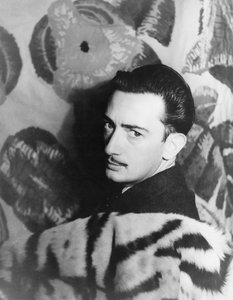
Salvador Dalí
1904 - 1989 , Spanje
Snelle feiten
- Artistic Movement Or Style: Surrealisme
- Artists Or Movements Influenced By This Artist:
- Pop art
- Hedendaagse kunstenaars
- Artists Who Influenced This Artist:
- Cubisme
- Dada
- Pablo Picasso
- Date Of Birth: 11 mei 1904
- Date Of Death: 23 januari 1989
- Full Name: Salvador Domingo Felipe Jacinto Dalí i Domènech
- Nationality: Spaans
- Notable Artworks:
- Persistence of Memory
- Juliet's Tomb
- Mannequin
- Place Of Birth (City And Country): Figueres, Spanje
Gerelateerde artikelen
Beyond Reality: The Dreamlike Magic of Surrealist Expression and the Subconscious Mind
Explore the profound beauty of Surrealism. From Dalí’s dreamscapes to the subconscious depths of expressionism, discover how masters captured the irrational mind through breathtaking, hand-painted fine art and historical insight.
Top 10 Meesterwerken in 'Paddestoel' Tinten: Kunst voor een Verfijnd Interieur
Ontdek 10 beroemde schilderijen in warme 'paddestoel' tinten! Van Gogh, Monet & meer. Laat je inspireren door kunstgeschiedenis en creëer een elegante sfeer met museumkwaliteit reproducties op OriginalUniqueArt.com.
Top 10 Meesterwerken in Zandkleuren: Kunst voor een Warm Interieur | OriginalUniqueArt.com
Ontdek 10 beroemde schilderijen die baden in zandkleuren! Van Monet tot Rembrandt, leer de verhalen achter deze meesterwerken. Vind museumkwaliteit kunst reproducties & interieurinspiratie op OriginalUniqueArt.com.
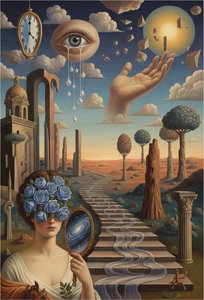
Top 10 Surrealistische Meesterwerken: Kunst die de Realiteit Uitdaagt | OriginalUniqueArt
Ontdek de 10 meest iconische surrealistische schilderijen van Dalí, Magritte & Miró. Duik in de droomwereld en onbewuste kunst met OriginalUniqueArt's collectie hoogwaardige reproducties. Vind jouw perfecte wandkunst! Explore the full collection online.

Beyond Reality: A Sophisticated Exploration of the Dreamlike Architecture in Surrealist Landscapes
Embark on a sophisticated journey through the dreamlike architecture of Surrealist landscapes. Uncover the profound psychological depths and visual paradoxes of masters like Salvador Dalí in this expert exploration of art’s most captivating, impossible vistas.


