Contemporary Minimalism · 2010
Untitled (Rudolf Stingel, 2010)
Rudolf Stingel (1956) maakte Untitled. Het dateert uit 2010. Het behoort tot de Contemporary Minimalism-stroming. Het is gemaakt van Acrylic On Canvas. Het is te vinden in Palazzo Grassi in Venetië, Italië. De afmetingen zijn 40 × 33 cm.
- 2010
- Acrylic On Canvas
- 40 × 33 cm
- Palazzo Grassi, Venetië

 Voorvertoning

 Met de hand geschilderd olieverfwerk
 Verstuur
 Delen
 Informatieblad


 Download
 Vergelijkbare items
 Röntgenonderzoek
 Diavoorstelling
 Vraag & antwoord

 Statistieken
Untitled, in het kort
- Titel
- Untitled
- Kunstenaar
- Rudolf Stingel (1956)
- Geboren in [jaar]
- Meran, Italië
- Datum
- 2010
- Medium
- Acrylic On Canvas
- Afmetingen
- 40 × 33 cm
- Te zien in
- Palazzo Grassi, Venetië, Italië
- Beweging
- Contemporary Minimalism
- Onderwerp
- texture, monochrome, sculpture, rhino, geometric, impasto
Wat stelt Untitled voor?
Rudolf Stingel’s ‘Untitled’: A Dialogue Between Medieval Iconography and Industrial Texture
Rudolf Stingel's oeuvre defies easy categorization, presenting an artist who consistently interrogates the boundaries between art and everyday life. His work isn’t merely aesthetically pleasing; it compels viewers to contemplate their own perceptions of beauty and artistic process—a deliberate provocation that distinguishes him from many contemporary practitioners. This essay delves into the conceptual core of ‘Untitled,’ examining its striking monochrome sculpture, exploring its fusion of disparate influences, and uncovering the profound emotional resonance embedded within its textured surface.The Sculpture’s Genesis: Material Transformation
Stingel's artistic approach begins with a radical reimagining of conventional materials. Rather than relying on traditional mediums like oil paint or marble, he utilizes industrial components—primarily styrofoam and cast polyurethane—to construct monumental sculptures that challenge preconceived notions about artistic expression. This deliberate selection speaks to Stingel’s fascination with the intersection between craft and industry, mirroring the broader cultural shift towards embracing repurposed materials and questioning established hierarchies within the art world. The process itself is equally significant: Stingel meticulously carves out geometric forms from these blocks of polyurethane, imprinting them with intricate patterns reminiscent of medieval iconography—a deliberate juxtaposition designed to disrupt visual expectations.Medieval Echoes: Symbolism and Iconographic Influence
The sculpture’s surface bears unmistakable traces of religious symbolism. Recurring motifs – crosses, halos, and stylized figures – echo the traditions of European art history, specifically referencing Byzantine icons and Renaissance frescoes. Stingel isn't attempting a literal representation; instead, he employs these symbols as points of reference to stimulate contemplation about faith, spirituality, and the enduring power of visual imagery. This layering of references elevates ‘Untitled’ beyond mere sculptural form, transforming it into a vehicle for conveying complex ideas about cultural heritage and artistic interpretation. The artist’s intention is not simply to reproduce recognizable images but to engage in a dialogue with art history itself.Texture as Emotional Resonance: Technique and Material Exploration
The sculpture's surface possesses an extraordinary tactile quality—a deliberate departure from the smooth, polished finishes typical of classical sculpture. Stingel employs a technique known as ‘carving out,’ where he removes material from the polyurethane block to reveal underlying textures that are then painstakingly smoothed and polished. This process creates surfaces that appear both monumental and subtly vulnerable, mirroring the artist’s exploration of materiality as an expressive medium. The resulting texture is deliberately uneven, capturing the marks of the carving process and emphasizing the physicality of the artwork—a conscious decision to counteract the perceived detachment of abstract sculpture and foster a connection between viewer and object.A Reflection on Perception: Artistic Intent
Ultimately, ‘Untitled’ serves as a meditation on how we perceive art and its relationship to our environment. Stingel's masterful manipulation of industrial material alongside classical iconography compels us to reconsider what constitutes beauty and artistic significance. The sculpture invites viewers to engage in an active process of interpretation—to consider the interplay between tradition and innovation, materiality and symbolism. It’s a testament to Stingel’s belief that art should provoke thought and emotion, pushing beyond mere visual gratification toward a deeper understanding of human experience.Concluding Thoughts: Beyond Representation
‘Untitled’ exemplifies Stingel's commitment to conceptual painting and installations—a genre characterized by its focus on ideas rather than literal depictions. He prioritizes the process of creation itself, demonstrating how readily available materials can be transformed into artworks that resonate with profound emotional depth. By juxtaposing industrial texture with religious iconography, Stingel compels us to confront our assumptions about art’s role in shaping cultural consciousness—a legacy that secures his place as one of the most distinctive voices in contemporary sculpture.In welk museum bevindt Untitled zich?
Palazzo Grassi
Venetië, Italië
Een Venetiaans Meesterwerk Heruitgevonden: De Ziel van Palazzo Grassi In het hart van Venetië, waar de Grote Canal geheimen fluistert van een voorbij maritiem imperium, staat Palazzo Grassi—een bouwwerk dat dient als een adembenemende brug tussen de klassieke elegantie van de achttiende eeuw en de provocerende hartslag van het hedendaagse tijdperk. De drempel overstappen betekent het betreden van een ruimte waar geschiedenis niet louter in het verleden verblijft, maar actief een dialoog aangaat met het heden. Oorspronkelijk ontworpen door de architect Giorgio Massari voor de aristocratische familie Grassi, werd het palazzo gecreëerd als een verfijnd statement van neoclassicistische grandeur.


Hoogwaardige afbeeldingen van Untitled

Protected by copyright: these files are for personal reference, not a licence to republish.
Rudolf Stingel, Untitled (2010), Palazzo Grassi.
Vragen over Untitled, beantwoord
Waar is "Untitled" door Rudolf Stingel tegenwoordig te zien?
Het originele "Untitled" door Rudolf Stingel wordt bewaard in Palazzo Grassi, Venetië, Italië. Een reproductie maakt het mogelijk om het werk thuis tentoon te stellen.
In welk jaar werd "Untitled" door Rudolf Stingel gemaakt?
"Untitled" door Rudolf Stingel werd gemaakt in 2010.
Met welke techniek is "Untitled" door Rudolf Stingel vervaardigd?
"Untitled" is uitgevoerd in Acrylic On Canvas.
Wat zijn de werkelijke afmetingen van "Untitled" door Rudolf Stingel?
De afmetingen van "Untitled" door Rudolf Stingel zijn 33 x 40 cm. Reproducties kunnen in andere formaten worden besteld met behoud van dezelfde verhoudingen.
Wat stelt "Untitled" voor?
"Untitled" door Rudolf Stingel toont: texture, monochrome, sculpture, rhino, geometric, impasto, religion.
Is de afbeelding van "Untitled" door Rudolf Stingel vrij van auteursrecht?
De auteursrechtelijke status van "Untitled" door Rudolf Stingel: het werk is nog steeds auteursrechtelijk beschermd. Dit bepaalt of reproducties van de afbeelding vrijelijk mogen worden gemaakt.
Wie heeft "Untitled" gemaakt?
De kunstenaar achter "Untitled" is Rudolf Stingel. Het werk is gecatalogiseerd onder de naam van Rudolf Stingel.
Tot welke stijl behoort "Untitled"?
"Untitled" door Rudolf Stingel behoort tot de Contemporary Minimalism-stroming. Deze stroming biedt de stilistische context van het werk.
Tot welke periode in de carrière van Rudolf Stingel behoort "Untitled"?
Binnen de carrière van Rudolf Stingel valt "Untitled" in de Late Period. Deze fase helpt om het werk te vergelijken met andere werken van de kunstenaar.
Over de kunstenaar, Rudolf Stingel
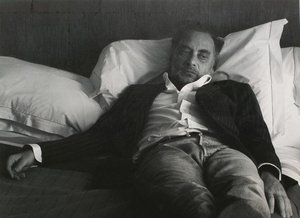
1956, Italië
Rudolf Stingel
Rudolf Stingel: Een Biografie Geboren: Merano, Italië (1956) Huidige verblijfplaats: New York City Nationaliteit: Italiaans Vroege Leven en Artistieke Ontwikkeling Rudolf Stingel brak eind jaren 80 door als een betekenisvol figuur binnen de internationale kunstwereld. In zijn beginperiode, voornamelijk tussen 1987 en 1994, werd hij vooral erkend om zijn monochrome schilderijen; werken met zilverachtige oppervlakken waarin subtiele ondertonen van rood, geel of blauw doorschemerden. Deze vroege fase legde de basis voor Stingels diepgewortelde fascinatie voor het verkennen van textuur en perceptie. In de jaren 90 onderging zijn artistieke ontwikkeling een cruciale wending toen hij begon te experimenteren met levendigere kleuren en complexere texturen.
Essays over Untitled
 Spontaneity and Matter: Distinguishing CoBrA from Art InformelMaster the differences between CoBrA and Art Informel with our expert guide. Learn to identify these post-war movements today.
 10 Iconic Masterpieces Defining the Contemporary Art EraExplore 10 iconic works defining the contemporary era. Discover museum-quality masterpieces on OriginalUniqueArt.com.
 Color & Emotion: The 25 Most Iconic Masterpieces by Mark RothkoImmerse yourself in the profound emotion of Abstract Expressionism. Explore 25 iconic Mark Rothko masterpieces, from his signature color fi…