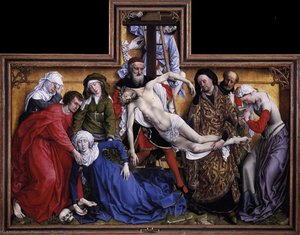
Voorvertoning
 Verstuur
 Delen
Delen
 Details bekijken
 Gids
Gids

 Download
 Vergelijkbare items
 Röntgenonderzoek
 Diavoorstelling
 Statistieken
The Last Judgment (detail)


 Lees meer
Giclée / Kunstafdrukken
Giclée- of canvasafdruk van museumkwaliteit met een snelle productie en flexibele afwerkingsmogelijkheden. ( Bestel handgeschilderde reproductie Schakel over naar digitale afbeeldingen)




P118B €10

P118H €10

P118W €10

P438Z €10

P508JH €12

P508YH €12

P805H €10

P805Z €10

P919BZ €10

P919G €10

P919XJ €10

P959ZH €10

P968JZ €12

W106C €8

W218G €10

W218JH €8

W218Y €10

W307PJ €10

W316G €10

W316PJ €8

W316Y €10

W398PJ €8

W4111J €10

W500HY €15

W500JH €15

W692G €12

W849H €8

W940BG €15

W953PJ €8




Kies uit onze vooraf ingestelde maten die overeenkomen met de originele verhoudingen van het kunstwerk.

Voer de gewenste breedte en hoogte in, passend bij uw lijst of muur. Een afdruk kan alleen worden ingekort en nooit groter worden gemaakt dan het origineel; een formaat met andere verhoudingen zal daarom een deel van de afbeelding verliezen. Wij sturen u een digitaal mockup ter goedkeuring voordat we tot drukwerk overgaan. De afbeelding op deze pagina toont niet de werkelijke uitsnede — dit is alleen te zien op het mockup.
Wereldwijde levering () binnen 2 weken in plaats van de standaard 4/5 weken. (26 oktober)

Gratis wereldwijde expressverzending

Hoogwaardig linnen canvas

Volledige verzendverzekering

Garantie op terugbetaling van invoerrechten

Garantie op exacte kleurweergave

Retourbeleid van 100 dagen (alleen bij defecten)

100% Geld-terug-garantie

Korting bij meerdere afnames
 De optie voor glas is alleen beschikbaar bij een formaat kleiner dan 110 cm.

The Last Judgment (detail)
Giclée / Kunstafdrukken
Afmetingen reproductie
-


Eindtotaal
€ 71
A Descent Into Eternity: Rogier van der Weyden’s ‘Last Judgment’ – A Window into Medieval Drama
Rogier van der Weyden's “The Last Judgment,” a detail from the magnificent Beaune Polyptych, is not merely a depiction of biblical narrative; it’s a visceral experience. Completed in 1446-1452 for Nicolas Rolin, Chancellor to Burgundy, this oil painting transcends its religious subject matter to become a profound meditation on mortality, judgment, and the eternal consequences of earthly choices. The scene unfolds within a dramatically lit space, reminiscent of a theatrical stage, immediately drawing the viewer into an intensely emotional drama. Van der Weyden’s mastery lies in his ability to imbue every figure with a palpable sense of urgency and despair – a testament to his profound understanding of human psychology.
The composition itself is arresting. At its heart stands Christ, not as a triumphant savior, but as the stern judge presiding over the final reckoning. His gaze is unwavering, radiating both authority and sorrow. Around him swirl a chaotic mass of souls – the saved ascending to heaven on the right, bathed in golden light, and the damned plunging into hell on the left, consumed by darkness and torment. The figures are rendered with an unprecedented level of realism for the period; their faces etched with anguish, their bodies contorted in agony or ecstasy. Van der Weyden’s meticulous attention to detail extends beyond mere likeness – he captures not just outward appearance but also the subtle nuances of emotion, conveying a depth of feeling rarely achieved in earlier religious art.
The Master's Technique: Precision and Passion
Van der Weyden was renowned for his technical virtuosity, honed initially through his apprenticeship as a goldsmith. This background instilled within him an unwavering commitment to precision and craftsmanship – qualities that are strikingly evident in “The Last Judgment.” The artist’s use of oil paint allowed for incredible subtlety and layering, creating textures that mimic the feel of fabric, skin, and metal with astonishing accuracy. Note particularly the intricate folds of the drapery, rendered with a painstaking realism that adds to the sense of drama and movement.
Furthermore, Van der Weyden’s mastery of *chiaroscuro* – the dramatic interplay of light and shadow – is central to the painting's impact. The stark contrast between the radiant heavens and the abyssal depths of hell serves not only to visually separate the two realms but also to heighten the emotional intensity of the scene. The use of color, too, is carefully considered; vibrant reds and golds denote salvation, while somber blues and blacks symbolize damnation. This deliberate manipulation of visual elements amplifies the painting’s narrative power.
Symbolism and Context: A Reflection of Burgundian Power
“The Last Judgment” was commissioned by Nicolas Rolin, a wealthy and powerful figure who sought to establish his legacy through lavish displays of piety and patronage. The polyptych itself – an altarpiece comprised of multiple panels – would have been displayed in the chapel of his hospital in Beaune, serving as both a devotional object for patients and a testament to his charitable works. The inclusion of figures like St. Sebastian (martyred for his faith) and St. Peter (the first pope) reinforces the painting’s theological message.
Beyond its religious significance, “The Last Judgment” offers a glimpse into the cultural anxieties of 15th-century Burgundy. The depiction of judgment, damnation, and salvation reflects a period marked by political instability, social unrest, and a growing preoccupation with mortality. The scene’s theatricality – reminiscent of medieval morality plays – suggests that Van der Weyden sought to engage viewers emotionally and intellectually, prompting them to contemplate their own fate.
A Timeless Echo: Reproduction and Artistic Legacy
OriginalUniqueArt is proud to offer meticulously crafted hand-painted reproductions of Rogier van der Weyden’s “The Last Judgment” detail. These reproductions capture the essence of the original – its dramatic intensity, technical brilliance, and profound emotional resonance – while providing a stunning addition to any art collection or interior space. Whether you are an art enthusiast, collector, or simply seeking a piece that evokes contemplation and wonder, our reproduction offers a unique opportunity to experience this masterpiece firsthand.
Consider how the painting’s powerful imagery can be integrated into your environment. The rich colors and dramatic lighting will undoubtedly command attention, creating a focal point that sparks conversation and invites reflection. Explore the details – the anguished faces, the swirling robes, the stark contrast between light and darkness – and allow yourself to be transported back to the heart of medieval drama.
Veelgestelde vragen
Kan ik "The Last Judgment (detail)" bekijken als een diavoorstelling op volledig scherm?
Er is een diavoorstelling beschikbaar op de Diavoorstelling-pagina van "The Last Judgment (detail)" door Rogier van der Weyden.
Welke afmeting wordt aanbevolen voor "The Last Judgment (detail)" in een Woonkamer?
De aanbevolen combinatie voor "The Last Judgment (detail)" door Rogier van der Weyden: een afdruk van Groot formaat in een Woonkamer.
Waar kan ik een voorproefje van "The Last Judgment (detail)" bekijken?
Om een reproductie van "The Last Judgment (detail)" door Rogier van der Weyden te bekijken, opent u de Voorvertoning pagina van het kunstwerk.
Biografie kunstenaar
A Master of Emotion: The Life and Legacy of Rogier van der Weyden
Rogier van der Weyden, initially known as Roger de la Pasture, was born around 1400 in the bustling city of Tournai, nestled within what is now Belgium. His early life remains somewhat shrouded in mystery, though it’s believed he began his artistic journey not with brush and pigment, but as a skilled goldsmith. This formative training instilled within him an unwavering dedication to meticulous detail and a refined sensibility for craftsmanship – qualities that would become the very hallmarks of his distinctive style. The precision demanded by working with precious metals undoubtedly translated into the exquisite rendering of textures, fabrics, and expressions that define his most celebrated masterpieces. He wasn’t merely depicting reality; he was recreating it with painstaking accuracy, imbued with an almost reverent attention to detail.From Tournai to Brussels: A Rising Star
By 1427, van der Weyden had ascended to the rank of master within the Guild of Saint Luke in Tournai – a significant milestone that solidified his position as a professional artist and opened doors to prestigious commissions. His career truly gained momentum when he entered the service of Philip the Good, Duke of Burgundy, in 1435. This patronage proved transformative, providing him with not only financial security but also invaluable access to an elite circle of influence and exposure to some of the most discerning eyes of the era. During this period, van der Weyden’s artistic vision underwent a remarkable evolution, moving away from the somewhat rigid conventions prevalent in earlier Netherlandish painting towards a more emotionally resonant and naturalistic approach. He wasn't simply painting religious scenes; he was striving to evoke genuine feeling in the viewer – to create an experience that transcended mere observation. His work began to reflect a deeper understanding of human psychology, capturing not just appearances but also the subtle nuances of emotion.The Language of Feeling: Style and Technique
Rogier van der Weyden’s artistic signature is immediately recognizable through several defining characteristics. His palette was remarkably rich and diverse, a vibrant tapestry of colors carefully chosen to avoid repetition and create depth and complexity within his compositions. He possessed an extraordinary ability to convey profound emotion – *pathos* – particularly in depictions of religious subjects like the Lamentation, where grief and sorrow are palpably present. This emotional intensity wasn’t achieved through dramatic gestures or exaggerated expressions; rather, it was subtly woven into the very fabric of the painting, conveyed through delicate nuances of facial expression, body language, and composition. His figures, while adhering to the conventions of the time, demonstrate a growing interest in realistic representation – not just in anatomy and drapery, but also in capturing the psychological states of his subjects. They possess a dignified, almost sculptural quality, particularly evident in his grand triptychs, lending them an air of solemnity and reverence. He masterfully employed oil paint, building up layers of translucent glazes to achieve luminous effects and create a sense of depth and realism that was revolutionary for its time. The use of *chiaroscuro*, the dramatic interplay of light and shadow, further enhanced the emotional impact of his works.Notable Works and Enduring Masterpieces
Throughout his prolific career, van der Weyden produced numerous works that stand as testaments to his artistic prowess. St Luke Drawing a Portrait of the Madonna, housed in the Museum of Fine Arts, Boston, showcases his mastery of oil on panel and meticulous observation. The Lamentation, residing in the Musée des Beaux-Arts Tournai, Belgium, is perhaps his most celebrated work – a powerfully emotive depiction of Christ’s mourning, renowned for its dramatic use of *chiaroscuro* and its ability to evoke profound sorrow in the viewer. Multiple versions of The Deposition exist, each demonstrating his skill in conveying grief and drama with breathtaking sensitivity. The Annunciation, a masterpiece of refined style and attention to detail, exemplifies his ability to imbue even the most traditional subjects with a sense of freshness and vitality. And finally, the intricate and richly detailed Bladelin Triptych stands as a monumental achievement – a complex altarpiece that showcases the full range of van der Weyden’s artistic abilities. These works, and many others, continue to captivate audiences today, solidifying his position as one of the most important painters of the 15th century.Lasting Influence: A Legacy Forged in Paint
Van der Weyden’s influence extended far beyond the borders of his native Flanders. His works were highly sought after throughout Europe, particularly in Italy and Spain, where they introduced a new level of emotional depth and naturalism to local artistic traditions. Although his fame experienced a period of relative decline in the 17th century, a rediscovery during the 19th century cemented his place as one of the most important painters of the 15th century. He stands alongside Jan van Eyck and Robert Campin as one of the “three great” Early Flemish masters, each contributing uniquely to the development of Northern Renaissance art. His innovative techniques and emotionally charged compositions paved the way for future generations of artists, inspiring countless imitators and influencing the course of Western painting for centuries to come. He helped establish oil painting as the dominant medium and elevated the status of the artist within society, transforming them from skilled craftsmen into revered creators. Rogier van der Weyden’s legacy continues to resonate today, a testament to his enduring genius and his profound understanding of the human condition.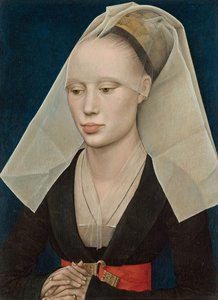
Rogier van der Weyden
1400 - 1464 , België
Belangrijkste feiten
- Artistic Movement Or Style: Vroege Nederlandse schilderkunst
- Artists Or Movements Influenced By This Artist:
- Italiaanse Renaissance
- Spaanse schilderkunst
- Artists Who Influenced This Artist:
- Robert Campin
- Jan van Eyck
- Date Of Birth: c. 1400
- Date Of Death: 1464
- Full Name: Rogier van der Weyden
- Nationality: Vlaams
- Notable Artworks:
- Lamentatie
- Aflegging
- Aanblik
- Place Of Birth: Tournai, België
Gerelateerde artikelen

Rogier van der Weyden: Emotion, Innovation & the Early Netherlandish Renaissance
Explore the revolutionary art of Rogier van der Weyden, a pivotal figure of the Early Netherlandish Renaissance. Discover his emotional realism, innovative compositions, and lasting impact on painting history.
Top 10 Meesterwerken van de Vroege Nederlandse Renaissance | Kunst & Decoratie
Ontdek de 10 meesterwerken van de Vroege Nederlandse Renaissance! Van Jan van Eyck tot Rogier van der Weyden, leer over hun techniek & symboliek. Vind museumkwaliteit kunst reproducties en decoratie-inspiratie op OriginalUniqueArt.com.

Rembrandt's Meesterwerken: De Top 25 – Kunst voor uw Interieur | OriginalUniqueArt
Ontdek de 25 meest iconische schilderijen van Rembrandt van Rijn! Duik in de Gouden Eeuw, bewonder zijn portretten & zelfportretten. Museumkwaliteit reproducties voor uw interieur op OriginalUniqueArt.com. Bekijk de collectie!

Hugo van der Goes: Devotion, Innovation & the Psychological Depth of Early Netherlandish Painting
Explore the revolutionary art of Hugo van der Goes – a master of Early Netherlandish painting renowned for his dramatic realism, psychological depth & profound influence on Renaissance artists. Discover his iconic works and lasting legacy.

Top 10 Meesterwerken van de Vroege Nederlandse Schilderkunst | OriginalUniqueArt
Ontdek de 10 meesterwerken van Jan van Eyck, Rogier van der Weyden & andere Vlaamse Primitieven. Duik in de rijke symboliek en olieverfschilderijen van de Vroege Nederlandse Schilderkunst. Vind museumkwaliteit reproducties op OriginalUniqueArt.com!