Tekstgrootte

() ·

Een schilderij speciaal voor u gemaakt, met de hand

Le Beau Monde

Handgemaakte olieverfreproductie

Met de hand geschilderd in olieverf op canvas in uw gewenste maat en lijst, op bestelling gemaakt door onze kunstenaars. ( Schakel over naar print Schakel over naar digitale afbeeldingen)

Beschrijving verzamelobject

Explore René Magritte’s 'Le Beau Monde,' a surreal masterpiece blending reality & illusion. Discover its dreamlike composition, unique style & timeless appeal. #Magritte #Surrealism

Biografie kunstenaar

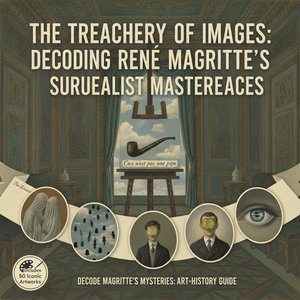
René Magritte (1898-1967): Belgische surrealist meester van dromerige kunstwerken, bekend om 'De Trecheerschap van Beelden' en 'Tijd in Beweging'. Ontdek zijn mysterieuze wereld!

vanaf ·

Hoofdstuk 1

Hoe groot moet het zijn?

Schuif om de afmetingen te wijzigen; de afbeelding aan de linkerzijde toont de lijst in de werkelijke breedte. De oorspronkelijke verhoudingen blijven behouden.

Standaardformaat
op maat gemaakt
CM
INCH

Kies uit onze vooraf ingestelde maten die overeenkomen met de originele verhoudingen van het kunstwerk.

breedte
hoogte

Voer de breedte en hoogte in die u nodig heeft, passend bij uw lijst of uw muur. Omdat dit handgeschilderd is, kan de kunstenaar bij een afmeting met een andere beeldverhouding iets meer rondom het schilderij schilderen of juist iets meer weglaten — u kiest zelf. Wij sturen u een digitaal mockup ter goedkeuring voordat het schilderwerk begint. De afbeelding die op deze pagina wordt getoond, is niet het uiteindelijke resultaat — alleen de mockup geeft dit weer.


Hoofdstuk 2

Hoe moet het worden geleverd?

Kies de randen van het canvas

Kies uw lijst

Corner sample of the WhiteWrap canvas edge finish, stretched on massief hout bars
Wit €1
Corner sample of the BlurSideWrap canvas edge finish, stretched on massief hout bars
Vervagende randen €1
Corner sample of the ExtendedWrap canvas edge finish, stretched on massief hout bars
Doorlopende rand €1
Corner sample of the P118B picture frame: gegoten polystyreen, 5 cm wide and 3 cm thick
P118B €10
Corner sample of the P118H picture frame: gegoten polystyreen, 5 cm wide and 3 cm thick
P118H €10
Corner sample of the P118W picture frame: gegoten polystyreen, 5 cm wide and 3 cm thick
P118W €10
Corner sample of the P438Z picture frame: gegoten polystyreen, 5.5 cm wide and 3.5 cm thick
P438Z €10
Corner sample of the P508JH picture frame: gegoten polystyreen, 7 cm wide and 3.5 cm thick
P508JH €12
Corner sample of the P508YH picture frame: gegoten polystyreen, 7 cm wide and 3.5 cm thick
P508YH €12
Corner sample of the P805H picture frame: gegoten polystyreen, 5 cm wide and 3.5 cm thick
P805H €10
Corner sample of the P805Z picture frame: gegoten polystyreen, 5 cm wide and 3.5 cm thick
P805Z €10
Corner sample of the P919BZ picture frame: gegoten polystyreen, 7 cm wide and 3.5 cm thick
P919BZ €10
Corner sample of the P919G picture frame: gegoten polystyreen, 7 cm wide and 3.5 cm thick
P919G €10
Corner sample of the P919XJ picture frame: gegoten polystyreen, 7 cm wide and 3.5 cm thick
P919XJ €10
Corner sample of the P959ZH picture frame: gegoten polystyreen, 5 cm wide and 3 cm thick
P959ZH €10
Corner sample of the P968JZ picture frame: gegoten polystyreen, 6 cm wide and 4 cm thick
P968JZ €12
Corner sample of the W106C picture frame: massief hout, 5 cm wide and 3 cm thick
W106C €8
Corner sample of the W218G picture frame: massief hout, 5 cm wide and 3 cm thick
W218G €10
Corner sample of the W218JH picture frame: massief hout, 5 cm wide and 3 cm thick
W218JH €8
Corner sample of the W218Y picture frame: massief hout, 5 cm wide and 3 cm thick
W218Y €10
Corner sample of the W307PJ picture frame: massief hout, 6 cm wide and 3 cm thick
W307PJ €10
Corner sample of the W316G picture frame: massief hout, 6 cm wide and 3 cm thick
W316G €10
Corner sample of the W316PJ picture frame: massief hout, 6 cm wide and 3 cm thick
W316PJ €8
Corner sample of the W316Y picture frame: massief hout, 6 cm wide and 3 cm thick
W316Y €10
Corner sample of the W398PJ picture frame: massief hout, 5 cm wide and 3 cm thick
W398PJ €8
Corner sample of the W4111J picture frame: massief hout, 6.5 cm wide and 3.5 cm thick
W4111J €10
Corner sample of the W500HY picture frame: massief hout, 7 cm wide and 5 cm thick
W500HY €15
Corner sample of the W500JH picture frame: massief hout, 7 cm wide and 5 cm thick
W500JH €15
Corner sample of the W692G picture frame: massief hout, 8 cm wide and 4 cm thick
W692G €12
Corner sample of the W849H picture frame: massief hout, 5 cm wide and 3 cm thick
W849H €8
Corner sample of the W940BG picture frame: massief hout, 7.5 cm wide and 4.5 cm thick
W940BG €15
Corner sample of the W953PJ picture frame: massief hout, 6 cm wide and 3.5 cm thick
W953PJ €8
Corner sample of the H24-GOLD picture frame: gesneden hout met gesso, 10 cm wide and 6 cm thick
H24-GOLD €30
Corner sample of the H24-SILVER picture frame: gesneden hout met gesso, 10 cm wide and 6 cm thick
H24-SILVER €30
Corner sample of the H36-GOLD picture frame: gesneden hout met gesso, 15 cm wide and 6.5 cm thick
H36-GOLD €45
Corner sample of the H36-SILVER picture frame: gesneden hout met gesso, 15 cm wide and 6.5 cm thick
H36-SILVER €45
Lijstvoorbeeld
Ingelijst

Lijstrand: . Totale afmetingen inclusief lijst: .

Hoofdstuk 3

Wie schildert het, en moet er iets veranderen?

Voorbeelden van wat aangepast kan worden: Vervang het gezicht door een foto van de klant; Voeg een huisdier toe (bijv. vervang de kat door een hond); Voeg een verborgen boodschap toe aan de achtergrond; Wijzig het landschap of de elementen in de achtergrond.
Na de bestelling zal het team van OriginalUniqueArt.com per e-mail contact opnemen met de klant voor instructies en een mockup-voorbeeld verstrekken

Wereldwijde levering () binnen 3 tot 4 weken in plaats van de standaard 5 weken. (7 november). Zonder concessies aan de kwaliteit.

Hoofdstuk 4

De laatste hand aan

Een naambordje, zoals in een museum?

Details van de gegraveerde bronzen plaat

This elegant plaque features the artist's name and the title of the artwork, finely engraved for a timeless presentation.

It is made from bronze with a refined, elegant finish. The text is precisely laser-engraved for a sharp and permanent result. Measuring 9x2 cm, the plaque is compact yet easy to read. It's built to be durable and scratch-resistant, offering a professional, museum-quality look. Mounting is simple thanks to the included adhesive backing.

Details transparante acrylplaat

The plaque includes essential engraved details such as the artist's name, the title of the artwork, the date it was created, the type of media used-like oil on canvas or watercolor-a brief description of the piece, and a QR code that links to the complete artwork information.

It is crafted from clear acrylic, offering a sleek, modern appearance. The text is UV-engraved in black to ensure strong visual contrast. With a size of 10x15 cm, it ensures optimal readability. It comes equipped with two metal hooks for secure wall mounting. The plaque is designed to be weather-resistant, making it suitable for various environments, and it includes interactive features that work seamlessly with smartphone scanning.

Details zwarte acrylplaat

This elegant plaque includes engraved information such as the artist's name, the title of the artwork, the date it was created, the type of media used (like oil on canvas or watercolor), a short description of the artwork, and a QR code for quick access to more information.

The plaque itself is made from refined black acrylic with a premium finish. The text is laser-engraved in white for high contrast and readability. Its size is 10x15 cm, designed to be easy to read. It comes with two metal hooks for professional mounting. The design is sleek and fits any interior style. It is also weather-resistant and durable, with built-in digital integration for mobile compatibility.

Een beschermende vernis?

Wanneer heeft u het nodig?

Hoofdstuk 5

Uw schilderij, zoals u het heeft besteld

Le Beau Monde

Druktechniek

Afmetingen reproductie

-

Geselecteerde topkunstenaars

Meer detail, verfijning en extra productietijd

-

Lijst voor reproductie

-

-

Voor kunstwerken of reproducties die aan één zijde groter zijn dan 105 cm (ongeveer 41 inch), wordt de lijst als een losse set verzonden. Deze methode garandeert een veilige levering en voorkomt schade tijdens het transport.

Professionele montage vereist - dit is geen doe-het-zelfproduct.
De set moet worden gemonteerd en het canvas moet worden gespannen door een ervaren professionele lijstenmaker, met gebruik van houtlijm (niet inbegrepen), een doekspanter en klemmen om de sponningen recht te houden terwijl de lijm droogt. Onjuiste montage of een ongelijkmatige spanning op het canvas kan het kunstwerk permanent beschadigen en wordt niet gedekt door onze garantie.

  • Alle massief houten onderdelen zijn inbegrepen, nauwkeurig op maat gesneden voor montage.

  • Te monteren met de meegeleverde schroeven, plus houtlijm voor de hoekverbindingen, die niet wordt meegeleverd en door uw lijstenmaker moet worden aangeschaft.

  • Professioneel gereedschap is vereist en niet inbegrepen: een spanner voor canvas en klemmen om de latten recht te houden terwijl de lijm droogt.

Belangrijk:
De hoekverbindingen vereisen houtlijm, de latten moeten met lijmklemmen worden vastgehouden tot de lijm volledig is opgedroogd, en het spannen van het canvas op het samengestelde frame vereist een doekspanter. Geen van deze artikelen is inbegrepen in de set. Wij adviseren u om een ervaren professionele lijstenmaker te raadplegen voordat u deze maat bestelt.

Naamplaatje

-

-

Beschermende vernislaag

Glanzende vernis (versterkt de kleuren en biedt bescherming tegen licht en vocht)

-

Mijn kunstwerk aanpassen

Voorbeelden van aanpassingen: vervang het gezicht door een eigen foto; voeg een huisdier toe (bijv. vervang de kat door een hond); verwerk een verborgen boodschap in de achtergrond; wijzig het landschap of andere elementen op de achtergrond.

-

Spoedlevering

Wereldwijde levering () binnen 3 tot 4 weken in plaats van de standaard 5 weken. (7 november). Geen concessies aan de kwaliteit.

-

Spoedlevering

Wereldwijde levering naar binnen 5 weken. (14 november).

Inbegrepen

Eindtotaal

€ 268

Totaalprijs € 268

De optie voor glas is alleen beschikbaar bij een formaat kleiner dan 110 cm.

Inbegrepen bij elke bestelling

  • Gratis wereldwijde expressverzending
  • Hoogwaardig linnen canvas
  • Volledige verzendverzekering
  • Garantie op terugbetaling van invoerrechten
  • Garantie op exacte kleurweergave
  • Retourbeleid van 100 dagen (alleen bij defecten)
  • 100% Geld-terug-garantie
  • Korting bij meerdere afnames

Le Beau Monde: A Surrealist Reverie by René Magritte

Le Beau Monde (“The Beautiful World”) is a quintessential example of René Magritte’s signature surrealist style, inviting viewers into a world where the familiar becomes unsettlingly strange. Painted sometime during his prolific career, this work encapsulates Magritte's lifelong exploration of perception, reality, and the power of representation.

Subject & Composition

The painting presents an impossible scene: a large, rectangular prism seemingly suspended in a cloud-filled sky. Draped with vibrant blue curtains – suggesting an interior space inexplicably existing outdoors – the prism dominates the composition. Below, on a flat plane that could be land or simply another surface, rests a single green apple and a small plant. This juxtaposition of elements—the architectural form against the natural world, the indoor versus outdoor—creates a deliberate sense of disorientation. The verticality of the prism and curtains is powerfully contrasted by the expansive horizontality of the sky and ground plane, drawing the eye upwards while simultaneously grounding it with the earthly objects below.

Style & Technique

Magritte masterfully employs a realistic technique to depict utterly unrealistic scenarios. His brushwork is meticulous, rendering each element – from the texture of the clouds to the sheen on the apple – with precise detail. This hyperrealism amplifies the surreal effect; by presenting illogical combinations with such clarity, Magritte forces us to question what we see and how we interpret it. The painting’s style firmly places it within the Surrealist movement, which sought to unlock the creative potential of the unconscious mind.

Historical Context & Influences

Born in Belgium in 1898, René Magritte initially experimented with Impressionism and Futurism before fully embracing Surrealism in the 1920s. He was deeply influenced by the writings of Sigmund Freud and sought to visually represent the illogicality and dreamlike quality of the subconscious. Unlike some Surrealists who embraced automatism (spontaneous creation), Magritte favored a more calculated approach, carefully constructing his images with precise symbolism. His work emerged during a period of significant social and political upheaval, reflecting a broader sense of uncertainty and disillusionment following World War I.

Symbolism & Interpretation

The symbolism in Le Beau Monde is deliberately ambiguous, inviting multiple interpretations. The prism could represent the constraints of human perception or the artificial structures we impose on reality. The curtains hint at concealment and illusion – what lies *behind* the perceived world? The apple, a recurring motif in Magritte’s work, often symbolizes temptation, knowledge, or simply the everyday object elevated to symbolic significance. The overall effect is one of quiet mystery, prompting viewers to contemplate the nature of reality itself.

Emotional Impact & Aesthetic Appeal

Le Beau Monde evokes a sense of both wonder and unease. The dreamlike quality of the painting creates a captivating atmosphere, while its inherent illogicality challenges our expectations. Its restrained color palette – blues, greens, and soft whites – contributes to the overall mood of serenity tinged with melancholy. This artwork is not merely a visual experience; it’s an invitation to philosophical contemplation.

Collecting & Interior Design

A reproduction of Le Beau Monde would be a striking addition to any art collection or interior space. Its surrealist aesthetic lends itself well to modern and contemporary settings, adding a touch of intellectual sophistication and visual intrigue. The painting’s cool color palette complements minimalist décor while providing a captivating focal point. It's an ideal piece for those seeking artwork that sparks conversation and encourages deeper thought.

Veelgestelde vragen

Zijn de kleuren van "Le Beau Monde" door René Magritte verzadigd of gedempt?

Het kleurenpalet van "Le Beau Monde" heeft een verzadiging van Subtle Color.

Hoe past "Le Beau Monde" binnen de thema's en stijl van René Magritte?

"Le Beau Monde" behoort tot het Surrealism-werk van René Magritte, waarvan de bekende thema's onder meer duchamp's readymades, magical realism", symbolist imagery, questioning perception, existential themes, "recurr, exploration of the mind omvatten.

Voor welke ruimte wordt "Le Beau Monde" door René Magritte aanbevolen?

Een reproductie van "Le Beau Monde" past uitstekend in een Living Room.

Meer over dit schilderij

Voorvertoning Bekijk in AR Schakel over naar print Schakel over naar digitale afbeeldingen Verstuur
Details bekijken Gids Toevoegen aan favorieten Download Vergelijkbare items Röntgenonderzoek Diavoorstelling Vraag & antwoord Statistieken

In cijfers

  • 29lijsten om uit te kiezen
  • standaardmaten, in hun eigen verhoudingen
  • 5weken om te schilderen en te leveren

Over het origineel

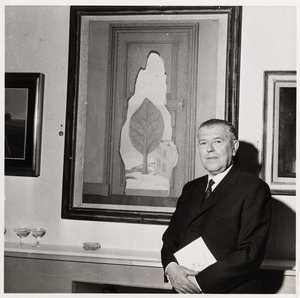
René Magritte

René Magritte

1898 - 1967, België

Snelle feiten over René Magritte

  • Artistic Movement Or Style: Surrealisme
  • Artists Or Movements Influenced By This Artist:
    • Pop art
    • Minimalisme
  • Artists Who Influenced This Artist: ['Giorgio de Chirico']
  • Date Of Birth: 21 november 1898
  • Date Of Death: 15 augustus 1967
  • Full Name: René François Ghislain Magritte
  • Nationality: Belgisch
  • Notable Artworks:
    • De Lovers
    • Treurkaart
    • Tijd verstijfd
  • Place Of Birth: Lessines, België

Biografie kunstenaar

Early Life and the Seeds of Surrealism

René Magritte, geboren René François Ghislain Magritte op 21 november 1898 in Lessines, België, kwam in een wereld terecht die zijn enigmatische artistieke visie diepgaand zou vormen. Zijn vroege jaren werden gekenmerkt door een onheilspellend incident – de zelfmoord van zijn moeder toen hij slechts dertien jaar oud was. Het beeld van haar lichaam dat uit de Samber werd opgegraven, met haar jurk die haar gezicht bedekte, werd een spookachtig motief dat subtiel terugkeerde in zijn latere werk, zich manifesteerde in verduisterde figuren en een voortdurende zoektocht naar verborgen realiteiten. Deze vroege trauma’s zaaiden een fascinatie met mysterie, verlies en de verstikkende kracht van wat onthuld blijft. Hoewel details van zijn jeugd enigszins ongrijpbaar zijn, is duidelijk dat deze vormende ervaring de basis legde voor zijn levenslange vraaging naar perceptie en representatie. Hij begon op tienjarige leeftijd met tekenen, wat een innige neiging tot visuele expressie onthulde, maar experimenteerde aanvankelijk met Impressionisme voordat hij een pad insloeg dat hem zou leiden tot het worden van een van de meest significante figuren in de Surrealistische kunst.

Artistic Development and Influences

Magritte’s artistieke reis was niet direct of rechtlijnig. Hij studeerde aan de Académie Royale des Beaux-Arts in Brussel, maar vond de traditionele methoden daar verstikkend. Zijn vroege werk experimenteerde met Futurisme en Cubisme, waardoor elementen van deze avantgardistische bewegingen werden opgenomen, maar uiteindelijk weigerde hun puur formele bezorgdheid. Het was pas in 1922, toen hij de schilderij *The Song of Love* van Giorgio de Chirico ontmoette, dat Magritte een resonatie ontdekte die zijn artistieke koers onherstelbaar zou veranderen. De Chirico’s dromerige landschappen en verontrustende juxtaposities openden voor Magritte een nieuwe manier van kijken – een wereld waar het bekende vreemd kon worden gemaakt, en het alledaagse met diepe mystiek werd ingezaaid. Dit ontmoeting leidde tot zijn toewijding aan Surrealisme, hoewel hij vaak een unieke afstand behield van de meer expliciet psychologische of automatische aspecten ervan. Hij prefereerde een nauwkeurige, bijna klinische precisie in zijn schilderkunst, waarbij hij realistische technieken gebruikte om illogische scenario’s weer te geven.

The Heart of Surrealism: Challenging Reality

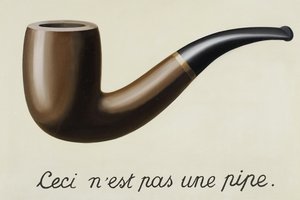
Vanaf 1926 had Magritte zich volledig ingezet voor de principes van Surrealisme, waarbij hij *Le Jockey Perdu (The Lost Jockey)* produceerde, die breed wordt beschouwd als zijn eerste echt surrealistische werk. Echter, zijn soort Surrealisme was uniek. Hij was niet geïnteresseerd in het verkennen van het onbewuste door vrije associatie of dromerige beelden zoals sommige van zijn tijdgenoten. In plaats daarvan zocht Magritte naar een manier om de perceptie van de werkelijkheid uit te dagen door alledaagse objecten in onverwachte contexten te presenteren, waardoor kijkers werden aangemoedigd hun aannames over de wereld om hen heen in twijfel te trekken. Iconische werken zoals *The Treachery of Images (This is not a pipe)* (1929) ontleden het relatie tussen beeld en object briljant, herinnerend ons dat een representatie nooit het ding zelf is. *Les Amants (The Lovers)* (1927-1928), met zijn verduisterde figuren, echoë de trauma’s van zijn moeder dood terwijl tegelijkertijd intimiteit en verborgenheid worden onderzocht. *Time Transfixed* (1938) presenteert een locomatief die door een bakstenen muur barst, waardoor onze perceptie van ruimte en tijd wordt verstoord. En *The Human Condition* (1933), een doek in een doek, vervaagt de grenzen tussen representatie en werkelijkheid, waardoor we worden aangemoedigd om te overwegen hoe we de wereld waarnemen en interpreteren.

Later Life, Recognition, and Enduring Legacy

Ondanks initiële moeilijkheden met erkenning, kreeg Magritte’s werk geleidelijk aan meer bekendheid, vooral in de Verenigde Staten door tentoonstellingen in 1936 en latere retrospectieve tentoonstellingen op het Museum of Modern Art (1965) en het Metropolitan Museum of Art (1992). Hij bleef politiek actief gedurende zijn hele leven, waarbij hij artistieke autonomie verdedigde. Hij bleef zijn kenmerkende stijl verfijnen, thema’s van herhaling, illusie en de kracht van taal onderzoeken in schilderijen die zowel intellectueel stimulerend als visueel aantrekkelijk zijn. Magritte stierf op 15 augustus 1967, waardoor een oeuvre achterbleef dat nog steeds kijkers wereldwijd fascineert en uitdaagt. Zijn invloed strekt zich verder uit dan de schilderkunst, beïnvloedt pop art, minimalistische kunst, conceptuele kunst en zelfs reclame en film. Vandaag de dag worden zijn schilderijen in belangrijke museumcollecties over de hele wereld gehouden, waaronder de Musées royaux des beaux-arts de Belgique in Brussel, die het Magritte Museum herbergen – gewijd geheel aan zijn werk en dat de grootste collectie van zijn creaties bezit.
  • Museum Collecties: Musées royaux des beaux-arts de Belgique, Brussels; Magritte Museum.
Magritte’s blijvende nalatenschap ligt in zijn vermogen om ons op een nieuwe manier te laten zien, om onze aannames over de werkelijkheid in twijfel te trekken en om te waarderen hoe kunst kan provoceren en wonder inspireren. Hij schilderde niet alleen beelden; hij creëerde visuele paradoxen die decennia na hun creatie nog steeds resoneren bij kijkers, waardoor zijn positie als een ware meester van Surrealisme en een sleutelfiguur in de 20e eeuwse kunst wordt versterkt.

Snelle feiten

  • subject: Ambiguous; perception, reality, representation
  • notable elements: Floating rectangular prism with blue curtains, green apple, plant, clouds
  • title: Le Beau Monde
  • style: Surrealist, realistic rendering with illogical juxtapositions

Kunstquiz

Er is slechts één goed antwoord op elke vraag.

Vraag 1:
René Magritte is most closely associated with which artistic movement?
Vraag 2:
What is a prominent, unusual element depicted in 'Le Beau Monde'?
Vraag 3:
Magritte often aimed to challenge viewers’ perceptions. How does ‘Le Beau Monde’ achieve this?
Vraag 4:
The composition of 'Le Beau Monde' utilizes strong contrasts between which types of lines?
Vraag 5:
What is a likely medium used in the creation of 'Le Beau Monde'?