

 Bekijk op ware grootte
 Verstuur
 Delen
Delen
 Details bekijken
 Gids voor studentenkunstwerken

 Download
 Vergelijkbare items
 Röntgenonderzoek
 Diavoorstelling
 Statistieken
An Officer
 Olieverf op paneel
- Dutch Golden Age
 1629
1629- Renaissance
 65.0 x 51.0 cm
 Lees meer
Handgemaakte olieverfreproductie
Met de hand geschilderd in olieverf op canvas in uw gewenste maat en lijst, op bestelling gemaakt door onze kunstenaars. ( Schakel over naar print Schakel over naar digitale afbeeldingen)




P118B $10

P118H $10

P118W $10

P438Z $10

P508JH $12

P508YH $12

P805H $10

P805Z $10

P919BZ $10

P919G $10

P919XJ $10

P959ZH $10

P968JZ $12

W106C $8

W218G $10

W218JH $8

W218Y $10

W307PJ $10

W316G $10

W316PJ $8

W316Y $10

W398PJ $8

W4111J $10

W500HY $15

W500JH $15

W692G $12

W849H $8

W940BG $15

W953PJ $8




Kies uit onze vooraf ingestelde maten die overeenkomen met de originele verhoudingen van het kunstwerk.

U kunt uw eigen afmetingen invoeren om in een specifieke lijst of ruimte te passen. Als de door u gekozen maat niet overeenkomt met de verhoudingen van het originele beeld, zullen we het kunstwerk bijsnijden of het schilderij uitbreiden met extra handgeschilderde elementen. Een digitale mockup wordt ter goedkeuring naar u verzonden voordat de productie begint.
Houd er rekening mee dat de preview op het scherm niet de werkelijke uitsnede of uitbreiding weergeeft. Alleen de mockup toont de uiteindelijke compositie nauwkeurig.
Hoewel aangepaste afmetingen mogelijk zijn, raden we aan een maat uit de vooraf gedefinieerde lijst te selecteren om de originele verhoudingen te behouden.
Na de bestelling zal het team van OriginalUniqueArt.com per e-mail contact opnemen met de klant voor instructies en een mockup-voorbeeld sturen.
Wereldwijde levering () binnen 3 tot 4 weken in plaats van de standaard 5 weken. (25 september). Zonder concessies aan de kwaliteit.

Gratis wereldwijde expressverzending

Hoogwaardig linnen canvas

Volledige verzendverzekering

Garantie op terugbetaling van invoerrechten

Garantie op exacte kleurweergave

Retourbeleid van 100 dagen (alleen bij defecten)

100% Geld-terug-garantie

Korting bij meerdere afnames
 De optie voor glas is alleen beschikbaar bij een formaat kleiner dan 110 cm.

An Officer
Reproductiemethode
Formaat reproductie
-


Totaalprijs
$ 300
Rembrandt’s Enigmatic Officer: A Study in Light, Shadow, and Authority
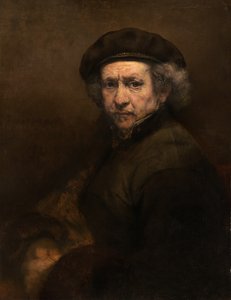
Rembrandt van Rijn's "An Officer," painted in 1629, is more than just a portrait; it’s a carefully constructed meditation on power, duty, and the subtle language of observation. This oil-on-panel masterpiece, measuring a modest 65 x 51 cm, belies its small scale with an immense emotional depth – a testament to Rembrandt's unparalleled ability to distill complex human character onto a single canvas. The painting immediately draws the viewer in, not through overt grandeur or flamboyant display, but through a masterful manipulation of light and shadow, a technique known as chiaroscuro that defines Rembrandt’s signature style. Notice how the officer’s face, bathed in a warm, golden glow, emerges from the surrounding darkness, creating an immediate sense of intimacy despite his formal stance. This isn't merely illumination; it’s a deliberate choice to highlight key features – the stern set of his jaw, the watchful gaze directed squarely at the viewer – inviting us into his world and prompting questions about his thoughts and motivations. The historical context surrounding "An Officer" is crucial to understanding its deeper meaning. Painted during the Dutch Golden Age, a period of immense prosperity and burgeoning artistic innovation, the portrait depicts a military figure clad in the attire of the time: a richly adorned hat featuring a prominent feather, indicative of rank and status, and clothing reflecting the formal standards of 17th-century military regalia. Rembrandt wasn’t simply recording a likeness; he was capturing an era – a moment in history where military prowess and social standing were inextricably linked. The officer's posture, rigid yet controlled, speaks volumes about the expectations placed upon those holding authority. He embodies a sense of duty, discipline, and perhaps even a hint of melancholy, qualities that resonate powerfully across centuries. The details—the meticulously rendered buttons, the subtle folds in his clothing—are not mere decorative flourishes; they are carefully chosen elements contributing to the overall narrative of power and responsibility. Rembrandt’s technical brilliance is evident in every brushstroke. The chiaroscuro technique isn't just a stylistic choice; it’s integral to the painting’s emotional impact. The stark contrast between light and dark doesn’t simply create depth, but also serves to isolate the officer, emphasizing his solitude and contemplation. Observe how Rembrandt uses subtle gradations of tone – the hazy edges of the background, the delicate shading on the officer's face—to build a sense of realism and immediacy. This masterful control over light allows him to imbue the portrait with an almost palpable atmosphere, inviting us to step into the scene and witness this moment in time. Furthermore, Rembrandt’s use of impasto – thick applications of paint – adds texture and physicality to the canvas, grounding the image and enhancing its visual impact. The painting's legacy extends far beyond its initial creation. "An Officer" is now housed within The Museum Oskar Reinhart (Winterthur, Switzerland), a treasure trove of European art, alongside other notable works by Rembrandt such as “Repentant Judas Returning The Pieces Of Silver” and “Self Portrait at the Age about 23”. These pieces offer a fascinating glimpse into Rembrandt’s artistic evolution and his enduring fascination with human nature. The availability of meticulously crafted oil painting reproductions from OriginalUniqueArt.com allows art enthusiasts to experience the beauty and power of this masterpiece in their own homes, bringing a touch of Dutch Golden Age artistry into contemporary spaces. Consider how the rich tones and dramatic lighting would complement a variety of interior design styles – from classic and formal to modern and minimalist. Reproductions like “Repentant Judas Returning The Pieces Of Silver” and “Self Portrait at the Age about 23” showcase Rembrandt’s versatility, demonstrating his ability to capture both profound emotion and striking realism.The Symbolism of Feathered Regalia and Stern Expression
Beyond its technical mastery and historical context, "An Officer" is rich in symbolic meaning. The feather adorning the officer's hat isn’t merely a decorative element; it represents rank, authority, and military distinction – a visual shorthand for his position within the social hierarchy. Feathers were historically associated with nobility and leadership, signifying power and prestige. The placement of the feather is deliberate, drawing attention to the officer’s head and emphasizing his role as a figure of command. Equally significant is the officer's expression: stern, watchful, and perhaps even slightly melancholic. This isn’t a triumphant or boastful portrayal; rather, it conveys a sense of responsibility, duty, and possibly a quiet awareness of the burdens associated with leadership. The subtle downturn of his mouth suggests a degree of introspection – a recognition that power comes with both privilege and obligation. Rembrandt masterfully uses this combination of visual cues to create a portrait that is both compellingly realistic and deeply symbolic.A Window into the Dutch Golden Age: Military Life and Social Hierarchy
“An Officer” offers a fascinating glimpse into the social and military landscape of the Dutch Golden Age. The meticulous detail with which Rembrandt depicts the officer’s attire—the specific cut of his coat, the intricate embroidery on his hat, the polished sheen of his boots—reflects the importance of appearance and status within 17th-century society. Military officers held a prominent position in the Republic's defense forces, and their clothing served as a visible symbol of their authority and social standing. The painting also subtly hints at the complex relationship between military power and civilian governance during this period. The officer’s stern expression suggests a sense of vigilance and preparedness—a reminder that the Dutch Republic was constantly facing external threats. Rembrandt's ability to capture both the formality and the underlying tension of this era is truly remarkable.Bringing Rembrandt’s Masterpiece Home: OriginalUniqueArt.com Reproductions
OriginalUniqueArt.com offers exceptional, hand-painted oil painting reproductions of "An Officer," allowing art lovers to own a piece of history and bring Rembrandt's genius into their homes. These meticulously crafted reproductions capture the essence of the original – the dramatic chiaroscuro, the subtle nuances of expression, and the rich textures of the canvas. Each reproduction is created by skilled artists using traditional techniques and high-quality materials, ensuring that it faithfully replicates the beauty and impact of the original masterpiece. Whether you’re a seasoned art collector or simply seeking to add a touch of timeless elegance to your décor, OriginalUniqueArt.com's reproductions provide an unparalleled opportunity to experience the enduring legacy of Rembrandt van Rijn. Explore our selection of "Repentant Judas Returning The Pieces Of Silver" and “Self Portrait at the Age about 23” for further inspiration.Biografie van de kunstenaar
Een Leven in Licht en Schaduw: De Wereld van Rembrandt van Rijn
Rembrandt Harmenszoon van Rijn, een naam die onlosmakelijk verbonden is met de Nederlandse Gouden Eeuw en de beheersing van licht en schaduw, werd geboren in Leiden op 15 juli 1606. Zijn komst viel samen met een periode van ongekende welvaart en artistieke bloei voor de jonge republiek, een klimaat dat zijn leven en werk diepgaand zou beïnvloeden. Als zoon van een molenaar, Harmen Gerritszoon van Rijn, en Neeltgen Willemsdochter van Zuytbrouck, uit een bakkersfamilie, ontving Rembrandt onderwijs aan de Latijnse School in Leiden, wat hem een basis legde in klassieke kennis die later subtiel zijn artistieke verhalen zou informeren. Zijn vroege artistieke neigingen leidden tot leerperiodes – eerst bij Jacob van Swanenburg in Leiden rond 1620 en vervolgens, cruciaal, een periode van zes maanden studie onder Pieter Lastman in Amsterdam vanaf 1624. Het was juist Lastmans dramatische gebruik van licht en schaduw, zijn dynamische composities vol historische en Bijbelse scènes, die een vonk ontstak bij de jonge Rembrandt en hem op weg zette naar artistieke vernieuwing. Na terugkeer in Leiden stichtte hij een studio samen met medekunstenaar Jan Lievens, waarmee een buitengewone carrière begon.
Van Leidse Erkenning tot Amsterdamse Omhelzing
Rembrandt verwierf snel erkenning in zijn geboortestad om zijn historische schilderijen en portretten, waarbij hij al vroeg talent toonde in het vastleggen van zowel fysieke gelijkenis als psychologische diepte. Een belangrijk moment kwam in 1629 met de patronage van Constantijn Huygens, een dichter en diplomaat aan het Hof van Den Haag. Deze connectie verzekerde opdrachten die Rembrandts profiel verhoogden en deuren openden naar een breder publiek. In 1631 nam hij de beslissende stap om zich te vestigen in Amsterdam, een bruisend commercieel en cultureel centrum. Hier was zijn vaardigheid als portrettist direct gewild, waardoor hij rijke cliënten aantrok die hun beeltenis wilden laten vereeuwigen door de opkomende ster. Het jaar 1634 markeerde een andere belangrijke keerpunt met zijn huwelijk met Saskia van Uylenburgh, dochter van een vooraanstaand jurist en burgemeester. Deze verbintenis bracht niet alleen persoonlijk geluk maar ook sociale invloed en aanvankelijke financiële stabiliteit, waardoor hij zijn studio kon uitbreiden en ambitieuzere projecten kon aangaan. Echter, de kiemen van toekomstige tegenspoed werden subtiel gezaaid in deze periode van succes; Saskia’s voortijdige dood in 1642 zou een lange schaduw werpen over Rembrandts leven.
De Ontwikkeling van een Meester: Stijl en Techniek
Rembrandts artistieke reis was er één van onophoudelijke experimenten en diepgaande evolutie. Hij stapte af van de heersende nadruk op geïdealiseerde vormen, omarmde in plaats daarvan realisme en emotionele expressiviteit in zijn portretten. Zijn vroege periode, ruwweg van 1625 tot 1635, werd gekenmerkt door minutieuze details en een duidelijke invloed van Lastmans dramatische stijl. Het was echter tijdens zijn volwassen periode, die liep van de jaren dertig tot de jaren vijftig, dat Rembrandt echt tot bloei kwam. In deze tijd ontwikkelde hij meesterlijk het chiaroscuro – het dramatische samenspel van licht en schaduw – dat een bepalend kenmerk van zijn werk werd. Hij portretteerde niet alleen licht; hij gebruikte het om vormen te beeldhouwen, sfeer te creëren en de innerlijke levens van zijn onderwerpen bloot te leggen. Zijn penseelvoering onderging ook een transformatie, losser en expressiever wordend, waardoor textuur, emotie en een gevoel van directheid ontstonden. De latere jaren, vanaf de jaren vijftig tot aan zijn dood in 1669, zagen een terugkeer naar een ingetogener palet en een focus op intieme portretten en Bijbelse scènes die persoonlijke worstelingen en spirituele contemplatie weerspiegelden. Deze werken worden gekenmerkt door een diep gevoel van introspectie en de bereidheid om de complexiteit van het menselijk bestaan te confronteren.
Belangrijke Creaties en Blijvende Erfenis
Rembrandts oeuvre is gevuld met meesterwerken die tot op de dag van vandaag publiek blijven boeien. De Anatomische Les van Dr. Nicolaes Tulp (1632), een baanbrekend groepsportret, toonde niet alleen zijn technische vaardigheid aan maar demonstreerde ook een innovatieve benadering van het weergeven van menselijke anatomie en persoonlijkheid. Het Gastmaal van Belshassar (1635) getuigt van zijn beheersing van licht, schaduw en compositie, waardoor het Bijbelse verhaal tot leven komt met dramatische intensiteit. Misschien wel zijn beroemdste werk, De Nachtwacht (1642), officieel getiteld *Militie Compagnie van District II onder het Commando van Kapitein Frans Banninck Cocq*, herdefinieerde het genre van groepsportret met zijn dynamische compositie en innovatieve lichtgebruik. Naast deze grootschalige werken bieden Rembrandts ongeveer 40 zelfportretten een uniek visueel verslag van zijn verouderingsproces en artistieke visie, waardoor een ongeëvenaarde blik wordt geboden in de geest van een genie. Hij revolutioneerde ook de etstechniek, waardoor hij deze tot een fijne kunstvorm verhief door zijn meesterlijke beheersing van lijn en toon. Zijn invloed reikte verder dan zijn eigen tijd, en beïnvloedde generaties kunstenaars met zijn innovatieve technieken en diepgaande psychologische inzichten. Ondanks persoonlijke tragedies – waaronder het verlies van Saskia en financiële moeilijkheden die in 1656 tot faillissement leidden – bleef Rembrandts reputatie bestaan. Hij blijft een hoeksteen van de Nederlandse kunst en een universeel symbool van artistiek genie, wiens werken nog steeds kijkers op een diep emotioneel niveau resoneren.
Een Spiegel van de Gouden Eeuw
Rembrandts werk is onlosmakelijk verbonden met de geest van de Nederlandse Gouden Eeuw – een tijdperk dat werd gekenmerkt door economische welvaart, intellectuele bloei en ongekende artistieke vernieuwing. Hij ving de essentie van deze periode vast door zijn portretten van haar burgers, zijn dramatische Bijbelse scènes die resoneerden met een diep religieus publiek, en zijn verkenning van universele menselijke emoties. Zijn levensverhaal – een boeiend verhaal van succes, tegenspoed en onwrikbare toewijding aan zijn vak – heeft hem tot een fascinerende figuur in de kunstgeschiedenis gemaakt. Hij documenteerde niet alleen de wereld om hem heen; hij interpreteerde deze door de lens van zijn eigen ervaringen en inzichten. Rembrandts impact op latere generaties kunstenaars is onmeetbaar, waardoor talloze schilders, graveurs en tekenaars werden geïnspireerd om de kracht van licht, schaduw en psychologisch realisme te verkennen. Zijn nalatenschap bloeit voort in musea en privécollecties over de hele wereld, waardoor zijn meesterwerken nog eeuwenlang zullen blijven inspireren en ontroeren.
Rembrandt van Rijn
1606 - 1669 , Nederland
Snelle feiten
- Artistic Movement Or Style: Barok schilderkunst
- Artists Or Movements Influenced By This Artist: ['Dutch Golden Age']
- Artists Who Influenced This Artist:
- Pieter Lastman
- Caravaggio
- Titiaan
- Date Of Birth: 15 juli 1606
- Date Of Death: 4 oktober 1669
- Full Name: Rembrandt van Rijn
- Nationality: Nederlands
- Notable Artworks:
- De Nachtwacht
- Zelfportretten
- Belshazzars feest
- Place Of Birth (City And Country): Leiden, Nederland
Gerelateerde artikelen

Golden Light & Dutch Skies: The Timeless Magic of Dutch Golden Age Landscapes
Discover the breathtaking beauty of Dutch Golden Age landscapes. Explore the mastery of light, chiaroscuro, and 17th-century realism through an expert art history lens, celebrating the enduring legacy of the Dutch Masters for discerning collectors and art lovers.

Rembrandt van Rijn: A Life Illuminated – Innovation, Emotion, and the Dutch Golden Age
Explore the life & art of Rembrandt van Rijn, a Dutch Golden Age master. Discover his innovative techniques, iconic paintings like 'The Night Watch', and enduring legacy. Expert insights for collectors & enthusiasts.

Top 10 Meesterwerken van de Gouden Eeuw: Kunst voor uw interieur | OriginalUniqueArt.nl
Ontdek de 10 meesterwerken van de Gouden Eeuw! Leer over Rembrandt, Vermeer & andere Hollandse schilders. Prachtige kunst reproducties voor uw interieur. Museumkwaliteit prints op OriginalUniqueArt.com.

Top 10 Nederlandse Barok Meesterwerken: Kunstgeschiedenis voor uw Interieur
Ontdek de 10 meest iconische meesterwerken van de Nederlandse Barok! Leer over Rembrandt, Vermeer en andere Hollandse meesters. Prachtige reproducties voor uw interieur op OriginalUniqueArt.com – museumkwaliteit kunstprints & decoratie.

Rembrandt's Meesterwerken: De Top 25 – Kunst voor uw Interieur | OriginalUniqueArt
Ontdek de 25 meest iconische schilderijen van Rembrandt van Rijn! Duik in de Gouden Eeuw, bewonder zijn portretten & zelfportretten. Museumkwaliteit reproducties voor uw interieur op OriginalUniqueArt.com. Bekijk de collectie!

![De anatomielezing van Dr. Nicolaes Tulp [1632]](/media/artworks/images-thumb/e5/fc/e5fcb33447eac6b24ab049b22effa1a3.jpg)


