

 Bekijk op ware grootte
 Verstuur
 Delen
Delen
 Details bekijken

 Download
 Vergelijkbare items
 Röntgenonderzoek
 Diavoorstelling
 Statistieken
Yashoda and Krishna
 Acrylic On Canvas
- WallArt
 89.0 x 72.0 cm
 The Ganesh Shivaswamy Foundation
 Lees meer
Handgemaakte olieverfreproductie
Met de hand geschilderd in olieverf op canvas in uw gewenste maat en lijst, op bestelling gemaakt door onze kunstenaars. ( Schakel over naar print Schakel over naar digitale afbeeldingen)




P118B $10

P118H $10

P118W $10

P438Z $10

P508JH $12

P508YH $12

P805H $10

P805Z $10

P919BZ $10

P919G $10

P919XJ $10

P959ZH $10

P968JZ $12

W106C $8

W218G $10

W218JH $8

W218Y $10

W307PJ $10

W316G $10

W316PJ $8

W316Y $10

W398PJ $8

W4111J $10

W500HY $15

W500JH $15

W692G $12

W849H $8

W940BG $15

W953PJ $8




Kies uit onze vooraf ingestelde maten die overeenkomen met de originele verhoudingen van het kunstwerk.

U kunt uw eigen afmetingen invoeren om in een specifieke lijst of ruimte te passen. Als de door u gekozen maat niet overeenkomt met de verhoudingen van het originele beeld, zullen we het kunstwerk bijsnijden of het schilderij uitbreiden met extra handgeschilderde elementen. Een digitale mockup wordt ter goedkeuring naar u verzonden voordat de productie begint.
Houd er rekening mee dat de preview op het scherm niet de werkelijke uitsnede of uitbreiding weergeeft. Alleen de mockup toont de uiteindelijke compositie nauwkeurig.
Hoewel aangepaste afmetingen mogelijk zijn, raden we aan een maat uit de vooraf gedefinieerde lijst te selecteren om de originele verhoudingen te behouden.
Na de bestelling zal het team van OriginalUniqueArt.com per e-mail contact opnemen met de klant voor instructies en een mockup-voorbeeld sturen.
Wereldwijde levering () binnen 3 tot 4 weken in plaats van de standaard 5 weken. (19 september). Zonder concessies aan de kwaliteit.

Gratis wereldwijde expressverzending

Hoogwaardig linnen canvas

Volledige verzendverzekering

Garantie op terugbetaling van invoerrechten

Garantie op exacte kleurweergave

Retourbeleid van 100 dagen (alleen bij defecten)

100% Geld-terug-garantie

Korting bij meerdere afnames
 De optie voor glas is alleen beschikbaar bij een formaat kleiner dan 110 cm.

Yashoda and Krishna
Reproductiemethode
Formaat reproductie
-


Totaalprijs
$ 300
Raja Ravi Varma: Bridging Tradition & Modernity in 19th-Century Indian Art
Raja Ravi Varma stands as an unparalleled figure in the annals of Indian art history—a visionary who dared to fuse the grandeur of European academic painting with the profound spiritual essence of Hindu mythology. Born in Kilimanjaro, Tanzania, in 1848, his journey from royal lineage to artistic innovator exemplifies a transformative period in India’s cultural landscape. Ravi Varma wasn't merely replicating Western styles; he was reimagining them through the lens of Indian iconography and storytelling, resulting in artworks that captivated audiences both domestically and internationally. His influence extended far beyond the canvases themselves, shaping perceptions of Indian identity and establishing a precedent for accessible art forms—a legacy cemented by the proliferation of affordable lithographs produced at his Ravi Varma Fine Art Lithographic Press. This press was instrumental in democratizing Ravi Varma’s artistic vision, ensuring that his masterpieces resonated with a wider public.- A Royal Patronage That Fueled Innovation: Ravi Varma's upbringing within the Travancore royal household instilled him with an understanding of courtly traditions—a grounding that paradoxically propelled him toward experimentation and stylistic breakthroughs. His uncle, Raja Raja Varma, recognized his innate talent for drawing and painting, initiating him into the Tanjore School’s meticulous technique, which would serve as a cornerstone of his artistic development.
- Blending East Meets West: Ravi Varma skillfully adopted European academic realism—a dominant trend in Western art at the time—but refused to abandon the rich symbolism inherent in Hindu narratives. He meticulously researched Sanskrit texts and mythological tales, translating them into visual representations that resonated deeply with Indian sensibilities. This fusion resulted in artworks imbued with both intellectual rigor and emotional depth.
- Lithographic Revolution: Recognizing the limitations of traditional painting methods for reaching a broader audience, Ravi Varma established his lithographic press in Bombay (now Mumbai) in 1894—a pivotal moment in Indian art history. Collaborating with Fritz Schleicher, a German technician, he championed the use of lithography as a medium for disseminating his artistic creations.
Yashoda and Krishna: A Symbolic Tableau
“Yashoda and Krishna,” painted circa 1895-1896, exemplifies Ravi Varma’s masterful synthesis of Eastern spirituality and Western artistic convention. The painting depicts Yashoda, the devoted mother figure, milking a cow while Krishna playfully demands his share of the milk—a scene drawn directly from Hindu mythology that speaks to themes of nurturing, divine protection, and maternal devotion. Ravi Varma's meticulous attention to detail—particularly in capturing the texture of Yashoda’s sari—demonstrates his commitment to portraying realism alongside symbolic representation. The cow itself holds profound significance within Hinduism, symbolizing fertility, abundance, and the sacredness of pastoral life.- Composition & Color Palette: Ravi Varma employed a balanced composition, placing Krishna prominently in the foreground while Yashoda occupies a slightly elevated position—a deliberate stylistic choice that reinforces the narrative’s hierarchy of roles. The painting utilizes a vibrant color palette dominated by earthy tones—ochres and browns—accentuated by splashes of crimson and gold—colors traditionally associated with divinity and royalty.
- Narrative Depth: Beyond its visual beauty, “Yashoda and Krishna” conveys a powerful message about the sanctity of motherhood and the unwavering faith of Yashoda in Krishna’s divine protection. The painting captures a fleeting moment of tenderness between mother and child—a scene that embodies the core values of Hindu culture.
- Historical Context: Created during Ravi Varma's formative years, “Yashoda and Krishna” reflects the broader artistic currents of the Victorian era—characterized by an interest in Orientalism and a fascination with exotic landscapes and cultures. However, Ravi Varma’s work transcends mere stylistic imitation; it represents a genuine engagement with Hindu mythology and its enduring spiritual significance.
Raja Ravi Varma Lithographic Press: Democratizing Art
The establishment of the Ravi Varma Lithographic Press in 1894 marked a watershed moment in Indian art history—a testament to Ravi Varma’s foresight and his determination to make his artistic vision accessible to all. Collaborating with Fritz Schleicher, he pioneered the use of lithography as a medium for reproducing artworks on a large scale—a technique that dramatically lowered production costs and broadened the reach of Ravi Varma's masterpieces. This initiative fundamentally altered the landscape of Indian art consumption, transforming Ravi Varma’s paintings from exclusive treasures of royal collections into widely circulated images that captivated the imagination of the subcontinent. The press’s output included reproductions of Krishna’s life stories—a deliberate effort to disseminate Hindu mythology and its moral lessons among a wider audience.- Technological Innovation: Ravi Varma's decision to adopt lithography represented a significant departure from traditional painting methods—which were labor-intensive and expensive—and ushered in an era of artistic democratization.
- Cultural Impact: The Ravi Varma Lithographic Press’s reproductions profoundly influenced Indian aesthetics and contributed to the formation of a shared cultural identity—a legacy that continues to resonate today.
- Accessibility & Preservation: By making Ravi Varma's paintings available in affordable lithographs, he ensured their preservation for future generations—a remarkable achievement considering the challenges posed by the Victorian era’s artistic conventions.
Legacy and Influence
Raja Ravi Varma’s contribution to Indian art is undeniable—he fundamentally reshaped perceptions of Hindu mythology and established a precedent for blending Eastern spirituality with Western artistic technique. His lithographic press revolutionized art production, democratizing access to his masterpieces and fostering a shared cultural identity across the subcontinent. Today, reproductions of “Yashoda and Krishna” adorn homes throughout India—a testament to Ravi Varma’s enduring legacy as one of the most influential artists of the Victorian era—and continue to inspire admiration for his artistic vision and his unwavering commitment to preserving Hindu traditions through accessible art forms. His work stands as a beacon of cultural exchange and artistic innovation—a celebration of both Eastern mysticism and Western realism.Biografie van de kunstenaar
De Princely Brush: Raja Ravi Varma en de Opkomst van Moderne Indiase Kunst
Raja Ravi Varma, een naam die in India resoneert met artistieke innovatie, kwam uit de koninklijke linies van het Paleis van Kilimanoor in Kerala tijdens het midden van de 19e eeuw. Zijn leven was doordrenkt van zowel aristocratische traditie als een innige creatieve geest. Hij was niet alleen een schilder; hij was een culturele brug, die Europese academische technieken behendig combineerde met de rijke tapijst van Indiase mythologie en esthetiek. De lange verbondenheid van zijn familie met het koninklijke Huis van Travancore – in werkelijkheid werden twee van zijn dochters later opgenomen in datzelfde huis – boden zowel privilege als een diep begrip van de Indiase hofcultuur, wat zijn artistieke visie diepgaand beïnvloedde. Vanaf jonge leeftijd toonde Ravi Varma een opmerkelijke aanleg voor kunst, gekneed door zijn oom Raja Raja Varma, die hem in de wereld van tekenen en schilderen introduceerde, voornamelijk binnen de Tanjore School traditie. Echter, jongs genoeg strekte Ravi Varma’s ambitie zich verder uit dan imitatie; hij zocht technieken waarmee hij niet alleen likeness maar ook emotie en narratieve diepte kon vastleggen.Een Fusie van Werelden: Techniek en Inspiratie
Ravi Varma's artistieke reis nam een cruciaal keerpunt toen hij in aanraking kwam met het werk van Europese meesters, vooral tijdens zijn reizen en door interacties met Britse functionarissen gestationeerd in India. Hij werd gefascineerd door de realisme en technische precisie van academische schilderkunst, waarbij hij deze principes zorgvuldig bestudeerde – perspectief, anatomie, licht en schaduw. Toch paste Varma, anders dan velen van zijn tijdgenoten die simpelweg Westerse stijlen nabootsen, deze technieken behendig aan om uniek Indiase onderwerpen te dienen. Zijn doeken werden levendige podia voor scènes uit de Ramayana, de Mahabharata en de Puranas, volgepakt met goden en godinnen die werden weergegeven met een nieuwe naturalisme. Hij illustreerde niet alleen religieuze verhalen; hij vervulde ze met menselijke emotie en psychologische complexiteit. Dit was revolutionair. Voordat Varma, werden beelden van goden vaak gebonden aan rigide iconografische conventies. Hij durfde ze te portretteren als herkenbare figuren, mooi en machtig maar toegankelijk voor het algemeen publiek. Zijn meesterschap in olieverf – een relatief nieuw medium in India op zijn tijd – stelde hem in staat om een onovertroffen niveau van detail en luminositeit te bereiken, waardoor de emotionele impact van zijn werk verder werd versterkt. Denk bijvoorbeeld aan zijn iconische portret van *Shakuntala*, waarbij de heroine’s lange blik en delicate houding een diepte van gevoel weergeven die zelden in Indiase kunst was gezien voorheen. *De Maharani van Travancore*, met haar koninklijke componement en ingewikkelde details, illustreert Ravi Varma's vermogen om zowel uiterlijk voorkomen als innerlijk karakter vast te leggen.Democratisering van Kunst: Lithografieën en Publieke Aantrekking
Raja Ravi Varma’s invloed strekte zich verder uit dan de elite cirkels van koninklijke families en kunstliefhebbers. Erkennend dat originele schilderijen onbereikbaar waren voor de meeste Indianen, vestigde hij in 1894 de Raja Ravi Varma Fine Arts Lithographic Press. Deze baanbrekende onderneming maakte het mogelijk om betaalbare lithografieën te produceren op basis van zijn schilderijen. Plotseling werden beelden van Indiase goden en mythologische scènes niet langer beperkt tot tempels of paleizen; ze versierden huizen in heel India, als objecten van aanbidding en culturele trots. De lithografieën waren niet alleen reproducties; het waren zorgvuldig geconstrueerde interpretaties die de essentie van Ravi Varma’s originele werken vastlegden. Deze daad van “democratisering van kunst” had een diepgaande impact op de Indiase samenleving, bevorderde een bredere waardering voor visuele cultuur en vormde populaire percepties over religieuze iconografie. Het vestigde Varma ook als een ware publieke figuur, zijn beelden werden plotseling alomtegenwoordige symbolen van de Indiase identiteit. Hansa Damayanthi, bijvoorbeeld, vond zijn weg in talloze huizen door middel van deze lithografieën, waardoor het esthetische landschap van India werd veranderd.Erfgoed en Duurzaam Invloed
Raja Ravi Varma stierf in 1906, nalatend een erfenis die vandaag de dag nog resoneert. Zijn werk heeft niet alleen het landschap van Indiase schilderkunst getransformeerd maar ook de basis gelegd voor moderne Indiase kunst. Hij daagde conventies uit, omarmde innovatie en combineerde traditioneel met modern. Zijn invloed is te zien in het werk van latere generaties Indiase kunstenaars die een uniek nationaal artistiek identiteit wilden creëren. Musea zoals The Raja Ravi Varma Heritage Foundation in Bangalore en The Ganesh Shivaswamy Foundation bewaren en vieren zijn kunst, waardoor zijn visie voor toekomstige generaties wordt gewaarborgd. Zijn schilderijen blijven krachtige getuigenissen van zijn genialiteit – meesterwerken die de schoonheid, spiritualiteit en culturele rijkdom van India vastleggen. Zijn vermogen om verbinding te maken met het publiek op zowel een esthetisch als emotioneel niveau heeft hem gevestigd als een ware pionier, die op een onlosmakelijke manier de manier waarop Indianen kunst en hun eigen culturele erfgoed zagen, veranderde.Het verkennen van Ravi Varma’s Wereld Tegenwoordig
Voor wie dieper wil duiken in de wereld van Raja Ravi Varma zijn er tal van bronnen beschikbaar. De Kiran Nadar Museum of Art in New Delhi herbergt een selectie van zijn werken naast andere moderne en hedendaagse Indiase kunstenaars. Online platforms zoals OriginalUniqueArt bieden hoogwaardige reproducties van zijn iconische schilderijen, waardoor kunstenthousiastelingen over de hele wereld zijn kunst direct kunnen ervaren. Bovendien blijven wetenschappelijke artikelen en boeken licht werpen op zijn leven, technieken en duurzame invloed. De Wikipedia-pagina gewijd aan Raja Ravi Varma biedt een uitgebreid overzicht van zijn biografie en artistieke prestaties, terwijl Google Arts & Culture inzichtelijke verhalen bieden over zijn leven en werk, waaronder bijdragen van zijn kleinkind.- Verken kunstwerken: Ontdek meesterwerken zoals "Portrait of a Gentleman", "Hansa Damayanthi" en "The Maharani of Travancore" via online databases.
- Bezoek musea: Dompel jezelf onder in Ravi Varma’s nalatenschap op The Raja Ravi Varma Heritage Foundation, The Ganesh Shivaswamy Foundation en het Kiran Nadar Museum of Art.
- Verder onderzoek: Raadpleeg Wikipedia en Google Arts & Culture voor gedetailleerde biografische informatie en wetenschappelijke inzichten.
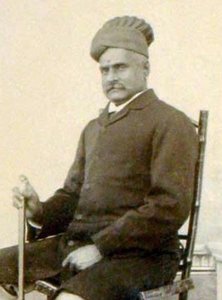
Raja Ravi Varma
1848 - 1906 , India
Snelle feiten
- Artistic Movement Or Style: Fusion academisch/India
- Artists Or Movements Influenced By This Artist: ['Moderne Indiër kunst']
- Artists Who Influenced This Artist: ['Europese meesters']
- Date Of Birth: 29 apr 1848
- Date Of Death: 2 okt 1906
- Full Name: Raja Ravi Varma
- Nationality: Indiër
- Notable Artworks:
- Hansa Damayanthi
- Maharani
- Shakuntala
- Place Of Birth: Kilimanoor, India

