

 Bekijk op ware grootte
 Verstuur
 Delen
Delen
 Details bekijken
 Gids voor studentenkunstwerken

 Download
 Vergelijkbare items
 Röntgenonderzoek
 Diavoorstelling
 Statistieken
Up the River During Qingming
 Oil On Canvas
- WallArt
- Ming Dynasty Painting
 1644
1644 34.0 x 804.0 cm
 National Palace Museum
 Lees meer
Giclée / Kunstafdrukken
Giclée- of canvasafdruk van museumkwaliteit met een snelle productie en flexibele afwerkingsmogelijkheden. ( Koop handgeschilderd kunstwerk Schakel over naar digitale afbeeldingen)




P118B €10

P118H €10

P118W €10

P438Z €10

P508JH €12

P508YH €12

P805H €10

P805Z €10

P919BZ €10

P919G €10

P919XJ €10

P959ZH €10

P968JZ €12

W106C €8

W218G €10

W218JH €8

W218Y €10

W307PJ €10

W316G €10

W316PJ €8

W316Y €10

W398PJ €8

W4111J €10

W500HY €15

W500JH €15

W692G €12

W849H €8

W940BG €15

W953PJ €8




Kies uit onze vooraf ingestelde maten die overeenkomen met de originele verhoudingen van het kunstwerk.

Voer de breedte en de hoogte in die u nodig heeft, passend bij uw lijst of uw muur. Een afdruk kan alleen worden ingekort, nooit groter worden gemaakt dan het origineel, waardoor een formaat met een andere verhouding een deel van de afbeelding verliest. Wij sturen u een digitaal mockup ter goedkeuring voordat we iets drukken. De afbeelding op deze pagina toont niet de werkelijke uitsnede — dit is alleen te zien op het mockup.
Wereldwijde levering () binnen 2 weken in plaats van de standaard 4/5 weken. (22 oktober)

Gratis wereldwijde expressverzending

Hoogwaardig linnen canvas

Volledige verzendverzekering

Garantie op terugbetaling van invoerrechten

Garantie op exacte kleurweergave

Retourbeleid van 100 dagen (alleen bij defecten)

100% Geld-terug-garantie

Korting bij meerdere afnames
 De optie voor glas is alleen beschikbaar bij een formaat kleiner dan 110 cm.

Up the River During Qingming
Giclée / Kunstafdrukken
Formaat reproductie
-


Totaalprijs
€ 71
A Glimpse into Imperial Life and Artistic Mastery
“Up the River During Qingming” – a title that conjures images of a vibrant, bustling scene, yet within its painted surface lies a profound meditation on life, death, and the ephemeral beauty of the natural world. Attributed to the masterful Qiu Ying, a painter who defied conventional artistic paths to forge his own legacy during the Ming Dynasty (1494-1552), this handscroll offers an unparalleled window into 17th-century China – a time of immense cultural flourishing and imperial grandeur. More than just a depiction of a river journey, it’s a meticulously crafted tableau that speaks volumes about social hierarchy, artistic innovation, and the enduring fascination with capturing fleeting moments.
The Painter's Journey: From Lacquer to Legend
Qiu Ying’s origins were remarkably unconventional. He began his career not within the established academies of art, but as a lacquer artisan – a skill that instilled in him an extraordinary attention to detail and a deep understanding of color and texture. This early apprenticeship honed his ability to render intricate patterns with precision, a quality that would become hallmarks of his later paintings. He subsequently studied under Zhou Chen in Suzhou, a renowned master who further refined his technique and exposed him to the prevailing artistic trends of the era. Qiu Ying’s journey is a testament to the power of self-directed learning and the diverse paths one can take to achieve artistic greatness.
A Symphony of Color and Technique
The scroll's visual impact is immediately arresting, dominated by a rich palette of mineral pigments – vibrant blues derived from lapis lazuli, shimmering greens sourced from malachite, and fiery reds achieved with cinnabar. Qiu Ying’s technique exemplifies the “gongbi” style, characterized by meticulous brushwork and an almost photographic realism. Notice the incredible detail in the rendering of the buildings lining the riverbank – each tile meticulously depicted, reflecting the opulence of imperial architecture. The water itself is treated with a remarkable fluidity, utilizing layered washes to create an illusion of movement and depth. The use of “wet-on-wet” technique further enhances this effect, blurring the boundaries between foreground and background.
Scenes of Celebration and Social Commentary
“Up the River During Qingming” is not simply a landscape painting; it’s a carefully constructed narrative. The scene unfolds along the Jinming River, teeming with activity as people celebrate the Qingming Festival – a time for honoring ancestors and visiting graves. We see elaborate boat races, lively dance performances, acrobatic displays, and even military reviews, all taking place within the confines of a grand palace complex. These activities are not merely decorative; they subtly comment on the social hierarchy of the time, with the emperor’s presence and lavish displays signifying his authority and power. The inclusion of stage performances suggests an appreciation for entertainment and cultural refinement.
Symbolism and the Ephemeral Nature of Life
Beyond its surface details, “Up the River During Qingming” is imbued with symbolic meaning. The river itself represents the flow of time, while the figures within the scene embody the diverse roles and aspirations of Ming Dynasty society. The meticulous detail with which Qiu Ying depicts the landscape – from the towering willow trees to the meticulously rendered buildings – underscores the importance of harmony between humanity and nature. Ultimately, the painting serves as a poignant reminder of the fleeting beauty of life and the enduring desire to capture it on canvas. It’s a masterpiece that continues to resonate with viewers centuries later, offering a glimpse into a bygone era and inviting us to contemplate our own place within the grand sweep of history.
Vragen & Antwoorden
Waarom heeft de auteursrechtelijke status van "Up the River During Qingming" deze specifieke aard?
De auteursrechtstatus van "Up the River During Qingming" - bevindt zich in het publiek domein - de auteursrechten zijn verlopen - vloeit voort uit het overlijden van de kunstenaar in 1552.
Welke techniek is gebruikt voor "Up the River During Qingming" door Qiu Ying?
Het medium van "Up the River During Qingming" door Qiu Ying is Oil On Canvas. Reproducties zijn bedoeld om de uitstraling van deze techniek weer te geven.
Behoort "Up the River During Qingming" door Qiu Ying tot de meest gezochte kunstwerken binnen de Ming Dynasty Painting-stroming?
Binnen de Ming Dynasty Painting-stroming heeft "Up the River During Qingming" een Recognized populariteitsniveau.
Biografie van de kunstenaar
Een leven gesmeed in penseelstreken: De wereld van Qiu Ying
Geboren in bescheiden omstandigheden in 1494, in het stadje Taicang nabij de huidige provincie Jiangsu, klom Qiu Ying op tot een van de meest gevierde schilders van de Ming-dynastie. In tegenstelling tot veel kunstenaars uit zijn tijd, die profiteerden van een geleerde opvoeding en een formele opleiding binnen gevestigde artistieke kringen, was het pad van Qiu Ying er een van bewonderenswaardig zelfgemaakte succes. Zijn artistieke reis begon niet via de traditionele kanalen, maar als leerling in de lakwarenkunst, waar hij zijn vaardigheden verfijnde in gedetailleerd decoratief werk – een fundament dat een diepgaande invloed zou hebben op de minutieuze precisie die zo kenmerkend is voor zijn latere schilderijen. Deze vroege ervaring bracht hem een meesterschap in lijn en kleur bij, kwaliteiten die hij later verder zou perfectioneren onder de begeleiding van Zhou Chen in Suzhou, een bruisend cultureel centrum tijdens de Ming-periode. Het was binnen deze dynamische omgeving dat Qiu Ying werkelijk begon te bloeien, waarbij hij technieken absorbeerde en een artistieke stem ontwikkelde die uniek aan hem toebehoorde.Meester van veelzijdigheid: Stijl en techniek
Het genie van Qiu Ying lag niet in het strikt vasthouden aan één school of stijl, maar in zijn buitengewone veelzijdigheid. Terwijl Suzhou een bolwerk was van de delicate inktwastechniek die werd geprefereerd door de Wu-school, toonde Qiu Ying een uitzonderlijk vermogen om zowel deze genuanceerde benadering als de levendige, gedetailleerde gongbi-techniek te beheersen. Deze aanpassingsvermogen stelde hem in staat om een diverse cliëntèle met uiteenlopende smaken te bedienen, waardoor hij zichzelf vestigde als een zeer gewilde kunstenaar. Hij vermengde deze technieken op meesterlijke wijze en verwerkte vaak elementen van de groen-en-blauwstijl – bekend om zijn rijke kleurgebruik en complexe details – in zijn composities. Zijn schilderijen onderscheiden zich door een voortreffelijke verfijning van kleur, een minutieuze aandacht voor detail en een opmerkelijk vermogen om zowel grootschalige panoramische landschappen als intieme, delicaat weergegeven scènes vast te leggen. Deze technische vaardigheid ging verder dan louter bekwaamheid; het was een vorm van verhalen vertellen, waarbij hij emotie overbracht en narratieven tot leven bracht op zijde of papier.Mecenaat en de bloei van een carrière
De carrière van Qiu Ying floreerde dankzij de genereuze steun van rijke beschermheren die werken in opdracht gaven over een breed spectrum aan onderwerpen. Hij schilderde landschappen doordrenkt met atmosferisch perspectief, religieuze scènes die spirituele devotie uitstraalden, delicate afbeeldingen van bloemen en tuinen vol leven, en meeslepende figuratieve composities die de essentie van zijn subjecten vingen. Onder zijn meest gevierde creaties behoren meesterlijke interpretaties zoals Up the River During Qingming, geïnspireerd door het iconische origineel uit de Noordelijke Song-dynastie; Lady in a Bamboo Grove, die zijn vaardigheid toont in het portretteren van elegante figuren in een natuurlijke setting; The Seven Sages of the Bamboo Grove, waarmee hij zijn begrip van klassieke literaire thema's bewees; en Spring Morning in the Han Palace, een levendige weergave van het hofleven. Belangrijke beschermheren zoals Chen Guan uit Suzhou, en later Zhou Fenglai en Xiang Yuanbian – beiden prominente kunstverzamelaars – speelden een cruciale rol bij het ondersteunen van zijn artistieke inspanningen, waardoor hij de vrijheid kreeg om zijn creativiteit te verkennen en zijn techniek te verfijnen.Nalatenschap en blijvende invloed
Het talent en de veelzijdigheid van Qiu Ying leverden hem een plaats op onder de "Vier Meesters" van de Ming-dynastie op – een getuigenis van zijn diepgaande impact op de Chinese schilderkunst. Hij overbrugde de kloof tussen traditionele stijlen en eigentijdse smaken, door werken te creëren die zowel technisch briljant als esthetisch aangenaam waren. Zijn schilderijen weerspiegelen invloeden van eerdere meesters, in het bijzonder die uit de Song-dynastie, maar hij vermengde deze historische precedenten op behendige wijze met de esthetiek van zijn eigen tijd. Hij imiteerde niet simpelweg; hij synthetiseerde, innoveerde en creëerde uiteindelijk een stijl die onmiskenbaar de zijne was. Voorbij zijn eigen leven reikte de invloed van Qiu Ying tot generaties kunstenaars die zijn meesterlijke techniek en innovatieve aanpak bewonderden. Hij blijft een gevierde figuur in de geschiedenis van de Chinese kunst, vereerd om zijn vermogen om schoonheid te vangen, betekenis over te brengen en een onuitwisbare indruk achter te laten op het artistieke landschap. Zelfs vandaag de dag draagt zijn naam de naam van een krater op Mercurius – een passende eerbetoon aan een kunstenaar wiens visie de aardse grenzen oversteeg. Zijn nalatenschap blijft wereldwijd bewondering en ontzag inboezemen bij kunstliefhebbers.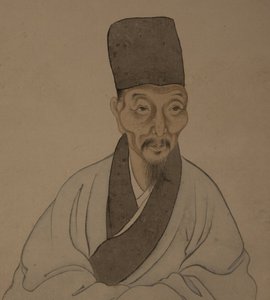
Qiu Ying
1494 - 1552 , China
Snelle feiten
- Artistic Movement Or Style: Gongbi, Wu-school
- Artists Or Movements Influenced By This Artist: ['Kunstenaars uit de Ming-dynastie']
- Artists Who Influenced This Artist: ['Meesters uit de Song-dynastie']
- Date Of Birth: 1494
- Date Of Death: 1552
- Full Name: Qiu Ying
- Nationality: Chinees
- Notable Artworks:
- Up the River During Qingming
- Lady in a Bamboo Grove
- Seven Sages of Bamboo Grove
- Spring Morning in Han Palace
- Place Of Birth: Taicang, China
Gerelateerde artikelen
Xie Zhiliu: A Legacy of Ink Wash Painting & Modern Chinese Literati Tradition
Explore the legacy of Xie Zhiliu, a master of Chinese ink wash painting & prominent figure in modern art. Discover his techniques, influences, and contributions to literati tradition. A guide for discerning collectors.
The Timeless Beauty of Chinese Calligraphy: An Exploration of Ink, Spirit, and the Art of the Brush
Embark on a profound journey through the soul of Chinese calligraphy. Explore the historical mastery of ink, brush, and script, from ancient Zhuanshu to elegant running script, and discover how this timeless art form reflects the enduring spirit of classical East Asian aesthetics.

Ephemeral Expressions: Exploring the Nuances of Ink on Paper Through History & Contemporary Art
Explore the captivating world of ink wash painting – from its ancient origins to contemporary masters. Discover techniques, symbolism & conservation insights with OriginalUniqueArt.com.
Pu Xinyu's 'Puru': A Legacy of Literati Painting & Emotional Resonance
Explore the captivating world of Pu Xinyu (Puru), the last great literati painter. Discover his imperial heritage, masterful ink wash techniques & enduring legacy – a valuable addition to any discerning art collection.
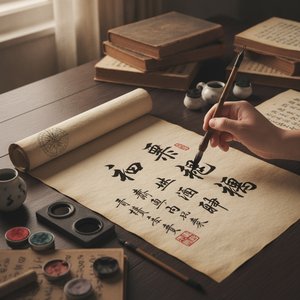
Mastering the Flow: The Timeless Art of Ink on Paper and the Legacy of Calligraphic Mastery
Explore the profound elegance of ink on paper. From the rhythmic running script of the Ming Dynasty to Zen-inspired haiku, discover the history, technique, and meditative mastery behind the world's most timeless calligraphic traditions.