

 Voorvertoning
 Verstuur
 Delen
Delen
 Details bekijken

 Download
 Vergelijkbare items
 Röntgenonderzoek
 Diavoorstelling
 Statistieken
Skirt
 Contemporary
 1968
1968 66.0 x 50.0 cm
 Museo del Traje
 Lees meer
Handgemaakte olieverfreproductie
Met de hand geschilderd in olieverf op canvas in uw gewenste maat en lijst, op bestelling gemaakt door onze kunstenaars. ( Schakel over naar print Schakel over naar digitale afbeelding)




































Kies uit onze vooraf ingestelde maten die overeenkomen met de originele verhoudingen van het kunstwerk.

U kunt uw eigen afmetingen invoeren om in een specifieke lijst of ruimte te passen. Als de door u gekozen maat niet overeenkomt met de verhoudingen van het originele beeld, zullen we het kunstwerk bijsnijden of het schilderij uitbreiden met extra handgeschilderde elementen. Een digitale mockup wordt ter goedkeuring naar u verzonden voordat de productie begint.
Houd er rekening mee dat de preview op het scherm niet de werkelijke uitsnede of uitbreiding weergeeft. Alleen de mockup toont de uiteindelijke compositie nauwkeurig.
Hoewel aangepaste afmetingen mogelijk zijn, raden we aan een maat uit de vooraf gedefinieerde lijst te selecteren om de originele verhoudingen te behouden.
Na de bestelling zal het team van OriginalUniqueArt.com per e-mail contact opnemen met de klant voor instructies en een mockup-voorbeeld sturen.
Wereldwijde levering () binnen 3 tot 4 weken in plaats van de standaard 5 weken. (9 september). Zonder concessies aan de kwaliteit.

Gratis wereldwijde expressverzending

Hoogwaardig linnen canvas

Volledige verzendverzekering

Garantie op terugbetaling van invoerrechten

Garantie op exacte kleurweergave

Retourbeleid van 100 dagen (alleen bij defecten)

100% Geld-terug-garantie

Korting bij meerdere afnames
 De optie voor glas is alleen beschikbaar bij een formaat kleiner dan 110 cm.

Skirt
Druktechniek
Afmetingen reproductie
-


Eindtotaal
$ 300
Biografie van de kunstenaar
A Burst of Pattern: The Enigmatic World of the Pulligan Group
The Pulligan Group remains a fascinating, somewhat elusive presence in the landscape of 20th-century textile art and design. Emerging in the mid-1960s, this collective – or perhaps individual working under a pseudonym – created works that pulsate with energy, characterized by dense, vibrant patterns and a bold embrace of color. While biographical details surrounding the artist(s) are scarce, their impact on contemporary fashion and interior aesthetics is undeniable. The available evidence suggests a focus on textile studies, specifically exploring the interplay between intricate design and modern sensibilities. Their work isn’t rooted in traditional narratives or representational imagery; instead, it functions as pure visual experience, an invitation to lose oneself within layers of meticulously crafted form.Early Work & Aesthetic Development
The earliest known pieces attributed to the Pulligan Group date back to 1968, with works like “Skirt” demonstrating a fully formed aesthetic. This piece, and others from this period, showcase a remarkable command of textile techniques – likely screen printing or similar methods allowing for complex layering. The patterns themselves are not easily categorized; they resist simple geometric classifications, instead leaning towards organic, almost biomorphic shapes that interlock and overlap. The use of color is particularly striking, employing saturated hues in unexpected combinations to create a dynamic visual tension. It’s tempting to see echoes of Op Art in their work – the movement's focus on optical illusions and perceptual effects – though Pulligan Group’s designs possess a warmth and tactile quality often absent in more austere Op Art compositions. The initial output seems heavily geared towards fashion applications, suggesting an early interest in translating artistic vision into wearable art.Influences & Artistic Context
Pinpointing direct influences is challenging given the limited documentation surrounding the artist(s). However, several currents within the broader art world likely informed their practice. The burgeoning Pop Art movement, with its embrace of mass culture and bold graphic imagery, undoubtedly played a role. The vibrant color palettes and playful compositions share affinities with artists like Andy Warhol and Roy Lichtenstein. Furthermore, the growing interest in textile arts during the 1960s – fueled by a renewed appreciation for craft traditions and experimentation with new materials – provided a fertile ground for Pulligan Group’s emergence. It's also possible to detect subtle influences from indigenous textiles and patterns, though this remains speculative without further research. The artist(s) appear to have synthesized these diverse elements into a unique visual language that feels both contemporary and timeless.Major Achievements & Lasting Legacy
Despite the lack of extensive biographical information, the Pulligan Group’s work has garnered increasing attention in recent years. Their pieces are sought after by collectors interested in mid-century modern design and textile art. While they may not have achieved widespread fame during their active period, their influence can be seen in contemporary fashion trends that embrace bold patterns and vibrant colors.- Their designs continue to inspire textile artists and designers today.
- The unique aesthetic of the Pulligan Group offers a compelling example of post-war experimentation with form and color.
- “Skirt” remains a standout piece, exemplifying their mastery of textile techniques and dynamic visual style.
The Mystery Endures
As of today, the identity of the artist(s) behind the Pulligan Group remains unknown. This anonymity adds another layer of intrigue to their already captivating work. Whether it was a single visionary designer or a collaborative collective, they left behind a small but significant body of work that continues to resonate with audiences decades later. The lack of biographical detail encourages viewers to focus solely on the art itself – to appreciate the intricate patterns, bold colors, and dynamic compositions without preconceived notions about the artist’s life or intentions. This emphasis on pure visual experience is perhaps the most enduring legacy of the Pulligan Group: a reminder that art can be powerful and meaningful even in the absence of a conventional narrative.
Gerelateerde artikelen

Top 10 Kunstwerken die Durf Uitstralen | OriginalUniqueArt
Ontdek 10 iconische kunstwerken die durf en expressie belichamen! Van Van Gogh tot Picasso, leer over de verhalen achter krachtige schilderijen & vind museumkwaliteit reproducties voor jouw interieur. Explore the full collection on OriginalUniqueArt.com
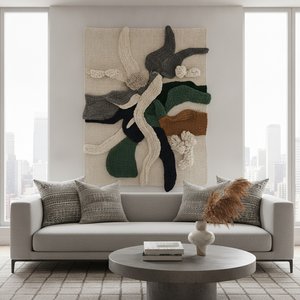
Beyond Canvas: Why Textile Art is the Next High-Impact Trend for Modern Interior Design
Discover why textile art is the next major trend in interior design. Explore how tactile fibers, bold textures, and sustainable mixed media are redefining modern urban spaces and bringing high-impact energy to contemporary collections.
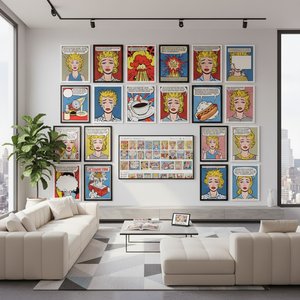
Roy Lichtenstein's Top 25 Meesterwerken: Pop Art voor uw Interieur | OriginalUniqueArt
Ontdek de 25 meest iconische werken van Roy Lichtenstein! Duik in de wereld van Pop Art, stripkunst & Ben-Day dots. Vind museumkwaliteit reproducties en inspiratie voor uw interieurdecoratie op OriginalUniqueArt.com.

Beyond the Canvas: Unveiling the Timeless Grandeur and Tactile Artistry of Textile Masterpieces
Embark on a sophisticated journey through the tactile realm of textile art. Unveil the historical evolution from utilitarian craft to museum-grade masterpieces, exploring the intricate textures and legendary artists that redefine the boundaries of fine art.
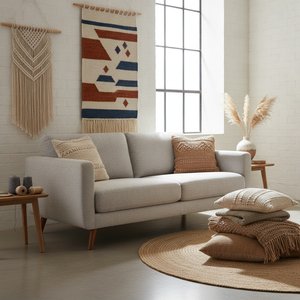
Woven Wonders: A Beginner's Guide to Elevating Your New Home with Timeless Textile Art
Discover how to transform your new home with the warmth of textile art. Our expert guide for newlyweds explores handwoven tapestries, tactile fibers, and timeless ways to curate a soulful, sophisticated interior through beautiful woven wonders.