

 Verstuur
 Delen
Delen
 Details bekijken
 Gids voor studentenkunstwerken

 Download
 Vergelijkbare items
 Diavoorstelling
 Statistieken
Rape of Proserpine
 Fresco
- Renaissance
 1509
1509- Renaissance
 79.0 x 81.0 cm
 Lees meer
Handgemaakte olieverfreproductie
Met de hand geschilderd in olieverf op canvas in uw gewenste maat en lijst, op bestelling gemaakt door onze kunstenaars. ( Schakel over naar print Schakel over naar digitale afbeeldingen)




































Kies uit onze vooraf ingestelde maten die overeenkomen met de originele verhoudingen van het kunstwerk.

Voer de breedte en de hoogte in die u nodig heeft, passend bij uw lijst of uw muur. Dit is handgeschilderd, dus bij een afmeting met een andere vormverhouding kan de kunstenaar iets meer rondom het schilderij schilderen of juist iets meer weglaten — u kiest zelf. Wij sturen u een digitaal mockup ter goedkeuring voordat het schilderwerk begint. De afbeelding die op deze pagina wordt getoond, is niet het uiteindelijke resultaat — alleen de mockup geeft dit weer.
Na de bestelling zal het team van OriginalUniqueArt.com per e-mail contact opnemen met de klant voor instructies en een mockup-voorbeeld sturen.
Wereldwijde levering () binnen 3 tot 4 weken in plaats van de standaard 5 weken. (23 oktober). Zonder concessies aan de kwaliteit.

Gratis wereldwijde expressverzending

Hoogwaardig linnen canvas

Volledige verzendverzekering

Garantie op terugbetaling van invoerrechten

Garantie op exacte kleurweergave

Retourbeleid van 100 dagen (alleen bij defecten)

100% Geld-terug-garantie

Korting bij meerdere afnames
 De optie voor glas is alleen beschikbaar bij een formaat kleiner dan 110 cm.

Rape of Proserpine
Reproductiemethode
Formaat reproductie
-


Totaalprijs
€ 264
A Celestial Drama in Fresco
In the delicate, sun-drenched fragments of Pinturicchio’s Rape of Proserpine, we encounter a moment of profound mythological upheaval captured with the exquisite grace of the Italian Renaissance. This fresco, once part of a magnificent ceiling within the Palazzo del Magnifico in Siena, serves as a breathtaking window into a world where the divine and the mortal collide. The scene depicts the harrowing abduction of Proserpine by Pluto, a narrative that vibrates with movement and tension. As the goddess is swept away by a group of men on horseback, the viewer is immediately struck by the dynamic composition; there is a palpable sense of urgency in the way the figures surge across the frame, their forms intertwined in a chaotic yet choreographed dance of power and distress.
The artistry of Pinturicchio lies in his ability to balance the raw emotion of the subject matter with a refined, decorative elegance. While the theme is one of violence and loss, the execution remains remarkably poised. The artist utilizes a vibrant palette that breathes life into the ancient story, using rich pigments to highlight the muscularity of the horses and the flowing drapery of the figures. Small, unexpected details—such as the presence of birds watching from the periphery—add a layer of naturalistic charm to the epic drama, grounding the mythological event in a world that feels both otherworldly and intimately real.
The Legacy of the Golden House
To understand the visual language of this masterpiece, one must look back to the shadows of Imperial Rome. Pinturicchio was an artist deeply enamored with antiquity, and in this work, he draws direct inspiration from the Golden House of Nero. The very structure of the composition, designed to mimic a vaulted ceiling, evokes the grandeur of Roman imperial splendor. By integrating motifs derived from ancient sarcophagi and classical architecture, Pinturicchio bridged the gap between the rediscovered glory of the past and the burgeoning humanism of his own era.
This piece was not merely an isolated creation but part of a larger, cohesive decorative program for Pandolfo Petrucci, the ruler of Siena. The room in which this fresco resided was a triumph of Renaissance luxury, featuring intricate stuccowork and majolica tile floors that complemented the narrative intensity of the walls. For the modern collector or interior designer, owning a reproduction of such a work means bringing more than just an image into a space; it means inviting a piece of historical continuity and architectural prestige into the home.
An Invitation to Timeless Elegance
For those seeking to curate an environment of intellectual depth and aesthetic splendor, the Rape of Proserpine offers unparalleled inspiration. The painting’s ability to command attention through its intricate details and emotional resonance makes it a centerpiece capable of transforming any room. Whether placed in a formal study or a grand living area, the work serves as a conversation starter, evoking the sophisticated tastes of the Italian Renaissance masters.
A high-quality reproduction of this fresco allows the delicate textures of the original stuccowork and the luminous quality of the pigments to be appreciated in a contemporary setting. It is an opportunity to surround oneself with the storytelling power of the 16th century, capturing the essence of Pinturicchio’s unique ability to blend Gothic delicacy with Renaissance strength. In every brushstroke of a faithful reproduction, one finds the enduring spirit of an age that celebrated beauty, myth, and the eternal drama of the human condition.
Vragen & Antwoorden
Welk gebruik en welke ruimte worden aanbevolen voor "Rape of Proserpine" door Bernardino Pinturicchio?
"Rape of Proserpine" door Bernardino Pinturicchio wordt aanbevolen voor Focal, bij voorkeur in een Restaurant. Gebruik en ruimte bepalen samen waar een reproductie het beste tot zijn recht komt.
Wat zijn de techniek en de afmetingen van "Rape of Proserpine" door Bernardino Pinturicchio?
Het originele werk "Rape of Proserpine" door Bernardino Pinturicchio is een Fresco met de afmetingen 79 x 81 cm. Techniek en afmetingen beschrijven het originele object.
Hoe harmonieus zijn de kleuren van "Rape of Proserpine" door Bernardino Pinturicchio?
De kleuren van "Rape of Proserpine" door Bernardino Pinturicchio vertonen een Strong Color Unity harmonie. Harmonie beschrijft de onderlinge relatie tussen de kleuren.
Biografie van de kunstenaar
Bernardino di Betto, Known as Pinturicchio
Bernardino di Betto, known to the world as Pinturicchio – a nickname affectionately bestowed upon him for his diminutive stature – emerged from the artistic heartland of Perugia in 1454. His life unfolded during a period of immense cultural ferment, the High Renaissance blossoming across Italy, yet Pinturicchio carved out a unique path, one that blended the lingering elegance of Gothic traditions with the burgeoning innovations of the era. While giants like Leonardo da Vinci and Michelangelo strove for anatomical perfection and dramatic realism, Pinturicchio cultivated a style characterized by refined grace, intricate detail, and a vibrant, decorative sensibility. His journey wasn’t one of revolutionary upheaval, but rather of exquisite refinement – a testament to his skill in transforming established forms into something uniquely captivating.From Umbrian Workshops to Papal Commissions
Pinturicchio's early training remains somewhat shrouded in mystery, though it is believed he honed his skills under the guidance of lesser-known Perugian masters like Bonfigli and Fiorenzo di Lorenzo. A pivotal moment arrived when he entered the orbit of Pietro Perugino, a leading figure of the Umbrian school. According to Giorgio Vasari, Pinturicchio served as an assistant to Perugino, a collaboration that undoubtedly shaped his artistic development. This connection proved crucial in securing a commission for the Sistine Chapel in Rome during the early 16th century. Working alongside some of the most celebrated artists of the time – Botticelli, Ghirlandaio, and Signorelli among them – Pinturicchio contributed to this monumental project, though sadly his frescoes were later destroyed to make way for Michelangelo’s *Last Judgement*. This experience, however, served as a crucial stepping stone, exposing him to new influences and solidifying his reputation.A Prolific Period: Rome and the Borgia Apartments
The years between 1484 and 1492 marked a period of intense productivity for Pinturicchio, primarily centered in Rome. He received commissions from prominent families like the Della Rovere, adorning chapels within the church of Santa Maria del Popolo with his distinctive style. These works showcased his mastery of fresco technique, characterized by delicate figures, richly ornamented backgrounds, and a penchant for intricate decorative motifs. However, it was his work for Pope Alexander VI – Rodrigo Borgia – that truly cemented his place in art history. Commissioned to decorate the Borgia Apartments within the Vatican Palace between 1492 and 1494, Pinturicchio created a suite of rooms lavishly adorned with frescoes depicting mythological scenes, portraits, and allegorical representations. These apartments, though controversial due to their association with the infamous Borgia family, stand as a remarkable example of Renaissance decorative art, revealing Pinturicchio’s ability to blend classical motifs with his own unique aesthetic sensibility. The use of gold leaf, vibrant colors, and illusionistic techniques created an atmosphere of opulent splendor, reflecting the power and ambition of the papal court.Legacy and Enduring Influence
Pinturicchio's artistic legacy is one of refined elegance and meticulous craftsmanship. While he may not have possessed the same level of fame as some of his contemporaries, his influence on subsequent generations of artists is undeniable. His unique style – a harmonious blend of Gothic grace and Renaissance innovation – resonated with those who appreciated subtlety and detail. He demonstrated an exceptional ability to create visually stunning compositions that were both aesthetically pleasing and intellectually stimulating. His work in the Piccolomini Library in Siena, completed shortly before his death in 1513, stands as a testament to his enduring talent. The frescoes depicting scenes from the life of Pope Pius II showcase a clarity of form and color that foreshadows the High Renaissance style. Pinturicchio’s art continues to captivate viewers today, offering a glimpse into a world of beauty, refinement, and artistic mastery – a world where the delicate touch of a “little painter” left an indelible mark on the landscape of Italian Renaissance art.- Notable Works: Frescoes in the Sistine Chapel (destroyed), Borgia Apartments in the Vatican, Piccolomini Library in Siena.
- Influences: Perugino, Umbrian School of Painting, Gothic traditions.
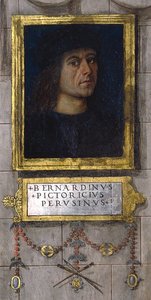
Bernardino Pinturicchio
1454 - 1513 , Italie
Snelle feiten
- Artistic Movement Or Style: Renaissance
- Artists Or Movements Influenced By This Artist: ['Raphael']
- Artists Who Influenced This Artist:
- Perugino
- Bonfigli
- Fiorenzo di Lorenzo
- Date Of Birth: Perugia, circa 1454
- Date Of Death: Siena, 1513
- Full Name: Bernardino di Betto
- Nationality: Italiaanse kunstschilder
- Notable Artworks:
- Frescoes in Sistine Chapel
- Borgia Apartments decor.
- Saint Augustine
- Place Of Birth: Umbria
Gerelateerde artikelen

Kunst die met je meeleeft: De emotionele kracht van een op maat gemaakte interieurfresco
Ontdek de emotionele kracht van een op maat gemaakt interieurfresco. Atelier Métamorphoze creëert unieke, duurzame kunstwerken voor uw woning of bedrijf. Laat u inspireren!
The Enduring Legacy of Fresco Painting: Techniques, History & Contemporary Relevance
Explore the rich history & enduring artistry of fresco painting – from Giotto to Michelangelo! Discover techniques, conservation efforts, & modern applications. Learn how OriginalUniqueArt brings this timeless art form to your home.

The Enduring Legacy of Fresco: Technique, History & Artistic Expression Across Cultures
Explore the rich history & enduring legacy of fresco painting! Discover ancient techniques, Giotto's masterpieces, and modern applications. Expert insights for art lovers & professionals.

De Fresco als Familielegatie: Schilder Je Erfgoed op de Muren
Ontdek de fascinerende wereld van fresco schilderkunst! Leer over technieken, geschiedenis en restauratie. Expertise & hoogwaardige reproducties bij .

The Enduring Legacy of Fresco: Technique, History & Artistic Expression
Explore the rich history & enduring artistry of fresco painting. Discover techniques from Giotto to Michelangelo, conservation efforts, & modern applications. Learn how OriginalUniqueArt brings this timeless art form to your home.