
 Voorvertoning
 Verstuur
 Delen
Delen
 Details bekijken

 Download
 Vergelijkbare items
 Röntgenonderzoek
 Diavoorstelling
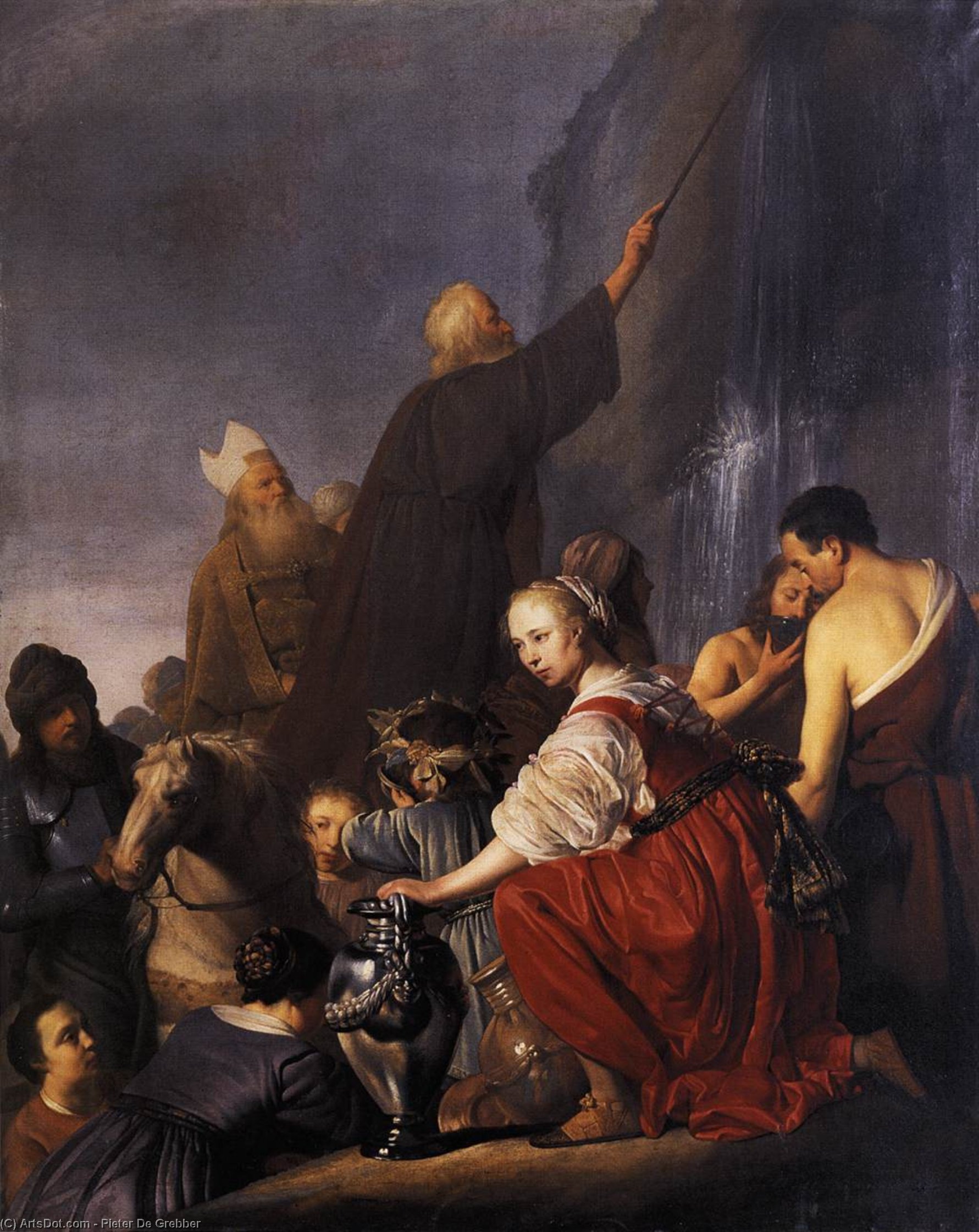
Moses Striking the Rock
 Oil
Oil- WallArt
- Baroque
 1630
1630- Early Modern
 165.0 x 132.0 cm
 Musée Des Beaux
 Lees meer
Giclée / Kunstafdrukken
Giclée- of canvasafdruk van museumkwaliteit met een snelle productie en flexibele afwerkingsmogelijkheden. ( Bestel handgeschilderde reproductie Koop afbeelding)




P118B $10

P118H $10

P118W $10

P438Z $10

P508JH $12

P508YH $12

P805H $10

P805Z $10

P919BZ $10

P919G $10

P919XJ $10

P959ZH $10

P968JZ $12

W106C $8

W218G $10

W218JH $8

W218Y $10

W307PJ $10

W316G $10

W316PJ $8

W316Y $10

W398PJ $8

W4111J $10

W500HY $15

W500JH $15

W692G $12

W849H $8

W940BG $15

W953PJ $8




Kies uit onze vooraf ingestelde maten die overeenkomen met de originele verhoudingen van het kunstwerk.

U kunt uw eigen afmetingen opgeven om in een specifieke lijst of ruimte te passen. Als de door u gekozen maat niet overeenkomt met de proporties van het originele kunstwerk, zullen wij de afbeelding bijsnijden of uitbreiden met een gespiegelde of effen rand. Een digitaal mockup wordt ter goedkeuring naar u verzonden voordat de productie begint.
Houd er rekening mee dat de preview op het scherm de werkelijke bijsneding of uitbreiding niet weergeeft. Alleen de mockup toont de uiteindelijke compositie nauwkeurig.
Hoewel aangepaste maten beschikbaar zijn, raden wij aan een afmeting uit de vooraf bepaalde lijst te kiezen om de originele proporties te behouden.
Wereldwijde levering () binnen 2 weken in plaats van de standaard 4/5 weken. (21 augustus)

Gratis wereldwijde expressverzending

Hoogwaardig linnen canvas

Volledige verzendverzekering

Garantie op terugbetaling van invoerrechten

Garantie op exacte kleurweergave

Retourbeleid van 60 dagen (alleen bij defecten)

100% Geld-terug-garantie

Korting bij meerdere afnames
 De optie voor glas is alleen beschikbaar bij een formaat kleiner dan 110 cm.

Moses Striking the Rock
Giclée / Kunstafdrukken
Afmetingen reproductie
-


Eindtotaal
$ 81
Beschrijving verzamelobject
A Divine Moment Captured in Oil
In the grand tradition of the Dutch Golden Age, Pieter de Grebber’s Moses Striking the Rock stands as a profound testament to the power of biblical narrative and the mastery of light. Painted around 1630, this monumental work transports the viewer directly into the heart of a miraculous event. The scene is one of intense spiritual drama: Moses, positioned with commanding presence on the left, raises his staff to strike the stone, an act that triggers a life-sustaining flow of water for his wandering people. De Grebber does not merely depict a historical or religious milestone; he captures the very tension between human desperation and divine intervention.
The composition is masterfully orchestrated to guide the eye through a landscape of both physical and emotional struggle. As the viewer’s gaze wanders across the canvas, it encounters a diverse assembly of figures—some gathered in close anticipation near the foreground, others receding into the rugged, rocky terrain of the background. The inclusion of horses, positioned strategically within the mid-ground, adds a layer of classical grandeur and movement to the scene, grounding the miraculous event in a tangible, earthly reality. This interplay between the monumental scale of the landscape and the intimate expressions of the onlookers creates a sense of immersive theater.
Mastery of Technique and Light
Pieter de Grebber, a prominent figure in the Haarlem school, utilizes a technique that reflects his deep training under masters like Hendrick Goltzius. The painting is characterized by a sophisticated use of chiaroscuro, where the interplay of light and shadow breathes life into the textures of the rocky terrain and the heavy drapery of the figures' garments. The light does not merely illuminate; it sanctifies, catching the edge of the staff and highlighting the faces of those witnessing the miracle, thereby directing the emotional focus of the piece.
For the discerning collector or interior designer, this work offers a rich tapestry of textures that can serve as a breathtaking focal point in any sophisticated space. The earthy tones of the landscape are balanced by the dramatic highlights, making it a versatile piece that complements both classical and contemporary settings. A high-quality reproduction of this masterpiece allows one to bring the weight of history and the brilliance of 17th-century Dutch artistry into a modern home, providing a conversation piece that speaks of resilience, faith, and the enduring beauty of the human spirit.
A Legacy of Devotion and Artistry
Beyond its visual splendor, Moses Striking the Rock carries the profound weight of its historical context. Born into an artistic lineage in Haarlem, De Grebber was part of a movement that sought to elevate religious themes through a lens of realism and emotional depth. This painting serves as a window into the 1630s, a period when the Dutch Republic was flourishing both economically and artistically. The symbolism of the water flowing from the rock—a symbol of life, purification, and divine grace—remains as potent today as it was centuries ago.
To possess a reproduction of this work is to hold a piece of the Dutch Golden Age. It is an invitation to contemplate the themes of leadership, providence, and the miraculous. Whether placed in a library, a formal dining room, or a curated gallery space, De Grebber’s vision continues to inspire awe, offering a timeless connection to the profound narratives that have shaped Western art history.
Biografie van de kunstenaar
 Pieter Fransz de Grebber was een vooraanstaand schilder uit de Nederlandse Gouden Eeuw.
De Grebber werd geboren in Haarlem als oudste zoon van Frans Pietersz de Grebber (1573–1643), een schilder en borduurder uit Haarlem, en was de broer van de schilders Maria en Albert. Zijn artistieke fundament legde hij bij zijn vader en onder de meester Hendrick Goltzius. Afkomstig uit een katholiek en artistiek milieu, verbond hij families binnen de kunstwereld; zo werd zijn zus Maria later de schoonmoeder van Gabriel Metsu. Zijn sociale kring was even rijk als intellectueel, met vriendschappen zoals die met de priester en musicoloog Jan Albertszoon Ban, wiens gedichten door de Haarlemse componist Cornelis Padbrué op muziek werden gezet. Hoewel hij pas in 1632 officieel lid werd van het Haarlemse Sint-Lucasgilde, was hij als schilder al tien jaar actief. Zijn nalatenschap als docent leeft voort via zijn leerlingen, waaronder Gerbrand Ban, Nicolaes Pietersz Berchem, Egbert van Heemskerck en Dirck Helmbreeker.
In 1618 ondernam vader en zoon een reis naar Antwerpen om met Peter Paul Rubens te onderhandelen over de verkoop van zijn schilderij "Daniël in de leeuwenkuil". Dit werk vond via de Engelse ambassadeur in de Republiek, Sir Dudley Carleton, uiteindelijk zijn weg naar koning Charles I. De Grebber ontving niet alleen in Haarlem belangrijke opdrachten, maar werkte ook voor stadhouder Frederik Hendrik. Zijn hand was zichtbaar in de decoratie van Huis Honselaarsditeit in Naaldwijk en het Paleis Noordeinde in Huis ten Bosch in Den Haag. Daarnaast schilderde hij altaarstukken voor kerken in Vlaanderen en voor schuilkerken in de Republiek, en mogelijk werkte hij zelfs voor Deense opdrachtgevers.
Pieter bleef ongehuwd en woonde vanaf 1634 tot aan zijn dood in het Begijnhof van Haarlem.
Naast zijn historiestukken vervaardigde De Grebber talrijke portretten; bovendien zijn er veel tekeningen en enkele etsen van zijn hand bewaard gebleven. Door een unieke synthese van diverse invloeden — waaronder het Utrechtse caravaggisme, Rubens en Rembrandt — ontwikkelde hij een zeer persoonlijke stijl. Samen met Salomon de Bray vormde hij de voorloper en het eerste hoogtepunt van de school van het "Haarlems classicisme", gekenmerkt door een georganiseerde helderheid en lichte tinten.
In 1649 schreef De Grebber het traktaat "Regulen welcke by een goet schilder en teyckenaar geobserveert en achtervolght moeten werden". In dit geschrift zet hij de elf belangrijkste regels uiteen die volgens hem door classicistische schilders strikt nageleefd moesten worden. Hoewel de classicisten niet blindelings aan dergelijke regels gebonden waren, vormden ze wel degelijk een leidraad. Bijna al deze regels zijn ontleend aan Karel van Manders maniëristische Schilder-boeck, waarin de historiestuk werd gepresenteerd als het hoogste genre binnen de artistieke hiërarchie.
Media gerelateerd aan Pieter Fransz. de Grebber op Wikimedia Commons
meer...

Pieter De Grebber
1600 - 1652 , Nederland
Belangrijkste feiten
- Artistic Movement Or Style: Barok
- Artists Who Influenced This Artist:
- Caravaggio
- Rubens
- Maíno
- Hals
- Lan Ying
- Honthorst
- Date Of Death: 1652
- Full Name: John Testicle
Gerelateerde artikelen

Golden Light & Dutch Skies: The Timeless Magic of Dutch Golden Age Landscapes
Discover the breathtaking beauty of Dutch Golden Age landscapes. Explore the mastery of light, chiaroscuro, and 17th-century realism through an expert art history lens, celebrating the enduring legacy of the Dutch Masters for discerning collectors and art lovers.

Top 10 Meesterwerken van de Gouden Eeuw: Kunst voor uw interieur | OriginalUniqueArt.nl
Ontdek de 10 meesterwerken van de Gouden Eeuw! Leer over Rembrandt, Vermeer & andere Hollandse schilders. Prachtige kunst reproducties voor uw interieur. Museumkwaliteit prints op OriginalUniqueArt.com.

Golden Age Reflections: Dutch Baroque Painting & Cultural Innovation
Explore the Dutch Golden Age of painting! Discover key artists like Vermeer & ter Borch, their innovative techniques, and the rich cultural context behind these Baroque masterpieces. Learn about collecting & appreciating this iconic art period.

Mastering Light & Shadow: A Journey Through the Dutch Golden Age's Luminous Legacy
Embark on a cultural journey through the Dutch Golden Age. Explore the masterful interplay of light and shadow in 17th-century masterpieces, from Rembrandt to Vermeer, and discover how this era of profound realism continues to inspire fine art collectors today.

Illuminating Innovation: Exploring the Dutch Golden Age of Painting
Explore the Dutch Golden Age of painting with OriginalUniqueArt. Discover Rembrandt, Vermeer & other Masters. Learn about key characteristics, iconic artworks, and lasting influence. Expert insights for collectors & enthusiasts.

