Bekijk op ware grootte
 Verstuur
 Delen
Delen
 Details bekijken
 Gids voor studentenkunstwerken

 Download
 Vergelijkbare items
 Röntgenonderzoek
 Diavoorstelling
 Statistieken
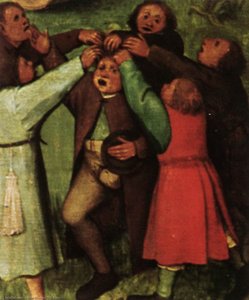
Desidia (Sloth), 1557


 Lees meer
Giclée / Kunstafdrukken
Giclée- of canvasafdruk van museumkwaliteit met een snelle productie en flexibele afwerkingsmogelijkheden. ( Koop handgeschilderd kunstwerk Schakel over naar digitale afbeeldingen)




P118B €10

P118H €10

P118W €10

P438Z €10

P508JH €12

P508YH €12

P805H €10

P805Z €10

P919BZ €10

P919G €10

P919XJ €10

P959ZH €10

P968JZ €12

W106C €8

W218G €10

W218JH €8

W218Y €10

W307PJ €10

W316G €10

W316PJ €8

W316Y €10

W398PJ €8

W4111J €10

W500HY €15

W500JH €15

W692G €12

W849H €8

W940BG €15

W953PJ €8




Kies uit onze vooraf ingestelde maten die overeenkomen met de originele verhoudingen van het kunstwerk.

Voer de breedte en de hoogte in die u nodig heeft, passend bij uw lijst of uw muur. Een afdruk kan alleen worden ingekort, nooit groter worden gemaakt dan het origineel, waardoor een formaat met een andere verhouding een deel van de afbeelding verliest. Wij sturen u een digitaal mockup ter goedkeuring voordat we iets drukken. De afbeelding op deze pagina toont niet de werkelijke uitsnede — dit is alleen te zien op het mockup.
Wereldwijde levering () binnen 2 weken in plaats van de standaard 4/5 weken. (24 oktober)

Gratis wereldwijde expressverzending

Hoogwaardig linnen canvas

Volledige verzendverzekering

Garantie op terugbetaling van invoerrechten

Garantie op exacte kleurweergave

Retourbeleid van 100 dagen (alleen bij defecten)

100% Geld-terug-garantie

Korting bij meerdere afnames
 De optie voor glas is alleen beschikbaar bij een formaat kleiner dan 110 cm.

Desidia (Sloth), 1557
Giclée / Kunstafdrukken
Formaat reproductie
-


Totaalprijs
€ 71
A Tapestry of Inertia: The World Within Bruegel’s Desidia
In the vast, swirling landscape of Pieter Bruegel the Elder’s 1557 masterpiece, Desidia (Sloth), the viewer is not merely presented with a painting, but rather invited into a profound psychological state. At first glance, the composition appears to be a bustling tableau of Northern Renaissance life, yet beneath the surface of this lively scene lies a biting critique of human stagnation. Bruegel, a master of capturing the intricate dance between the mundane and the moral, utilizes a sprawling landscape to house a multitude of figures—men, women, animals, and even aquatic life—all caught in various states of aimless existence. It is a world where movement exists without purpose, and activity serves only to mask a deeper, more unsettling stillness.
The technique employed by Bruegel is nothing short of miraculous, showcasing a meticulous attention to detail that draws the eye through an endless labyrinth of narrative threads. Every brushstroke contributes to a sense of overwhelming abundance; one might find themselves mesmerized by the texture of a distant boat laden with goods or the subtle, weary expression on a figure lost in thought. This level of precision creates a sensory experience that is both immersive and exhausting, mirroring the very concept of sloth—a heavy, inescapable weight that settles over the landscape. For the collector or designer, this complexity offers an unparalleled depth, as the artwork reveals new secrets upon every subsequent viewing.
Symbolism and the Weight of the Human Condition
To gaze upon Desidia is to engage with the intellectual ferment of the mid-16th century. Created during a period where the High Renaissance was transitioning into the more stylized Mannerism, Bruegel’s work stands as a humanist observation of vice and virtue. The painting serves as a moralizing mirror, reflecting the anxieties of a society grappling with newfound wealth and the temptations of material luxury. The central personification of Sloth—often depicted through dozing figures or sluggish animals like the iconic donkey—acts as a focal point for a broader commentary on the loss of spiritual and civic purpose. Bruegel masterfully weaves visual proverbs into the scenery, where even a man stuck in a house or a group of gamblers at a tavern becomes a symbol of the soul's inertia.
There is an undeniable emotional resonance in how Bruegel balances the grotesque with the beautiful. He does not shy away from portraying the unpolished or the unsightly, yet he imbues the entire composition with a rhythmic, almost musical quality. This duality makes the piece particularly compelling for modern interiors; it possesses the gravitas of a historical document while maintaining a vibrant, living energy. It is an artwork that demands contemplation, challenging the viewer to reflect on their own relationship with ambition, productivity, and the quiet, often dangerous, allure of doing nothing at all.
An Eternal Masterpiece for the Discerning Eye
For those seeking to curate a space with profound narrative power, a high-quality reproduction of Desidia offers more than just decoration; it provides a window into the Renaissance mind. The painting’s ability to anchor a room with its historical weight and intricate storytelling makes it an ideal centerpiece for libraries, studies, or sophisticated living areas. It is a piece that speaks to the intellect and stirs the imagination, bridging the gap between the 16th-century Flemish landscape and the contemporary aesthetic of thoughtful, curated living.
Owning a tribute to Bruegel’s genius allows one to preserve the legacy of Northern European expression. Whether viewed as a study in Renaissance technique or as a profound philosophical statement on the nature of human behavior, Desidia remains an enduring icon of art history—a timeless reminder that even in our most idle moments, there is a complex and beautiful story unfolding.
Vragen & Antwoorden
Welke ruimte past bij de kleuren van "Desidia (Sloth), 1557" door Pieter Bruegel de Oude?
Met zijn Neutrals palet wordt "Desidia (Sloth), 1557" door Pieter Bruegel de Oude aanbevolen voor een Living Room. De kleuren zijn een van de redenen voor dit advies.
Is "Desidia (Sloth), 1557" door Pieter Bruegel de Oude een licht of een donker kunstwerk?
De helderheid van "Desidia (Sloth), 1557" door Pieter Bruegel de Oude is vastgelegd op brilliant, met een luminantie van Bright Balance.
Wat zijn de reproductierechten van "Desidia (Sloth), 1557" in Albertina?
De auteursrechtstatus van "Desidia (Sloth), 1557" door Pieter Bruegel de Oude is duidelijk: het werk is bevindt zich in het publiek domein - de auteursrechten zijn verlopen. De aanwezigheid ervan in Albertina verandert die status niet.
Biografie van de kunstenaar
A Life Rooted in Renaissance Transformation
Pieter Bruegel the Elder emerged tijdens een periode van diepe verandering, een tijd waarin het artistieke landschap van Europa verschuifde van de High Renaissance idealen van Italië naar de groeiende complexiteit van Noord-Europese expressie. Geboren rond 1525 of 1526, waarschijnlijk in Breda – hoewel details over zijn vroege leven enigszins ongrijpbaar blijven – ontviel Bruegel’s jeugd aan een periode van religieuze onrust en een bloeiende handelscultuur. Hij begon zijn artistieke reis rond 1545 als leerling van Pieter Coecke van Aelst, een gerespecteerde Antwerpse schilder die bekend stond om zowel zijn kunst als zijn ontwerpen voor tapijten. Deze leerlingenperiode bood Bruegel een stevige basis in de technische vaardigheden van olieverf en tekenen, maar bovenal blootstelde het hem aan de humanistische stromingen die begonnen door te dringen tot intellectuele kringen. Van Aelst’s werkplaats was niet alleen een plaats van artistieke instructie; het was een broeinest waar traditionele technieken ontmoetten met nieuwe ideeën, waardoor Bruegel’s toekomstige visie werd gevormd.Wanderings en de Vorming van een Unieke Visie
Na zijn leerlingenperiode begon Bruegel aan uitgebreide reizen die zijn artistieke ontwikkeling onlosmakelijk zouden markeren. Tussen 1551 en 1553 reisde hij door Frankrijk, Zwitserland en Italië, waarbij hij landschappen schetsen en zich onderdompelen in verschillende culturen. Deze waren geen simpele toertreinen; het waren expedities van observatie en leren. Tijdens zijn tijd in Italië ontmoette Bruegel de werken van Renaissance-meesters, maar zijn artistieke temperament bleef toch duidelijk Noord-Europees. Hij nam hun invloed op, maar filterde deze door zijn eigen unieke gevoeligheid. De Alpen, met hun dramatische toppen en valleien, lieten een blijvende indruk achter, die de compositie-structuur en atmosferische perspectief beïnvloedden in vele van zijn latere landschappen. Na terugkeer naar Antwerpen in 1553 werd hij toegelaten als vrije meester. Na zijn tijd in Italië keerde Bruegel terug naar Antwerpen, waar hij zich vestigde en een reputatie opbouwde als een belangrijke schilder van zijn tijd. Hij werkte er samen met verschillende kunstenaars en uitgevers, wat hem toegang gaf tot een breed publiek en de mogelijkheid om zijn werk te verspreiden over heel Europa. Zijn stijl evolueerde geleidelijk, van vroege landschappen waarin hij een affiniteit toonde met de Vlaamse 16e-eeuwse landschapstraditie, naar zijn laatste werken die meer Italiaans geïnspireerd waren.Beyond Myth and Religion: A New Focus for Art
Bruegel’s ware innovatie lag in zijn onderwerpkeuze. Hij verliet opvallend de gevestigde conventies van Renaissance-schilderkunst, die vaak gericht waren op religieuze narratieven of klassieke mythologie. In plaats daarvan richtte hij zich op het alledaagse leven van gewone mensen – boeren die in velden werkten, dorpsbewoners die festivals vierden, jagers die door sneeuwige landschappen trokken. Dit was geen afwijzing van traditionele thema’s, maar een verheffing van het banale tot het niveau van hoogheidkunst. Zijn landschappen waren niet alleen achtergronden; ze waren actieve deelnemers aan de narratief, vaak doordrenkt van symboliek en een diep begrip van de kracht en schoonheid van de natuur. *De Dood des Opstandigen Engelen* (1562-1563) is bijvoorbeeld een aangrijpend visioen van menselijke mortaliteit, vol groteske beelden en een gevoel van naderend onheil. Schilderijen zoals *Boeren Wedding* bieden verrassend gedetailleerde en genuanceerde portretten van het platteland, zonder sentimentele idealisering. Hij maakte meesterlijk gebruik van chiaroscuro – het dramatische spel van licht en schaduw – om diepte, realisme en emotionele resonans te creëren in zijn composities. Zijn scènes waren niet noodzakelijkerwijs kritisch; ze waren realistische waarnemingen, die zowel de humor als de moeilijkheden vastlegden die inherent zijn aan het menselijk bestaan.Notable Works and Enduring Themes
- Landscape with the Flight into Egypt: Een serene maar subtiel symbolische weergave van de reis van het Heilig Familie, die Bruegel’s meesterschap in atmosferisch perspectief laat zien.
- The Triumph of Death: Een aangrijpend en apocalyptisch visioen van mortaliteit, vol groteske beelden en een gevoel van naderend onheil.
- Peasant Wedding: Een levendige en gedetailleerde weergave van plattelandsleven, die de drukkende energie en sociale gebruiken van een Vlaams dorp vastlegt.
- Hunters in the Snow: Deel van een serie die de seizoenen weergeeft, wordt dit iconische schilderij geëerd om zijn atmosferische schoonheid en realistische weergave van winterlandschappen.
- The Tower of Babel: Een monumentaal werk dat menselijke ambitie en goddelijke oordelen illustreert, waarbij Bruegel’s vaardigheid in het creëren van complexe composities met ingewikkelde details wordt getoond.

Pieter Bruegel de Oude
1525 - 1569 , België
Snelle feiten
- Artistic Movement Or Style: Renaissance schilderkunst
- Artists Or Movements Influenced By This Artist: ['Nederlandse Gouden Eeuw']
- Artists Who Influenced This Artist: ['Hieronymus Bosch']
- Date Of Birth: c. 1525, Breda
- Date Of Death: 1569, Brussel
- Full Name: Pieter Bruegel de Oude
- Nationality: Vlaams
- Notable Artworks:
- Landschap met vlucht
- Doodstraftoren
- Boeren bruiloft
- Place Of Birth: Breda, Nederland
Gerelateerde artikelen

Pieter Bruegel the Elder: A Master of Genre, Landscape & Social Commentary
Explore the life & art of Pieter Bruegel the Elder, a pivotal figure of the Renaissance. Discover his groundbreaking genre scenes, symbolic landscapes, and lasting influence on art history. Learn more at OriginalUniqueArt.
Top 10 Meesterwerken van de Vroege Nederlandse Schilderkunst | OriginalUniqueArt
Ontdek de 10 meesterwerken van Jan van Eyck, Rogier van der Weyden & andere Vlaamse Primitieven. Duik in de rijke symboliek en olieverfschilderijen van de Vroege Nederlandse Schilderkunst. Vind museumkwaliteit reproducties op OriginalUniqueArt.com!

Idyllic Visions: Exploring the Pastoral Scene in Art History – From Arcadia to Modern Interpretations
Explore the captivating history of pastoral art from classical Arcadia to modern masterpieces. Discover key artists like Millet & Cole at OriginalUniqueArt. Find serene landscape paintings for your home.
Jan Brueghel the Elder: A Master of Flemish Landscape & Allegory – Exploring Innovation & Influence
Explore the captivating world of Jan Brueghel the Elder, a Flemish Baroque master renowned for his stunning landscapes & allegorical paintings. Discover his collaborations with Rubens and lasting artistic legacy.
Idyllic Visions: Exploring the Pastoral Tradition in Western Art – Themes, Techniques & Enduring Appeal
Explore the rich history of pastoral art from classical Arcadia to contemporary interpretations. Discover key artists, themes & collecting tips at OriginalUniqueArt.