
 Voorvertoning
 Verstuur
 Delen
Delen
 Details bekijken
 Gids
Gids

 Download
 Vergelijkbare items
 Röntgenonderzoek
 Diavoorstelling
 Statistieken
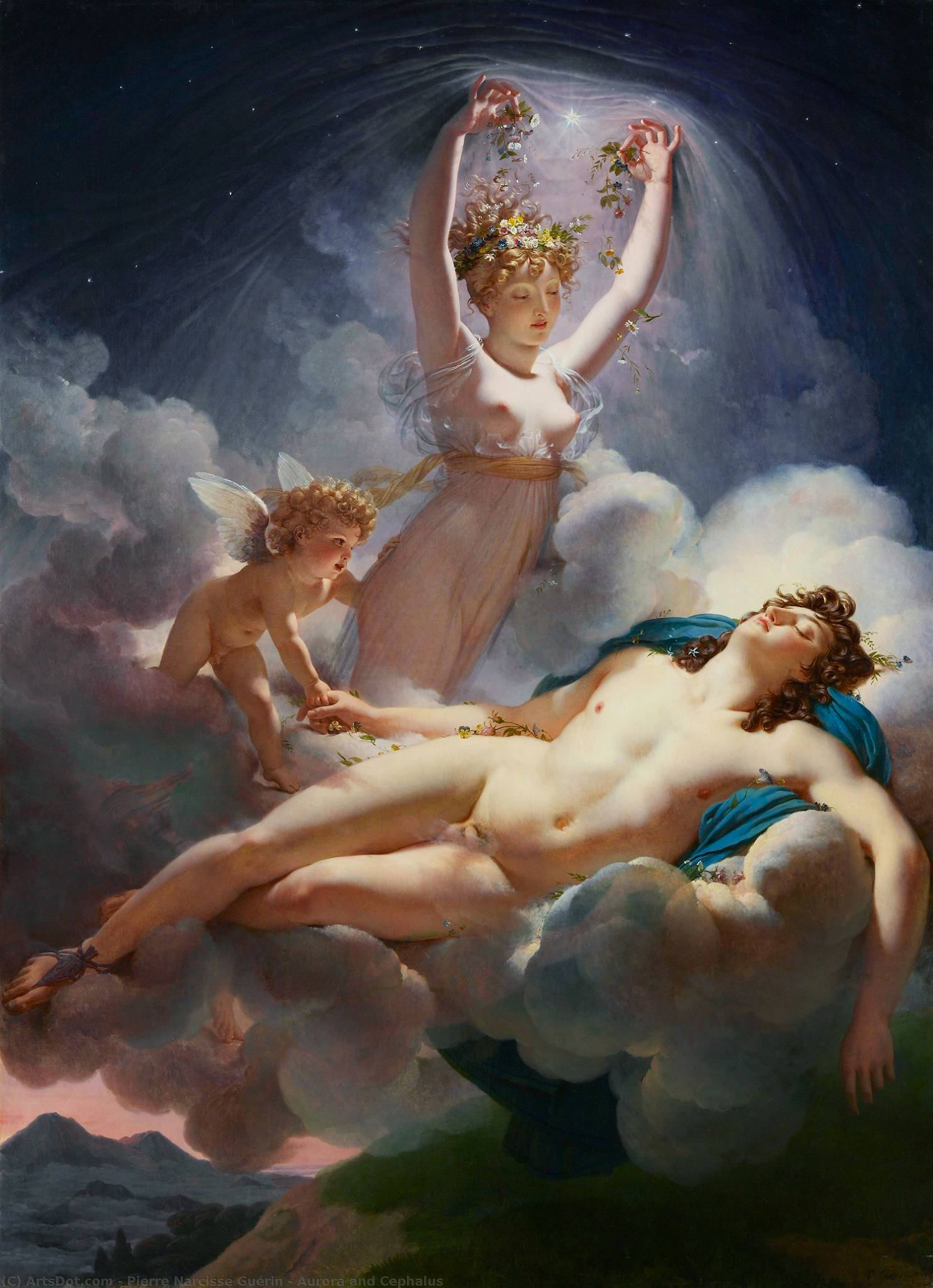
Aurora and Cephalus
 Acrylic On Canvas
- WallArt
- Neoclassicism
 1810
1810 254.0 x 186.0 cm
 Louvre
 Lees meer
Giclée / Kunstafdrukken
Giclée- of canvasafdruk van museumkwaliteit met een snelle productie en flexibele afwerkingsmogelijkheden. ( Bestel handgeschilderde reproductie Schakel over naar digitale afbeeldingen)




P118B €10

P118H €10

P118W €10

P438Z €10

P508JH €12

P508YH €12

P805H €10

P805Z €10

P919BZ €10

P919G €10

P919XJ €10

P959ZH €10

P968JZ €12

W106C €8

W218G €10

W218JH €8

W218Y €10

W307PJ €10

W316G €10

W316PJ €8

W316Y €10

W398PJ €8

W4111J €10

W500HY €15

W500JH €15

W692G €12

W849H €8

W940BG €15

W953PJ €8




Kies uit onze vooraf ingestelde maten die overeenkomen met de originele verhoudingen van het kunstwerk.

Voer de gewenste breedte en hoogte in, passend bij uw lijst of muur. Een afdruk kan alleen worden ingekort en nooit groter worden gemaakt dan het origineel; een formaat met andere verhoudingen zal daarom een deel van de afbeelding verliezen. Wij sturen u een digitaal mockup ter goedkeuring voordat we tot drukwerk overgaan. De afbeelding op deze pagina toont niet de werkelijke uitsnede — dit is alleen te zien op het mockup.
Wereldwijde levering () binnen 2 weken in plaats van de standaard 4/5 weken. (27 oktober)

Gratis wereldwijde expressverzending

Hoogwaardig linnen canvas

Volledige verzendverzekering

Garantie op terugbetaling van invoerrechten

Garantie op exacte kleurweergave

Retourbeleid van 100 dagen (alleen bij defecten)

100% Geld-terug-garantie

Korting bij meerdere afnames
 De optie voor glas is alleen beschikbaar bij een formaat kleiner dan 110 cm.

Aurora and Cephalus
Giclée / Kunstafdrukken
Afmetingen reproductie
-


Eindtotaal
€ 71
Pierre Narcisse Guérin: Bridging Neoclassicism and Romantic Sentiment
The artistic landscape of early 19th century France was undergoing a dramatic transformation—a slow but insistent shift away from the rigid formalism of Neoclassicism towards the expressive dynamism of Romanticism. Amidst this evolving aesthetic dialogue stood Pierre Narcisse Guérin (1774-1833), an artist whose oeuvre exemplifies this pivotal transition, capturing both the grandeur of classical ideals and the profound emotional currents that defined his era. His success in securing one of the prestigious Grand Prix awarded at the Salon of 1796—a victory born from a competitive spirit rekindled after the revolutionary hiatus—established him as a voice resonating with renewed artistic ambition.- The Salon of 1799 and *Marcus Sextus*: Guérin’s monumental canvas, *Marcus Sextus*, debuted at the Salon of 1799, immediately proclaiming his allegiance to Romantic principles. Depicting a Roman veteran returning to Rome burdened by grief—a poignant reflection of the revolutionary upheaval—the painting transcends mere historical representation; it delves into the depths of human emotion and psychological complexity.
- A Masterful Blend: Guérin’s technique showcased an impressive command of oil paint, utilizing layering and glazing techniques to achieve remarkable luminosity and textural nuance. He skillfully employed chiaroscuro—the dramatic interplay of light and shadow—to heighten the emotional impact of his compositions, mirroring the Romantic fascination with sublime landscapes and intense psychological states.
Symbolism Within Grief: Aurora and Cephalus – A Mythological Allegory
Guérin’s most celebrated work, *Aurora and Cephalus*, exemplifies this synthesis of classical form and Romantic sentiment. Inspired by the Greek myth recounting Aurora's love affair with Cephalus and their subsequent encounter with a divine messenger bearing news of Cephalus’s wife’s demise—a narrative laden with symbolism—the painting transcends its mythological origins to explore universal themes of loss, remembrance, and spiritual solace. The depiction of Aurora, bathed in ethereal light amidst swirling clouds, embodies feminine grace and resilience—a counterpoint to the sorrowful countenance of Cephalus, grappling with unbearable grief.- Celestial Atmosphere: Guérin meticulously crafted a celestial atmosphere, utilizing pastel hues—particularly pinks and blues—to evoke a sense of otherworldly beauty and tranquility. This deliberate stylistic choice underscores the painting’s spiritual dimension, suggesting that solace can be found in contemplation of transcendent ideals.
- Angelic Presence: The inclusion of angelic figures hovering above the couple serves as a visual reminder of divine compassion and intervention—a hallmark of Romantic artistic expression. These celestial beings symbolize hope and reassurance amidst despair, reinforcing the painting’s overarching message of spiritual redemption.
Emotional Resonance and Artistic Legacy
*Aurora and Cephalus*, like Guérin's broader oeuvre, continues to captivate audiences with its profound emotional resonance. Its masterful execution—characterized by luminous color palettes, nuanced textural detail, and a compelling narrative framework—solidifies Guérin’s position as a pivotal figure in the transition from Neoclassicism to Romanticism. His work stands as an enduring testament to the transformative power of art—capable of conveying complex psychological states and exploring universal themes of human experience with breathtaking beauty and sensitivity. It remains an inspiration for artists and collectors alike, demonstrating that true artistic achievement lies not merely in technical proficiency but also in the ability to evoke genuine emotion and illuminate the depths of the human spirit.Veelgestelde vragen
In welk jaar werd "Aurora and Cephalus" gemaakt?
"Aurora and Cephalus" door Pierre Narcisse Guérin werd gemaakt in 1810.
Wanneer is "Aurora and Cephalus" door Pierre Narcisse Guérin gemaakt en bij welke stroming behoort het?
"Aurora and Cephalus" werd in 1810 gecreëerd als een werk uit de Neoclassicism-stroming. De datum en de stroming verankeren het kunstwerk in de kunstgeschiedenis.
Met welke techniek is "Aurora and Cephalus" gemaakt?
Het medium van "Aurora and Cephalus" door Pierre Narcisse Guérin is Acrylic On Canvas. Reproducties zijn bedoeld om de uitstraling van deze techniek weer te geven.
Biografie kunstenaar
De Brug tussen Tijdperken: Het Leven en de Nalatenschap van Pierre Narcisse Guérin
In het grandioze weefsel van de Franse kunstgeschiedenis belichamen weinig figuren de delicate overgang van de gedisciplineerde strengheid van het neoclassicisme naar de turbulente passie van de romantiek zo gracieus als Pierre Narcisse Guérin. Geboren in Parijs in 1774, kwam Guérin tevoorschijn tijdens een periode van diepgaande maatschappelijke transformatie, waarin de echo's van de Franse Revolutie nog steeds door de zalen van de Academie weergalmden. Als leerling van de gewaardeerde Jean-Baptiste Regnault werd de vroege carrière van Guérin gekenmerkt door onmiddellijke onderscheiding; in 1796 behaalde hij een van de prestigieuze grands prix, een overwinning die zijn komst als een vormloos talent aankondigde, in staat om de competitieve geest van de Franse kunstwereld te doen herleven na jaren van revolutionaire stilte.
Guérins weg naar roem was niet enkel een kwestie van technische vaardigheid, maar van emotionele resonantie. Toen hij De Terugkeer van Marcus Sextus onthulde tijdens de Salon van 1799, was de impact niets minder dan elektrisch. Het schilderij, dat een Romeinse veteraan afbeeldde die terugkeert naar een thuis dat verwoest is door de dood en politieke onrust, diende als een aangrijpende allegorie voor de hedendaagse Franse ervaring. Door dit werk toonde Guérin een ongekende gave om historische narratieven te verweven met het rauwe, persoonlijke verdriet van zijn subjecten, waarbij hij het klassieke verleden effectief gebruikte als spiegel voor het chaotische heden. Deze beheersing van drama zou zijn handelsmerk worden, wat hem publieke lof opleverde en leidde tot verdere studies in Rome onder Joseph-Benoît Suvée.
Een Reis door Licht en Mythe
De levensloop van Guérin werd gevormd door zowel artistieke ambitie als fysieke kwetsbaarheid. Zijn tijd in Rome, hoewel intellectueel verrijkend, werd voortijdig afgebroken door een slechte gezondheid, wat hem dwong naar Napels te verhuizen. Het was hier dat zijn palet begon te verbreden, waarbij hij de atmosferische grandeur van landschappen omarmde, zoals te zien in zijn herdenkingswerk voor het graf van Amyntas. Deze periode van dwalen stelde hem in staat om zijn neoclassicistische fundamenten te doordrenken met een nieuw gevoel voor licht en schaduw, een voorloper van de meer expressieve stijlen die Europa spoedig zouden domineren.
Bij zijn terugkeer naar Parijs groeide het repertoire van Guérin uit tot een verzameling van enkele van de meest boeiende mythologische en historische scènes uit de vroege 19e eeuw. Zijn werken bevatten vaak een lumineus chiaroscuro dat leven inademde aan goddelijke figuren, zoals in het etherische Morpheus en Iris. Of hij nu het tragische lot van Dido en Aeneas afbeeldde of de intense, heroïsche energie van Andromache en Pyrrhus, Guérin bezat een uniek talent om mythologische onderwerpen te voorzien van menselijke kwetsbaarheid. Zijn vermogen om de geïdealiseerde schoonheid van de klassieke traditie in evenwicht te brengen met een opkomend gevoel voor psychologische diepgang maakte hem tot een favoriet van het keizerlijk hof tijdens het Napoleontische tijdperk.
De Invloed van de Meester en Artistieke Betekenis
Buiten zijn individuele doeken ligt de historische betekenis van Guérin in zijn rol als een cruciale mentor en stilistische brug. Hij stond op het kruispunt van generaties en bood een fundament waarop de reuzen van de romantiek konden voortbouwen. Zijn invloed is terug te vinden in de werken van legendarische schilders zoals:
- Eugène Delacroix, die putte uit Guérins dramatische composities en emotionele intensiteit om de romantische beweging te pionieren.
- Théodore Géricault, wiens krachtige afbeeldingen van menselijke strijd de narratieve zwaarte weerspiegelden die men vond in de historiestukken van Guérin.
- Henry Scheffer, een getalenteerde leerling die de verfijnde neoclassicistische elegantie voortzette die door zijn meester was onderwezen.
Uiteindelijk was Pierre Narcisse Guérin meer dan slechts een schilder van mooie scènes; hij was een kunstenaar die de hartslag van zijn tijd begreep. Door zijn portretten, mythologische allegorieën en historische epen legde hij de spanning vast tussen orde en chaos, tussen stabiliteit en verandering. Zijn nalatenschap blijft gegraveerd in de zalen van instellingen zoals het Louvre en de Hermitage, als een getuigenis van een man die de discipline van de oude wereld kon beheersen terwijl hij de geheimen van de nieuwe fluisterde.

Pierre Narcisse Guérin
1774 - 1833 , Frankrijk
Belangrijkste feiten
- Artistic Movement Or Style: Neoclassicisme
- Artists Or Movements Influenced By This Artist:
- Delacroix
- Géricault
- Artists Who Influenced This Artist: ['Jean-Baptiste Regnault']
- Date Of Birth: Parijs, Frankrijk (1774)
- Date Of Death: 1833
- Full Name: Pierre Narcisse Guérin
- Nationality: Frans
- Notable Artworks:
- De terugkeer van Marcus Sextus
- Morpheus en Iris
- Aurora en Cephalus
- Place Of Birth: Parijs
Gerelateerde artikelen
Top 10 Neoclassicistische Meesterwerken: Kunstgeschiedenis voor uw Interieur
Ontdek de top 10 neoclassicistische meesterwerken! Leer over David, Ingres & Canova en hun tijdloze kunst. Vind museumkwaliteit reproducties voor een elegante inrichting op OriginalUniqueArt.com. Exploreer de collectie online!
Echoes of Antiquity: Exploring Themes & Techniques in Classical Art Masterpieces
Explore the timeless beauty & profound themes of Classical art! Discover Greek & Roman masterpieces, Neoclassical revivals, and the enduring influence on artistic movements. Expert insights & high-quality reproductions at OriginalUniqueArt.
Timeless Legends: A Curated Guide to the Eternal Allure of Mythological Masterpieces
Embark on a sophisticated journey through the eternal allure of mythological art. Discover how master painters breathe life into ancient legends, from Greek deities to Baroque masterpieces, and learn to curate these timeless narratives within your own exquisite art collection.

Echoes of Olympus: Mythological Narratives in Western Art Through the Ages
Explore the captivating history of mythological narratives in Western art! From ancient Greece to modern masterpieces, discover iconic artworks & symbolism. Expert analysis and high-quality reproductions at OriginalUniqueArt.

Neoclassical Portraiture: The Timeless Elegance of Order, Grace, and Academic Mastery
Explore the refined world of Neoclassical portraiture. Discover the mastery of line, light, and order through an expert exploration of academic art history, from Jacques-Louis David to Jean-Antoine Houdon. Immerse yourself in the timeless elegance of classical realism.
