
 Voorvertoning
 Verstuur
 Delen
Delen
 Details bekijken
 Gids
Gids

 Download
 Vergelijkbare items
 Röntgenonderzoek
 Diavoorstelling
 Q&A
Q&A Statistieken
Jean-Louis André Théodore Géricault


 Lees meer
Giclée / Kunstafdrukken
Giclée- of canvasafdruk van museumkwaliteit met een snelle productie en flexibele afwerkingsmogelijkheden. ( Bestel handgeschilderde reproductie Schakel over naar digitale afbeeldingen)




P118B €10

P118H €10

P118W €10

P438Z €10

P508JH €12

P508YH €12

P805H €10

P805Z €10

P919BZ €10

P919G €10

P919XJ €10

P959ZH €10

P968JZ €12

W106C €8

W218G €10

W218JH €8

W218Y €10

W307PJ €10

W316G €10

W316PJ €8

W316Y €10

W398PJ €8

W4111J €10

W500HY €15

W500JH €15

W692G €12

W849H €8

W940BG €15

W953PJ €8




Kies uit onze vooraf ingestelde maten die overeenkomen met de originele verhoudingen van het kunstwerk.

Voer de gewenste breedte en hoogte in, passend bij uw lijst of muur. Een afdruk kan alleen worden ingekort en nooit groter worden gemaakt dan het origineel; een formaat met andere verhoudingen zal daarom een deel van de afbeelding verliezen. Wij sturen u een digitaal mockup ter goedkeuring voordat we tot drukwerk overgaan. De afbeelding op deze pagina toont niet de werkelijke uitsnede — dit is alleen te zien op het mockup.
Wereldwijde levering () binnen 2 weken in plaats van de standaard 4/5 weken. (2 november)

Gratis wereldwijde expressverzending

Hoogwaardig linnen canvas

Volledige verzendverzekering

Garantie op terugbetaling van invoerrechten

Garantie op exacte kleurweergave

Retourbeleid van 100 dagen (alleen bij defecten)

100% Geld-terug-garantie

Korting bij meerdere afnames
 De optie voor glas is alleen beschikbaar bij een formaat kleiner dan 110 cm.

Jean-Louis André Théodore Géricault
Giclée / Kunstafdrukken
Afmetingen reproductie
-


Eindtotaal
€ 72
Jean-Louis André Théodore Géricault: Een Pionier van Romantische Realisme
Jean-Louis André Théodore Géricault (1791-1824) staat bekend als een leider van de stroming van romantisch realisme, een kunstenaar die zich onderscheidde door zijn innovatieve stijl en zijn emotionele betrokkenheid bij het onderwerp. Zijn meest iconische werk, De Raft van Medusa, blijft een tijdloze klassieker die nog steeds kunstenaars en verzamelaars inspireert wereldwijd. Ondanks zijn korte leven heeft Géricault een belangrijke plaats verdiend in de geschiedenis van de kunst en wordt hij beschouwd als een van de eerste vertegenwoordigers van het romantische beweging. Zijn opleiding vond plaats onder de invloedrijke namen Vernet en Guérin, waarbij hij ook kennismaakte met Delacroix, waardoor hij deelnam aan een dynamisch kunstenaarschap dat zich afspeelde in Parijs rond het begin van de 19e eeuw. Een belangrijke stimulans voor zijn artistieke ontwikkeling was zijn fascinatie voor het werk van Rubens en andere grootmeesters uit het klassieke tijdperk.- Een Jeugd Gevormd door Revolutie: Géricault werd geboren in Rouen, Frankrijk, en groeide op in een familie die zich bezighield met de kunsthandel, wat hem vroeg toegang gaf tot een wereld van prachtige kleuren en vormen. Zijn interesse voor anatomie en beweging werd aangewakkerd door zijn studie bij Jacques-Louis David, waarbij hij een stijl ontwikkelde die zowel klassieke principes als romantische emoties omarmde.
- De Raft van Medusa: Een Spiegelbeeld van Humaniteit en Ondergang Zijn magnum opus, De Raft van Medusa (1818–19), is een aangrijpende afbeelding van de gevolgen van een historische gebeurtenis – het schipbreuk van Méduse in 1816 – waarbij een deel van het personeel op zee verdween. Het werk wordt gekenmerkt door een combinatie van technische innovatie en emotionele kracht, waardoor het een blijvende plaats heeft verdiend in de kunstgeschiedenis als een symbool van menselijke lijden en hoop.
Techniek en Stijl: Een Nieuwe Benadering van Pictorialiteit Géricault ontwikkelde een unieke stijl die voortkwam uit zijn studie bij Vernet en Guérin, waarbij hij zich richtte op het weergeven van beweging en emotie met een ongekende precisie. Hij gebruikte een combinatie van oliepastel en kleurrijke kleuren om een gevoel voor dramatische lichtschaduw te creëren dat de aandacht van de kijker trekt en een gevoel voor emotionele betrokkenheid oproept. Zijn innovatieve gebruik van compositie en perspectief zorgde ervoor dat zijn werken een nieuwe dimensie kregen, waardoor hij zich onderscheidde van zijn tijdgenoten en een belangrijke rol speelde bij het vormgeven van het romantische kunstenaarschap. Een bijzonder belangrijk aspect van zijn stijl was zijn aandacht voor het gebruik van kleur, waarbij hij vaak gebruikte kleuren die emotionele lading hadden om de aandacht van de kijker te trekken en een gevoel voor schoonheid en expressie op te roepen.
Historische Context en Symbolisme: Een Reactie tegen Neoclassicisme Géricault's werk werd geboren uit een periode van grote sociale en politieke omwenteling, waarin de romantische beweging ontstond als reactie tegen de strenge klassieke principes die nog steeds dominant waren in Parijs rond het midden van de 19e eeuw. Hij wilde een nieuwe manier vinden om het menselijk lijden en de schoonheid van de natuur weer te geven, waarbij hij zich liet inspireren door werken van kunstenaars zoals Rubens en Rembrandt. Zijn afbeeldingen zijn vaak gevuld met symbolische verwijzingen naar historische gebeurtenissen en filosofische ideeën, waardoor ze een diepere betekenis krijgen en een blijvende plaats verdienen in de kunstgeschiedenis als een uitdrukking van het romantische bewustzijn. Een belangrijk onderdeel van zijn stijl was zijn aandacht voor het gebruik van lichtschaduw, waarbij hij vaak gebruikte kleuren om een gevoel voor dramatische emotionele kracht te creëren en een gevoel voor schoonheid en expressie op te roepen.
Emotionele Impact: Een Laatste Krachtige Uitdrukking van Menselijke Passie Géricault's kunst staat bekend om zijn emotionele kracht en zijn vermogen om het publiek aan het denken te zetten over belangrijke vragen over het menselijk bestaan. Zijn werken zijn vaak gevuld met een gevoel voor tragedie en hoop, waardoor ze een blijvende plaats verdienen in de kunstgeschiedenis als een uitdrukking van het romantische bewustzijn. Een bijzonder belangrijk aspect van zijn stijl was zijn aandacht voor het gebruik van kleur, waarbij hij vaak gebruikte kleuren die emotionele lading hadden om de aandacht van de kijker te trekken en een gevoel voor schoonheid en expressie op te roepen. Zijn kunst blijft inspireren kunstenaars en verzamelaars wereldwijd en wordt beschouwd als een belangrijke bijdrage aan het romantische kunstenaarschap.
Veelgestelde vragen
Hoe intens zijn de kleuren van "Jean-Louis André Théodore Géricault" door Pierre-Jean David D’Angers?
De kleuren in "Jean-Louis André Théodore Géricault" door Pierre-Jean David D’Angers hebben een Monochroom intensiteit.
Welke techniek en stijl kenmerken "Jean-Louis André Théodore Géricault" door Pierre-Jean David D’Angers?
"Jean-Louis André Théodore Géricault" is vervaardigd in Acryl op canvas, in de Romantic Realism-stijl.
Hoe brengt "Jean-Louis André Théodore Géricault" licht en donker in evenwicht?
De helderheid van "Jean-Louis André Théodore Géricault" door Pierre-Jean David D’Angers is vastgelegd op stralend, met een luminantie van Lichtgevend.
Biografie kunstenaar
A Legacy Forged in Stone: The Life and Art of Pierre-Jean David d’Angers
Born in Angers, France, in 1788, Pierre-Jean David began his artistic journey steeped in the republican fervor that would define much of his life and work. Initially apprenticed to a local wood carver – his father – young David quickly demonstrated an aptitude for sculpting that propelled him towards greater ambitions. He arrived in Paris in 1808, a city brimming with both classical tradition and revolutionary spirit, seeking tutelage under Philippe-Laurent Roland at the École des Beaux-Arts. This period was formative, grounding him in neoclassical principles while simultaneously exposing him to the burgeoning Romantic movement. A pivotal moment came in 1809 when he entered the studio of Jacques-Louis David, adopting the name “David d’Angers” not merely as a professional designation but as a conscious assertion of lineage and artistic ambition – a distinction from his celebrated master. This adoption signaled a desire to forge his own path while acknowledging the profound influence of the era's leading painter. Early struggles marked his Parisian years, yet he persevered, winning recognition with works like “Othryades” in 1810 and ultimately securing the prestigious Prix de Rome in 1811 for his sculpture "Epaminondas."Early Influences and Artistic Formation
David’s formative years were shaped by a confluence of artistic currents. His father, a skilled wood carver, instilled in him an appreciation for craftsmanship and meticulous detail – qualities that would permeate his sculptural practice throughout his career. Simultaneously, Roland at the École des Beaux-Arts imparted foundational knowledge of classical sculpture, emphasizing idealized form, harmonious proportions, and rational composition. These influences established a bedrock upon which David’s subsequent explorations of Romanticism could flourish. The arrival in Paris coincided with an explosion of artistic innovation fueled by revolutionary ideals. He absorbed the energy of this transformative period, recognizing its potential to inspire new forms of expression. His encounter with Jacques-Louis David proved particularly significant; David d’Angers consciously sought to emulate his master's stylistic prowess and intellectual rigor—a deliberate effort to transcend mere imitation and cultivate a distinctive artistic voice.The Roman Years: Classical Inspiration and Political Awakening
From 1811 to 1816, David embarked on a crucial pilgrimage to Rome – a city revered as the cradle of Western civilization and a bastion of classical learning. Under the tutelage of Antonio Canova, he honed his sculptural technique, mastering the subtleties of marble carving and embracing the aesthetic principles championed by the Neoclassical movement. However, Rome was more than just an academic destination; it served as a crucible for political awareness. The Bourbon Restoration shattered the illusions of republican idealism that had gripped France following Napoleon’s downfall—a disillusionment that fueled David’s conviction in the importance of portraying heroic figures who embodied moral virtue and civic responsibility. He diligently studied the sculptures of antiquity, absorbing their grandeur and restraint – qualities he would strive to recapture in his own works. This period solidified his commitment to classical ideals while simultaneously nurturing a burgeoning sensitivity to social and political issues.Rediscovering France: Engagement with Romanticism
David’s return to Paris in 1816 marked the beginning of a new chapter—one characterized by prolific artistic activity and engagement with the Romantic movement. He quickly established himself as a leading sculptor, securing commissions for monumental sculptures that celebrated national pride and commemorated historical events. His work on the Arc de Triomphe exemplifies his mastery of large-scale projects, demonstrating an ability to convey power and dynamism through sculpted form—a hallmark of Romantic artistic ambition. Simultaneously, he pursued portraiture with unwavering dedication, producing exquisitely detailed medallions that captured not only physical likeness but also psychological nuance—reflecting a shift toward emotional expression and subjective interpretation. His collaborations with writers like Victor Hugo and Goethe underscored his intellectual curiosity and his belief in the transformative potential of art to engage with profound philosophical questions. He championed republican ideals and actively opposed autocratic rule, aligning himself with progressive forces shaping French society during this turbulent era.A Monumental Legacy: Sculpture Beyond Neoclassicism
David’s artistic output spanned a remarkable range—from intimate portrait medallions to ambitious public monuments—establishing him as one of the most influential sculptors of his time. His sculptures—including “Wounded Philopoemen,” “La Douleur,” and “Epaminondas”—demonstrated an unparalleled ability to convey emotion and heroism through idealized form—a departure from the rigid conventions of Neoclassicism yet rooted in its foundational principles. The Pantheon frieze, commissioned for the bicentennial celebration of Voltaire’s birth, stands as a testament to his vision of civic grandeur—a monumental undertaking that embodies the spirit of Enlightenment ideals. His equestrian statue of Marshal Ney, erected in Paris during Napoleon III's reign, exemplifies his mastery of dynamic composition and sculptural technique—capturing the energy and momentum of military triumph. David’s enduring influence can be seen in countless subsequent sculptures—inspiring artists across generations to explore new expressive possibilities while upholding the legacy of classical tradition. He remains a sculptor whose work continues to resonate with audiences today—a figure who transformed the visual landscape of France and cemented his place as one of the nation's most revered artistic icons.
Pierre-Jean David D’Angers
1788 - 1856 , Frankrijk
Belangrijkste feiten
- Artistic Movement Or Style: Neoclassicisme
- Artists Or Movements Influenced By This Artist: ['Romantiek']
- Artists Who Influenced This Artist:
- Jacques-Louis David
- Philippe-Laurent Roland
- Date Of Birth: 1788
- Date Of Death: 1856
- Full Name: Pierre Jean David d’Angers
- Nationality: Frans
- Notable Artworks:
- Wounded Philopoemen
- La Douleur
- Epaminondas
- Place Of Birth: Angers, France
Gerelateerde artikelen

Ferdinand Delacroix: Romanticism's Revolutionary Brush – A Study of Passion, Politics, and Painterly Innovation
Explore the revolutionary art of Eugène Delacroix, leader of French Romanticism. Discover his masterful use of color, political engagement, and lasting influence on modern painting. Learn about key works & history.

Anne-Louis Girodet: Bridging Neoclassicism & Romanticism with Emotional Truth
Explore the captivating world of Anne-Louis Girodet, a pivotal figure bridging Neoclassicism & Romanticism. Discover his masterpieces and unique artistic vision with OriginalUniqueArt.
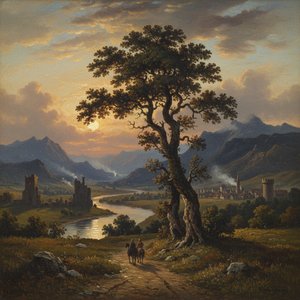
Paul Huet: Capturing the Essence of French Romanticism Through Light and Landscape
Explore the captivating world of Paul Huet (1803-1869), a master of French Romantic landscape painting. Discover his influence on Barbizon & Impressionism, and browse high-quality reproductions at OriginalUniqueArt.
Top 10 Romantische Meesterwerken: Kunst die de Ziel Raakt | OriginalUniqueArt.nl
Ontdek de 10 meest iconische meesterwerken van de Romantiek! Van Delacroix tot Friedrich, leer over emotie, drama & kleur in deze beweging. Museumkwaliteit kunst reproducties op OriginalUniqueArt.com. Exploreer de collectie online!
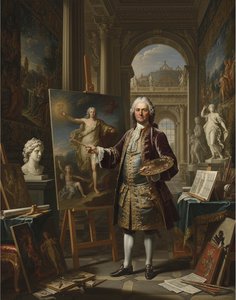
Charles Le Brun: Master of French Baroque Classicism & His Enduring Legacy
Explore the life & art of Charles Le Brun, master of French Baroque Classicism. Discover his royal commissions, influence on Versailles, and enduring legacy through detailed analysis & stunning artworks.
