

 Voorvertoning
 Verstuur
 Delen
Delen
 Details bekijken

 Download
 Vergelijkbare items
 Röntgenonderzoek
 Diavoorstelling
The bathing

 Lees meer
Giclée / Kunstafdrukken
Giclée- of canvasafdruk van museumkwaliteit met een snelle productie en flexibele afwerkingsmogelijkheden. ( Bestel handgeschilderde reproductie Koop afbeelding)




































Kies uit onze vooraf ingestelde maten die overeenkomen met de originele verhoudingen van het kunstwerk.

U kunt uw eigen afmetingen opgeven om in een specifieke lijst of ruimte te passen. Als de door u gekozen maat niet overeenkomt met de proporties van het originele kunstwerk, zullen wij de afbeelding bijsnijden of uitbreiden met een gespiegelde of effen rand. Een digitaal mockup wordt ter goedkeuring naar u verzonden voordat de productie begint.
Houd er rekening mee dat de preview op het scherm de werkelijke bijsneding of uitbreiding niet weergeeft. Alleen de mockup toont de uiteindelijke compositie nauwkeurig.
Hoewel aangepaste maten beschikbaar zijn, raden wij aan een afmeting uit de vooraf bepaalde lijst te kiezen om de originele proporties te behouden.
Wereldwijde levering () binnen 2 weken in plaats van de standaard 4/5 weken. (2 september)

Gratis wereldwijde expressverzending

Hoogwaardig linnen canvas

Volledige verzendverzekering

Garantie op terugbetaling van invoerrechten

Garantie op exacte kleurweergave

Retourbeleid van 60 dagen (alleen bij defecten)

100% Geld-terug-garantie

Korting bij meerdere afnames
 De optie voor glas is alleen beschikbaar bij een formaat kleiner dan 110 cm.

The bathing
Giclée / Kunstafdrukken
Afmetingen reproductie
-


Eindtotaal
$ 81
Biografie van de kunstenaar
The Luminous Vision of Pierre Eugène Montézin
Born in the heart of Paris on October 16th, 1874, Pierre Eugène Montézin emerged as a profound voice within the Impressionist movement, a painter whose soul was deeply tethered to the rhythms of the natural world. His early life was shaped by a unique duality of influence; while his father, a meticulous lace designer, imparted an appreciation for precision and the delicate intricacies of pattern, it was the expansive landscapes of the French countryside that truly captured his heart. These formative excursions through the verdant landscapes of France instilled in him a lifelong reverence for the panorama, a devotion that would eventually transform him into what many call a landscape poet.
The trajectory of Montézin’s artistry took a decisive turn when he entered the studio of Ernest Quost around 1903. Under Quost’s mentorship, the seeds of Impressionist philosophy began to bloom within him. He learned to look beyond mere representation, seeking instead to capture the ephemeral dance of light and the shifting moods of the atmosphere. His training in mural painting further enriched his repertoire, providing him with a sophisticated understanding of how color and scale could evoke deep emotional responses. This technical foundation allowed him to master the art of spontaneity, using loose, expressive brushstrokes to breathe life into scenes of rural tranquility.
A Mastery of Light and Rural Serenity
Montézin’s body of work is characterized by an unwavering commitment to the authentic portrayal of nature and the quiet dignity of country life. Eschewing the grand, often heavy-handed allegories prevalent in the academic art of his era, he found his greatest inspiration in the subtle transitions of a season or the soft glow of dawn over a riverbank. His paintings, such as Landscape with Two Fishermen, serve as windows into a world where time seems to slow, inviting the viewer to experience the serene stillness of the outdoors.
His technical approach was a masterful blend of his inherited precision and his acquired Impressionistic fluidity. One can observe this in works like Alley in the Forest, where the warmth of autumnal colors is balanced by a structured sense of depth. His ability to manipulate light—whether it be the crisp, biting chill of a winter scene in Bineau Boulevard under the Snow or the shimmering reflections on water—demonstrates a profound sensitivity to the fleeting moments that define our perception of reality. Through his palette, Montézin did not merely paint landscapes; he captured the very breath of the earth.
Legacy and Artistic Triumph
The path to recognition was not without its challenges. In the early years of his career, Montézin faced the formidable gatekeepers of the Salon des Artistes Français, where the traditional preference for portraiture and historical subjects often cast landscape painting into a secondary light. However, his persistence was rewarded when he gained acceptance in 1903, eventually earning accolades that solidified his standing within the French art community. His ability to navigate the tension between meticulous observation and Impressionistic freedom allowed him to create a body of work that felt both grounded and ethereal.
Today, the significance of Pierre Eugène Montézin lies in his ability to have elevated the humble landscape to a level of poetic importance. His legacy is found in:
- The Emotional Resonance of Nature: His capacity to translate the physical world into an emotional experience through color and light.
- Technical Versatility: The seamless integration of mural-scale atmospheric depth with the delicate touch of a naturalist.
- Authentic Representation: A dedication to portraying rural life with a sincerity that avoids sentimentality, focusing instead on the raw beauty of the environment.
Through his eyes, we continue to rediscover the quiet majesty of the landscapes he so dearly loved, ensuring that his place as a master of Impressionistic landscape remains etched in the annals of art history.

pierre-eugène montézin
1874 - 1946
Belangrijkste feiten
- Artistic Movement Or Style: Impressionism
- Artists Or Movements Influenced By This Artist: ['Post-Impressionism']
- Artists Who Influenced This Artist: ['Claude Monet']
- Date Of Birth: 1874
- Full Name: Pierre Eugène Montézin
- Nationality: French
- Notable Artworks:
- Le Quai De La Croix Blanche
- Pont sur la Riviere Loing
- Place Of Birth: Paris, France
Gerelateerde artikelen

Top 10 Impressionistische Landschappen: Meesterwerken voor uw Interieur
Ontdek de 10 meest iconische impressionistische landschappen! Leer over Monet, Renoir & andere meesters. Prachtige schilderijen voor uw interieur. Museumkwaliteit reproducties op OriginalUniqueArt.com.

Top 10 Impressionistische Landschappen: Meesterwerken voor uw Interieur
Ontdek de 10 meest iconische impressionistische landschappen van Monet, Renoir & meer. Leer over hun technieken en betekenis. Vind museumkwaliteit kunst reproducties voor uw interieur op OriginalUniqueArt.com!
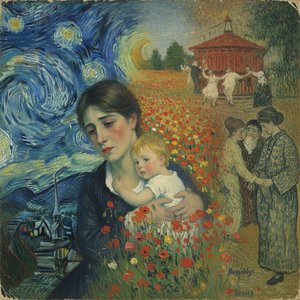
Capturing the Soul: The Most Emotionally Moving Impressionist and Post-Impressionist Masterpieces
Discover the profound emotional depth of Impressionist and Post-Impressionist masterpieces. Explore how legends like Monet, Van Gogh, and Gauguin captured light and soul through evocative landscapes and vibrant brushwork for a timeless connection to art history.

Romantische Landschappen: Top 10 Meesterwerken voor een Sfeervol Interieur | OriginalUniqueArt.nl
Ontdek de 10 meest iconische meesterwerken van de Romantiek! Reis door de tijd met Caspar David Friedrich, Turner & Delacroix. Laat je inspireren en vind museumkwaliteit kunst reproducties voor een sfeervol interieur op OriginalUniqueArt.com.

Beyond the Horizon: A Curated Guide to Integrating Post-Impressionist Landscapes into Modern Interiors
Transform your home with the emotive power of Post-Impressionist landscapes. Discover expert tips on selecting hand-painted oil reproductions to create a soulful, vibrant interior that reflects your unique style and connection to nature.

