

 Bekijk op ware grootte
 Verstuur
 Delen
Delen
 Details bekijken
 Gids voor studentenkunstwerken

 Download
 Vergelijkbare items
 Röntgenonderzoek
 Diavoorstelling
 Statistieken
Monopoly


 Lees meer
De kunstwerken die op deze pagina worden weergegeven, zijn beschermd door de auteursrechtwetgeving, wat betekent dat het ons wettelijk niet is toegestaan om identieke reproducties te maken of te verkopen. Deze bescherming wordt gehandhaafd onder internationale overeenkomsten zoals de Conventie van Bern en door nationale wetgeving, waaronder de bepalingen van de Amerikaanse auteurswet - Titel 17. Alle rechten voorbehouden. Reproduceren of distribueren van afbeeldingen is niet toegestaan zonder uitdrukkelijke schriftelijke toestemming van WahooArt.com en de rechthebbenden.
Deze methode voldoet volledig aan de auteursrechtwetgeving, omdat het niet gaat om het kopiëren of dupliceren van het beschermde kunstwerk. In plaats daarvan is er sprake van een creatieve herinterpretatie — een nieuw schilderij dat door het origineel wordt geïnspireerd, maar er niet identiek aan is.
Giclée / Kunstafdrukken
Giclée- of canvasafdruk van museumkwaliteit met een snelle productie en flexibele afwerkingsmogelijkheden. ( Koop handgeschilderd kunstwerk Schakel over naar digitale afbeeldingen)




P118B €10

P118H €10

P118W €10

P438Z €10

P508JH €12

P508YH €12

P805H €10

P805Z €10

P919BZ €10

P919G €10

P919XJ €10

P959ZH €10

P968JZ €12

W106C €8

W218G €10

W218JH €8

W218Y €10

W307PJ €10

W316G €10

W316PJ €8

W316Y €10

W398PJ €8

W4111J €10

W500HY €15

W500JH €15

W692G €12

W849H €8

W940BG €15

W953PJ €8




Kies uit onze vooraf ingestelde maten die overeenkomen met de originele verhoudingen van het kunstwerk.

Voer de breedte en de hoogte in die u nodig heeft, passend bij uw lijst of uw muur. Een afdruk kan alleen worden ingekort, nooit groter worden gemaakt dan het origineel, waardoor een formaat met een andere verhouding een deel van de afbeelding verliest. Wij sturen u een digitaal mockup ter goedkeuring voordat we iets drukken. De afbeelding op deze pagina toont niet de werkelijke uitsnede — dit is alleen te zien op het mockup.
Wereldwijde levering () binnen 2 weken in plaats van de standaard 4/5 weken. (21 oktober)

Gratis wereldwijde expressverzending

Hoogwaardig linnen canvas

Volledige verzendverzekering

Garantie op terugbetaling van invoerrechten

Garantie op exacte kleurweergave

Retourbeleid van 100 dagen (alleen bij defecten)

100% Geld-terug-garantie

Korting bij meerdere afnames
 De optie voor glas is alleen beschikbaar bij een formaat kleiner dan 110 cm.

Monopoly
Giclée / Kunstafdrukken
Formaat reproductie
-


Totaalprijs
€ 71
The Canvas of a Nation’s Obsession
Warren Brandt's 1964 painting, “Monopoly,” isn’t merely a depiction of a family gathered around a board game; it’s a potent visual metaphor for the American experience in mid-20th century. The scene unfolds within a comfortably furnished living room – a quintessential image of suburban domesticity – yet an underlying tension permeates the artwork. Three figures, rendered with Brandt's signature bold color palette and slightly stylized forms, are deeply engaged in the game, their faces reflecting a mixture of concentration, competitive spirit, and perhaps, a touch of anxiety. The meticulously arranged furniture—a patterned rug, a vase holding flowers, stacks of books – speaks to an aspiration for stability and intellectual fulfillment, juxtaposed against the chaotic potential of the game itself. The painting immediately invites us to consider the complex relationship between individual ambition and collective prosperity, a theme that resonated deeply within American society during this era.
A Fusion of Artistic Influences
Brandt’s artistic journey, shaped by a confluence of influential mentors, is evident in “Monopoly.” His training at Pratt Institute and subsequent studies with the abstract expressionists Philip Guston and Max Beckmann profoundly impacted his approach to color and form. Guston's emphasis on vibrant hues and expressive brushwork—particularly his later work exploring social commentary—is palpable here, while Beckmann’s influence is seen in the painting’s slightly unsettling quality, a subtle hint of unease beneath the surface of domestic tranquility. The inclusion of Yasuo Kuniyoshi, a Japanese-American painter who faced significant challenges during World War II, further enriches the artwork's narrative, suggesting themes of displacement and resilience. Brandt masterfully synthesizes these diverse influences into a distinctly personal style—one characterized by bold color, simplified forms, and a willingness to engage with complex social issues.
The Game as Social Commentary
“Monopoly” transcends the simple depiction of a family game night. The painting subtly critiques the American obsession with wealth accumulation and the potential for unchecked capitalism. The board itself, a symbol of both opportunity and exploitation, dominates the composition. The figures are not simply playing a game; they’re caught in its web, their fates seemingly determined by dice rolls and strategic decisions. Brandt's use of color—particularly the vibrant reds and yellows associated with property acquisition—heightens this sense of urgency and competition. The painting subtly suggests that the pursuit of wealth can be both exhilarating and ultimately isolating, a sentiment that resonated powerfully during a period of rapid economic growth and social change in America.
A Legacy of Reproduction
OriginalUniqueArt has meticulously reproduced “Monopoly” with exceptional attention to detail, capturing Brandt’s distinctive style and the painting's inherent emotional depth. The reproduction faithfully recreates the original’s rich color palette and dynamic composition, offering a stunning addition to any collection or interior space. The artwork’s enduring appeal lies in its ability to evoke both nostalgia for a bygone era and a critical reflection on contemporary social dynamics. By commissioning a hand-painted reproduction, collectors can bring this iconic work into their homes while supporting the preservation of artistic heritage.
Vragen & Antwoorden
Hoe oud was Philip Guston toen "Monopoly" werd gemaakt?
Toen "Monopoly" werd gemaakt in 1964, was Philip Guston - geboren in 1913 - 51 jaar oud.
Waar staat "Monopoly" binnen de terugkerende thema's van Philip Guston?
"Monopoly" verbeeldt family game, monopoly, 1964, warren brandt, color palette, domestic scene, american art, terwijl de bekende thema's van Philip Guston guston’s color, social critique, identity, american satire, figurative art zijn. Een vergelijking tussen beide laat zien hoe het werk zich verhoudt tot de gebruikelijke onderwerpen van de kunstenaar.
Zijn de kleuren van "Monopoly" door Philip Guston levendig of gedempt?
De kleur van "Monopoly" heeft een verzadiging van Clear Color Presence en een intensiteit van Vivid.
Biografie van de kunstenaar
Philip Guston: Een Leven in Kunst
Philip Guston, geboren als Phillip Goldstein in Montreal en overleden in Woodstock, New York, was een kunstenaar van ongekende complexiteit en invloed. Zijn carrière, die zich uitstrekte over vier decennia, is een fascinerende reis door verschillende stijlen en thema's, waarbij hij abstract expressionisme vermengde met representatieve kunst om de donkerste hoeken van de Amerikaanse identiteit te verkennen – racisme, antisemitisme, fascisme en de banaliteit van het kwaad. Zijn werk is een spiegel voor onze tijd, confronterend en onvergetelijk.
Vroege Jaren en Tragische Invloeden
Guston’s jeugd werd getekend door een diepe tragedie: de zelfdoding van zijn vader in 1923. Dit trauma liet een onuitwisbare stempel op zijn artistieke ontwikkeling, waardoor hij zich terugtrok in tekenen en schilderen als een vorm van troost en expressie. Al vroeg toonde hij aanleg voor kunst, eerst door het nadoen van stripfiguren uit kranten, later onder de begeleiding van Frederick John de St. Vrain Schwankovsky, die hem introduceerde tot de Europese moderne kunst, oosterse filosofieën en mystieke literatuur. De kleine ruimte in een kast met een enkele gloeilamp werd zijn toevluchtsoord, een persoonlijke schuilplaats waar hij zich kon onderdompelen in zijn creativiteit, gesteund door de onvoorwaardelijke liefde van zijn moeder.
Van Abstractie naar Figuratieve Expressie: Een Artistieke Transformatie
Guston’s artistieke pad was verre van rechtlijnig. Aanvankelijk liet hij zich inspireren door Renaissance meesters, zoals Piero della Francesca, en creëerde figuratieve werken die een gevoel van klassieke sereniteit uitstraalden. Naarmate zijn carrière vorderde, omarmde hij de abstractie en werd hij een prominente figuur in de New York School, samen met namen als Jackson Pollock en Willem de Kooning. Zijn abstract expressionistische schilderijen kenmerkten zich door dynamische composities en expressieve penseelstreken, een weerspiegeling van de energieke sfeer van het naoorlogse Amerika. Maar Guston was geen man die zich kon laten definiëren door één stijl. In de jaren zestig onderging hij een radicale transformatie, waarbij hij de abstractie verliet en een nieuwe vorm van representatieve kunst introduceerde – een soort neo-expressionisme dat zowel satirisch als confronterend was.
De Late Periode: Satire, Symboliek en Confrontatie
Het werk uit Guston’s late periode is misschien wel het meest controversieel en impactvol. Hij schilderde met een rauwe eerlijkheid die de grenzen van de kunst verlegde, waarbij hij thema's als racisme, antisemitisme en de Amerikaanse identiteit onderzocht door middel van donkere, satirische beelden. De iconografie is onmiskenbaar: karikaturale figuren, vaak met groteske trekken, domineren het doek, terwijl symbolische elementen – legerkisten, éénogenige hoofden – een gevoel van mysterie en onbehagen oproepen. Zijn schilderijen van Klansmannen, hoewel controversieel, zijn geen verheerlijking van haat, maar eerder zelfportretten, een poging om de duisternis in zichzelf en in de Amerikaanse samenleving te confronteren. Guston verklaarde dat hij zich achter de kap voelde zitten, als een observator van het kwaad, en dit gevoel sijpelt door in elk penseelstreep.
Een Erfgoed van Uitdaging en Inspiratie
Philip Guston’s nalatenschap is onlosmakelijk verbonden met zijn vermogen om de conventies te trotseren en een stem te geven aan de vergeten of onderdrukte aspecten van de menselijke ervaring. Zijn werk blijft kunstenaars en kunstliefhebbers wereldwijd inspireren, niet alleen door zijn innovatieve stijl, maar ook door zijn moedige confrontatie met moeilijke thema’s. De recente vertraging van zijn internationale retrospectieve, hoewel controversieel, onderstreept de blijvende relevantie van Guston's werk in een tijd waarin sociale rechtvaardigheid en raciale gelijkheid meer dan ooit centraal staan. Hij blijft een monumentale figuur in de kunstgeschiedenis, een getuige van zijn tijd en een uitdaging voor toekomstige generaties.
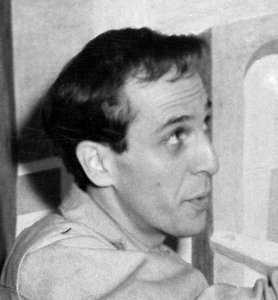
Philip Guston
1913 - 1980 , Canada
Snelle feiten
- Artistic Movement Or Style:
- Abstract Expressionisme
- Neo-Expressionisme
- Artists Or Movements Influenced By This Artist: ['Eddie Martinez']
- Artists Who Influenced This Artist: ['Piero della Francesca']
- Date Of Birth: 27 juni 1913
- Date Of Death: 7 juni 1980
- Full Name: Philip Guston
- Nationality: Canadees-Amerikaans
- Notable Artworks: ['To Fellini']
- Place Of Birth: Montreal, Canada
Gerelateerde artikelen

Van Pixels tot Straatcultuur: Hoe Gaming de Popcultuur Vormgeeft
Ontdek hoe gaming de popcultuur transformeert! Van baanbrekende graphics tot invloed op mode en film – we analyseren de trends en impact van deze dynamische industrie.

Bruggen tussen Werelden: Esthetische Verwantschappen tussen Videogame-Universa en Traditionele Kunststromingen
Ontdek de verrassende artistieke diepgang van videogames! Expert analyse van invloeden uit klassieke kunststromingen, interactieve esthetiek en investeringsmogelijkheden. OriginalUniqueArt: uw gids in de wereld van gaming als kunst.
Voorbij Pixels en Play: De Esthetische en Identiteitswaarde van Gaming Art voor de Moderne Verzamelaar
Ontdek de wereld van gaming art! Expert analyses, unieke collecties & investeringsmogelijkheden. Van retro-games tot moderne meesterwerken – voor verzamelaars met smaak.

Pixelated Prestige: Exploring Scarcity, Value, and Cultural Impact in Limited Edition Gaming Paintings
Explore the world of limited edition gaming paintings! Discover investment strategies, artist insights & preservation tips for collectors. Trusted expertise in rare video game art.

Penseelstreken & Baasgevechten: De Kunstenaars Achter Handgeschilderde Game-Universums – Inspiraties, Persoonlijke Trajecten en de Creatie van Immersieve Werelden
Ontdek de wereld van handgeschilderde game-universums! Lees over inspiratie, creatieve processen en hoe u uw eigen unieke kunstwerk kunt creëren. Expertise & kwaliteit gegarandeerd.