

 Bekijk op ware grootte
 Verstuur
 Delen
Delen
 Details bekijken
 Gids voor studentenkunstwerken

 Download
 Vergelijkbare items
 Röntgenonderzoek
 Diavoorstelling
 Statistieken
Drawing for Conspirators


 Lees meer
De kunstwerken die op deze pagina worden weergegeven, zijn beschermd door de auteursrechtwetgeving, wat betekent dat het ons wettelijk niet is toegestaan om identieke reproducties te maken of te verkopen. Deze bescherming wordt gehandhaafd onder internationale overeenkomsten zoals de Conventie van Bern en door nationale wetgeving, waaronder de bepalingen van de Amerikaanse auteurswet - Titel 17. Alle rechten voorbehouden. Reproduceren of distribueren van afbeeldingen is niet toegestaan zonder uitdrukkelijke schriftelijke toestemming van WahooArt.com en de rechthebbenden.
Deze methode voldoet volledig aan de auteursrechtwetgeving, omdat het niet gaat om het kopiëren of dupliceren van het beschermde kunstwerk. In plaats daarvan is er sprake van een creatieve herinterpretatie — een nieuw schilderij dat door het origineel wordt geïnspireerd, maar er niet identiek aan is.
Giclée / Kunstafdrukken
Giclée- of canvasafdruk van museumkwaliteit met een snelle productie en flexibele afwerkingsmogelijkheden. ( Koop handgeschilderd kunstwerk Schakel over naar digitale afbeeldingen)




P118B €10

P118H €10

P118W €10

P438Z €10

P508JH €12

P508YH €12

P805H €10

P805Z €10

P919BZ €10

P919G €10

P919XJ €10

P959ZH €10

P968JZ €12

W106C €8

W218G €10

W218JH €8

W218Y €10

W307PJ €10

W316G €10

W316PJ €8

W316Y €10

W398PJ €8

W4111J €10

W500HY €15

W500JH €15

W692G €12

W849H €8

W940BG €15

W953PJ €8




Kies uit onze vooraf ingestelde maten die overeenkomen met de originele verhoudingen van het kunstwerk.

Voer de breedte en de hoogte in die u nodig heeft, passend bij uw lijst of uw muur. Een afdruk kan alleen worden ingekort, nooit groter worden gemaakt dan het origineel, waardoor een formaat met een andere verhouding een deel van de afbeelding verliest. Wij sturen u een digitaal mockup ter goedkeuring voordat we iets drukken. De afbeelding op deze pagina toont niet de werkelijke uitsnede — dit is alleen te zien op het mockup.
Wereldwijde levering () binnen 2 weken in plaats van de standaard 4/5 weken. (21 oktober)

Gratis wereldwijde expressverzending

Hoogwaardig linnen canvas

Volledige verzendverzekering

Garantie op terugbetaling van invoerrechten

Garantie op exacte kleurweergave

Retourbeleid van 100 dagen (alleen bij defecten)

100% Geld-terug-garantie

Korting bij meerdere afnames
 De optie voor glas is alleen beschikbaar bij een formaat kleiner dan 110 cm.

Drawing for Conspirators
Giclée / Kunstafdrukken
Formaat reproductie
-


Totaalprijs
€ 71
Drawing for Conspirators – A Descent Into Shadow
Philip Guston’s “Drawing for Conspirators,” completed in 1930, stands as a haunting testament to the anxieties of its time and a cornerstone of his evolving artistic vision. Executed in graphite pencil, pen and ink, colored pencil, and wax crayon on paper—a technique that would become synonymous with his later oeuvre—the artwork plunges viewers into a psychologically charged landscape steeped in symbolism and unsettling imagery. Its presence within the Whitney Museum’s collection underscores its enduring significance as a pivotal piece of Metaphysical art, marking Guston's decisive break from abstract expressionism toward a more visceral exploration of human experience.Composition and Setting: A Fortress of Fear
The scene unfolds within a claustrophobic interior dominated by stark geometric forms—primarily rectangular walls and cylindrical towers—creating an oppressive atmosphere reminiscent of medieval fortifications. These architectural elements serve as a visual anchor for the central figure, positioned kneeling before a tiled floor, manipulating a thick rope that snakes upwards toward a distant gallows. The positioning is deliberate; it suggests vulnerability juxtaposed with impending doom, mirroring the pervasive sense of dread conveyed throughout the composition. Brickwork on the left wall adds textural detail and reinforces the feeling of confinement.Color Palette and Line Work: Monochrome Intensity
Guston’s masterful use of grayscale—primarily blacks, whites, and subtle shades of gray—is paramount to establishing the artwork's mood. Hatching and cross-hatching techniques are employed extensively to build up shadows and delineate forms with remarkable precision, mirroring the stylistic influences of earlier artistic traditions while simultaneously forging a path toward Guston’s signature expressive style. The deliberate lack of color amplifies the emotional impact, forcing viewers to confront the scene's unsettling themes without distraction.Symbolism: Conspiracy and Crucifixion
The artwork is rife with symbolic references that delve into anxieties surrounding political oppression and religious persecution. The hooded figures—a direct nod to imagery associated with the Ku Klux Klan—represent secrecy, intimidation, and historical acts of violence. Their posture conveys submission and vulnerability, while the rope symbolizes punishment and death – motifs frequently explored by Guston throughout his career. The distant gallows serve as a chilling reminder of mortality and underscore the artwork’s overarching preoccupation with themes of fear and existential dread.Style and Legacy: From Abstraction to Raw Emotion
“Drawing for Conspirators” represents Guston's pivotal transition from abstract expressionism toward a more figurative style characterized by bold lines and expressive shading—a stylistic shift that would define his subsequent artistic endeavors. While retaining elements of draftsmanship rooted in classical traditions, the artwork embodies Guston’s commitment to conveying profound emotional resonance through simplified forms and deliberate textural contrasts. Its enduring influence can be seen in contemporary artists who continue to grapple with similar themes of social critique and psychological exploration—solidifying Guston's place as a visionary artist whose work transcends stylistic boundaries to address universal human concerns.Vragen & Antwoorden
Hoe wordt de stemming van "Drawing for Conspirators" door Philip Guston beschreven?
"Drawing for Conspirators" heeft een Dramatic atmosfeer.
Wie is de maker van "Drawing for Conspirators" en uit welk jaar stamt het werk?
"Drawing for Conspirators" werd in 1930 gecreëerd door Philip Guston.
Is "Drawing for Conspirators" vrij van auteursrecht?
"Drawing for Conspirators" door Philip Guston is nog steeds auteursrechtelijk beschermd. Deze status bepaalt hoe de afbeelding van het werk mag worden gereproduceerd.
Biografie van de kunstenaar
Philip Guston: Een Leven in Kunst
Philip Guston, geboren als Phillip Goldstein in Montreal en overleden in Woodstock, New York, was een kunstenaar van ongekende complexiteit en invloed. Zijn carrière, die zich uitstrekte over vier decennia, is een fascinerende reis door verschillende stijlen en thema's, waarbij hij abstract expressionisme vermengde met representatieve kunst om de donkerste hoeken van de Amerikaanse identiteit te verkennen – racisme, antisemitisme, fascisme en de banaliteit van het kwaad. Zijn werk is een spiegel voor onze tijd, confronterend en onvergetelijk.
Vroege Jaren en Tragische Invloeden
Guston’s jeugd werd getekend door een diepe tragedie: de zelfdoding van zijn vader in 1923. Dit trauma liet een onuitwisbare stempel op zijn artistieke ontwikkeling, waardoor hij zich terugtrok in tekenen en schilderen als een vorm van troost en expressie. Al vroeg toonde hij aanleg voor kunst, eerst door het nadoen van stripfiguren uit kranten, later onder de begeleiding van Frederick John de St. Vrain Schwankovsky, die hem introduceerde tot de Europese moderne kunst, oosterse filosofieën en mystieke literatuur. De kleine ruimte in een kast met een enkele gloeilamp werd zijn toevluchtsoord, een persoonlijke schuilplaats waar hij zich kon onderdompelen in zijn creativiteit, gesteund door de onvoorwaardelijke liefde van zijn moeder.
Van Abstractie naar Figuratieve Expressie: Een Artistieke Transformatie
Guston’s artistieke pad was verre van rechtlijnig. Aanvankelijk liet hij zich inspireren door Renaissance meesters, zoals Piero della Francesca, en creëerde figuratieve werken die een gevoel van klassieke sereniteit uitstraalden. Naarmate zijn carrière vorderde, omarmde hij de abstractie en werd hij een prominente figuur in de New York School, samen met namen als Jackson Pollock en Willem de Kooning. Zijn abstract expressionistische schilderijen kenmerkten zich door dynamische composities en expressieve penseelstreken, een weerspiegeling van de energieke sfeer van het naoorlogse Amerika. Maar Guston was geen man die zich kon laten definiëren door één stijl. In de jaren zestig onderging hij een radicale transformatie, waarbij hij de abstractie verliet en een nieuwe vorm van representatieve kunst introduceerde – een soort neo-expressionisme dat zowel satirisch als confronterend was.
De Late Periode: Satire, Symboliek en Confrontatie
Het werk uit Guston’s late periode is misschien wel het meest controversieel en impactvol. Hij schilderde met een rauwe eerlijkheid die de grenzen van de kunst verlegde, waarbij hij thema's als racisme, antisemitisme en de Amerikaanse identiteit onderzocht door middel van donkere, satirische beelden. De iconografie is onmiskenbaar: karikaturale figuren, vaak met groteske trekken, domineren het doek, terwijl symbolische elementen – legerkisten, éénogenige hoofden – een gevoel van mysterie en onbehagen oproepen. Zijn schilderijen van Klansmannen, hoewel controversieel, zijn geen verheerlijking van haat, maar eerder zelfportretten, een poging om de duisternis in zichzelf en in de Amerikaanse samenleving te confronteren. Guston verklaarde dat hij zich achter de kap voelde zitten, als een observator van het kwaad, en dit gevoel sijpelt door in elk penseelstreep.
Een Erfgoed van Uitdaging en Inspiratie
Philip Guston’s nalatenschap is onlosmakelijk verbonden met zijn vermogen om de conventies te trotseren en een stem te geven aan de vergeten of onderdrukte aspecten van de menselijke ervaring. Zijn werk blijft kunstenaars en kunstliefhebbers wereldwijd inspireren, niet alleen door zijn innovatieve stijl, maar ook door zijn moedige confrontatie met moeilijke thema’s. De recente vertraging van zijn internationale retrospectieve, hoewel controversieel, onderstreept de blijvende relevantie van Guston's werk in een tijd waarin sociale rechtvaardigheid en raciale gelijkheid meer dan ooit centraal staan. Hij blijft een monumentale figuur in de kunstgeschiedenis, een getuige van zijn tijd en een uitdaging voor toekomstige generaties.
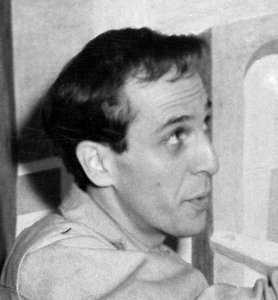
Philip Guston
1913 - 1980 , Canada
Snelle feiten
- Artistic Movement Or Style:
- Abstract Expressionisme
- Neo-Expressionisme
- Artists Or Movements Influenced By This Artist: ['Eddie Martinez']
- Artists Who Influenced This Artist: ['Piero della Francesca']
- Date Of Birth: 27 juni 1913
- Date Of Death: 7 juni 1980
- Full Name: Philip Guston
- Nationality: Canadees-Amerikaans
- Notable Artworks: ['To Fellini']
- Place Of Birth: Montreal, Canada
Gerelateerde artikelen

Mastering the Line: A Comprehensive Expert Guide to Technical Precision and Expressive Depth in Drawing
Elevate your artistic practice with this expert guide to mastering the line. Discover advanced techniques in graphite, charcoal, and contour drawing designed for art students seeking technical precision and expressive depth in their fine art studies.
Philip Guston: Reassessing Abstraction, Figuration & the Weight of Representation
Explore the complex evolution of Philip Guston's art – from abstraction to raw figuration. Discover his powerful social commentary, lasting influence & collecting insights with OriginalUniqueArt.
The Nuances of Graphite: Exploring Emotional Depth & Technical Mastery in Pencil Drawing
Explore the captivating world of graphite drawing! Discover its rich history, master essential techniques like chiaroscuro, and learn how artists evoke emotion through this timeless medium. Expert insights for art enthusiasts.
The Eloquent Line: Exploring the Artistic Significance of Sketches Across Movements and Media
Explore the profound artistic significance of sketches throughout history. From Renaissance masters to modern innovators like Van Gogh & Guston, discover how these foundational works reveal technique, emotion, and vision. Learn more at OriginalUniqueArt.

The Art of the Line: A Masterclass in Drawing Techniques and the Evolution of Graphic Expression
Explore the profound history of drawing techniques, from Dürer's precision to the alchemy of graphite. Discover how masters use line, weight, and contour to capture the human spirit in this expert guide to art history and technical mastery.