

 Voorvertoning
 Verstuur
 Delen
Delen
 Details bekijken

 Download
 Vergelijkbare items
 Röntgenonderzoek
 Diavoorstelling
Onbevangenheid


 Lees meer
Handgemaakte olieverfreproductie
Met de hand geschilderd in olieverf op canvas in uw gewenste maat en lijst, op bestelling gemaakt door onze kunstenaars. ( Bestel print Koop afbeelding)




P118B $10

P118H $10

P118W $10

P438Z $10

P508JH $12

P508YH $12

P805H $10

P805Z $10

P919BZ $10

P919G $10

P919XJ $10

P959ZH $10

P968JZ $12

W106C $8

W218G $10

W218JH $8

W218Y $10

W307PJ $10

W316G $10

W316PJ $8

W316Y $10

W398PJ $8

W4111J $10

W500HY $15

W500JH $15

W692G $12

W849H $8

W940BG $15

W953PJ $8




Kies uit onze vooraf ingestelde maten die overeenkomen met de originele verhoudingen van het kunstwerk.

U kunt uw eigen afmetingen invoeren om in een specifieke lijst of ruimte te passen. Als de door u gekozen maat niet overeenkomt met de verhoudingen van het originele beeld, zullen we het kunstwerk bijsnijden of het schilderij uitbreiden met extra handgeschilderde elementen. Een digitale mockup wordt ter goedkeuring naar u verzonden voordat de productie begint.
Houd er rekening mee dat de preview op het scherm niet de werkelijke uitsnede of uitbreiding weergeeft. Alleen de mockup toont de uiteindelijke compositie nauwkeurig.
Hoewel aangepaste afmetingen mogelijk zijn, raden we aan een maat uit de vooraf gedefinieerde lijst te selecteren om de originele verhoudingen te behouden.
Na de bestelling zal het team van OriginalUniqueArt.com per e-mail contact opnemen met de klant voor instructies en een mockup-voorbeeld sturen.
Wereldwijde levering () binnen 3 tot 4 weken in plaats van de standaard 5 weken. (21 augustus). Zonder concessies aan de kwaliteit.

Gratis wereldwijde expressverzending

Hoogwaardig linnen canvas

Volledige verzendverzekering

Garantie op terugbetaling van invoerrechten

Garantie op exacte kleurweergave

Retourbeleid van 60 dagen (alleen bij defecten)

100% Geld-terug-garantie

Korting bij meerdere afnames
 De optie voor glas is alleen beschikbaar bij een formaat kleiner dan 110 cm.

Onbevangenheid
Druktechniek
Afmetingen reproductie
-


Eindtotaal
$ 300
Beschrijving kunstwerk
Een Onderzoek naar de Laatgotische Pracht van Pedro de Cordoba
De Annunciatie, een schilderij van de Spaanse kunstenaar Pedro de Cordoba uit 1475, is meer dan alleen een religieuze afbeelding; het is een prachtige incarnatie van de esthetiek en spirituele gevoeligheid van de Laatgotische periode. Deze werken werden vaak bestemd voor kerken en kapellen en waren bedoeld om bezoekers te inspireren tot gebed en contemplatie.
- Subject Materie: Het kunstwerk illustreert een essentieel moment uit het Nieuwe Testament – de verschijning van het Laatste Avondsmaal aan Maria Magdalena, waarbij de Archangel Gabriel haar aankondigt dat zij zwanger zal worden van Jozef en het Koninkrijk van Israël zal voortbrengen. Een onderwerp dat al eeuwenlang een belangrijke plaats inneemt in christelijke kunstgeschiedenis.
- Stijl: De Laatgotische stijl kenmerkt zich door een zoektocht naar schoonheid en emotionele expressie, terwijl de artistieke traditie nog steeds sterk gebonden is aan religieuze thema’s. Pedro de Cordoba heeft deze stijl perfect weten te combineren met een gevoel voor natuurlijke anatomie en lichtschaduw, waardoor het beeld een bijna levensechte kwaliteit krijgt.
Techniek: De Annunciatie is uitgevoerd in tempera op houtpaneel, een techniek die bijzonder populair was tijdens de Laatgotische periode. Tempera bestaat uit pigmenten gemengd met een bindmiddel zoals lijm en biedt een prachtige kleurintensiteit en duurzaamheid. Het gebruik van lichtschaduw creëert een gevoel voor ruimte en diepte, waardoor het publiek wordt uitgenodigd om zich mee te verliezen in de serene omgeving van het beeld.
Historische Context: Het schilderij werd gecreëerd tijdens een tijd waarin de katholieke kerk een dominante rol speelde in Europese samenlevingen. De kunstenaars werden vaak aangemoedigd door de kerk om afbeeldingen te maken die het geloof en de religieuze devotie bevorderden. Pedro de Cordoba’s werk is een prachtige illustratie van deze tijdgeest, waarbij schoonheid en spiritualiteit hand in hand gaan.
Symbolisme: De compositie bevat verschillende symbolische elementen die een belangrijke rol spelen bij het begrijpen van het kunstwerk. Het witte gewaad van Gabriel staat voor zuiverheid en goddelijkheid, terwijl de bloem van de glorie – een symbool van Maria’s wijsheid en schoonheid – een prachtige kleurrijke toets geeft aan het beeld. De afbeelding van het houtpaneel zelf verwijst naar het kruisbeeld en onderstreept daarmee het centrale thema van het kunstwerk: het offer en de redding.
Emotionele Impact: De Annunciatie roept een gevoel van verwondering en nederigheid op bij wie hem aanschouwt. Het beeld spreekt tot het hart en biedt een moment van stilte en contemplatie aan. Een kunstwerk dat nog steeds vandaag de dag mensen inspireert tot zelfreflectie en een diepere waardering voor het prachtige schoon van de natuur en het geloof.
Biografie van de kunstenaar
A New York Vision of the Old Masters: The Life and Art of Pedro de Cordoba
Pedro de Cordoba, born in New York City in 1881, occupies a fascinating, if somewhat elusive, position within the landscape of early 20th-century American art. While biographical details remain sparse—a common fate for artists whose work didn’t immediately capture widespread critical attention during their lifetime—his paintings offer compelling evidence of a deeply cultivated artistic sensibility and a remarkable technical skill rooted in the traditions of European Old Masters, particularly those of Spain's Golden Age. Cordoba wasn’t merely copying past styles; he was engaging in a dialogue with them, reinterpreting religious iconography and classical composition through a distinctly American lens. His most celebrated work, “Annunciation,” exemplifies this beautifully—a scene steeped in the devotional fervor of Renaissance painting yet imbued with a quiet intimacy that feels uniquely modern.Early Influences and Artistic Training
The precise nature of Cordoba’s artistic training remains largely undocumented. However, given his eventual mastery of tempera on wood panel – a technique favored by artists from centuries past—it is reasonable to assume he sought out instruction in traditional methods. New York City at the turn of the century was a burgeoning art center, offering access to a diverse range of influences. The Metropolitan Museum of Art, founded in 1870, would have been an invaluable resource for studying European masterpieces firsthand. It’s plausible that Cordoba also benefited from private lessons or workshops focused on historical painting techniques. His work reveals a clear understanding of composition, light and shadow, and the meticulous detail characteristic of artists like Fra Angelico and Jan van Eyck. The influence of Spanish religious art is particularly pronounced, suggesting a possible fascination with the works of masters such as Zurbarán and Murillo—artists who imbued their sacred subjects with profound emotional depth and dramatic realism.The Evocative Power of “Annunciation”
“Annunciation,” Cordoba’s most recognizable painting, stands as a testament to his artistic vision. The scene depicts the Virgin Mary kneeling in prayer as the Angel Gabriel announces her impending motherhood. What sets this work apart is not simply its technical brilliance—the delicate rendering of fabrics, the luminous quality of the tempera paint, and the intricate details of the church interior—but also its emotional resonance. Unlike many depictions of the Annunciation that emphasize grandeur and divine spectacle, Cordoba’s version feels intimate and personal. Mary's expression is one of quiet contemplation rather than awe or fear, creating a sense of profound humility and grace. The use of gold leaf adds to the painting’s ethereal quality, evoking the sacred atmosphere of medieval icons. It’s a work that invites viewers to contemplate the mystery of faith and the power of divine revelation.A Legacy in Religious Painting
While Cordoba may not have achieved widespread fame during his lifetime, his paintings continue to captivate audiences with their beauty and emotional depth. His legacy lies primarily in his ability to seamlessly blend traditional techniques with a modern sensibility, creating works that are both reverent and deeply personal. He represents a fascinating intersection of artistic influences—a New York-born artist who found inspiration in the Old Masters yet forged his own unique path within the world of religious painting. Though information about his life remains limited, the enduring power of paintings like “Annunciation” ensures that Pedro de Cordoba’s work will continue to be appreciated for generations to come. His artistic style is a testament to the timeless appeal of classical composition and the evocative power of faith-based imagery.Historical Significance & Rediscovery
Pedro de Cordoba passed away in 1950, leaving behind a body of work that gradually gained recognition in the latter half of the 20th century. His paintings are now sought after by collectors and art enthusiasts who appreciate their unique blend of technical skill and emotional depth. The rediscovery of his work highlights the importance of looking beyond established narratives to uncover hidden gems within American art history. Cordoba’s story serves as a reminder that artistic talent can flourish in unexpected places, and that even artists whose names are not widely known can leave behind a lasting legacy through their dedication to craft and vision. His paintings offer a glimpse into a world where tradition and modernity coexist—a testament to the enduring power of art to transcend time and cultural boundaries. The OriginalUniqueArt, OriginalUniqueArt and other platforms dedicated to reproducing fine art have played a crucial role in bringing his work to a wider audience.
Pedro de Cordoba
1881 - 1950 , United States of America
Belangrijkste feiten
- Artistic Movement Or Style: Cubism, Surrealism
- Artists Or Movements Influenced By This Artist: ['Surrealism']
- Artists Who Influenced This Artist:
- Paul Cézanne
- Georges Braque
- Date Of Birth: October 25, 1881
- Date Of Death: April 8, 1973
- Full Name: Pablo Diego José Francisco de Paula Juan Nepomuceno María de los Remedios Cipriano de la Santísima Trinidad Ruiz y Picasso
- Nationality: Spanish
- Notable Artworks:
- Guernica
- Les Demoiselles d’Avignon
- The Weeping Woman
- Three Musicians
- Place Of Birth: Málaga, Spain
Gerelateerde artikelen

Dante Gabriel Rossetti's Top 25 Meesterwerken: Kunst voor uw Interieur | OriginalUniqueArt
Ontdek de 25 meest betoverende meesterwerken van Dante Gabriel Rossetti! Duik in de wereld van Pre-Raphaëlitische kunst, symbolisme & romantiek. Vind museumkwaliteit reproducties en inspiratie voor uw interieur op OriginalUniqueArt.com.

Gothic Vibes: From Dark Shadows to Bold Modern Edge | The Ultimate Trend Forecast
Explore the evolution of Gothic vibes, from historical shadows to bold modern edge. Discover how dark aesthetics, noir interiors, and contemporary subcultures are redefining modern design through a high-impact, trend-focused lens.
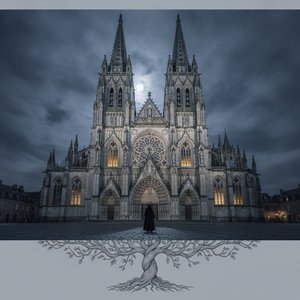
Shadows & Splendor: A Journey Through the Soul of Gothic Art and Architectural Grandeur
Embark on a profound journey through the spiritual intensity of Gothic art. Explore the architectural marvels, luminous stained glass, and sacred sculptures that define this era of grandeur and human devotion.
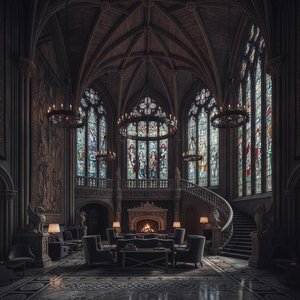
Gothic Art Guide for Hotel Designers: Leveraging Dramatic Shadows and Architectural Grandeur in Luxury Interiors
Elevate hospitality interiors with our expert guide to Gothic art. Discover how to leverage dramatic shadows, architectural grandeur, and high-end reproductions to create sophisticated, atmospheric hotel spaces that captivate guests.
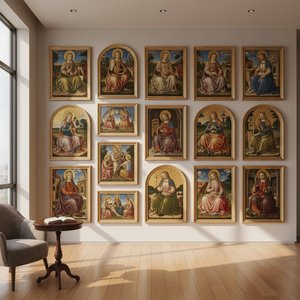
Fra Angelico's Top 25 Meesterwerken: Renaissance Kunst voor uw Interieur | OriginalUniqueArt.com
Ontdek de 25 mooiste meesterwerken van Fra Angelico! Verlies u in de spirituele schoonheid van Renaissance fresco's & panel schilderijen. Koop museumkwaliteit reproducties en breng Italiaanse kunst naar uw interieur op OriginalUniqueArt.com.


