
 Voorvertoning
 Verstuur
 Delen
Delen
 Details bekijken

 Download
 Vergelijkbare items
 Röntgenonderzoek
 Diavoorstelling
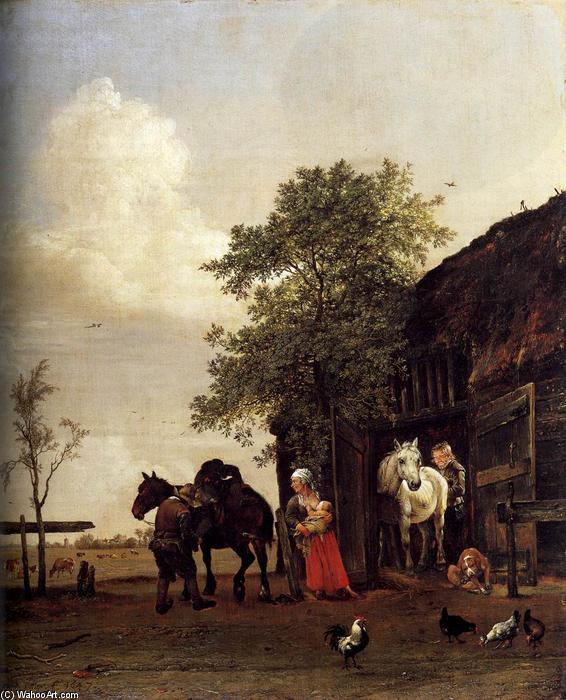
Figures with Horses by a Stable
 Acrylic On Canvas
- WallArt
- Romantic Landscape Painting
 1647
1647 45.0 x 38.0 cm
 Philadelphia Museum of Art
 Lees meer
Handgemaakte olieverfreproductie
Met de hand geschilderd in olieverf op canvas in uw gewenste maat en lijst, op bestelling gemaakt door onze kunstenaars. ( Bestel print Koop afbeelding)




P118B $10

P118H $10

P118W $10

P438Z $10

P508JH $12

P508YH $12

P805H $10

P805Z $10

P919BZ $10

P919G $10

P919XJ $10

P959ZH $10

P968JZ $12

W106C $8

W218G $10

W218JH $8

W218Y $10

W307PJ $10

W316G $10

W316PJ $8

W316Y $10

W398PJ $8

W4111J $10

W500HY $15

W500JH $15

W692G $12

W849H $8

W940BG $15

W953PJ $8




Kies uit onze vooraf ingestelde maten die overeenkomen met de originele verhoudingen van het kunstwerk.

U kunt uw eigen afmetingen invoeren om in een specifieke lijst of ruimte te passen. Als de door u gekozen maat niet overeenkomt met de verhoudingen van het originele beeld, zullen we het kunstwerk bijsnijden of het schilderij uitbreiden met extra handgeschilderde elementen. Een digitale mockup wordt ter goedkeuring naar u verzonden voordat de productie begint.
Houd er rekening mee dat de preview op het scherm niet de werkelijke uitsnede of uitbreiding weergeeft. Alleen de mockup toont de uiteindelijke compositie nauwkeurig.
Hoewel aangepaste afmetingen mogelijk zijn, raden we aan een maat uit de vooraf gedefinieerde lijst te selecteren om de originele verhoudingen te behouden.
Na de bestelling zal het team van OriginalUniqueArt.com per e-mail contact opnemen met de klant voor instructies en een mockup-voorbeeld sturen.
Wereldwijde levering () binnen 3 tot 4 weken in plaats van de standaard 5 weken. (20 augustus). Zonder concessies aan de kwaliteit.

Gratis wereldwijde expressverzending

Hoogwaardig linnen canvas

Volledige verzendverzekering

Garantie op terugbetaling van invoerrechten

Garantie op exacte kleurweergave

Retourbeleid van 60 dagen (alleen bij defecten)

100% Geld-terug-garantie

Korting bij meerdere afnames
 De optie voor glas is alleen beschikbaar bij een formaat kleiner dan 110 cm.

Figures with Horses by a Stable
Druktechniek
Afmetingen reproductie
-


Eindtotaal
$ 300
Beschrijving kunstwerk
A Window Into Dutch Baroque: Paulus Potter’s “Figures with Horses by a Stable”
Paulus Potter (1625-1654), a name that resonates deeply within the annals of Dutch Golden Age art, stands as an unparalleled pioneer—a visionary who bridged the gap between meticulous observation and emotive expression. Born in Enkhuizen on November 20, 1625, his artistic journey commenced amidst a familial tapestry woven with threads of creative talent; his father, Pieter Symonsz Potter, was celebrated for his masterful execution of gilded leather hangings and charming genre scenes, while his mother, Aaltje Paulusdr Bartsius, carried the legacy of Willem Bartsius’s esteemed artistry. This formative environment undoubtedly instilled in young Paulus a profound appreciation for the natural world and cultivated an unwavering dedication to artistic precision—qualities that would define his oeuvre. His relocation to Leiden in 1628, followed by Amsterdam in 1631, cemented his position within a vibrant artistic ecosystem brimming with intellectual ferment and transformative influences. It was precisely in Amsterdam’s bustling studios that Potter honed his craft under the tutelage of his father, absorbing invaluable lessons in composition and rendering realistic animal forms.- Subject Matter: The painting depicts a serene tableau—a man attempting to mount his horse with assistance from another individual within the confines of a modest stable yard. This seemingly simple scene transcends mere depiction; it embodies a profound meditation on human interaction with domesticated animals, reflecting the prevailing pastoral ethos of the era.
- Style: Potter’s work exemplifies the burgeoning Romantic movement's influence on Dutch Baroque art. Unlike earlier depictions prioritizing idealized beauty, “Figures with Horses” prioritizes unflinching realism—a commitment to capturing the textures and nuances of animal musculature and behavior with breathtaking accuracy.
- Technique: Potter employed a masterful oil painting technique characterized by meticulous layering and blending—a painstaking process that allowed him to achieve an astonishing level of detail. The artist skillfully utilized chiaroscuro, employing dramatic contrasts between light and shadow to sculpt the forms of the horse and man, imbuing them with palpable physicality and conveying a sense of immediacy.
- Historical Context: Created in 1647, “Figures with Horses” emerged during a period marked by significant societal shifts—the rise of mercantilism fueled economic prosperity alongside growing anxieties about social hierarchy and moral virtue. Potter’s depiction aligns seamlessly with the broader artistic preoccupation of his time—a fascination with capturing the beauty and dignity inherent in rural life and portraying animals as subjects worthy of contemplation.
- Symbolism: Beyond its visual splendor, “Figures with Horses” carries symbolic weight. The horse itself represents strength, nobility, and dominion—themes frequently explored within Dutch art during this period. Simultaneously, the act of mounting symbolizes ambition and aspiration, mirroring the aspirations of individuals striving for social advancement.
Further Exploration
For a deeper understanding of Potter’s artistic vision and its enduring influence, consult resources such as:
* Figures with Horses by a Stable by POTTER, Paulus (Web Gallery of Art)
* Paulus Potter - Figures with Horses by a Stable(OriginalUniqueArt)
Biografie van de kunstenaar
A Brief Life Illuminated: The World of Paulus Potter
Paulus Potter, a name inextricably linked to the heart of the Dutch Golden Age and its profound connection to nature, enjoyed a tragically short but remarkably impactful artistic career. Born in Enkhuizen on November 20, 1625, and baptized that very same day, his artistic journey began within a family already steeped in creative tradition. His father, Pieter Symonsz Potter, was a highly respected painter specializing in the intricate craft of gilded leather hangings and charming genre scenes – capturing everyday life with remarkable detail and warmth. His mother, Aaltje Paulusdr Bartsius, possessed familial ties to Willem Bartsius, an esteemed painter whose legacy continued through her lineage. This nurturing environment, rich with artistic influence, undoubtedly laid the foundation for young Paulus’s burgeoning talents. The family's relocation first to Leiden in 1628, and then to the bustling metropolis of Amsterdam in 1631, proved pivotal, providing him with access to a wider world of artistic inspiration and opportunity – a vibrant hub teeming with workshops, galleries, and influential patrons. It was within the dynamic atmosphere of Amsterdam that he began his formal training under his father’s guidance, though some scholars suggest potential studies with Claes Moeyaert, a prominent painter known for his atmospheric landscapes, may have further shaped his early artistic development.From Delft Guilds to Hague Landscapes
Potter's ambition and dedication led him to join the prestigious Guild of Saint Luke in Delft, a significant milestone for any aspiring artist seeking recognition within the Dutch Republic’s art world. However, it was his move to The Hague around 1649 that truly marked a turning point in his artistic trajectory and personal life. Establishing himself near the renowned landscape painter Jan van Goyen – whose mastery of atmospheric effects and realistic depictions of nature would subtly permeate Potter's own style – proved incredibly influential. This period also witnessed a significant shift in Potter’s personal circumstances. In July 1650, he married Adriana van Balckeneynde, a union that opened doors to influential circles thanks to her father, a prominent building contractor and respected figure within the city’s elite. Through this connection, Potter found himself introduced to members of Dutch high society, including the esteemed Amalia of Solms-Braunfels, who would become a discerning patron of his work, commissioning several paintings that showcased his evolving style. A brief return to Amsterdam in May 1652, at the invitation of physician and art enthusiast Nicolaes Tulp – who commissioned a portrait of his son Dirck – offered further recognition and solidified his position within artistic circles. Sadly, this period of burgeoning success was tragically cut short by illness; Paulus Potter succumbed to tuberculosis on January 17, 1654, at the young age of twenty-eight, leaving behind a legacy of remarkable beauty and innovation.The Pastoral Vision: Style and Major Works
Paulus Potter carved a unique and instantly recognizable niche for himself within the vibrant landscape of Dutch Golden Age painting. He became celebrated primarily for his captivating depictions of animals – particularly cattle – seamlessly integrated into expansive, meticulously rendered landscapes. His compositions are often characterized by a strikingly low vantage point, an artistic choice that dramatically emphasizes the scale and grandeur of nature, dwarfing even the majestic beasts he portrayed. The Young Bull, created around 1647, remains his most iconic work – a monumental painting measuring nearly two meters in height and width – now housed in the Mauritshuis in The Hague. Initially met with some critical reservation due to its unconventional scale, it later gained widespread acclaim as a pioneering example of Romanticism’s nascent sensibility – a profound emotional connection to the natural world that resonated deeply with viewers then, and continues to do so today. Beyond this masterpiece, Potter produced other notable paintings such as Figures with Horses by a Stable (1647), depicting a group of figures interacting with horses in a rustic setting; *Punishment of a Hunter* (circa 1647), a dramatic scene illustrating the consequences of reckless hunting; *Two Pigs in a Sty* (1649), capturing a serene moment of domesticity; and *Wolf-hound* (approximately 1650–1652), portraying a solitary wolfhound against a vast, atmospheric landscape. He also demonstrated his versatility through numerous etchings, often focusing on the detailed portrayal of cattle and other animals – showcasing his mastery of line and texture.Influences and Artistic Development
Potter’s artistic development was shaped by a confluence of influences. His father's training in gilded leather hangings instilled in him an appreciation for detail and craftsmanship, while his mother’s lineage connected him to the esteemed painter Willem Bartsius. The vibrant artistic community of Amsterdam provided access to diverse styles and techniques, including those of Claes Moeyaert, whose atmospheric landscapes undoubtedly influenced Potter’s approach to composition and light. However, it was Jan van Goyen who exerted the most profound impact on Potter's style – his mastery of capturing the subtle nuances of light, shadow, and atmosphere served as a crucial model for Potter’s own work. Potter’s early works often featured more traditional genre scenes, but he gradually shifted towards landscapes with animals, developing a distinctive visual language characterized by low horizon lines, realistic animal depictions, and an emphasis on capturing the emotional resonance of nature. His later paintings demonstrate a growing confidence and experimentation, reflecting his evolving artistic vision.Legacy and Lasting Influence
Despite his tragically brief life, Paulus Potter’s artistic legacy endures as a testament to his exceptional talent and unique vision. He is now recognized as a pivotal figure in the transition from Mannerism to Romanticism within Dutch painting – a precursor to the movement's emphasis on the sublime power of nature and the emotional response it evokes. His work continues to captivate viewers with its remarkable realism, atmospheric depth, and profound sense of tranquility. The influence of Jan van Goyen is readily apparent in Potter’s landscapes, particularly in the subtle atmospheric effects and commitment to realistic representation. His paintings offer a poignant glimpse into the Dutch countryside during a period of immense prosperity and artistic innovation – a reminder of the beauty and serenity that can be found in the natural world. Even today, Paulus Potter is honored with a statue in his birthplace of Enkhuizen, depicting him sketching a goat – a fitting tribute to an artist who dedicated his life to capturing the beauty and majesty of the natural world.
Paulus Potter
1625 - 1654 , Nederland
Belangrijkste feiten
- Artistic Movement Or Style: Romantiek
- Artists Or Movements Influenced By This Artist: ['Romantiek']
- Artists Who Influenced This Artist: ['Jan van Goyen']
- Date Of Birth: 20 nov 1625
- Date Of Death: 17 jan 1654
- Full Name: Paulus Pieterszoon Potter
- Nationality: Nederlands
- Notable Artworks:
- Jonge Stier
- Figuren met paarden
- Jachtschopende man
- Place Of Birth: Enkhuizen, Nederland
Gerelateerde artikelen
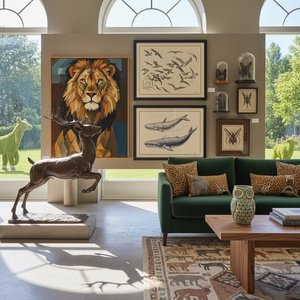
Animalia: De Blijvende Aanwezigheid van Dieren in Kunst en Interieurontwerp
Ontdek de betekenis en schoonheid van dierenkunst door de eeuwen heen. Laat u inspireren voor uw interieur met onze collectie schilderijen & reproducties bij .

Golden Age Reflections: Dutch Baroque Painting & Cultural Innovation
Explore the Dutch Golden Age of painting! Discover key artists like Vermeer & ter Borch, their innovative techniques, and the rich cultural context behind these Baroque masterpieces. Learn about collecting & appreciating this iconic art period.

Chiaroscuro and Character: A Definitive Guide to Light and Shadow in the Dutch Baroque Era
Explore the dramatic mastery of the Dutch Baroque era. Discover how masters like Rembrandt used chiaroscuro to transform everyday life into timeless art. An expert guide for collectors and enthusiasts seeking to understand the profound interplay of light and shadow.

Top 10 Nederlandse Barok Meesterwerken: Kunstgeschiedenis voor uw Interieur
Ontdek de 10 meest iconische meesterwerken van de Nederlandse Barok! Leer over Rembrandt, Vermeer en andere Hollandse meesters. Prachtige reproducties voor uw interieur op OriginalUniqueArt.com – museumkwaliteit kunstprints & decoratie.
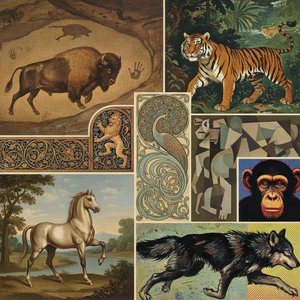
Beastly Brushstrokes: A Historical Journey Through Animal Painting & Aesthetic Movements
Explore the rich history of animal painting across cultures & movements. Discover iconic artists, symbolism, collecting trends & expert art consultation at OriginalUniqueArt.com.



