
 Voorvertoning
 Verstuur
 Delen
Delen
 Details bekijken
 Gids
Gids

 Download
 Vergelijkbare items
 Röntgenonderzoek
 Diavoorstelling
 Vraag & antwoord
 Statistieken
Eclipse of the Sunflower

- 71.0 x 91.0 cm


 Lees meer
Giclée / Kunstafdrukken
Giclée- of canvasafdruk van museumkwaliteit met een snelle productie en flexibele afwerkingsmogelijkheden. ( Bestel handgeschilderde reproductie Schakel over naar digitale afbeeldingen)




P118B €10

P118H €10

P118W €10

P438Z €10

P508JH €12

P508YH €12

P805H €10

P805Z €10

P919BZ €10

P919G €10

P919XJ €10

P959ZH €10

P968JZ €12

W106C €8

W218G €10

W218JH €8

W218Y €10

W307PJ €10

W316G €10

W316PJ €8

W316Y €10

W398PJ €8

W4111J €10

W500HY €15

W500JH €15

W692G €12

W849H €8

W940BG €15

W953PJ €8




Kies uit onze vooraf ingestelde maten die overeenkomen met de originele verhoudingen van het kunstwerk.

Voer de gewenste breedte en hoogte in, passend bij uw lijst of muur. Een afdruk kan alleen worden ingekort en nooit groter worden gemaakt dan het origineel; een formaat met andere verhoudingen zal daarom een deel van de afbeelding verliezen. Wij sturen u een digitaal mockup ter goedkeuring voordat we tot drukwerk overgaan. De afbeelding op deze pagina toont niet de werkelijke uitsnede — dit is alleen te zien op het mockup.
Wereldwijde levering () binnen 2 weken in plaats van de standaard 4/5 weken. (4 november)

Gratis wereldwijde expressverzending

Hoogwaardig linnen canvas

Volledige verzendverzekering

Garantie op terugbetaling van invoerrechten

Garantie op exacte kleurweergave

Retourbeleid van 100 dagen (alleen bij defecten)

100% Geld-terug-garantie

Korting bij meerdere afnames
 De optie voor glas is alleen beschikbaar bij een formaat kleiner dan 110 cm.

Eclipse of the Sunflower
Giclée / Kunstafdrukken
Afmetingen reproductie
-


Eindtotaal
€ 72
A Poignant Meditation on Decay and Renewal
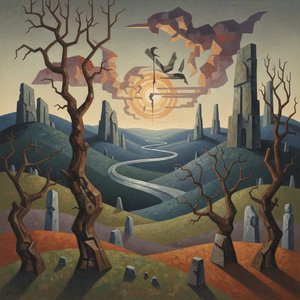
In the twilight of his prolific career, Paul Nash captured a moment of profound existential tension in Eclipse of the Sunflower. Created in 1945, as the shadows of World War II began to recede but left behind a landscape of deep uncertainty, this masterpiece serves as more than just a botanical study; it is a visceral meditation on the cyclical nature of life and death. The painting presents a solitary sunflower, its once-vibrant petals now drooping and withered, caught in the chilling embrace of an encroaching darkness. As an eclipse obscures the sun, Nash masterfully orchestrates a scene where light is being swallowed by shadow, inviting the viewer to contemplate the fragile boundary between vitality and dissolution.
The composition is striking in its starkness, utilizing a dark, almost monochrome background that pushes the subject toward the foreground with haunting intensity. Within this somber expanse, Nash introduces subtle, unexpected elements—two birds positioned like silent witnesses to the unfolding drama—which add a layer of narrative depth to the stillness. For the discerning collector or interior designer, this piece offers a sophisticated focal point that commands attention through its quiet power rather than through loud, clashing colors. It is a work that breathes with a heavy, atmospheric soul, making it an ideal centerpiece for spaces designed for reflection and intellectual engagement.
Modernist Mastery and Symbolic Depth
Technically, Eclipse of the Sunflower showcases Nash’s ability to blend the geometric precision of Modernism with the dreamlike qualities of Surrealism. His approach eschews the meticulous, photographic realism of traditional landscapes in favor of bold, simplified forms and expressive tonal variations. The way the light fades from the sunflower's face is rendered with a delicate touch, likely utilizing the nuanced textures of his medium to create a sense of tactile decay. This technique allows the viewer to feel the weight of the wilting petals and the coldness of the eclipsed sky, transforming a simple natural event into a profound symbolic gesture.
The symbolism embedded within the work is deeply resonant with the historical context of its creation. Emerging from the devastation of global conflict, Nash’s imagery speaks to a collective psyche grappling with loss and the hope for rebirth. The sunflower, traditionally a symbol of adoration and solar energy, is here transformed into a vessel for mourning, yet the very presence of the eclipse suggests a temporary state—a darkness that must eventually give way to a new dawn. This duality makes the painting an incredibly versatile choice for high-end decor; it possesses a melancholic beauty that can anchor a room with gravity, while its underlying themes of resilience offer a subtle, uplifting promise of renewal.
For those seeking to integrate fine art into their personal or professional environments, a high-quality reproduction of this work provides an opportunity to possess a piece of British art history. Whether placed in a contemporary gallery-style living room or a classic study, Eclipse of the Sunflower brings with it an aura of prestige and a deep, emotive resonance that transcends mere decoration.
Veelgestelde vragen
Welk kleurenpalet wordt gebruikt in "Eclipse of the Sunflower"?
De kleuren van "Eclipse of the Sunflower" vormen een Earthy palet. Deze classificatie beschrijft de dominante kleurfamilies.
Wat is de luminantie van "Eclipse of the Sunflower" door Paul Nash?
De vastgestelde luminantie voor "Eclipse of the Sunflower" door Paul Nash is Soft Shadow.
Is "Eclipse of the Sunflower" gebleven in het geboorteland van de kunstenaar?
Ja - het kunstwerk wordt bewaard in het land van herkomst van de kunstenaar. Het geboorteland van Paul Nash is Verenigd Koninkrijk, en het museum waar het origineel van "Eclipse of the Sunflower" zich bevindt, ligt in Verenigd Koninkrijk.
Biografie kunstenaar
Paul Nash: Een Visionair Tussen Landschap en Oorlog
Paul Nash, geboren in 1889 in Kensington, Londen, was meer dan slechts een schilder; hij was een chroniqueur van zijn tijd, een poëtisch getuige van de veranderende Britse psyche in de tumultueuze eerste helft van de twintigste eeuw. Zijn leven, gekleurd door de mentale instabiliteit van zijn moeder en de verschrikkingen van twee wereldoorlogen, vormde een diepe bron van inspiratie voor zijn unieke artistieke visie. Opgegroeid in Buckinghamshire, vond hij troost en inspiratie in het landschap – de heuvels, de oude tumuli, de stille schoonheid van de natuur. Deze vroege fascinatie met het Britse platteland zou een constante factor blijven in zijn oeuvre, zij het getransformeerd door de invloeden van modernisme en surrealisme. Zijn opleiding aan de Parsons School of Art en later de Slade School of Fine Art legde de basis voor zijn technische vaardigheid, hoewel hij worstelde met figuurtekenen, wat hem ertoe bracht zich te concentreren op het landschap als medium om zijn innerlijke wereld uit te drukken. De invloed van William Blake en J.M.W. Turner is duidelijk in zijn vroege werken, een bewijs van zijn diepe waardering voor de romantische traditie en haar vermogen om emotie en spiritualiteit vast te leggen in het landschap.De Ontwikkeling van een Unieke Stijl
Nash’s stijl was een fascinerende synthese van traditionele technieken en moderne experimenten. Hij omarmde felle kleuren, geometrische vormen en abstracte elementen, waardoor hij zich onderscheidde van zijn tijdgenoten. De ontdekking van Giorgio de Chirico's surrealistische werken in 1928 was een keerpunt; het opende een nieuwe wereld van symbolische landschappen waarin alledaagse objecten werden getransformeerd tot poëtische en soms onheilspellende beelden. Deze invloed manifesteerde zich niet als een blinde imitatie, maar eerder als een verdieping van zijn eigen exploraties van de onderbewustzijn en de subjectieve ervaring van ruimte. Zijn werk werd steeds meer gekenmerkt door een gevoel van vervreemding en melancholie, een reflectie van de onzekere tijden waarin hij leefde. De vorming van Unit One in 1933, samen met Ben Nicholson en Barbara Hepworth, getuigde van zijn betrokkenheid bij de avant-garde kunstscene en zijn streven naar innovatie.Oorlog als Spiegel: Nash’s Impactvolle Oorlogsreportages
De twee wereldoorlogen hadden een onuitwisbare impact op Nash's leven en werk. Als officieel oorlogskunstenaar documenteerde hij de verschrikkingen van de Eerste Wereldoorlog, met name "The Menin Road," een iconisch schilderij dat de desolate schoonheid en de diepe trauma’s van het slagveld vastlegt. In plaats van heroïsche taferelen te schilderen, concentreerde Nash zich op de verwoesting van het landschap, de verlaten loopgraven en de stille getuigenissen van menselijk lijden. Zijn oorlogskunst is niet propagandistisch; het is een poëtische meditatie over de impact van conflict op zowel de soldaat als de omgeving. De "Aerial Creatures"-serie uit de Tweede Wereldoorlog toont een verdere evolutie in zijn stijl, met antropomorfe afbeeldingen van gecrashte vliegtuigen die in surrealistische landschappen liggen – een krachtige metafoor voor de kwetsbaarheid van de mensheid en de destructieve kracht van technologie.Een Erfgoed van Visie en Symboliek
Paul Nash stierf in 1946, maar zijn nalatenschap leeft voort als een van de belangrijkste figuren in het Britse modernisme. Hij was een pionier die traditionele landschapsschilderkunst combineerde met moderne esthetiek, waardoor hij een unieke en onmiskenbare stijl creëerde. Zijn oorlogskunst wordt beschouwd als essentiële documenten van de twintigste eeuw, terwijl zijn surrealistische landschappen blijven resoneren met hun poëtische kracht en symbolische diepte. Nash’s werk is niet alleen visueel verbluffend; het is een reflectie van de complexe emoties en intellectuele preoccupaties van zijn tijd – een getuigenis van de menselijke conditie in een wereld vol verandering en conflict. Zijn invloed op latere generaties kunstenaars is onmiskenbaar, en zijn schilderijen blijven een bron van inspiratie en bewondering voor kunstliefhebbers over de hele wereld.Tentoonstellingen en Collecties
- Ruskin Gallery: Nash’s werk heeft meerdere malen plaatsgevonden in de Ruskin Gallery in het Verenigd Koninkrijk.
- Tate Britain: Een selectie van zijn schilderijen bevindt zich in de collectie van Tate Britain.
- Imperial War Museum: Verschillende van zijn oorlogskunstwerken worden tentoongesteld in het Imperial War Museum.
- York Art Gallery: Zijn werk maakt deel uit van de collectie van de York Art Gallery.
- Government Art Collection: Een aantal Nash’s werken is te zien in de Government Art Collection.

Paul Nash
1889 - 1946 , Verenigd Koninkrijk
Belangrijkste feiten
- Artistic Movement Or Style: Modernisme & Surrealisme
- Artists Or Movements Influenced By This Artist: ['Moderne kunstenaars']
- Artists Who Influenced This Artist:
- William Blake
- J.M.W. Turner
- Date Of Birth: 11 mei 1889
- Date Of Death: 11 juli 1946
- Full Name: Paul Nash
- Nationality: Brits
- Notable Artworks: ['The Menin Road']
- Place Of Birth: Kensington, Verenigd Koninkrijk
Gerelateerde artikelen

Ephemeral Visions: Exploring the Artistic Legacy & Contemporary Practice of Watercolor Painting
Explore the captivating world of watercolor painting! Discover its rich history, essential techniques, influential artists & collecting tips. A comprehensive guide for art enthusiasts from OriginalUniqueArt.

Paul Cézanne's Top 25 Meesterwerken: Kleur, Vorm & De Basis van Modern Art | OriginalUniqueArt
Ontdek de 25 meest iconische schilderijen van Paul Cézanne! Duik in zijn kleurrijke wereld, leer over impressionisme & post-impressionisme en bewonder meesterwerken als 'De Baders'. Vind museumkwaliteit reproducties & interieurinspiratie op OriginalUniqueArt.com.
Paul Nash: Modernism, Myth & the British Landscape – A Visionary Artist
Explore the evocative landscapes & poignant war art of Paul Nash (1889-1946), a key figure in British Modernism. Discover his unique style and lasting impact on art history with OriginalUniqueArt.

Paul Klee's Top 25 Meesterwerken: Kleur, Vorm & Emotie voor uw Interieur | OriginalUniqueArt
Ontdek de top 25 meesterwerken van Paul Klee! Duik in zijn kleurrijke wereld vol abstracte kunst, Bauhaus invloeden & expressieve composities. Vind museumkwaliteit reproducties en woondecoratie inspiratie op OriginalUniqueArt.com.

Top 10 Legendarische Aquarellen die de Kunst voor Altijd Veranderden | OriginalUniqueArt
Ontdek de 10 legendarische aquarellen die kunstgeschiedenis schreven! Van Turner tot Monet, leer over techniek, emotie & impact. Vind museumkwaliteit reproducties en interieurinspiratie op OriginalUniqueArt.com.
