

 Bekijk op ware grootte
 Verstuur
 Delen
Delen
 Details bekijken

 Download
 Vergelijkbare werken
 Röntgenonderzoek
 Diavoorstelling
Druid Landscape
 Acrylic On Canvas
- WallArt
- Surrealist Landscape
 1938
1938 59.0 x 41.0 cm
 British Council Collection
 Lees meer
Giclée / Kunstafdrukken
Giclée- of canvasafdruk van museumkwaliteit met een snelle productie en flexibele afwerkingsmogelijkheden. ( Bestel een handgeschilderde reproductie van dit verzamelobject Naar afbeelding wisselen)




P118B $10

P118H $10

P118W $10

P438Z $10

P508JH $12

P508YH $12

P805H $10

P805Z $10

P919BZ $10

P919G $10

P919XJ $10

P959ZH $10

P968JZ $12

W106C $8

W218G $10

W218JH $8

W218Y $10

W307PJ $10

W316G $10

W316PJ $8

W316Y $10

W398PJ $8

W4111J $10

W500HY $15

W500JH $15

W692G $12

W849H $8

W940BG $15

W953PJ $8




Kies uit onze vooraf ingestelde maten die overeenkomen met de originele verhoudingen van het kunstwerk.

U kunt uw eigen afmetingen opgeven om in een specifieke lijst of ruimte te passen. Als de door u gekozen maat niet overeenkomt met de proporties van het originele kunstwerk, zullen wij de afbeelding bijsnijden of uitbreiden met een gespiegelde of effen rand. Een digitaal mockup wordt ter goedkeuring naar u verzonden voordat de productie begint.
Houd er rekening mee dat de preview op het scherm de werkelijke bijsneding of uitbreiding niet weergeeft. Alleen de mockup toont de uiteindelijke compositie nauwkeurig.
Hoewel aangepaste maten beschikbaar zijn, raden wij aan een afmeting uit de vooraf bepaalde lijst te kiezen om de originele proporties te behouden.
Wereldwijde levering () binnen 2 weken in plaats van de standaard 4/5 weken. (10 augustus)

Gratis wereldwijde expressverzending

Hoogwaardig linnen canvas

Volledige verzendverzekering

Garantie op terugbetaling van invoerrechten

Garantie op exacte kleurweergave

60 dagen retourbeleid (alleen bij defecten)

100% Geld-terug-garantie

Korting bij meerdere afnames
 De optie voor glas is alleen beschikbaar bij een formaat kleiner dan 110 cm.

Druid Landscape
Giclée / Kunstafdrukken
Formaat reproductie
-


Totaalprijs
$ 81
Beschrijving verzamelobject
A Vision of the British Soul
Paul Nash’s Druid Landscape, painted in 1938, isn't merely a depiction of a landscape; it’s an immersion into a carefully constructed dreamscape. Created during a period of profound social and political upheaval – just before the outbreak of World War II – the painting offers a poignant reflection on Britain’s past, its relationship with nature, and the anxieties of a rapidly changing world. Nash, deeply influenced by the Romantic movement and particularly by the visionary works of William Blake, sought to capture not simply what he saw, but what he *felt* about the land itself. The canvas pulsates with an almost unsettling stillness, drawing the viewer into a realm where ancient symbols and modern anxieties intertwine.
- Subject Matter: The painting presents a stylized landscape dominated by a monumental stone circle, reminiscent of Stonehenge, set within a brooding, atmospheric valley. A solitary figure, seemingly lost in contemplation, stands before the stones, adding an element of human presence to this primordial scene.
- Style & Technique: Nash employs a distinctive blend of Surrealism and abstraction. Geometric shapes – circles, triangles, and angular lines – are layered over a subtly textured surface, creating a sense of depth and disorientation. The color palette is deliberately muted, dominated by blues, greens, and browns, evoking a mood of melancholy and mystery.
Echoes of the Past: Myth and Ritual
The title itself – Druid Landscape – immediately connects the painting to the ancient Celtic tradition of Druidism. While Nash wasn’t a practicing Druid, he was fascinated by the mythology and symbolism associated with these enigmatic figures. The stone circle, a recurring motif in his work, represents a connection to the past, a gateway to the spiritual realm, and a locus of power. It's easy to imagine the Druids performing rituals within this very space, seeking guidance from the spirits of nature. The solitary figure before the stones can be interpreted as an individual searching for meaning or confronting their own mortality – a timeless theme explored throughout art history.
Historical Context:Painted in 1938, the work reflects the growing anxieties surrounding impending war and the loss of traditional values. Nash’s use of ancient symbols served as a way to grapple with these uncertainties, suggesting that Britain's strength lay not in its military might, but in its connection to its roots.
Decoding the Symbols: Geometry and Emotion
Beyond the obvious references to Stonehenge, Druid Landscape is rich in symbolic detail. The geometric shapes – particularly the circles – are not merely decorative; they represent cycles of time, the interconnectedness of all things, and the underlying order of the universe. The muted color palette contributes to the painting’s overall sense of unease and introspection. Notice how the blues evoke a feeling of melancholy and distance, while the browns ground the scene in the earth. The placement of the figure is crucial; positioned slightly off-center, he seems both lost and strangely at peace within this otherworldly landscape.
- Circles: Represent cycles, unity, and spiritual connection.
- Angular Lines: Suggest tension, disruption, and the anxieties of the modern world.
- Color Palette: Evokes a mood of melancholy, mystery, and introspection.
A Timeless Masterpiece
Druid Landscape is more than just a painting; it’s an experience. It invites the viewer to step into a world where myth and reality blur, where ancient symbols resonate with contemporary concerns. Paul Nash's ability to capture both the beauty and the unsettling aspects of the British landscape—and the human condition—makes this work a truly remarkable achievement. Today, reproductions of Druid Landscape continue to captivate audiences, offering a glimpse into the mind of one of Britain’s most visionary artists.
Biografie van de kunstenaar
Paul Nash: Een Visionair Tussen Landschap en Oorlog
Paul Nash, geboren in 1889 in Kensington, Londen, was meer dan slechts een schilder; hij was een chroniqueur van zijn tijd, een poëtisch getuige van de veranderende Britse psyche in de tumultueuze eerste helft van de twintigste eeuw. Zijn leven, gekleurd door de mentale instabiliteit van zijn moeder en de verschrikkingen van twee wereldoorlogen, vormde een diepe bron van inspiratie voor zijn unieke artistieke visie. Opgegroeid in Buckinghamshire, vond hij troost en inspiratie in het landschap – de heuvels, de oude tumuli, de stille schoonheid van de natuur. Deze vroege fascinatie met het Britse platteland zou een constante factor blijven in zijn oeuvre, zij het getransformeerd door de invloeden van modernisme en surrealisme. Zijn opleiding aan de Parsons School of Art en later de Slade School of Fine Art legde de basis voor zijn technische vaardigheid, hoewel hij worstelde met figuurtekenen, wat hem ertoe bracht zich te concentreren op het landschap als medium om zijn innerlijke wereld uit te drukken. De invloed van William Blake en J.M.W. Turner is duidelijk in zijn vroege werken, een bewijs van zijn diepe waardering voor de romantische traditie en haar vermogen om emotie en spiritualiteit vast te leggen in het landschap.De Ontwikkeling van een Unieke Stijl
Nash’s stijl was een fascinerende synthese van traditionele technieken en moderne experimenten. Hij omarmde felle kleuren, geometrische vormen en abstracte elementen, waardoor hij zich onderscheidde van zijn tijdgenoten. De ontdekking van Giorgio de Chirico's surrealistische werken in 1928 was een keerpunt; het opende een nieuwe wereld van symbolische landschappen waarin alledaagse objecten werden getransformeerd tot poëtische en soms onheilspellende beelden. Deze invloed manifesteerde zich niet als een blinde imitatie, maar eerder als een verdieping van zijn eigen exploraties van de onderbewustzijn en de subjectieve ervaring van ruimte. Zijn werk werd steeds meer gekenmerkt door een gevoel van vervreemding en melancholie, een reflectie van de onzekere tijden waarin hij leefde. De vorming van Unit One in 1933, samen met Ben Nicholson en Barbara Hepworth, getuigde van zijn betrokkenheid bij de avant-garde kunstscene en zijn streven naar innovatie.Oorlog als Spiegel: Nash’s Impactvolle Oorlogsreportages
De twee wereldoorlogen hadden een onuitwisbare impact op Nash's leven en werk. Als officieel oorlogskunstenaar documenteerde hij de verschrikkingen van de Eerste Wereldoorlog, met name "The Menin Road," een iconisch schilderij dat de desolate schoonheid en de diepe trauma’s van het slagveld vastlegt. In plaats van heroïsche taferelen te schilderen, concentreerde Nash zich op de verwoesting van het landschap, de verlaten loopgraven en de stille getuigenissen van menselijk lijden. Zijn oorlogskunst is niet propagandistisch; het is een poëtische meditatie over de impact van conflict op zowel de soldaat als de omgeving. De "Aerial Creatures"-serie uit de Tweede Wereldoorlog toont een verdere evolutie in zijn stijl, met antropomorfe afbeeldingen van gecrashte vliegtuigen die in surrealistische landschappen liggen – een krachtige metafoor voor de kwetsbaarheid van de mensheid en de destructieve kracht van technologie.Een Erfgoed van Visie en Symboliek
Paul Nash stierf in 1946, maar zijn nalatenschap leeft voort als een van de belangrijkste figuren in het Britse modernisme. Hij was een pionier die traditionele landschapsschilderkunst combineerde met moderne esthetiek, waardoor hij een unieke en onmiskenbare stijl creëerde. Zijn oorlogskunst wordt beschouwd als essentiële documenten van de twintigste eeuw, terwijl zijn surrealistische landschappen blijven resoneren met hun poëtische kracht en symbolische diepte. Nash’s werk is niet alleen visueel verbluffend; het is een reflectie van de complexe emoties en intellectuele preoccupaties van zijn tijd – een getuigenis van de menselijke conditie in een wereld vol verandering en conflict. Zijn invloed op latere generaties kunstenaars is onmiskenbaar, en zijn schilderijen blijven een bron van inspiratie en bewondering voor kunstliefhebbers over de hele wereld.Tentoonstellingen en Collecties
- Ruskin Gallery: Nash’s werk heeft meerdere malen plaatsgevonden in de Ruskin Gallery in het Verenigd Koninkrijk.
- Tate Britain: Een selectie van zijn schilderijen bevindt zich in de collectie van Tate Britain.
- Imperial War Museum: Verschillende van zijn oorlogskunstwerken worden tentoongesteld in het Imperial War Museum.
- York Art Gallery: Zijn werk maakt deel uit van de collectie van de York Art Gallery.
- Government Art Collection: Een aantal Nash’s werken is te zien in de Government Art Collection.

Paul Nash
1889 - 1946 , Verenigd Koninkrijk
Snelle feiten
- Artistic Movement Or Style: Modernisme & Surrealisme
- Artists Or Movements Influenced By This Artist: ['Moderne kunstenaars']
- Artists Who Influenced This Artist:
- William Blake
- J.M.W. Turner
- Date Of Birth: 11 mei 1889
- Date Of Death: 11 juli 1946
- Full Name: Paul Nash
- Nationality: Brits
- Notable Artworks: ['The Menin Road']
- Place Of Birth: Kensington, Verenigd Koninkrijk
Gerelateerde artikelen

Paul Cézanne's Top 25 Meesterwerken: Kleur, Vorm & De Basis van Modern Art | OriginalUniqueArt
Ontdek de 25 meest iconische schilderijen van Paul Cézanne! Duik in zijn kleurrijke wereld, leer over impressionisme & post-impressionisme en bewonder meesterwerken als 'De Baders'. Vind museumkwaliteit reproducties & interieurinspiratie op OriginalUniqueArt.com.
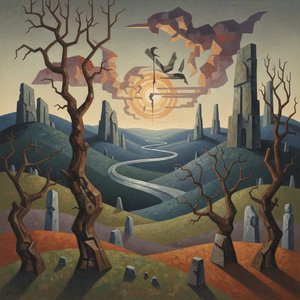
Paul Nash: Modernism, Myth & the British Landscape – A Visionary Artist
Explore the evocative landscapes & poignant war art of Paul Nash (1889-1946), a key figure in British Modernism. Discover his unique style and lasting impact on art history with OriginalUniqueArt.
Paul Klee's Top 25 Meesterwerken: Kleur, Vorm & Emotie voor uw Interieur | OriginalUniqueArt
Ontdek de top 25 meesterwerken van Paul Klee! Duik in zijn kleurrijke wereld vol abstracte kunst, Bauhaus invloeden & expressieve composities. Vind museumkwaliteit reproducties en woondecoratie inspiratie op OriginalUniqueArt.com.
Top 10 Landschappen in de Kunstgeschiedenis: Schilderijen & Decoratie Inspiratie
Ontdek de top 10 landschapschilderijen van Monet, Van Gogh & meer! Duik in de geschiedenis en betekenis achter deze iconische kunstwerken. Vind museumkwaliteit reproducties & interieurinspiratie op OriginalUniqueArt.com.

John Constable's Top 25 Meesterwerken: Landschappen die de Ziel Raaken | OriginalUniqueArt
Ontdek de 25 mooiste schilderijen van John Constable, meester van de Engelse Romantiek. Van idyllische landschappen tot iconische Hay Wain – bewonder zijn techniek en emotie. Museumkwaliteit reproducties & decoratie op OriginalUniqueArt.com.


