Voorvertoning
 Verstuur
 Delen
Delen
 Details bekijken
 Gids
Gids

 Download
 Vergelijkbare items
 Röntgenonderzoek
 Diavoorstelling
 Vraag & antwoord
 Statistieken
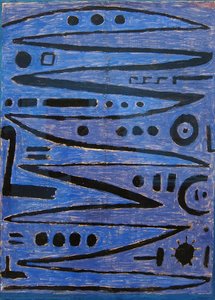
After The Floods

- 47.0 x 62.0 cm


 Lees meer
Giclée / Kunstafdrukken
Giclée- of canvasafdruk van museumkwaliteit met een snelle productie en flexibele afwerkingsmogelijkheden. ( Bestel handgeschilderde reproductie Schakel over naar digitale afbeeldingen)




P118B €10

P118H €10

P118W €10

P438Z €10

P508JH €12

P508YH €12

P805H €10

P805Z €10

P919BZ €10

P919G €10

P919XJ €10

P959ZH €10

P968JZ €12

W106C €8

W218G €10

W218JH €8

W218Y €10

W307PJ €10

W316G €10

W316PJ €8

W316Y €10

W398PJ €8

W4111J €10

W500HY €15

W500JH €15

W692G €12

W849H €8

W940BG €15

W953PJ €8




Kies uit onze vooraf ingestelde maten die overeenkomen met de originele verhoudingen van het kunstwerk.

Voer de gewenste breedte en hoogte in, passend bij uw lijst of muur. Een afdruk kan alleen worden ingekort en nooit groter worden gemaakt dan het origineel; een formaat met andere verhoudingen zal daarom een deel van de afbeelding verliezen. Wij sturen u een digitaal mockup ter goedkeuring voordat we tot drukwerk overgaan. De afbeelding op deze pagina toont niet de werkelijke uitsnede — dit is alleen te zien op het mockup.
Wereldwijde levering () binnen 2 weken in plaats van de standaard 4/5 weken. (9 november)

Gratis wereldwijde expressverzending

Hoogwaardig linnen canvas

Volledige verzendverzekering

Garantie op terugbetaling van invoerrechten

Garantie op exacte kleurweergave

Retourbeleid van 100 dagen (alleen bij defecten)

100% Geld-terug-garantie

Korting bij meerdere afnames
 De optie voor glas is alleen beschikbaar bij een formaat kleiner dan 110 cm.

After The Floods
Giclée / Kunstafdrukken
Afmetingen reproductie
-


Eindtotaal
€ 72
A Symphony of Color and Symbolism: Unpacking Paul Klee’s “After The Floods”
Paul Klee's "After the Floods," painted in 1936, stands as a cornerstone of abstract expressionism and embodies the artist’s masterful synthesis of diverse artistic currents. Measuring 47 x 62 cm, this canvas isn’t merely a visual spectacle; it’s an invitation to contemplate profound themes of resilience, transformation, and the subconscious mind—elements deeply rooted in Klee's broader artistic philosophy. The painting immediately captivates with its chromatic richness – swathes of orange juxtaposed against cool blues create a dynamic tension that mirrors the turbulent aftermath of natural disasters. Yet, beneath this surface vibrancy lies an intricate tapestry of symbolic gestures and compositional decisions reflecting Klee’s unwavering commitment to exploring the expressive potential of form and color.Exploring Artistic Influences: The Convergence of Movements
Klee's artistic vision was undeniably shaped by the vanguard movements of his time. Expressionism instilled in him a preoccupation with emotional intensity, mirroring the anxieties of the era; Cubism challenged conventional perspectival representation, prompting him to dissect objects into geometric fragments—a technique subtly present in "After The Floods." Simultaneously, Surrealist principles encouraged him to tap into dreamlike imagery and irrational associations, fostering an atmosphere of enigmatic beauty. These influences coalesced into a singular style characterized by spontaneous brushstrokes, tessellated surfaces, and a deliberate disregard for realistic depiction. This stylistic freedom allowed Klee to convey complex ideas through visual metaphors—a testament to his intellectual curiosity and artistic daring.Decoding the Visual Language: Composition and Symbolism
The painting’s central element – a word or phrase rendered in an unfamiliar script – serves as more than just decorative ornamentation; it functions as a conduit for conveying unspoken emotions and philosophical concepts. The arrangement of letters, deliberately asymmetrical, contributes to the overall visual dynamism and underscores Klee's fascination with disrupting established conventions. Scattered oranges symbolize optimism amidst adversity—a deliberate counterpoint to the dominant blue hue that evokes feelings of melancholy and contemplation. Furthermore, the two bird figures positioned strategically within the composition represent freedom and aspiration, mirroring Klee’s belief in the transformative power of art as a vehicle for spiritual exploration.Context Within Klee's Artistic Universe: Bauhaus Legacy and Dreamlike Visions
Paul Klee’s artistic trajectory was inextricably linked to the Bauhaus movement—a pioneering institution dedicated to uniting art, craft, and technology—where he honed his skills in color theory and experimented with innovative materials. This influence is palpable in "After The Floods," where Klee skillfully employs textured surfaces and layered hues to create an immersive experience for the viewer. Like many of his works, this painting delves into the realm of dreams and subconscious imagery, reflecting Klee’s conviction that art should transcend mere representation and engage directly with the human psyche. He sought to capture not just what he saw but also what he felt—a feat accomplished through a masterful manipulation of color and form.A Timeless Resonance: Relevance to Art History and Beyond
“After The Floods” remains remarkably pertinent to art history, cementing Klee’s position as a pivotal figure in the development of abstract expressionism and inspiring generations of artists. Its enduring appeal lies in its ability to provoke contemplation about resilience, beauty, and the complexities of human experience—themes that continue to resonate powerfully today. Acquiring a high-quality reproduction offers an opportunity not only to adorn your interior space with a stunning artwork but also to connect with the legacy of one of art’s most visionary innovators.Veelgestelde vragen
Wanneer werd "After The Floods" gemaakt en tot welke stroming behoort het?
"After The Floods" door Paul Klee dateert uit 1936 en behoort tot de Cubism.
Waar komen de bezoekers van "After The Floods" door Paul Klee vandaan?
Er bestaat een Statistieken-pagina voor "After The Floods". Deze brengt de maandelijkse bezoeken aan het kunstwerk en andere werken van de kunstenaar in kaart, met uitsplitsingen naar land en taal.
Wat is de techniek en de afmeting van "After The Floods"?
"After The Floods" is vervaardigd in Acrylic On Canvas en heeft in zijn originele vorm de afmetingen 47 x 62 cm.
Biografie kunstenaar
Een Leven Gevuld met Kleur en Vorm
Paul Klee, een naam die synoniem staat voor speelse abstractie en diepe emotionele rijkdom, neemt een unieke positie in het landschap van de 20e-eeuwse kunst in. Geboren op 18 december 1879 in Münchenbuchsee, Zwitserland, was zijn artistieke reis er één van constante verkenning, die zich onttrok aan gemakkelijke categorisering en een pad smidde dat invloeden uit het Expressionisme, Kubisme en Surrealisme combineerde tot een opvallend persoonlijke visuele taal. Klees jeugd voedde een vroege waardering voor de kunsten; zijn vader, een Duitse muziekdocent, en zijn moeder, een Zwitserse zangeres, instilleerden in hem een gevoeligheid voor zowel auditieve als visuele harmonie. Deze fundamentele verbinding tussen muziek en schilderkunst zou een bepalend kenmerk van zijn oeuvre worden, dat niet alleen zijn compositorische benadering vormgaf, maar ook zijn theoretisch begrip van kunst als een vorm van abstracte expressie die vergelijkbaar is met muzikale arrangementen. Aanvankelijk aangetrokken tot tekenen, verliet Klee al snel het nastreven van realistische representatie en erkende de beperkingen ervan bij het overbrengen van de innerlijke wereld van emoties en ideeën die hij wilde uiten. Hij schreef zich in tussen 1898 en 1901 in aan de Academie voor Beeldende Kunsten in München, een periode gekenmerkt door experimenten en de ontwikkeling van zijn unieke artistieke stem.De Vorming van een Artistiek Visie
Klees vroege werk onthult de invloed van Art Nouveau en Symbolisme, maar zelfs binnen deze kaders begonnen er hints van zijn toekomstige stijl te ontstaan. Een cruciaal moment in zijn artistieke ontwikkeling was een reis naar Tunesië in 1914. Het intense licht en de levendige sfeer van Noord-Afrika hadden een diepgaande invloed op zijn kleurgebruik, waardoor hij zich losmaakte van gedempte tinten en overging op gedurfder, expressievere paletten. Deze ervaring markeerde een keerpunt, dat zijn toewijding aan abstractie versterkte als middel om de essentie van perceptie vast te leggen in plaats van alleen het oppervlak ervan na te bootsen. Hij *zag* Tunesië niet simpelweg; hij vertaalde de emotionele resonantie ervan naar visuele vorm. Gedurende deze periode engageerde Klee zich met verschillende artistieke bewegingen, absorbeerde hun principes en verzet zich tegelijkertijd tegen volledige naleving van één enkele ideologie. Zijn interesse in muziek bleef van het grootste belang en hij sprak vaak over schilderen als een proces dat analoog is aan het componeren van muziekstukken – een zorgvuldige rangschikking van elementen om een harmonieus geheel te creëren. Deze synesthetische benadering blijkt uit de ritmische kwaliteit van zijn lijnen, de delicate balans van kleuren en het algehele gevoel van beweging dat veel van zijn werken doordringt.Bauhaus en Verder: Een Periode van Bloei
Van 1931 tot 1933 accepteerde Klee een onderwijsfunctie aan de invloedrijke Bauhaus-school voor kunst, design en architectuur, naast Wassily Kandinsky. Deze periode bleek opmerkelijk vruchtbaar te zijn voor zijn artistieke ontwikkeling. Omringd door innovatieve denkers en medekunstenaars bloeide hij in een omgeving die experimenten en theoretisch onderzoek aanmoedigde. Zijn werk uit deze jaren verdiepte zich verder in de kleurtheorie en formele relaties, waarbij hij de wisselwerking tussen abstracte vormen en emotionele expressie onderzocht. Deze creatieve haven werd echter verstoord door de opkomst van het nazisme in Duitsland. In 1933 werd Klee ontslagen uit het Bauhaus omdat zijn kunst als "ontaard" werd bestempeld door het Nazi-regime – een huiveringwekkend bewijs van de gevaren van politieke ideologie die artistieke vrijheid onderdrukt. Gedwongen terug te keren naar Zwitserland, bleef hij schilderen, maar zijn gezondheid verslechterde onder de schaduw van toenemende politieke onrust en persoonlijke ontberingen. Ondanks deze uitdagingen bleef Klee trouw aan zijn artistieke visie en produceerde werken die zowel de angsten van het tijdperk weerspiegelden als zijn aanhoudend geloof in de kracht van kunst om tegenspoed te overstijgen.Thema's, Stijl en Blijvende Erfenis
Het werk van Paul Klee wordt gekenmerkt door een boeiende mix van speelsheid en diepe contemplatie. Hij gebruikte vaak kinderlijke beelden en grillige composities, doordrenkt met lagen van symbolische betekenis. Terugkerende thema's in zijn kunst omvatten tuinen, landschappen, portretten en abstracte arrangementen – elk als een voertuig voor het verkennen van de complexiteit van menselijke ervaringen. Zijn “Paul Klee Notebooks”, postuum gepubliceerd, bieden waardevolle inzichten in zijn uitgebreide theoretische onderzoeken naar kleur en design, die een nauwgezette en intellectuele benadering van artistieke creatie onthullen. Hij schilderde niet simpelweg; hij construeerde een visuele taal gebaseerd op principes van harmonie, evenwicht en emotionele resonantie. Hamamet, Tuin van het Zuiden en De Zwitscher-Maschine zijn slechts enkele voorbeelden die zijn beheersing van kleur en vorm laten zien. Paul Klee stierf op 29 juni 1940 in Muralto, Zwitserland, en liet een erfenis achter die kunstenaars blijft inspireren en publiek wereldwijd boeit. Hij wordt terecht beschouwd als een van de belangrijkste figuren van de 20e-eeuwse kunst, die de kloof overbrugde tussen figuratieve en abstracte expressie en zijn plaats verankerde als een iconische vernieuwer wiens werk eeuwig relevant blijft.Musea & Verder Onderzoek
- Zentrum Paul Klee (Bern): Thuisbasis van de grootste collectie werken van Klee, die een uitgebreid overzicht biedt van zijn artistieke reis.
- Museum voor Schone Kunsten Bern: Bevat belangrijke stukken van Klee naast meesterwerken van Picasso en Hodler.
- Kunstmuseum Bern: Zwitserlands oudste kunstmuseum, met een diverse collectie waaronder werken van Klee en andere moderne meesters.

Paul Klee
1879 - 1940 , Zwitserland
Belangrijkste feiten
- Artistic Movement Or Style: Expressionisme, Kubisme, Surrealisme
- Artists Or Movements Influenced By This Artist: ['Moderne kunst']
- Artists Who Influenced This Artist: ['Wassily Kandinsky']
- Date Of Birth: 18 december 1879
- Date Of Death: 29 juni 1940
- Full Name: Paul Klee
- Nationality: Zwitsers-Duits
- Notable Artworks:
- Hamamet
- Siblings
- En la corriente seis umbrales
- Place Of Birth: Münchenbuchsee, Zwitserland
Gerelateerde artikelen

Paul Klee's Top 25 Meesterwerken: Kleur, Vorm & Emotie voor uw Interieur | OriginalUniqueArt
Ontdek de top 25 meesterwerken van Paul Klee! Duik in zijn kleurrijke wereld vol abstracte kunst, Bauhaus invloeden & expressieve composities. Vind museumkwaliteit reproducties en woondecoratie inspiratie op OriginalUniqueArt.com.

Top 10 Abstract Expressionisme Meesterwerken: Kunst voor uw Interieur | OriginalUniqueArt.com
Ontdek de 10 meest invloedrijke werken van Abstract Expressionisme! Leer over Jackson Pollock, Mark Rothko & meer. Museumkwaliteit kunst reproducties voor uw interieur. Bekijk de collectie op OriginalUniqueArt.com.

Top 10 Meesterwerken van de Geometrische Abstractie | OriginalUniqueArt.nl
Ontdek de 10 meest invloedrijke meesterwerken van de geometrische abstractie! Van Mondriaan tot Malevich, leer over kunstenaars, technieken & kleuren. Museumkwaliteit reproducties op OriginalUniqueArt.com – voor een unieke interieurstijl.

Paul Klee: A Poetics of Form and Color – Exploring the Inner Landscape of a Modern Master
Explore the captivating world of Paul Klee! Discover his innovative art, Bauhaus influence, & unique symbolic language. Expert analysis & high-quality reproductions at OriginalUniqueArt.

Paul Cézanne's Top 25 Meesterwerken: Kleur, Vorm & De Basis van Modern Art | OriginalUniqueArt
Ontdek de 25 meest iconische schilderijen van Paul Cézanne! Duik in zijn kleurrijke wereld, leer over impressionisme & post-impressionisme en bewonder meesterwerken als 'De Baders'. Vind museumkwaliteit reproducties & interieurinspiratie op OriginalUniqueArt.com.