
 Print kopen Koop afbeelding in hoge resolutie
 Verstuur
 Delen
Delen
 Details bekijken
 Toevoegen aan favorieten

 Download
 Vergelijkbare werken
 Röntgenonderzoek
 Diavoorstelling
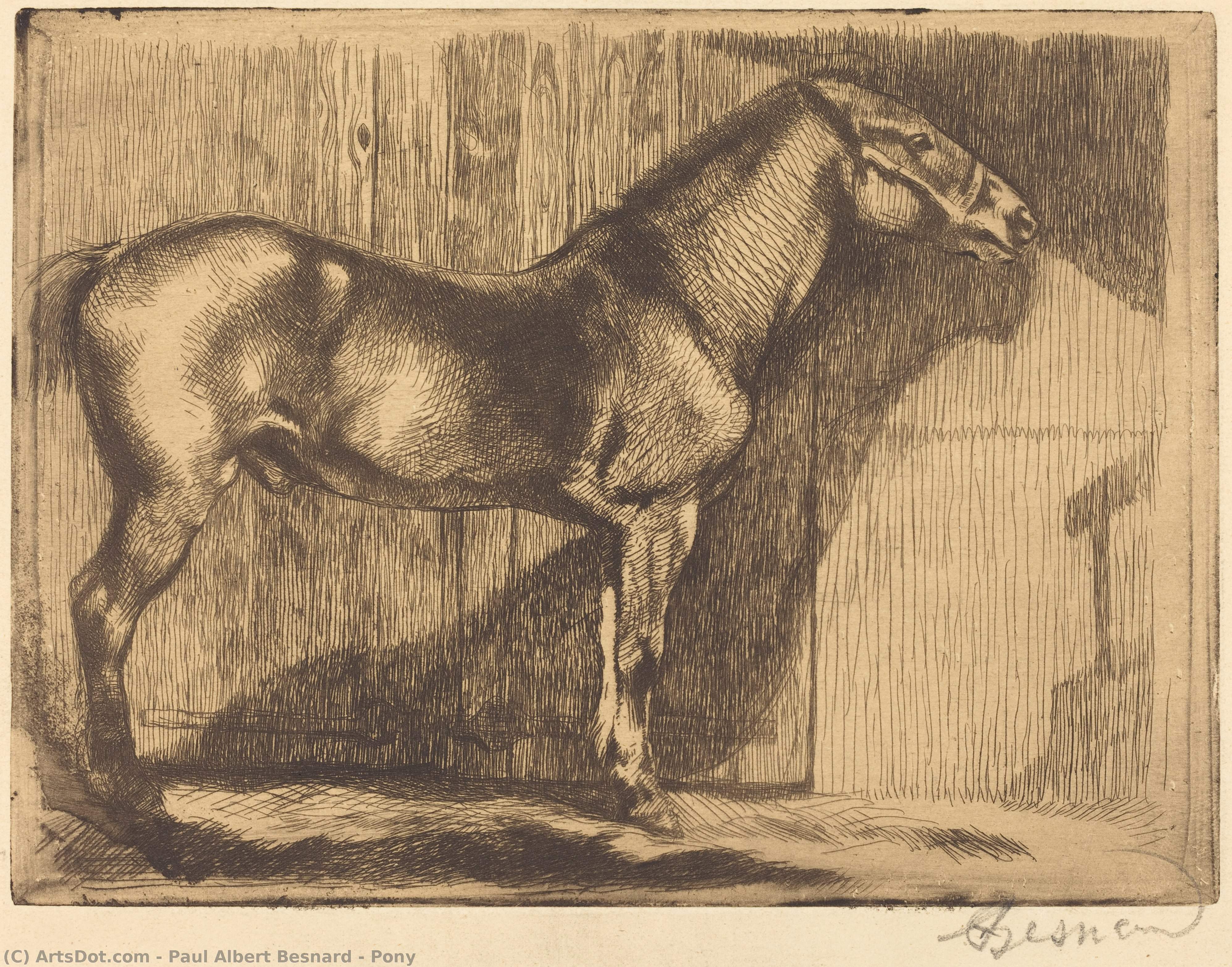
Pony


 Lees meer
Handgemaakte olieverfreproductie
Met de hand geschilderd in olieverf op canvas in uw gewenste maat en lijst, op bestelling gemaakt door onze kunstenaars.




































Kies uit onze vooraf ingestelde maten die overeenkomen met de originele verhoudingen van het kunstwerk.

U kunt uw eigen afmetingen invoeren om in een specifieke lijst of ruimte te passen. Als de door u gekozen maat niet overeenkomt met de verhoudingen van het originele beeld, zullen we het kunstwerk bijsnijden of het schilderij uitbreiden met extra handgeschilderde elementen. Een digitale mockup wordt ter goedkeuring naar u verzonden voordat de productie begint.
Houd er rekening mee dat de preview op het scherm niet de werkelijke uitsnede of uitbreiding weergeeft. Alleen de mockup toont de uiteindelijke compositie nauwkeurig.
Hoewel aangepaste afmetingen mogelijk zijn, raden we aan een maat uit de vooraf gedefinieerde lijst te selecteren om de originele verhoudingen te behouden.
Na de bestelling zal het team van OriginalUniqueArt.com per e-mail contact opnemen voor instructies en een mockup-voorbeeld sturen.
Wereldwijde levering () binnen 3/4 weken in plaats van de standaard 5 weken. (18 juli). Geen concessies aan de kwaliteit.

Gratis wereldwijde expressverzending

Hoogwaardig linnen canvas

Volledige verzendverzekering

Garantie op terugbetaling van invoerrechten

Garantie op exacte kleurweergave

60 dagen retourbeleid (alleen bij defecten)

100% Geld-terug-garantie

Korting bij meerdere afnames
 De optie voor glas is alleen beschikbaar bij een formaat kleiner dan 110 cm.

Pony
Techniek reproductie
Afmetingen reproductie
-


Eindtotaal
-
Biografie van de kunstenaar
Paul Albert Besnard: Bridging Impressionism and Decorative Grandeur
Paul Albert Besnard (1849-1934) stands as a singular figure in French art of the late nineteenth and early twentieth centuries—a painter who stubbornly resisted categorization while simultaneously achieving remarkable success across diverse artistic mediums. Born in Paris, he possessed an innate talent nurtured by formal training at the École des Beaux-Arts under Jean Bremond and profoundly shaped by the pioneering spirit of Alexandre Cabanel, whose meticulous realism served as a cornerstone for Besnard’s initial artistic explorations. His academic grounding provided a disciplined foundation upon which he would later forge his own distinctive path, one characterized by an unwavering fascination with color and light—concepts championed by the Impressionists. Despite eschewing the overtly dramatic aesthetic favored by his contemporaries, Besnard skillfully adapted Impressionistic techniques to monumental decorative projects. This decision cemented his reputation as a master craftsman and visionary artist. His frescoes adorning prestigious locations like the Sorbonne, École de Pharmacie, Comédie Française’s Salle des Sciences, Hôtel de Ville, and Berck Hospital's chapel exemplify this ambition—each station of the cross meticulously rendered in an entirely modern idiom that departed dramatically from traditional religious iconography. These ambitious undertakings underscore Besnard’s belief that art could serve as a vehicle for conveying profound ideas while simultaneously captivating the senses. Besnard’s artistic journey wasn’t solely defined by grand commissions; he cultivated a prodigious talent across watercolor, pastel, oil, and etching. His portraits captivated audiences with their psychological depth and expressive subtlety—particularly his depiction of Madame Georges Rodenbach, a daring exploration of unconventional beauty and stylistic innovation. Similarly, “The King and Queen of Belgium” showcased Besnard’s ability to capture regal dignity alongside nuanced emotional resonance. Influenced by Gainsborough and Reynolds during his formative years in England, he honed his observational skills and incorporated elements of landscape painting into his oeuvre. Furthermore, Besnard's meticulous study of light—evident in works like “La Femme qui se chauffe” at the Luxembourg Museum—demonstrated a commitment to scientific rigor alongside artistic intuition. His exploration of India in 1911 yielded striking nude studies that captured the ethereal beauty of the subcontinent and solidified his reputation as one of France’s foremost artists. He bravely confronted the looming shadow of impending war with “Peace by Arbitration,” completing it just days before hostilities erupted, reflecting a humanist sensibility deeply rooted in the artistic traditions of his time. Besnard's legacy extends beyond individual masterpieces; he established himself as a pivotal figure in shaping the visual culture of the Belle Époque and beyond. His unwavering dedication to mastering technique combined with an imaginative spirit ensured that his work continues to inspire admiration and scholarly inquiry—a testament to his enduring contribution to French art history.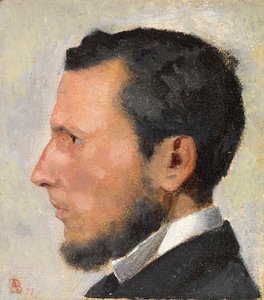
Paul Albert Besnard
1849 - 1934 , France
Belangrijkste feiten
- Artistic Movement Or Style: Impressionism
- Artists Or Movements Influenced By This Artist: ['Academic Painting']
- Artists Who Influenced This Artist:
- Alexandre Cabanel
- Thomas Gainsborough
- Date Of Birth: Paris, France (1849)
- Date Of Death: 1934
- Full Name: Paul Albert Besnard
- Nationality: French
- Notable Artworks:
- Death of Timophanes
- Peace by arbitration
- Portrait de Madame Georges Rodenbach
- Place Of Birth: Paris

