
 Bekijk op ware grootte
 Verstuur
 Delen
Delen
 Details bekijken
 Gids voor studentenkunstwerken

 Download
 Vergelijkbare items
 Röntgenonderzoek
 Diavoorstelling
 Statistieken
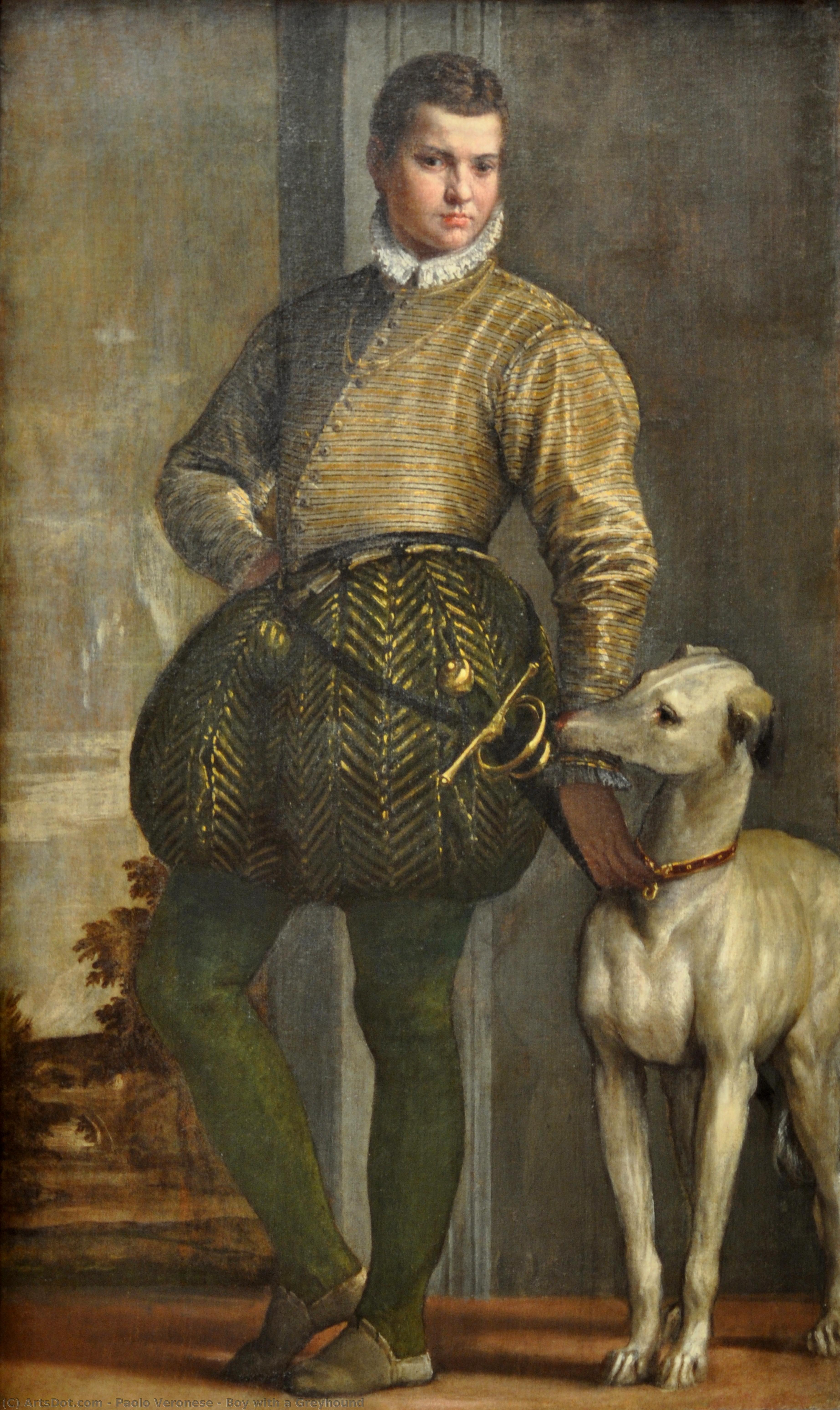
Boy with a Greyhound
 Acrylic On Canvas
- WallArt
- Late Renaissance Mannerism
 1570
1570 174.0 x 102.0 cm
 Metropolitan Museum of Art
 Lees meer
Giclée / Kunstafdrukken
Giclée- of canvasafdruk van museumkwaliteit met een snelle productie en flexibele afwerkingsmogelijkheden. ( Koop handgeschilderd kunstwerk Schakel over naar digitale afbeeldingen)




P118B €10

P118H €10

P118W €10

P438Z €10

P508JH €12

P508YH €12

P805H €10

P805Z €10

P919BZ €10

P919G €10

P919XJ €10

P959ZH €10

P968JZ €12

W106C €8

W218G €10

W218JH €8

W218Y €10

W307PJ €10

W316G €10

W316PJ €8

W316Y €10

W398PJ €8

W4111J €10

W500HY €15

W500JH €15

W692G €12

W849H €8

W940BG €15

W953PJ €8




Kies uit onze vooraf ingestelde maten die overeenkomen met de originele verhoudingen van het kunstwerk.

U kunt uw eigen afmetingen opgeven om in een specifieke lijst of ruimte te passen. Als de door u gekozen maat niet overeenkomt met de proporties van het originele kunstwerk, zullen wij de afbeelding bijsnijden of uitbreiden met een gespiegelde of effen rand. Een digitaal mockup wordt ter goedkeuring naar u verzonden voordat de productie begint.
Houd er rekening mee dat de preview op het scherm de werkelijke bijsneding of uitbreiding niet weergeeft. Alleen de mockup toont de uiteindelijke compositie nauwkeurig.
Hoewel aangepaste maten beschikbaar zijn, raden wij aan een afmeting uit de vooraf bepaalde lijst te kiezen om de originele proporties te behouden.
Wereldwijde levering () binnen 2 weken in plaats van de standaard 4/5 weken. (10 oktober)

Gratis wereldwijde expressverzending

Hoogwaardig linnen canvas

Volledige verzendverzekering

Garantie op terugbetaling van invoerrechten

Garantie op exacte kleurweergave

Retourbeleid van 100 dagen (alleen bij defecten)

100% Geld-terug-garantie

Korting bij meerdere afnames
 De optie voor glas is alleen beschikbaar bij een formaat kleiner dan 110 cm.

Boy with a Greyhound
Giclée / Kunstafdrukken
Formaat reproductie
-


Totaalprijs
€ 70
The Enigmatic Youth: Paolo Veronese’s ‘Boy with a Greyhound’
Paolo Veronese's “Boy with a Greyhound,” painted in 1570, is more than just a portrait; it’s a carefully constructed tableau of Renaissance ideals and subtle social commentary. This captivating work, measuring 174 x 102 cm, offers a glimpse into the opulent world of Venetian society and reveals Veronese's masterful command of color, composition, and detail. The painting immediately draws the eye to the young man, dressed in a vibrant yellow garment – a hue associated with royalty and wealth during this period – suggesting a noble lineage or elevated status. His posture is one of quiet confidence, his hand resting casually on his hip while holding the leash of a magnificent greyhound, an animal prized for its speed, loyalty, and association with nobility.
The background, rendered in a deliberately soft and blurred manner, hints at a setting – perhaps a courtyard or garden – but doesn’t distract from the central figures. This technique, common in Venetian painting of the era, reflects a shift away from the precise realism favored by earlier masters and emphasizes the importance of the subjects themselves. The greyhound's attentive gaze upward towards the boy speaks volumes about their bond; it’s a connection built on mutual respect and affection, subtly conveyed through their interaction.
A Venetian Visionary: Paolo Veronese and His Artistic World
Paolo Caliari, known as Paolo Veronese, was a pivotal figure in the vibrant artistic scene of 16th-century Venice. Born in Verona in 1528, his early training instilled him with foundational techniques, but it was his move to Venice that unleashed his extraordinary talent. The city’s wealth, its grand architecture, and its bustling markets provided an endless source of inspiration for Veronese. He absorbed the influence of masters like Titian, particularly his mastery of color, yet he developed a distinct style characterized by lavish detail, dramatic scale, and a celebration of human beauty – often imbued with a subtle air of theatricality.
Veronese’s work frequently depicted scenes from biblical narratives, mythological tales, and grand celebrations. He was renowned for his ability to create immersive environments filled with intricate details, luxurious fabrics, and an abundance of figures. His paintings were commissioned by wealthy families and religious institutions, serving as both decorative elements and statements of social status. “Boy with a Greyhound” exemplifies this approach – it’s not merely a portrait but a carefully orchestrated scene designed to evoke admiration and convey a sense of refined taste.
Symbolism and Context: Decoding the Details
The inclusion of the greyhound itself is laden with symbolism. In Renaissance Venice, dogs were associated with nobility, loyalty, and even hunting prowess – qualities highly valued by the wealthy elite. The boy’s attire, particularly the yellow garment, further reinforces this connection to privilege. The blurred background suggests a world beyond immediate perception, inviting contemplation on the social dynamics at play.
Considering the date of 1570, “Boy with a Greyhound” offers a window into the values and aesthetics of the late Renaissance. It reflects a fascination with classical ideals of beauty, a celebration of wealth and status, and an interest in portraying human figures in idealized forms. The painting’s composition—the balanced arrangement of figures, the rich colors, and the subtle gestures—demonstrates Veronese's mastery of visual language and his ability to capture the essence of his subject.
A Timeless Masterpiece: Reproduction and Appreciation
OriginalUniqueArt.com is proud to offer meticulously crafted hand-painted reproductions of Paolo Veronese’s “Boy with a Greyhound.” Each reproduction captures the original's vibrant colors, intricate details, and atmospheric depth, allowing you to bring this iconic Renaissance masterpiece into your home or office. Whether you are an art enthusiast, a collector, or simply seeking a stunning piece of decorative art, our reproductions provide an authentic and affordable way to experience the enduring beauty of Veronese’s vision. Explore the full detail and artistry of this captivating portrait – a testament to the genius of a Venetian master.
Vragen & Antwoorden
Waar gaat "Boy with a Greyhound" over?
"Boy with a Greyhound" door Paolo Veronese toont: venetian painting, greyhound, renaissance, costume, royalty, dog, veronese, feast.
Hoe verzadigd is het kleurenpalet van "Boy with a Greyhound"?
"Boy with a Greyhound" door Paolo Veronese is vastgelegd met een Subtle Color verzadiging.
Op welke leeftijd maakte Paolo Veronese "Boy with a Greyhound"?
Toen "Boy with a Greyhound" werd gemaakt in 1570, was Paolo Veronese - geboren in 1528 - 42 jaar oud.
In welke ruimte wordt het tonen van "Boy with a Greyhound" aanbevolen, gezien het kleurenpalet?
Gezien de Earthy kleuren, wordt "Boy with a Greyhound" aanbevolen voor een Living Room.
In welk jaar werd "Boy with a Greyhound" door Paolo Veronese gemaakt?
"Boy with a Greyhound" dateert uit 1570. Deze datum plaatst het werk binnen de carrière van Paolo Veronese en de betreffende tijdperk.
Aan welke kunstenaar wordt "Boy with a Greyhound" toegeschreven?
De kunstenaar achter "Boy with a Greyhound" is Paolo Veronese. Het werk is gecatalogiseerd onder de naam van Paolo Veronese.
Wat is het kleurenpalet van "Boy with a Greyhound" door Paolo Veronese?
De kleuridentiteit van "Boy with a Greyhound" door Paolo Veronese: een Earthy palet, gedomineerd door Driftwood (#847551).
Biografie van de kunstenaar
A Venetian Visionary: The Life and Art of Paolo Veronese
Paolo Caliari, known to the world as Paolo Veronese, emerged from the vibrant artistic landscape of 16th-century Venice as a master of color, composition, and opulent spectacle. Born in Verona in 1528, the son of a stonecutter, his early life was steeped in the visual richness of his surroundings – the classical architecture, sculpted forms, and burgeoning humanist ideals that characterized the region. His initial training under Antonio Badile and Giovanni Francesco Caroto laid a foundation in traditional techniques, but it was his move to Venice in the 1550s that truly ignited his artistic genius. The city itself became his muse, its bustling marketplaces, grand palazzi, and shimmering waterways informing the scale and drama of his work. He quickly absorbed the influences of established Venetian masters like Titian, whose mastery of color profoundly impacted Veronese’s palette, yet he forged a distinct style characterized by an unparalleled sense of theatricality and grandeur.The Painter of Feasts and Grand Narratives
Veronese's reputation rests upon his monumental paintings, particularly those depicting lavish feasts and biblical scenes transformed into dazzling displays of Venetian life. The Wedding at Cana, completed in 1563 for the Benedictine monastery of San Giorgio Maggiore, stands as a testament to his skill. This colossal canvas isn’t merely an illustration of the miracle; it's a vibrant panorama of 16th-century society, teeming with elegantly dressed figures, musicians, and architectural details rendered with breathtaking precision. The painting is not just about what happened at Cana but *how* it would have looked if it had occurred in Venice during Veronese’s time – a deliberate choice that challenged conventional religious depictions. Similarly, The Feast in the House of Levi, originally titled The Last Supper, caused controversy with the Inquisition due to its inclusion of contemporary figures and a seemingly irreverent atmosphere. Veronese defended his artistic license, asserting that painters were entitled to the same creative freedom as poets and jesters – a bold statement reflecting his belief in art’s power to interpret and reimagine sacred narratives. These works weren't simply religious depictions; they were celebrations of life, wealth, and the splendor of Venice itself. He wasn’t interested in austere spirituality but rather in capturing the joy and abundance of existence. His ability to seamlessly blend historical accuracy with imaginative embellishment set him apart from his contemporaries.Influences and Artistic Development
While Titian’s influence on Veronese’s colorism is undeniable, his artistic development was a complex interplay of various influences. The architectural precision he brought to his compositions owes much to the classical tradition prevalent in Verona during his formative years, particularly the work of architects like Michele Sanmicheli. He also absorbed elements from Central Italian masters such as Raphael and Parmigianino, evident in the graceful lines and harmonious arrangements within his paintings. However, Veronese didn’t simply imitate these influences; he synthesized them into a uniquely Venetian style characterized by its dramatic use of light, vibrant color palettes, and meticulous attention to detail. He excelled at creating illusions of space and depth, employing perspective techniques to draw viewers into the heart of his elaborate scenes. His mastery of oil painting allowed him to achieve an unparalleled luminosity and richness of texture. He also ran a large workshop, with contributions from his brother Benedetto and sons Gabriele and Carlo, ensuring that his style continued to flourish even after his death in 1588. The scale of his projects demanded a significant team of assistants, allowing him to focus on the overall design and execution while maintaining a consistent artistic vision.Major Achievements and Notable Works
Veronese’s career produced an astonishing array of masterpieces, each showcasing his distinctive style and technical prowess. Beyond The Wedding at Cana and The Feast in the House of Levi, several works stand out as particularly significant:- Villa Barbaro at Maser (1560-1573): This complex cycle of paintings for the Barbaro family villa is considered one of Veronese’s most ambitious projects. It includes a Sacrifice of Isaac and a Mystical Marriage of Bacchus and Ariadne, both renowned for their opulent settings and dynamic compositions.
- Decorations of San Sebastiano (1556-1570): Veronese’s extensive decorations for the church of San Sebastiano in Venice are a testament to his ability to transform an entire building into a work of art. The ceiling frescoes, in particular, are breathtaking in their scale and detail.
- Portrait of Daniele Barbaro (1556-1567): This portrait exemplifies Veronese’s skill in capturing the likeness and personality of his subjects. It is considered one of his finest works in the genre.
Legacy and Historical Significance
Paolo Veronese’s impact extends far beyond the realm of Renaissance art. His work has resonated through centuries, inspiring artists across various disciplines. His dramatic compositions and vibrant color schemes have been cited as influences on everything from Baroque painting to modern cinema – even finding echoes in the visual aesthetics of Spaghetti Westerns. He was part of the “great trio” of Venetian painters—alongside Titian and Tintoretto—each contributing uniquely to the city’s artistic legacy, yet Veronese often stands apart for his sheer exuberance and celebration of earthly pleasures. His paintings continue to captivate audiences with their grandeur and spectacle, offering a glimpse into the opulent world of 16th-century Venice. Veronese's legacy is a testament to his artistic genius, his ability to capture the essence of an era, and his enduring contribution to the history of art.
Paolo Veronese
1528 - 1588 , Italië
Snelle feiten
- Artistic Movement Or Style: Renaissance, Mannerisme
- Artists Or Movements Influenced By This Artist: ['Raphael']
- Artists Who Influenced This Artist: ['Titian']
- Date Of Birth: 1528
- Date Of Death: 1588
- Full Name: Paolo Caliari Veronese
- Nationality: Italiaans
- Notable Artworks:
- Bruiloft Kana
- Feest Levi
- Place Of Birth: Verona, Italië
Gerelateerde artikelen

The Art of Innocence: Capturing Childhood Wonder through Timeless Portraits of Boys
Capture the fleeting magic of boyhood with breathtaking art. Explore Impressionist-inspired portraits and transform your favorite photos into hand-painted oil masterpieces. At OriginalUniqueArt.com, we bring childhood wonder to life with museum-quality craftsmanship for your home.

Giovanni Paolo Panini: Capturing Roman Grandeur – A Vedute Master's Legacy
Explore the captivating world of Giovanni Paolo Panini, master of Roman vedute painting. Discover his technique, iconic works, influence on art history & collecting advice from experts at OriginalUniqueArt.

Timeless Canines: A Scholarly Exploration of the World's Most Iconic Dog Portraits in Art History
Explore the profound history of the world's most iconic dog portraits. From ancient symbols to 19th-century masters, journey through canine art history with expert insights and discover museum-quality, hand-painted oil reproductions and bespoke pet commissions.
Paolo Veronese: A Renaissance Master of Color, Composition, and Venetian Splendor
Explore the vibrant world of Paolo Veronese, a Renaissance master renowned for his opulent compositions, masterful use of color, and dramatic Venetian scenes. Discover key artworks & legacy.
Paolo Uccello: Pioneering Perspective & the Renaissance Pursuit of Visual Truth
Explore the revolutionary art of Paolo Uccello, a Florentine Renaissance master who pioneered perspective. Discover his iconic paintings like 'St. George & The Dragon' and learn about his lasting influence on art history.


