Text size

() ·

A painting made for you, by hand

La jupe rouge

Handgemaakte olieverfreproductie

Met de hand geschilderd in olieverf op canvas in uw gewenste maat en lijst, op bestelling gemaakt door onze kunstenaars. ( Schakel over naar print Schakel over naar digitale afbeeldingen)

Beschrijving verzamelobject

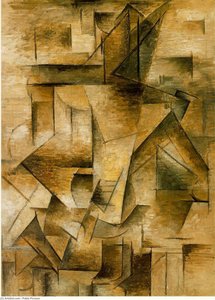
Experience Pablo Picasso's 'La Jupe Rouge'! This iconic Cubist portrait captures a woman’s sorrow with fragmented forms and vibrant red clothing, reflecting emotional depth & artistic innovation.

Biografie kunstenaar

Pablo Picasso (1881-1973) was een revolutionaire Spaanse schilder en beeldhouwer, medeoprichter van het kubisme en meester van diverse stijlen. Bekend om iconische werken zoals Guernica, blijft zijn nalatenschap inspireren.

from ·

Chapter 1

How large should it be?

Slide to change the size; the picture on the left shows the frame at its real width. The proportions of the original are kept.

Standaardformaat
op maat gemaakt
CM
INCH

Kies uit onze vooraf ingestelde maten die overeenkomen met de originele verhoudingen van het kunstwerk.

breedte
hoogte

Voer de breedte en hoogte in die u nodig heeft, passend bij uw lijst of uw muur. Omdat dit handgeschilderd is, kan de kunstenaar bij een afmeting met een andere beeldverhouding iets meer rondom het schilderij schilderen of juist iets meer weglaten — u kiest zelf. Wij sturen u een digitaal mockup ter goedkeuring voordat het schilderwerk begint. De afbeelding die op deze pagina wordt getoond, is niet het uiteindelijke resultaat — alleen de mockup geeft dit weer.


Chapter 2

How should it arrive?

Choose the edges of the stretched canvas

Choose your frame

Corner sample of the WhiteWrap canvas edge finish, stretched on massief hout bars
White €1
Corner sample of the BlurSideWrap canvas edge finish, stretched on massief hout bars
Blurside €1
Corner sample of the ExtendedWrap canvas edge finish, stretched on massief hout bars
Extended €1
Corner sample of the P118B picture frame: gegoten polystyreen, 5 cm wide and 3 cm thick
P118B €10
Corner sample of the P118H picture frame: gegoten polystyreen, 5 cm wide and 3 cm thick
P118H €10
Corner sample of the P118W picture frame: gegoten polystyreen, 5 cm wide and 3 cm thick
P118W €10
Corner sample of the P438Z picture frame: gegoten polystyreen, 5.5 cm wide and 3.5 cm thick
P438Z €10
Corner sample of the P508JH picture frame: gegoten polystyreen, 7 cm wide and 3.5 cm thick
P508JH €12
Corner sample of the P508YH picture frame: gegoten polystyreen, 7 cm wide and 3.5 cm thick
P508YH €12
Corner sample of the P805H picture frame: gegoten polystyreen, 5 cm wide and 3.5 cm thick
P805H €10
Corner sample of the P805Z picture frame: gegoten polystyreen, 5 cm wide and 3.5 cm thick
P805Z €10
Corner sample of the P919BZ picture frame: gegoten polystyreen, 7 cm wide and 3.5 cm thick
P919BZ €10
Corner sample of the P919G picture frame: gegoten polystyreen, 7 cm wide and 3.5 cm thick
P919G €10
Corner sample of the P919XJ picture frame: gegoten polystyreen, 7 cm wide and 3.5 cm thick
P919XJ €10
Corner sample of the P959ZH picture frame: gegoten polystyreen, 5 cm wide and 3 cm thick
P959ZH €10
Corner sample of the P968JZ picture frame: gegoten polystyreen, 6 cm wide and 4 cm thick
P968JZ €12
Corner sample of the W106C picture frame: massief hout, 5 cm wide and 3 cm thick
W106C €8
Corner sample of the W218G picture frame: massief hout, 5 cm wide and 3 cm thick
W218G €10
Corner sample of the W218JH picture frame: massief hout, 5 cm wide and 3 cm thick
W218JH €8
Corner sample of the W218Y picture frame: massief hout, 5 cm wide and 3 cm thick
W218Y €10
Corner sample of the W307PJ picture frame: massief hout, 6 cm wide and 3 cm thick
W307PJ €10
Corner sample of the W316G picture frame: massief hout, 6 cm wide and 3 cm thick
W316G €10
Corner sample of the W316PJ picture frame: massief hout, 6 cm wide and 3 cm thick
W316PJ €8
Corner sample of the W316Y picture frame: massief hout, 6 cm wide and 3 cm thick
W316Y €10
Corner sample of the W398PJ picture frame: massief hout, 5 cm wide and 3 cm thick
W398PJ €8
Corner sample of the W4111J picture frame: massief hout, 6.5 cm wide and 3.5 cm thick
W4111J €10
Corner sample of the W500HY picture frame: massief hout, 7 cm wide and 5 cm thick
W500HY €15
Corner sample of the W500JH picture frame: massief hout, 7 cm wide and 5 cm thick
W500JH €15
Corner sample of the W692G picture frame: massief hout, 8 cm wide and 4 cm thick
W692G €12
Corner sample of the W849H picture frame: massief hout, 5 cm wide and 3 cm thick
W849H €8
Corner sample of the W940BG picture frame: massief hout, 7.5 cm wide and 4.5 cm thick
W940BG €15
Corner sample of the W953PJ picture frame: massief hout, 6 cm wide and 3.5 cm thick
W953PJ €8
Corner sample of the H24-GOLD picture frame: gesneden hout met gesso, 10 cm wide and 6 cm thick
H24-GOLD €30
Corner sample of the H24-SILVER picture frame: gesneden hout met gesso, 10 cm wide and 6 cm thick
H24-SILVER €30
Corner sample of the H36-GOLD picture frame: gesneden hout met gesso, 15 cm wide and 6.5 cm thick
H36-GOLD €45
Corner sample of the H36-SILVER picture frame: gesneden hout met gesso, 15 cm wide and 6.5 cm thick
H36-SILVER €45
Lijstvoorbeeld
Ingelijst

Moulding: . Overall size with the frame: .

Chapter 3

Who paints it, and should anything change?

Examples of what can be changed: Replace face with customer photo; Add pet (e.g., replace cat with dog); Include hidden message in background; Change background landscape or elements.
After order, OriginalUniqueArt.com team will email client for instructions and provide a mockup preview

Wereldwijde levering () binnen 3 tot 4 weken in plaats van de standaard 5 weken. (2 november). Zonder concessies aan de kwaliteit.

Chapter 4

The finishing touches

A nameplate, as in a museum?

Details van de gegraveerde bronzen plaat

This elegant plaque features the artist's name and the title of the artwork, finely engraved for a timeless presentation.

It is made from bronze with a refined, elegant finish. The text is precisely laser-engraved for a sharp and permanent result. Measuring 9x2 cm, the plaque is compact yet easy to read. It's built to be durable and scratch-resistant, offering a professional, museum-quality look. Mounting is simple thanks to the included adhesive backing.

Details transparante acrylplaat

The plaque includes essential engraved details such as the artist's name, the title of the artwork, the date it was created, the type of media used-like oil on canvas or watercolor-a brief description of the piece, and a QR code that links to the complete artwork information.

It is crafted from clear acrylic, offering a sleek, modern appearance. The text is UV-engraved in black to ensure strong visual contrast. With a size of 10x15 cm, it ensures optimal readability. It comes equipped with two metal hooks for secure wall mounting. The plaque is designed to be weather-resistant, making it suitable for various environments, and it includes interactive features that work seamlessly with smartphone scanning.

Details zwarte acrylplaat

This elegant plaque includes engraved information such as the artist's name, the title of the artwork, the date it was created, the type of media used (like oil on canvas or watercolor), a short description of the artwork, and a QR code for quick access to more information.

The plaque itself is made from refined black acrylic with a premium finish. The text is laser-engraved in white for high contrast and readability. Its size is 10x15 cm, designed to be easy to read. It comes with two metal hooks for professional mounting. The design is sleek and fits any interior style. It is also weather-resistant and durable, with built-in digital integration for mobile compatibility.

A protective varnish?

When do you need it?

Chapter 5

Your painting, as you ordered it

La jupe rouge

Druktechniek

Afmetingen reproductie

-

Geselecteerde topkunstenaars

Meer detail, verfijning en extra productietijd

-

Lijst voor reproductie

-

-

Voor kunstwerken of reproducties die aan één zijde groter zijn dan 105 cm (ongeveer 41 inch), wordt de lijst als een losse set verzonden. Deze methode garandeert een veilige levering en voorkomt schade tijdens het transport.

Professionele montage vereist - dit is geen doe-het-zelfproduct.
De set moet worden gemonteerd en het canvas moet worden gespannen door een ervaren professionele lijstenmaker, met gebruik van houtlijm (niet inbegrepen), een doekspanter en klemmen om de sponningen recht te houden terwijl de lijm droogt. Onjuiste montage of een ongelijkmatige spanning op het canvas kan het kunstwerk permanent beschadigen en wordt niet gedekt door onze garantie.

  • Alle massief houten onderdelen zijn inbegrepen, nauwkeurig op maat gesneden voor montage.

  • Te monteren met de meegeleverde schroeven, plus houtlijm voor de hoekverbindingen, die niet wordt meegeleverd en door uw lijstenmaker moet worden aangeschaft.

  • Professioneel gereedschap is vereist en niet inbegrepen: een spanner voor canvas en klemmen om de latten recht te houden terwijl de lijm droogt.

Belangrijk:
De hoekverbindingen vereisen houtlijm, de latten moeten met lijmklemmen worden vastgehouden tot de lijm volledig is opgedroogd, en het spannen van het canvas op het samengestelde frame vereist een doekspanter. Geen van deze artikelen is inbegrepen in de set. Wij adviseren u om een ervaren professionele lijstenmaker te raadplegen voordat u deze maat bestelt.

Naamplaatje

-

-

Beschermende vernislaag

Glanzende vernis (versterkt de kleuren en biedt bescherming tegen licht en vocht)

-

Mijn kunstwerk aanpassen

Voorbeelden van aanpassingen: vervang het gezicht door een eigen foto; voeg een huisdier toe (bijv. vervang de kat door een hond); verwerk een verborgen boodschap in de achtergrond; wijzig het landschap of andere elementen op de achtergrond.

-

Spoedlevering

Wereldwijde levering () binnen 3 tot 4 weken in plaats van de standaard 5 weken. (2 november). Geen concessies aan de kwaliteit.

-

Spoedlevering

Wereldwijde levering naar binnen 5 weken. (9 november).

Inbegrepen

Eindtotaal

€ 267

Totaalprijs € 267

De optie voor glas is alleen beschikbaar bij een formaat kleiner dan 110 cm.

Included with every order

  • Gratis wereldwijde expressverzending
  • Hoogwaardig linnen canvas
  • Volledige verzendverzekering
  • Garantie op terugbetaling van invoerrechten
  • Garantie op exacte kleurweergave
  • Retourbeleid van 100 dagen (alleen bij defecten)
  • 100% Geld-terug-garantie
  • Korting bij meerdere afnames

Pablo Picasso’s ‘La Jupe Rouge’: A Fragmented Portrait of Sorrow

“La Jupe Rouge” – “The Red Skirt” – is more than just a painting; it's a visceral distillation of emotion, a masterclass in Cubist fragmentation, and a poignant exploration of human vulnerability. Created in 1901 by Pablo Picasso during his formative years in Barcelona, this oil on canvas offers a glimpse into the artist’s burgeoning style and his nascent ability to convey profound psychological depth through seemingly simple forms. The work immediately draws the viewer in with its arresting simplicity: a woman, draped in a vibrant red garment, her hands pressed against her face, radiating an aura of quiet despair. It's a scene both intimate and unsettling, a snapshot of raw emotion rendered with Picasso’s signature innovative approach.

Picasso was deeply influenced by the artistic currents swirling around him at the time – the works of Velázquez and Goya, particularly their use of light and shadow to create dramatic effects, as well as the emerging ideas of Cézanne regarding form and space. However, he quickly moved beyond mere imitation, developing a distinctly personal style that would revolutionize European art. ‘La Jupe Rouge’ exemplifies this transition, showcasing his early experiments with Cubism, a movement he co-founded with Georges Braque. The painting isn't about literal representation; instead, it deconstructs the figure into geometric shapes and planes, presenting multiple perspectives simultaneously. This fragmentation is not arbitrary; it serves to heighten the sense of disorientation and emotional turmoil that permeates the scene.

Analytical Cubism and the Deconstruction of Form

‘La Jupe Rouge’ firmly establishes Picasso within the realm of Analytical Cubism, a phase characterized by an intense focus on dissecting objects into their fundamental geometric components. The background element – often interpreted as a vase or bottle – is rendered with similar meticulous detail, appearing almost like a separate entity superimposed upon the figure. This technique forces the viewer to actively engage with the painting, piecing together the fragmented image and reconstructing it in their own mind. Unlike later Synthetic Cubism, which incorporated brighter colors and collage elements, Analytical Cubism prioritizes monochrome palettes and a relentless pursuit of formal analysis.

The use of muted tones – predominantly blues and browns – contributes significantly to the painting’s somber mood. Picasso masterfully employs chiaroscuro, contrasting areas of light and shadow to sculpt the figure's form and emphasize her emotional state. The red skirt itself acts as a powerful visual anchor, drawing attention to the woman’s posture and adding a touch of dramatic intensity to the composition. It is a bold color choice that immediately commands the viewer's eye, suggesting both passion and perhaps even vulnerability.

Symbolism and Emotional Resonance

Beyond its formal innovations, ‘La Jupe Rouge’ is rich in symbolic meaning. The woman’s posture – hands pressed against her face – universally represents grief, sorrow, or introspection. Her obscured eyes suggest a desire to shut out the world, while her downward gaze hints at a profound sense of despair. While Picasso himself rarely offered explicit interpretations of his work, art historians have suggested that the painting may be linked to themes of loss and loneliness prevalent during this period of his life.

The choice of a red skirt is particularly significant. Red is often associated with passion, love, and vitality, yet in this context, it seems to carry a darker connotation – perhaps representing the fading embers of lost affection or the pain of unfulfilled desires. The juxtaposition of this vibrant color against the muted background creates a compelling tension, amplifying the painting’s emotional impact.

A Legacy of Emotional Depth

‘La Jupe Rouge’ stands as a pivotal work in Picasso's artistic development and a cornerstone of Cubist theory. Its innovative use of fragmentation, its masterful manipulation of light and shadow, and its profound exploration of human emotion continue to resonate with viewers today. The painting’s influence can be seen in the works of countless artists who followed in Picasso’s footsteps, solidifying his place as one of the most important figures in 20th-century art. Reproductions of ‘La Jupe Rouge’, meticulously crafted by OriginalUniqueArt.com, offer a remarkable opportunity to experience this iconic masterpiece firsthand, bringing its evocative power and artistic brilliance into your own space.

Veelgestelde vragen

Hoe kan ik een reproductie van "La jupe rouge" door Pablo Picasso bekijken?

Op de Voorvertoning-pagina van "La jupe rouge" kunt u het kunstwerk bekijken voordat u bestelt.

Hoe wordt de stemming van "La jupe rouge" door Pablo Picasso beschreven?

"La jupe rouge" door Pablo Picasso wordt qua stemming beschreven als Dramatisch. Deze classificatie kan helpen om het werk te laten aansluiten bij een bepaalde omgeving.

Waar komen de bezoekers van "La jupe rouge" door Pablo Picasso vandaan?

Statistieken over "La jupe rouge" door Pablo Picasso zijn te vinden op de Statistieken-pagina van het kunstwerk: maandelijkse weergaven van het kunstwerk, weergaven van de werken van de kunstenaar en een uitsplitsing naar land en taal van recente bezoekers.

More about this painting

Voorvertoning Bekijk in AR Schakel over naar print Schakel over naar digitale afbeeldingen Verstuur
Details bekijken Gids Toevoegen aan favorieten Download Vergelijkbare items Röntgenonderzoek Diavoorstelling Q&A Statistieken

In numbers

  • 29frames to choose from
  • standard sizes, in its own proportions
  • 5weeks to paint and deliver it

About the original

Pablo Picasso

Pablo Picasso

1881 - 1973, Spanje

Quick facts about Pablo Picasso

  • Artistic Movement Or Style:
    • Cubisme
    • Surrealisme
  • Artists Or Movements Influenced By This Artist:
    • Cubisme
    • Moderne kunst
  • Artists Who Influenced This Artist:
    • Velázquez
    • Goya
    • Matisse
  • Date Of Birth: 25 oktober 1881
  • Date Of Death: 8 april 1973
  • Full Name: Pablo Diego José Ruiz Picasso
  • Nationality: Spaans
  • Notable Artworks:
    • Les Demoiselles d'Avignon
    • Guernica
    • The Old Guitarist
    • La Vie
    • Family of Saltimbanques
  • Place Of Birth: Málaga, Spanje

Biografie kunstenaar

De Vroege Jaren en Fundamenten: Málaga tot Barcelona

Pablo Ruiz Picasso, een naam die onlosmakelijk verbonden is met de revolutie in de kunstwereld, zag het levenslicht op 25 oktober 1881 in het bruisende Málaga, Spanje. Vanaf zijn vroegste jeugd leek hij voorbestemd tot een creatief bestaan; er gaat zelfs de legende dat zijn eerste woorden “piz, piz” waren, een poging om ‘potlood’ te zeggen. Deze vroege aanleg werd met zorg gekoesterd door zijn vader, José Ruiz y Blasco, zelf een schilder en kunstleraar die Pablo de basisvaardigheden bijbracht. Al snel bleek echter dat de leerling zijn meester overtrof, met een opmerkelijke begaafdheid voor naturalistisch weergeven die de uitzonderlijke talenten van de jonge Picasso verraadde. De familie’s latere verhuizingen – eerst naar A Coruña en vervolgens Barcelona – werden gekenmerkt door persoonlijke tegenslagen, in het bijzonder het verlies van Picasso's zus, ervaringen die zijn latere werk subtiel zouden doordringen met thema’s als melancholie en sterfelijkheid. Zelfs tijdens zijn formele studies aan de School voor Schone Kunsten in Barcelona en een korte periode aan de Koninklijke Academie van San Fernando in Madrid botste Picasso op starre academische beperkingen, hij verkoos het zich onder te dompelen in het werk van meesters als Velázquez en Goya, waarmee hij zijn eigen pad naar artistieke vernieuwing insloeg.

De Blauwe en Roze Periodes: Emotie en Transformatie

Het begin van de 20e eeuw bracht twee duidelijke periodes voort in Picasso’s oeuvre: de Blauwe Periode (ongeveer 1901-1904) en de Roze Periode (1904-1906). De Blauwe Periode, geboren uit persoonlijke ontberingen en een scherp bewustzijn van sociaal lijden, wordt gekenmerkt door schilderijen die doordrenkt zijn van sombere tinten blauw en blauwgroen. Deze werken worden bevolkt door gemarginaliseerde figuren – bedelaars, blinden, prostituees – geschilderd met een aangrijpende empathie die spreekt over thema’s als isolatie en wanhoop. La Vie (1903) en The Old Guitarist (1903-1904) zijn treffende voorbeelden van deze emotioneel geladen fase. Een verschuiving in Picasso's persoonlijke leven, gecombineerd met een verhuizing naar Parijs, luidde het begin in van de Roze Periode. Het palet werd aanzienlijk warmer, met roze-, oranje- en rode tinten die een optimistischer perspectief weerspiegelden. Deze periode kenmerkte zich door fascinatie voor circusartiesten – harlekijnen, acrobaten en familiespelers – figuren die zowel kwetsbaarheid als veerkracht belichaamden. Family of Saltimbanques (1905) vat deze overgang prachtig samen, met een hint naar de stilistische ontdekkingen die nog zouden komen.

De Revolutie van het Cubisme: Een Nieuwe Visie op Realiteit

Het jaar 1907 markeerde een cruciaal moment in de kunstgeschiedenis met de creatie van Les Demoiselles d'Avignon. Geïnspireerd door Iberisch beeldhouwwerk en Afrikaanse maskers, brak dit baanbrekende schilderij met traditionele opvattingen over perspectief en representatie. Het was een radicale afwijking, een bewuste verwerping van eeuwenoude conventies die de weg vrijmaakte voor het Cubisme. In nauwe samenwerking met Georges Braque richtte Picasso deze revolutionaire beweging op, waarmee hij fundamenteel veranderde hoe kunstenaars de werkelijkheid waarnamen en weergafven. Analytisch Cubisme (1909-1912) omvatte de fragmentatie van objecten in geometrische vormen, geschilderd in gedempte kleuren, alsof de vorm zelf ontleed werd. Dit evolueerde naar Synthetisch Cubisme (1912-1919), dat collage-elementen – krantenknipsels, stoffresten – integreerde, waardoor textuur en nieuwe lagen van visuele complexiteit ontstonden. Picasso was niet tevreden met het simpelweg representeren van de wereld; hij zocht naar manieren om deze te deconstrueren en op eigen voorwaarden te reconstrueren.

Neoclassicisme, Surrealisme en de Echo’s van Oorlog

In de jaren twintig experimenteerde Picasso kort met neoklassieke stijlen, waarbij hij monumentale figuren creëerde die klassieke vormen echoën terwijl ze toch een onderscheidende moderne gevoeligheid behielden. Tegelijkertijd raakte hij betrokken bij de opkomende surrealistische beweging, hoewel hij zich er nooit volledig mee identificeerde. Zijn werk uit deze periode combineerde eerdere stilistische invloeden met surrealistische beelden en vervormde perspectieven, waarmee hij zijn onophoudelijke experimenteerdrift demonstreerde. De verschrikkingen van de Spaanse Burgeroorlog hadden een diepgaande impact op Picasso, wat culmineerde in de creatie van Guernica (1937), een intense en emotioneel verwoestende reactie op het bombardement van Guernica. Dit monumentale werk werd een blijvend symbool van de gruwelen van oorlog, waarmee Picasso's rol als niet alleen kunstenaar maar ook krachtige stem voor vrede en sociale rechtvaardigheid verstevigd werd. Gedurende de jaren vijftig en zestig bleef hij grenzen verleggen, met onvermoeibare nieuwsgierigheid en vaardigheid keramiek, beeldhouwwerk en grafische kunst verkennend. Zijn huwelijk met Jacqueline Roque in 1961 bracht een nieuwe dimensie aan zijn persoonlijke leven en artistieke expressie.

Een Onmeetbare Erfenis

Pablo Picasso overleed op 8 april 1973 in Mougins, Frankrijk, en liet een verbazingwekkend oeuvre achter – geschat op meer dan 50.000 stukken – dat nog steeds boeit en inspireert. Zijn artistieke ontwikkeling werd gevormd door een diverse reeks invloeden, van Spaanse meesters als Velázquez en Goya tot Iberisch beeldhouwwerk, Afrikaanse kunst en de levendige kleurenpaletten van Henri Matisse. Zijn impact op de kunst van de 20e eeuw is onmeetbaar. Hij richtte het Cubisme op, was een pionier in collage en geconstrueerd beeldhouwwerk, en daagde voortdurend artistieke conventies uit. Picasso’s meedogenloze experimenteerdrift herdefinieerde de moderne kunst, waarmee hij een onuitwisbare stempel drukte op generaties kunstenaars en zijn positie als een van de belangrijkste en invloedrijkste figuren in de geschiedenis verstevigde. Zijn nalatenschap reikt verder dan het canvas, resoneert in talloze aspecten van de hedendaagse cultuur en herinnert ons aan de transformerende kracht van artistieke visie.