
 Voorvertoning
 Verstuur
 Delen
Delen
 Details bekijken

 Download
 Vergelijkbare items
 Röntgenonderzoek
 Diavoorstelling
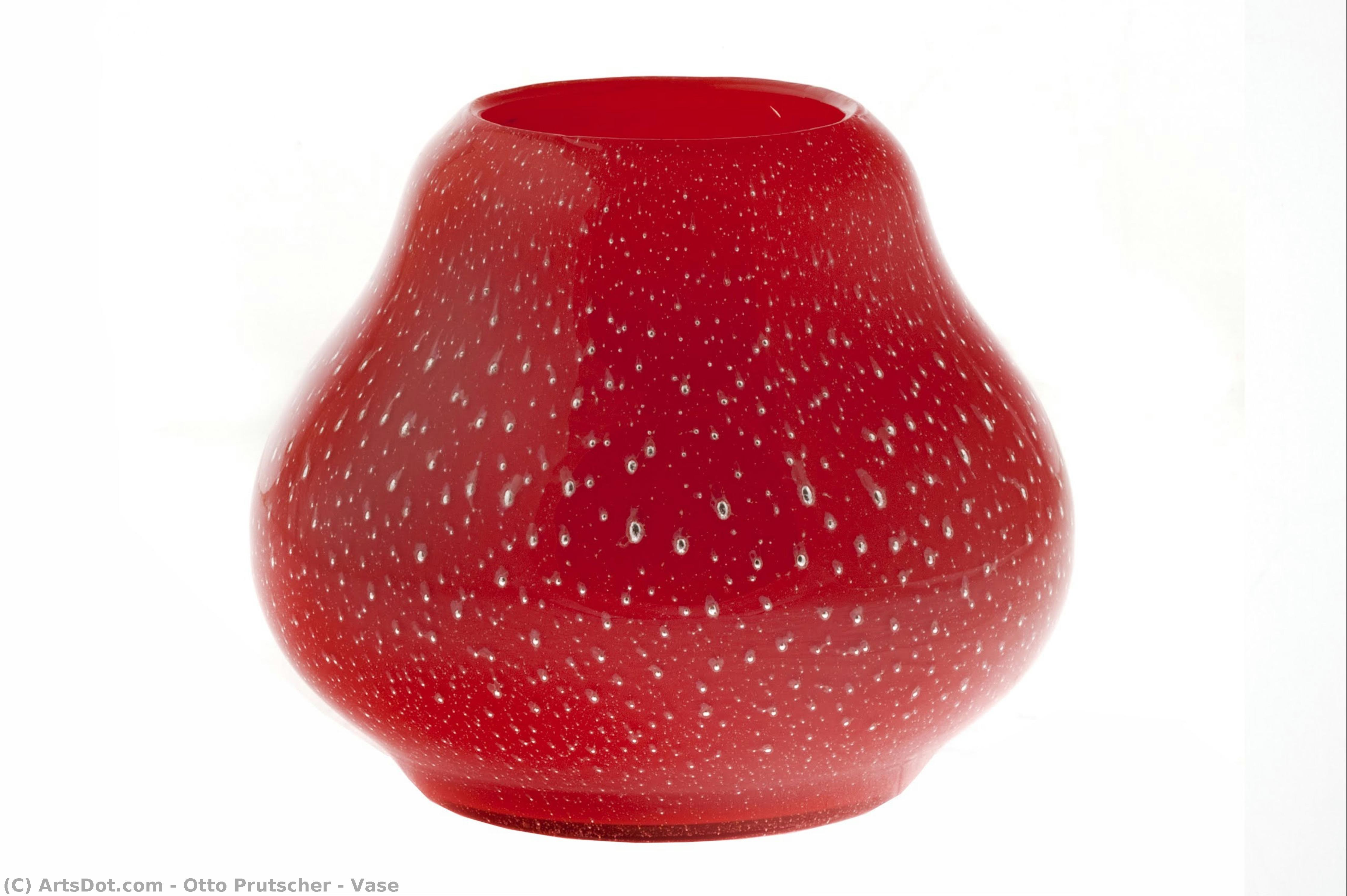
Vase
 1908
1908 6.0 x 12.0 cm
 Nationale Museum van Decoratieve Kunsten Madrid
 Lees meer
Koop een digitale afbeelding in hoge resolutie met verbeterde kwaliteit, die veel superieur is aan de online voorvertoning.
Elk bestand wordt met uiterste precisie voorbereid door onze interne specialisten, met behulp van geavanceerde tools en deskundige handmatige retouche. Wij garanderen dat elke afbeelding een uitzonderlijke helderheid, nauwkeurige kleurweergave en verfijnde details bezit.
Het uiteindelijke bestand wordt binnen 72 uur per e-mail geleverd, geoptimaliseerd voor direct gebruik in professionele, redactionele en printomgevingen. Dit is dezelfde kwaliteit waarop vooraanstaande designstudio's, uitgevers en galerieën vertrouwen.
Digitale afbeeldingen
Download een bestand met hoge resolutie voor persoonlijke weergave, afdrukken en creatieve projecten. ( Bestel print Bestel handgeschilderde reproductie)
Inbegrepen bij elke bestelling van een digitale afbeelding
Professionele digitale levering, gegarandeerd
Wanneer u kiest voor OriginalUniqueArt.com, ontvangt u niet alleen een afbeelding – u krijgt een professioneel verbeterd digitaal kunstwerk, met precisie vervaardigd en voorzien van een tevredenheidsgarantie. Dit is alles wat automatisch bij uw bestelling is inbegrepen:

Snelle levering per e-mail
Uw hoogwaardige digitale afbeeldingsbestand wordt binnen 72 uur na bestelling naar u gemaild – klaar voor direct gebruik.

AI-verbeterd digitaal bestand
Uw kunstwerk wordt professioneel geoptimaliseerd met behulp van geavanceerde AI-tools en handmatige bewerkingen, waardoor maximale details, helderheid en kleurnauwkeurigheid worden gegarandeerd.

Gratis levenslange herlevering van digitale afbeeldingen
Je bestand per ongeluk verwijderd of kwijtgeraakt? Geen zorgen – we sturen het u op elk gewenst moment gratis opnieuw toe.

Geen invoerkosten – nooit
Geniet direct van uw kunstwerk zonder invoerrechten, belastingen of verzendkosten – digitale downloads zijn altijd belastingvrij.

Garantie op kleurgetrouwheid
Met behulp van professionele hulpmiddelen en kleurbeheer zorgen wij ervoor dat uw digitale afbeelding de originele kleuren zo nauwkeurig mogelijk weergeeft.

60 dagen tevredenheidsgarantie
Als u niet tevreden bent met uw digitale afbeelding, passen wij deze aan of storten wij 100% terug binnen 60 dagen – zonder vragen gesteld.

100% Geld-terug-garantie
Niet tevreden? Ontvang binnen 60 dagen na ontvangst van uw digitale bestand uw volledige aankoopbedrag terug – zonder vragen te stellen.

Korting bij grote bestellingen
Koop 3 afbeeldingen, bespaar 10% - Koop 5, bespaar 15% - Koop 10+, bespaar 20%. Ideaal voor creatieve projecten, galerieën en bureaus.
Kunstenaarsbiografie
A Pioneer of Viennese Modernism: The Life and Legacy of Otto Prutscher
Otto Prutscher, born in Vienna in 1880 and passing away in 1949, stands as a pivotal yet often-underappreciated figure in the evolution of Austrian design. He wasn’t merely an architect; he was a versatile artist who seamlessly blended tradition with burgeoning modernity, leaving an indelible mark on everything from grand architectural projects to the delicate curves of glassware and the intricate patterns adorning textiles. Prutscher embodied the spirit of Vienna at the turn of the 20th century—a city brimming with artistic innovation, intellectual ferment, and a desire to forge a new aesthetic identity. His early education at the Fachschule für Holzindustrie and subsequently at the Kunstgewerbeschule (School of Applied Arts) laid the foundation for his multifaceted career. Crucially, it was under the tutelage of Josef Hoffmann that Prutscher’s artistic sensibilities were truly shaped, instilling in him a commitment to quality craftsmanship and a keen awareness of prevailing architectural trends.Early Influences and Artistic Development
Prutscher's formative years coincided with the rise of the Vienna Secession, a movement that challenged the conservative norms of the established art world. While not a founding member, he wholeheartedly embraced its principles—a rejection of historical eclecticism in favor of a more streamlined, functional aesthetic. His initial designs reflected this influence, often characterized by geometric forms and a restrained elegance. However, Prutscher wasn’t content to simply replicate Hoffmann's style; he embarked on a journey of artistic exploration that led him to incorporate classical motifs and indigenous patterns into his work. This unique synthesis became a hallmark of his oeuvre, distinguishing him from his contemporaries. His participation in the 1900 Paris Exposition and the 1902 Turin Exposition served as crucial platforms for showcasing his burgeoning talent and establishing his reputation within the international art community. These early exhibitions weren’t just opportunities to display finished products; they were vital moments of exchange, allowing Prutscher to absorb new ideas and refine his artistic vision.A Prolific Creator: Architecture, Interiors, and Applied Arts
The sheer breadth of Prutscher's creative output is astonishing. He designed over 50 buildings, conceptualized nearly 50 exhibitions, crafted interiors for countless shops and cafés in Vienna, and produced an estimated 300 interior designs. Beyond that, he created more than 200 individual pieces and sets of furniture. This remarkable productivity was facilitated by his collaborative approach—he frequently worked with over 200 companies to bring his designs to life, most notably the Wiener Werkstätte (Vienna Workshop), Backhausen, and Augarten. Prutscher’s involvement extended beyond mere design; he also dedicated himself to education, teaching at institutions like the Graphische Lehr- und Versuchsanstalt and later returning to the Kunstgewerbeschule as an instructor. He wasn't simply creating objects; he was shaping a generation of artists and designers. His work spanned a vast range of mediums—from glassware and textiles to metalwork, silverware, and jewelry—demonstrating his mastery of diverse techniques and materials.The Legacy of a Universal Designer
Otto Prutscher’s significance lies not in any single iconic masterpiece but rather in the pervasive influence he exerted on Viennese Modernism. He was a true “Universal Designer,” capable of seamlessly transitioning between architectural plans, interior schemes, and intricate decorative details. His designs weren't merely aesthetically pleasing; they were imbued with a sense of functionality and practicality, reflecting his belief that art should enhance everyday life. He skillfully navigated the complex relationship between tradition and innovation, creating works that were both rooted in Austrian heritage and forward-looking in their aesthetic sensibility.- Vienna Secession Influence: Embraced the movement’s rejection of historical eclecticism.
- Collaborative Spirit: Worked with over 200 companies, including Wiener Werkstätte and Backhausen.
- Educational Role: Taught at prominent art institutions, shaping future generations of designers.
- Versatility in Mediums: Mastered glassware, textiles, metalwork, furniture design, and more.

Otto Prutscher
1880 - 1949 , Austria
Belangrijkste feiten
- Artistic Movement Or Style: Post-Impressionism
- Artists Or Movements Influenced By This Artist:
- Fauves
- Expressionism
- Artists Who Influenced This Artist:
- Jean-François Raffaëlli
- Anton Mauve
- Date Of Birth: March 30, 1853
- Date Of Death: July 29, 1890
- Full Name: Vincent Willem van Gogh
- Nationality: Dutch
- Notable Artworks:
- Sunflowers
- Bedroom in Arles
- The Starry Night
- Wheatfield with Crows
- Place Of Birth: Netherlands

