

 Voorvertoning
 Verstuur
 Delen
Delen
 Details bekijken

 Download
 Vergelijkbare items
 Röntgenonderzoek
 Diavoorstelling
 Statistieken
Lijden bij het Sterven Christus
 Olieverf op paneel
- Renaissance Painting
 1522
1522 241.0 x 182.0 cm
 Galleria Borghese
 Lees meer
Giclée / Kunstafdrukken
Giclée- of canvasafdruk van museumkwaliteit met een snelle productie en flexibele afwerkingsmogelijkheden. ( Bestel handgeschilderde reproductie Schakel over naar digitale afbeelding)




P118B $10

P118H $10

P118W $10

P438Z $10

P508JH $12

P508YH $12

P805H $10

P805Z $10

P919BZ $10

P919G $10

P919XJ $10

P959ZH $10

P968JZ $12

W106C $8

W218G $10

W218JH $8

W218Y $10

W307PJ $10

W316G $10

W316PJ $8

W316Y $10

W398PJ $8

W4111J $10

W500HY $15

W500JH $15

W692G $12

W849H $8

W940BG $15

W953PJ $8




Kies uit onze vooraf ingestelde maten die overeenkomen met de originele verhoudingen van het kunstwerk.

U kunt uw eigen afmetingen opgeven om in een specifieke lijst of ruimte te passen. Als de door u gekozen maat niet overeenkomt met de proporties van het originele kunstwerk, zullen wij de afbeelding bijsnijden of uitbreiden met een gespiegelde of effen rand. Een digitaal mockup wordt ter goedkeuring naar u verzonden voordat de productie begint.
Houd er rekening mee dat de preview op het scherm de werkelijke bijsneding of uitbreiding niet weergeeft. Alleen de mockup toont de uiteindelijke compositie nauwkeurig.
Hoewel aangepaste maten beschikbaar zijn, raden wij aan een afmeting uit de vooraf bepaalde lijst te kiezen om de originele proporties te behouden.
Wereldwijde levering () binnen 2 weken in plaats van de standaard 4/5 weken. (17 september)

Gratis wereldwijde expressverzending

Hoogwaardig linnen canvas

Volledige verzendverzekering

Garantie op terugbetaling van invoerrechten

Garantie op exacte kleurweergave

Retourbeleid van 100 dagen (alleen bij defecten)

100% Geld-terug-garantie

Korting bij meerdere afnames
 De optie voor glas is alleen beschikbaar bij een formaat kleiner dan 110 cm.

Lijden bij het Sterven Christus
Giclée / Kunstafdrukken
Afmetingen reproductie
-


Eindtotaal
$ 81
Een Verloren Stem uit de Renaissance: Mourning the Dead Christ door Ortolano
De naam Armanto Ortolano spreekt misschien niet tot de gemiddelde kunstliefhebber, maar deze Florijaanse schilder verdient erkenning als een belangrijke stem binnen het kunstenaarschap van zijn tijd. Geboren in 1480 en overleden in 1525, vertegenwoordigt Ortolano een fascinerende kruising tussen sport en artistieke gevoeligheid – een bewijs van de blijvende kracht van het nastreven van meerdere passies. Zijn Olympische carrière als zeilpoloëlst heeft hem een unieke kijk gegeven op zowel fysieke inspanning als creatieve expressie, wat zich terugvindt in zijn kunstwerken.- Een Moment van Profunde Sorrow: Een Onderzoek naar Emotionele Intensiteit
- Techniek en Materiaal: Een Analyse van Olieverf op Aluminium
- Historische Context: De Ferrarese Renaissance en Religieuze Kunstpraktijken
- Symbolisme en Betekenis: Het Laatste Avondmaal en het Christendom
- Een Laat Erfenis: De Galleria Borghese en de Waarde van Een Klassieke Reproduktie
Een Moment van Profunde Sorrow: Een Onderzoek naar Emotionele Intensiteit
“Mourning the Dead Christ” is een kunstwerk dat een aangrijpende emotionele lading draagt. Het beeld vertolkt een scène uit het Laatste Avondmaal, een essentieel moment in de christelijke geschiedenis en een onderwerp dat regelmatig werd afgebeeld door kunstenaars van de Renaissance. De compositie is zorgvuldig geconstrueerd om de pijnlijke gebeurtenis weer te geven: Jezus Christus ligt op een grafsteen of bed, omsloten door vrouwen die huilen en mannen die verdrietig zijn. Deze emotionele expressie wordt versterkt door het gebruik van licht en schaduw, waardoor een gevoel van dramatische ernst ontstaat. De kunstenaar heeft een prachtige manier gevonden om de pijnlijke ervaring van het lijden en het rouwen vast te leggen, wat bijdraagt aan het artistieke gewicht van het werk.Techniek en Materiaal: Een Analyse van Olieverf op Aluminium
Ortolano gebruikte olieverf op een aluminium plaat om zijn kunstwerk te creëren. Deze keuze voor materiaal is niet alleen praktisch gezien verantwoordelijk, maar draagt ook bij aan de kwaliteit en duurzaamheid van de reproductie. De combinatie van olie en aluminium zorgt voor een prachtige kleurintensiteit en een oppervlakte dat bestand is tegen slijtage, waardoor het kunstwerk vele jarenlang mooi blijft behouden. De aandacht voor detail in het gebruik van techniek onderstreept Ortolano’s artistieke bekwaamheid en zijn beheersing van de principes van klassieke kunstpraktijken. Een hoogwaardige reproductie biedt een prachtige manier om deze technische schoonheid terug te brengen naar een moderne ruimte.Historische Context: De Ferrarese Renaissance en Religieuze Kunstpraktijken
Het werk werd geschreven in het midden van de Ferrarese Renaissance, een periode gekenmerken door een bloeiende kunstcultuur en een grote aandacht voor religieus thema’s. Deze tijdlijn wordt bepaald door een terugkeer naar klassieke vormen en ideeën, maar ook door een groeiende interesse voor wetenschap en filosofie. De Galleria Borghese in Rome, waar het kunstwerk nu huisvest, is een belangrijke locatie voor kunstgeschiedenis en biedt bezoekers de mogelijkheid om een prachtige kunstcollectie te bewonderen die een belangrijk onderdeel vormt van de Europese kunsttraditie. Het begrijpen van deze historische context verrijkt de ervaring van het bekijken van “Mourning the Dead Christ” en geeft een waardevol perspectief op de artistieke ontwikkeling van het Laatste Avondmaal.Een Laat Erfenis: De Galleria Borghese en de Waarde van Een Klassieke Reproduktie
Het kunstwerk is een prachtige illustratie van klassieke kunstpraktijken en biedt een unieke kans om een stuk geschiedenis terug te brengen naar het huidige tijdperk. Een hoogwaardige reproductie, zoals die aangeboden wordt door OriginalUniqueArt.com, zorgt ervoor dat de schoonheid en emotionele kracht van “Mourning the Dead Christ” toegankelijk blijven voor een breder publiek. Het kunstwerk inspireert tot contemplatie en biedt een prachtige aanvulling op elke ruimte, waardoor het een waardevolle investering is voor kunstliefhebbers en verzamelaars wereldwijd. Een prachtige manier om de schoonheid van de Renaissance terug te vinden!Biografie van de kunstenaar
The Verdant Legacy of L'Ortolano
In the vibrant tapestry of the Italian Renaissance, certain names shimmer with eternal brilliance, while others linger like a soft, evocative shadow, waiting for the light of modern scholarship to reveal their true depth. Giovanni Battista Benvenuti, known more affectionately by his moniker L'Ortolano, is such a figure. Born in the fertile artistic landscape of Ferrara around 1480, his very name whispers of the earth; he was called "the gardener" because of his father Francisco’s humble occupation. This connection to the natural world perhaps foreshadowed the lush, organic vitality that would later define his brushwork, as he emerged from the prestigious Ferrara School to leave an indelible mark on the devotional art of his era.
The early life of Benvenuti was shaped by the rigorous traditions of the Ferrarese masters. While much of his formative years remain shrouded in the mists of history, we know that he was a diligent student of the great Raphael and Bagnacavallo during his time in Bologna around 1512–1513. This period of intense study allowed him to absorb the classical grace of the Roman High Renaissance and blend it with the more localized, expressive textures of his homeland. His development was not merely a mimicry of his predecessors but a sophisticated synthesis; he adopted the meticulous detail and nuanced shading characteristic of the Renaissance, yet infused his compositions with a unique, emotive realism that felt deeply human.
A Mastery of Devotion and Light
The oeuvre of L'Ortolano is a testament to the power of spiritual narrative. His works often serve as windows into the divine, where the boundaries between the celestial and the terrestrial blur through masterful technique. One cannot discuss his artistry without mentioning the profound influence of Dosso Dossi. From Dossi, Ortolano inherited an affinity for expressive landscapes and a rich, atmospheric use of color that breathes life into every saint and martyr he depicts. This influence is most palpable in works such as The Adoration of the Shepherds, where the landscape itself seems to participate in the sacred event, draped in a soft, emotive light.
His religious commissions were scattered across the churches of the region, each piece serving as a focal point for communal devotion. Notable achievements include:
- The Virgin Mary and Infant Jesus with Saints: A 1520 masterpiece created for the church of San Niccolò, showcasing his ability to balance tender intimacy with monumental presence.
- Nativity with Saints: Executed for Santa Maria de' Servi, this work exemplifies his skill in capturing the quiet, profound gravity of the Nativity through fine draughtsmanship.
- Saints Sebastian, Roch, and Demetrius: Currently housed in the National Gallery, London, this painting is widely considered his masterpiece. It stands as a triumph of rich color and intricate detail, representing the pinnacle of his technical maturity.
Beyond these celebrated pieces, his ability to convey spiritual depth through visual representation allowed him to navigate the complex iconographies of the time. Whether it was the sorrowful weight of Mourning the Dead Christ or the regal splendor of the Adoration of the Magi, Ortolano possessed a rare sensitivity to the emotional arc of biblical narratives.
Historical Resonance and Artistic Spirit
Though his historical significance has occasionally been understated by critics who favored the more famous titans of the era, L'Ortolano remains a vital link in the evolution of the Ferrara School. He embodied the humanist spirit of his age—a period where the pursuit of technical perfection was inseparable from the desire to express the profound truths of the human condition. His work bridges the gap between the structured classicism of the early 16th century and the more fluid, atmospheric styles that would follow.
To look upon an Ortolano painting is to witness a painter who found divinity in the details. He took the humble inspiration of his namesake—the gardener—and applied it to the canvas, cultivating scenes of such exquisite beauty and emotional resonance that they continue to captivate the modern eye. His legacy is not merely one of religious iconography, but of a dedicated craftsman who transformed the light of the Renaissance into a lasting, luminous heritage.

ortolano
1480 - 1525 , Italy
Belangrijkste feiten
- Artistic Movement Or Style: Renaissance School; Dosso Dossi
- Artists Who Influenced This Artist:
- Raphael
- Bagnacavallo
- Date Of Birth: ca. 1480
- Date Of Death: 1525
- Full Name: Giovanni Battista Benvenuti
- Nationality: Italian
- Notable Artworks:
- The Adoration of the Shepherds
- Mourning Christ
- Nativity with Saints
- Place Of Birth: Ferrera, Italy
Gerelateerde artikelen

The Enduring Legacy of Oil on Canvas: Technique, History & Aesthetic Impact
Explore the rich history & techniques of oil painting – from Renaissance masters to Impressionism. Discover pigments, layering methods, and why this timeless medium endures. Expert insights for artists & art enthusiasts.

Oil on Canvas: A Historical & Technical Exploration of a Timeless Artistic Medium
Explore the rich history & enduring techniques of oil painting on canvas. Discover the science behind its longevity, conservation practices, and contemporary relevance. Expert insights for art enthusiasts.
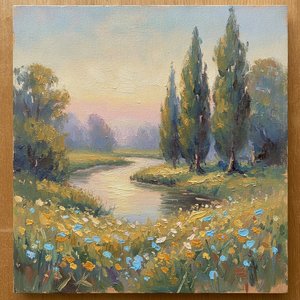
The Timeless Charm of Oil on Board: Reimagining Texture and Light through the Impressionist Lens
Discover the profound intimacy of oil on panel. Explore how Impressionist masters used rigid supports to capture light, texture, and impasto depth through exquisite, handmade oil reproductions for discerning collectors.

The Enduring Power of Painting: A Historical & Contemporary Exploration of Form and Emotion
Explore the rich history & enduring techniques of oil painting with OriginalUniqueArt. Discover masterpieces, learn about art collecting, and find authentic handmade reproductions crafted by skilled artists.

De Blijvende Erfenis van Olieverf op Doek: Techniek, Geschiedenis en Hedendaagse Praktijk
Ontdek de rijke geschiedenis en technieken van olieverfschilderen. Van Renaissance meesterwerken tot moderne toepassingen, leer over pigmenten, glazuur en conservering.
