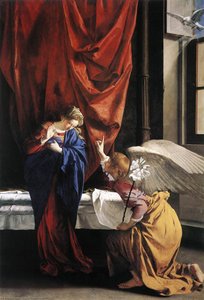
Voorvertoning
 Verstuur
 Delen
Delen
 Details bekijken
 Gids
Gids

 Download
 Vergelijkbare items
 Röntgenonderzoek
 Diavoorstelling
 Vraag & antwoord
 Statistieken
The Lute Player

- 144.0 x 129.0 cm


 Lees meer
Giclée / Kunstafdrukken
Giclée- of canvasafdruk van museumkwaliteit met een snelle productie en flexibele afwerkingsmogelijkheden. ( Bestel handgeschilderde reproductie Schakel over naar digitale afbeeldingen)




P118B €10

P118H €10

P118W €10

P438Z €10

P508JH €12

P508YH €12

P805H €10

P805Z €10

P919BZ €10

P919G €10

P919XJ €10

P959ZH €10

P968JZ €12

W106C €8

W218G €10

W218JH €8

W218Y €10

W307PJ €10

W316G €10

W316PJ €8

W316Y €10

W398PJ €8

W4111J €10

W500HY €15

W500JH €15

W692G €12

W849H €8

W940BG €15

W953PJ €8




Kies uit onze vooraf ingestelde maten die overeenkomen met de originele verhoudingen van het kunstwerk.

Voer de gewenste breedte en hoogte in, passend bij uw lijst of muur. Een afdruk kan alleen worden ingekort en nooit groter worden gemaakt dan het origineel; een formaat met andere verhoudingen zal daarom een deel van de afbeelding verliezen. Wij sturen u een digitaal mockup ter goedkeuring voordat we tot drukwerk overgaan. De afbeelding op deze pagina toont niet de werkelijke uitsnede — dit is alleen te zien op het mockup.
Wereldwijde levering () binnen 2 weken in plaats van de standaard 4/5 weken. (9 november)

Gratis wereldwijde expressverzending

Hoogwaardig linnen canvas

Volledige verzendverzekering

Garantie op terugbetaling van invoerrechten

Garantie op exacte kleurweergave

Retourbeleid van 100 dagen (alleen bij defecten)

100% Geld-terug-garantie

Korting bij meerdere afnames
 De optie voor glas is alleen beschikbaar bij een formaat kleiner dan 110 cm.

The Lute Player
Giclée / Kunstafdrukken
Afmetingen reproductie
-


Eindtotaal
€ 72
A Symphony of Light and Shadow
In the quiet intimacy of Orazio Gentileschi’s The Lute Player, we are invited into a moment of profound sensory immersion. The scene unfolds with a breathtakingly delicate balance of light and shadow, characteristic of the early Baroque era. A young woman, draped in a luminous golden yellow gown, sits poised at the edge of our vision, her body turned away as if caught in a private reverie. She leans toward her instrument, tilting her head to press her ear against the pear-shaped lute, seeking the very resonance of the note she has just struck. This gesture—an act of deep, focused listening—transports the viewer from the mere observation of a painting into the shared experience of music itself.
The technique employed by Gentileschi is nothing short of masterful. Moving away from the rigid, artificial elegance of Mannerism, he embraces a naturalistic clarity that breathes life into every texture. One can almost feel the weight of the crimson-red velvety fabric beneath her, the crispness of the voluminous white blouse, and the smooth, cool surface of her pale skin. The artist uses light not merely to illuminate, but to sculpt; a diagonal shaft of light pierces the dark, earthy background, catching the fine strands of her braided hair and highlighting the intricate details of the musical instruments scattered across the olive-green draped table. This interplay of chiaroscuro creates a sense of three-dimensional depth that makes the composition feel remarkably present.
The Poetry of Stillness and Sound
Beyond its visual splendor, the painting is rich with symbolic resonance. The presence of the violin, the wooden recorders, and the open music books suggests a world where art and intellect are harmoniously entwined. These objects serve as more than mere props; they are symbols of the ephemeral nature of sound and the enduring beauty of composition. There is a poignant tension in the stillness of the scene—the way the woman’s fingers press against the strings, the way her gaze drifts toward an unseen horizon—that captures the fleeting moment between a note being played and its eventual silence.
For the discerning collector or interior designer, The Lute Player offers a sophisticated emotional anchor for any space. It possesses a rare ability to command attention through subtlety rather than spectacle. Whether placed in a sun-drenched library or a moody, contemporary study, a high-quality reproduction of this masterpiece brings with it an atmosphere of contemplative elegance and timeless grace. It is a piece that does not merely decorate a wall; it invites a mood of introspection, turning any room into a sanctuary of culture and quiet beauty.
Veelgestelde vragen
Hoe past "The Lute Player" binnen de thema's en stijl van Orazio Gentileschi?
"The Lute Player" behoort tot het Baroque-werk van Orazio Gentileschi, waarvan de bekende thema's onder meer caravaggio's naturalistic influence, transition from mannerism to baroque, musical genre scene, masterpiece of luminous color, introspective baroque style omvatten.
Hoe kan ik een print van "The Lute Player" door Orazio Gentileschi verkrijgen?
Een print van "The Lute Player" door Orazio Gentileschi kan rechtstreeks worden besteld op de Fine Art Print-pagina: een fine art print op katoenen canvas of archiefwaardig canvaspapier.
Welke emotionele toon gaat gepaard met de Baroque-stijl van "The Lute Player"?
Binnen de Baroque-stroming is "The Lute Player" vastgelegd met een Reflective toon.
Biografie kunstenaar
A Tuscan Dawn: The Life and Art of Orazio Gentileschi
Born in 1563 amidst the rolling hills of Tuscany, Orazio Gentileschi embarked on a journey that would see him become a pivotal figure in the transition from Mannerism to Baroque painting. Initially known as Orazio Lomi, he gravitated towards Rome, then the epicenter of artistic innovation, where he honed his skills within the workshops of Cola dell’Amata and absorbed the architectural sensibilities of Francesco da Sangallo. These early influences instilled in him a meticulous attention to form and composition, characteristics that would remain hallmarks of his style even as it dramatically evolved. Gentileschi’s initial work often involved contributing figures to larger decorative schemes conceived by other artists – a formative experience that taught him collaboration and adaptability, yet also hinted at a burgeoning ambition for independent expression. He began his career assisting in the creation of elaborate frescoes and altarpieces, learning the fundamentals of perspective, color theory, and composition under the tutelage of established masters. This period served as a crucial apprenticeship, providing him with invaluable experience in executing complex scenes and understanding the demands of various patrons.Embracing the Shadow: Caravaggio's Influence and Artistic Development
The turn of the 17th century marked a turning point in Gentileschi’s artistic trajectory. The revolutionary naturalism of Caravaggio burst onto the Roman art scene, challenging established conventions with its dramatic use of light and shadow – *tenebrism* – and unflinching realism. Gentileschi was profoundly affected by this seismic shift, adopting elements of Caravaggio's style into his own work. However, he wasn’t merely an imitator; rather, he filtered Caravaggio’s innovations through his existing artistic sensibilities. While retaining the dramatic intensity, Gentileschi softened the harshness of Caravaggio’s *tenebrism*, introducing a lighter palette and a more refined approach to detail. This resulted in paintings that possessed both emotional power and elegant grace – a unique synthesis that distinguished him from his contemporaries. Biblical scenes and mythological narratives became frequent subjects, allowing Gentileschi to explore themes of faith, heroism, and human vulnerability with compelling visual storytelling. He skillfully employed Caravaggio’s techniques while maintaining a distinctly personal style, characterized by a sense of movement and dynamism rarely seen in the work of other artists influenced by the master.A Courtly Wanderer: From Paris to London
Gentileschi’s artistic reputation extended beyond Italy's borders. His talent attracted the patronage of powerful figures, leading him on a peripatetic journey through Europe. He spent time at the court of Marie de' Medici in Paris, where his refined style resonated with the Queen’s taste for elegance and sophistication. This period saw a further evolution in his work, characterized by increasingly elaborate compositions and a heightened sense of decorum. He became known for his ability to capture the nuances of aristocratic life, depicting portraits that were both flattering and revealing. However, it was his invitation to England in 1626 that would define the final chapter of his career. Appointed court painter to Charles I, Gentileschi became one of the first major exponents of Caravaggism in Britain, significantly influencing the development of English Baroque painting. He undertook ambitious projects, including a series of ceiling paintings for Greenwich Palace (now Marlborough House), showcasing his mastery of large-scale decorative schemes and solidifying his position as a leading artist of his time. His work in England reflected the prevailing tastes of the court, blending classical influences with dramatic realism.Key Works and Artistic Style
Gentileschi’s oeuvre encompasses a diverse range of subjects, reflecting both his artistic versatility and the varied demands of his patrons. Among his most celebrated works are “Danae,” a powerful depiction of mythological excess; "The Annunciation," showcasing his mastery of composition and color; and “The Virgin Mary,” demonstrating his ability to convey profound emotion through subtle gestures and expressions. His style is characterized by a masterful command of *chiaroscuro*, creating dramatic contrasts between light and shadow that heighten the emotional impact of his scenes. He employed a lighter palette than many of his contemporaries, favoring warm earth tones and vibrant reds and blues. Gentileschi’s figures are often depicted in dynamic poses, conveying a sense of movement and vitality. His compositions are meticulously balanced, reflecting a deep understanding of perspective and spatial relationships. Major Works: “Danae”, "The Annunciation", "The Virgin Mary". Key Influences: Mannerism, Caravaggio. Artistic Style: Baroque, Dramatic compositions, Bright colors.Legacy and Lasting Impact
Orazio Gentileschi’s contributions to the world of art are multifaceted. He bridged the gap between Mannerism and Baroque, absorbing the innovations of Caravaggio while forging his own distinctive style. His use of vibrant colors, dramatic compositions, and refined technique influenced a generation of artists across Europe. He was instrumental in introducing Caravaggism to England, leaving an indelible mark on the artistic landscape there. But perhaps his most enduring legacy lies in his daughter, Artemisia Gentileschi. Trained in her father’s studio, she emerged as one of the most celebrated female painters of the Baroque era, carrying forward the family's artistic tradition and achieving renown in her own right. Today, Gentileschi’s works are held in prestigious museums and galleries worldwide – from the Uffizi Gallery in Florence to the Accademia Gallery in Venice – testaments to his enduring brilliance and lasting impact on the history of art. His paintings continue to captivate viewers with their emotional depth, technical virtuosity, and timeless beauty.
Orazio Gentileschi
1563 - 1639 , Italië
Belangrijkste feiten
- Artistic Movement Or Style: Barok, Caravaggisme
- Artists Or Movements Influenced By This Artist:
- Artemisia Gentileschi
- Barok kunst
- Artists Who Influenced This Artist:
- Caravaggio
- Francesco da Sangallo
- Date Of Birth: 1563
- Date Of Death: 1639
- Full Name: Orazio Gentileschi
- Nationality: Italiaans
- Notable Artworks:
- Danae
- De Aankondiging
- Het Maria Altar
- Place Of Birth: Tuscany, Italië
Gerelateerde artikelen

25 Masterpieces by Francisco de Zurbarán: The King of Spanish Baroque Tenebrism
Immerse yourself in the dramatic world of Francisco de Zurbarán. Explore 25 iconic Spanish Baroque masterpieces defined by intense tenebrism and spiritual realism. Find inspiration for museum-quality art reproductions and decor. Discover all masterpieces on OriginalUniqueArt.com.

25 Masterpieces by Francisco de Zurbarán: The King of Spanish Baroque
Immerse yourself in the dramatic world of Francisco de Zurbarán. Explore 25 iconic Spanish Baroque masterpieces defined by intense tenebrism and spiritual realism. Find inspiration for museum-quality art reproductions and decor. Discover all masterpieces on OriginalUniqueArt.com.
Top 10 Meesterwerken Gedomineerd door 'Chrome Geel': Kunst voor uw Interieur
Ontdek de top 10 beroemde schilderijen gedomineerd door 'Chrome Geel'! Van Gogh, Monet en meer. Leer over kunststijlen & technieken. Museumkwaliteit reproducties voor uw interieur op OriginalUniqueArt.com

25 Masterpieces by Francisco de Zurbarán: The King of Spanish Baroque
Immerse yourself in the dramatic world of Francisco de Zurbarán. Explore 25 iconic Spanish Baroque masterpieces defined by intense tenebrism and spiritual realism. Find inspiration for museum-quality art reproductions and decor. Discover all masterpieces on OriginalUniqueArt.com.
10 Iconic Baroque Masterpieces That Changed Art Forever
Step into the drama of the Baroque era. Explore 10 iconic masterpieces featuring dramatic chiaroscuro and legendary artists. Find inspiration for your space with museum-quality art reproductions and curated decor. Discover all masterpieces on OriginalUniqueArt.com.