

 Bekijk op ware grootte
 Verstuur
 Delen
Delen
 Details bekijken
 Gids voor studentenkunstwerken

 Download
 Vergelijkbare items
 Röntgenonderzoek
 Diavoorstelling
 Statistieken
Initiation to Study


 Lees meer
Giclée / Kunstafdrukken
Giclée- of canvasafdruk van museumkwaliteit met een snelle productie en flexibele afwerkingsmogelijkheden. ( Koop handgeschilderd kunstwerk Schakel over naar digitale afbeeldingen)




P118B €10

P118H €10

P118W €10

P438Z €10

P508JH €12

P508YH €12

P805H €10

P805Z €10

P919BZ €10

P919G €10

P919XJ €10

P959ZH €10

P968JZ €12

W106C €8

W218G €10

W218JH €8

W218Y €10

W307PJ €10

W316G €10

W316PJ €8

W316Y €10

W398PJ €8

W4111J €10

W500HY €15

W500JH €15

W692G €12

W849H €8

W940BG €15

W953PJ €8




Kies uit onze vooraf ingestelde maten die overeenkomen met de originele verhoudingen van het kunstwerk.

Voer de breedte en de hoogte in die u nodig heeft, passend bij uw lijst of uw muur. Een afdruk kan alleen worden ingekort, nooit groter worden gemaakt dan het origineel, waardoor een formaat met een andere verhouding een deel van de afbeelding verliest. Wij sturen u een digitaal mockup ter goedkeuring voordat we iets drukken. De afbeelding op deze pagina toont niet de werkelijke uitsnede — dit is alleen te zien op het mockup.
Wereldwijde levering () binnen 2 weken in plaats van de standaard 4/5 weken. (21 oktober)

Gratis wereldwijde expressverzending

Hoogwaardig linnen canvas

Volledige verzendverzekering

Garantie op terugbetaling van invoerrechten

Garantie op exacte kleurweergave

Retourbeleid van 100 dagen (alleen bij defecten)

100% Geld-terug-garantie

Korting bij meerdere afnames
 De optie voor glas is alleen beschikbaar bij een formaat kleiner dan 110 cm.

Initiation to Study
Giclée / Kunstafdrukken
Formaat reproductie
-


Totaalprijs
€ 71
The Enigmatic Vision of Odilon Redon
Odilon Redon’s “Initiation to Study,” painted in 1905, isn't merely a depiction of two women; it’s an immersion into the shadowy depths of the Symbolist imagination. Redon, a pivotal figure bridging the late Romanticism and the nascent Surrealism, possessed a singular ability to translate the unseen realms of dreams, anxieties, and spiritual quests onto canvas. This work exemplifies his core aesthetic: a deliberate blurring of reality, where figures emerge from indistinct backgrounds, bathed in muted tones that evoke both melancholy and profound contemplation. It’s a painting that demands – and rewards – prolonged observation, inviting viewers to become active participants in deciphering its layered symbolism.
Symbolism and the Language of the Unseen
The Symbolist movement, which flourished in France during the late 19th century, rejected the objective representation championed by Impressionism. Instead, artists like Redon sought to capture subjective experiences – emotions, memories, and spiritual insights – through evocative imagery and symbolic forms. “Initiation to Study” is steeped in this tradition. The two women, rendered with a delicate softness of form, seem poised on the threshold of knowledge or perhaps even a transformative experience. The doorway they face isn’t simply an architectural element; it represents a portal into another realm, a gateway to understanding and wisdom. The placement of the figures within a hazy, undefined space further emphasizes this sense of transition and uncertainty.
Notice the subtle details: the muted palette dominated by blues, greys, and browns creates a dreamlike atmosphere, reminiscent of ancient frescoes or illuminated manuscripts. The lack of sharp lines and defined features contributes to the painting’s ethereal quality, suggesting that it exists outside the constraints of conventional reality. The smaller figures scattered throughout the scene – perhaps students, scholars, or simply observers – represent the various facets of learning and intellectual pursuit, reinforcing the title's thematic core.
Technique and Artistic Influences
Redon’s masterful technique is evident in his use of oil on canvas. He employs a layering approach, building up color gradually to achieve a rich, textured surface. The brushstrokes are loose and expressive, contributing to the painting's sense of movement and dynamism. His early training in lithography – particularly his work with black chalk (the “noirs”) – profoundly influenced his style, imbuing his paintings with a characteristic darkness and an emphasis on line and form. This influence is subtly present here, even within the predominantly muted color scheme.
Furthermore, Redon’s artistic journey was shaped by encounters with Japanese art, particularly woodblock prints (Japonisme). The flattened perspective, simplified forms, and use of decorative patterns in “Initiation to Study” reflect this influence. He also drew inspiration from the writings of Edgar Allan Poe and other Romantic poets, whose exploration of the subconscious and the supernatural resonated deeply with his artistic vision.
A Timeless Exploration of Knowledge
“Initiation to Study” is more than just a painting; it’s an invitation to contemplate the nature of knowledge, the pursuit of wisdom, and the mysteries of the human psyche. Redon's ability to evoke such profound emotions through seemingly simple imagery speaks to his genius as a Symbolist artist. Reproductions of this captivating work offer a window into a world where dreams and reality intertwine, inviting viewers to embark on their own personal journey of discovery. It remains a powerful testament to the enduring allure of symbolism and the transformative potential of art.
Vragen & Antwoorden
Waar kan ik een print van "Initiation to Study" door Odilon Redon kopen?
"Initiation to Study" is verkrijgbaar als een fine art print op katoenen canvas of archiefwaardig canvaspapier. Bestellingen kunnen worden geplaatst op de Fine Art Print pagina, in de door u gewenste afmeting.
Hoe populair is "Initiation to Study" binnen Symbolism?
"Initiation to Study" door Odilon Redon wordt geclassificeerd als Recognized en behoort tot de Symbolism-stroming.
Welke emotionele toon gaat gepaard met de Symbolism-stijl van "Initiation to Study"?
"Initiation to Study" draagt een Mysterious emotionele toon in zich binnen de Symbolism-stroming."
Biografie van de kunstenaar
A World Beyond the Visible: The Enigmatic Art of Odilon Redon
Odilon Redon, geboren Bertrand-Jean Redon in 1840 in Bordeaux, Frankrijk, was een kunstenaar die voortdurend streefde om de onzichtbare rijkten van verbeelding en droom tot concrete vorm te vertalen. Zijn artistieke reis begon niet met ambitieuze plannen, maar met stille observatie; al op zijn tiende won hij een tekenprijs – een voorspelling van de visuele gevoeligheid die zijn hele leven zou definiëren. Hoewel hij aanvankelijk werd geleid naar architectuur door familiale verwachtingen, lag Redon’s ware roeping elders, verlicht door instructie van Jean-Léon Gérôme en, cruciaal, Rodolphe Bresdin, die hem begeleidde in de fijne kunsten van gravure en lithografie. Deze technieken vormden de basis voor zijn vroege verkenningswerk, waardoor hij kon duiken in een wereld van schaduwfiguren en dubbelzinnige vormen die spoedig de aandacht trokken van hen die op zoek waren naar een alternatief voor academische realisme. De onderbreking van de Franco-Pruisische oorlog zag Redon kortstondig dienst doen in het leger, maar na zijn terugkeer naar Parijs begon zijn artistieke visie daadwerkelijk te komen tot uiting.De Geboorte van Symbolisme: ‘Noirs’ en Vroege Visioenen
Redon's vroege carrière werd gekenmerkt door een bewuste terugtrekking uit heersende kunststromingen. Hij zocht niet de zichtbare wereld te reproduceren, maar eerder om de verborgen stromingen – de angsten, verlangens en spirituele lange slagen die zich onder het oppervlak van alledaagse het leven bevonden – te oproepen. Dit leidde tot zijn beroemde reeks “noirs”, monochrome werken uitgevoerd in houtskool en lithografie. Deze waren niet simpelweg studies in duisternis; ze waren verkenningsreizen naar de onderbewuste geest, bevolkt door vreemde wezens, losse ogen en spookachtige figuren die opstegen uit wervelende misten. De invloed van schrijvers als Edgar Allan Poe en Charles Baudelaire is hier voelbaar – een gedeelde fascinatie met het macabere, het mysterieuze en de kracht van suggestie. Deze werken werden niet onmiddellijk omarmd; Redon bleef jarenlang grotendeels onbekend. Echter, er kwam in 1884 een keerpunt met Joris-Karl Huysmans’ roman *À rebours*, waarin de decadente aristocraat Des Esseintes Redon's tekeningen promootte, waardoor zijn status binnen avantgardecirkels onmiddellijk werd verhoogd. Deze erkenning opende deuren en stelde Redon in staat om zijn unieke artistieke taal verder te ontwikkelen. Hij beschreef zijn werk als ambigu en ondefinieerbaar, waarbij hij zei dat het “ons moet plaatsen, net zoals muziek, in het ambigue rijk van het onbepaalde.”Van Monochrome naar Levendige Expressie: Een Evolutie
Hoewel de “noirs” Redon’s positie als een belangrijke kracht binnen het Symbolisme vestigden, onderging zijn kunst in de jaren ’90 een opmerkelijke transformatie. Hij begon kleur – eerst pastels, vervolgens oliën – in zijn composities te infuseren met een nieuwe levendigheid en luminositeit. Deze verschuiving was niet alleen technisch; ze weerspiegelde een evoluerend emotioneel landschap binnen de kunstenaar zelf. De vroege werken droegen vaak een gevoel van melancholie en isolatie, maar de latere schilderijen onthullen een groeiende interesse in mythologie, het Oosten en Japanisme – *Japonisme* was een significante invloed. Werken zoals *De Dood van Boeddha* (1899) tonen deze fascinatie met Oost-religie, terwijl stukken die door baron Robert de Domecy werden besteld voor zijn château een gevoel van innerlijk leven en psychologische diepte overbrengen. De portretten van Baroness de Domecy en haar dochter Jeanne zijn bijzonder opvallende voorbeelden van deze periode. Redon verkende zijn interne gevoelens en psyche door zijn kunst, met als doel “het zichtbare te dienen aan het onzichtbare.”Invloeden en Erfgoed: Een Pijler voor Surrealisme
Odilon Redon’s impact op de kunstwereld strekt zich uit verder dan zijn eigen leven. Hij ontving de Legioen van Eer in 1903, en zijn werk werd breder erkend door tentoonstellingen in de Armory Show in New York in 1913. Het was echter pas na zijn dood in 1916 dat zijn ware betekenis volledig tot uiting kwam. Redon’s verkenning van dromen, de onderbewuste geest en irrationele krachten legden de basis voor het Surrealisme, inspireerden kunstenaars als Marcel Duchamp en Max Ernst om soortgelijke gebieden te verkennen. Zijn nadruk op subjectieve ervaring en emotionele expressie resoneerde ook met expressionistische schilders. Hij deed niet alleen wat hij zag; hij visualiseerde wat hij voelde – een principe dat nog steeds kunstenaars inspireert. Redon’s nalatenschap is één van artistieke moed, een bereidheid om het ambigue te omarmen en een diep gevoel voor de kracht van kunst om de verborgen dimensies van menselijke ervaring te onthullen.Belangrijke Kenmerken & Thema's
- Symbolisme: Redon wordt beschouwd als een centrale figuur in de Symbolistische beweging, waarbij de nadruk ligt op emotionele en spirituele expressie in plaats van realistische representatie.
- Droomachtige Beeldspraak: Zijn werken worden vaak gekenmerkt door fantastische wezens, dubbelzinnige landschappen en scènes die de sfeer van dromen oproepen.
- Verkenning van de Onderbewuste Geest: Redon duikelde in thema's als angst, verlangen en de verborgen diepten van de menselijke psyche.
- Invloed van Literatuur & Mythologie: Hij putte inspiratie uit werken van schrijvers zoals Poe en Baudelaire, evenals uit mythologie en religie.
- Technologische Innovatie: Redon’s meesterschap in lithografie en zijn innovatieve gebruik van kleur in pastels en oliën waren cruciaal voor zijn artistieke visie.

Odilon Redon
1840 - 1916 , Frankrijk
Snelle feiten
- Artistic Movement Or Style: Symbolisme
- Artists Or Movements Influenced By This Artist:
- Surrealisme
- Duchamp
- Artists Who Influenced This Artist:
- Gérôme
- Bresdin
- Date Of Birth: 1840
- Date Of Death: 1916
- Full Name: Odilon Redon
- Nationality: Frans
- Notable Artworks:
- Centaurs
- Onnes
- Portrait van Ari Redon
- Place Of Birth: Bordeaux, Frankrijk
Gerelateerde artikelen

Top 10 Witte Meesterwerken: Kunstgeschiedenis & Interieurinspiratie
Ontdek de top 10 witte meesterwerken uit de kunstgeschiedenis! Van Monet tot Mondriaan, bewonder abstracte vormen & serene kleuren. Vind museumkwaliteit reproducties en interieurinspiratie op OriginalUniqueArt.com.

Meesterwerken in Zwart: Top 10 Schilderijen Gedreven door Donkere Tinten | OriginalUniqueArt.nl
Ontdek de kracht van donker! Verlies jezelf in onze top 10 zwarte schilderijen, van Caravaggio tot Manet. Leer over meesterwerken, technieken & emotie. Museumkwaliteit reproducties op OriginalUniqueArt.com – Kunst voor uw interieur.

Meesterwerken in Zwart: Top 10 Schilderijen Gedreven door Mars Black - OriginalUniqueArt
Ontdek de kracht van 'Mars Black' in 10 iconische schilderijen! Van Rembrandt tot Manet, duik in de donkere esthetiek en emotionele diepgang van meesterwerken. Vind museumkwaliteit reproducties & decoratie-inspiratie op OriginalUniqueArt.com.
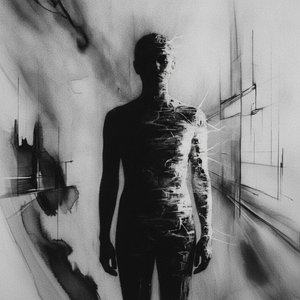
Shadow & Soul: Why Black & White Photography Remains the Ultimate Power Move in Modern Art
Discover why black & white photography remains a powerful force in contemporary art. Explore the impact of light, shadow, and texture through a visual journey of monochrome mastery and learn how to elevate your space with timeless grayscale aesthetics.

Monochrome Visions: Exploring the Aesthetic & Historical Significance of Black & White Photography
Explore the rich history & artistic power of black and white photography. From early techniques to iconic masters like Ansel Adams, discover why monochrome continues to captivate art lovers today. Expert insights for collectors.


