Voorvertoning
 Verstuur
 Delen
Delen
 Details bekijken

 Download
 Vergelijkbare items
 Röntgenonderzoek
 Diavoorstelling
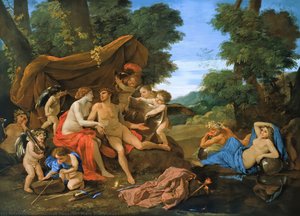
Votary of Bacchus

 Lees meer
Handgemaakte olieverfreproductie
Met de hand geschilderd in olieverf op canvas in uw gewenste maat en lijst, op bestelling gemaakt door onze kunstenaars. ( Bestel print Koop afbeelding)




P118B $10

P118H $10

P118W $10

P438Z $10

P508JH $12

P508YH $12

P805H $10

P805Z $10

P919BZ $10

P919G $10

P919XJ $10

P959ZH $10

P968JZ $12

W106C $8

W218G $10

W218JH $8

W218Y $10

W307PJ $10

W316G $10

W316PJ $8

W316Y $10

W398PJ $8

W4111J $10

W500HY $15

W500JH $15

W692G $12

W849H $8

W940BG $15

W953PJ $8




Kies uit onze vooraf ingestelde maten die overeenkomen met de originele verhoudingen van het kunstwerk.

U kunt uw eigen afmetingen invoeren om in een specifieke lijst of ruimte te passen. Als de door u gekozen maat niet overeenkomt met de verhoudingen van het originele beeld, zullen we het kunstwerk bijsnijden of het schilderij uitbreiden met extra handgeschilderde elementen. Een digitale mockup wordt ter goedkeuring naar u verzonden voordat de productie begint.
Houd er rekening mee dat de preview op het scherm niet de werkelijke uitsnede of uitbreiding weergeeft. Alleen de mockup toont de uiteindelijke compositie nauwkeurig.
Hoewel aangepaste afmetingen mogelijk zijn, raden we aan een maat uit de vooraf gedefinieerde lijst te selecteren om de originele verhoudingen te behouden.
Na de bestelling zal het team van OriginalUniqueArt.com per e-mail contact opnemen met de klant voor instructies en een mockup-voorbeeld sturen.
Wereldwijde levering () binnen 3 tot 4 weken in plaats van de standaard 5 weken. (20 augustus). Zonder concessies aan de kwaliteit.

Gratis wereldwijde expressverzending

Hoogwaardig linnen canvas

Volledige verzendverzekering

Garantie op terugbetaling van invoerrechten

Garantie op exacte kleurweergave

Retourbeleid van 60 dagen (alleen bij defecten)

100% Geld-terug-garantie

Korting bij meerdere afnames
 De optie voor glas is alleen beschikbaar bij een formaat kleiner dan 110 cm.

Votary of Bacchus
Druktechniek
Afmetingen reproductie
-


Eindtotaal
$ 300
Beschrijving kunstwerk
The Lady of Auxerre: A Silent Smile Across Time
The discovery of the Lady of Auxerre in 1907—a limestone sculpture unearthed from a Parisian storage vault—immediately captivated the public imagination, fueling speculation about its origins and artistic significance. This enigmatic Kore, dating back to approximately 650-625 BCE, stands as a testament to the Archaic Greek style, embodying an aesthetic that continues to fascinate scholars and artists alike. Found in Eleutherna and Gortyn, Crete, excavations conducted by Nikolaos Stampolidis have solidified its provenance and illuminated the broader artistic landscape of early Greece.- Provenance: The sculpture’s journey began in obscurity within a Parisian museum vault before being rediscovered in 1907, sparking considerable journalistic interest.
- Style: Representing an Archaic Greek masterpiece, the Lady embodies characteristics of Daedalic art—a style marked by meticulous modeling and incised ornamentation—reflecting influences from Minoan and Egyptian traditions.
- Technique: Crafted from limestone, the Lady showcases exceptional sculptural skill, demonstrating mastery of modeling and incising techniques. The surface is adorned with intricate spiral curls and geometric patterns—incised designs that contribute to the sculpture’s overall visual impact.
- Historical Context: Emerging from the Dark Age, Archaic Greek art represents a pivotal moment in European cultural history—a transition toward rational thought and artistic sophistication. The Lady’s presence serves as a tangible link to this formative era, inviting viewers to contemplate the enduring legacy of classical aesthetics.
Exploring Nicolas Poussin’s “Dancing Votary of Bacchus”
Nicolas Poussin's "Dancing Votary of Bacchus," completed around 1630-1635, stands as an exemplar of Baroque painting—characterized by dramatic lighting, dynamic composition, and meticulous attention to detail. This captivating artwork delves into themes of mythology, spirituality, and human emotion, capturing the essence of classical ideals within a vibrant visual language.- Composition: The painting’s circular frame draws viewers inward, emphasizing the central figure—a nude man holding a wine goblet—who embodies both physical grace and intellectual contemplation.
- Technique: Executed primarily in wash and brown ink over traces of black chalk, Poussin's technique demonstrates mastery of pigment blending and tonal gradation—essential elements for achieving realistic visual effects.
- Symbolism: The nude figure represents purity and vulnerability, while the wine goblet symbolizes divine inspiration and sensual pleasure. These symbolic elements converge to convey a profound meditation on human experience and the relationship between art and spirituality.
A Window Into Ancient Greece: The Significance of Archaic Sculpture
Archaic sculpture represents a transformative moment in European art history—a transition from stylized conventions toward rational thought and artistic realism. Figures like the Lady of Auxerre exemplify this burgeoning aesthetic, embodying ideals of feminine beauty and spiritual serenity while simultaneously reflecting influences from Minoan and Egyptian traditions.- Influence: Archaic sculpture drew inspiration from Minoan and Egyptian art—demonstrating the interconnectedness of cultural traditions across ancient Greece.
- Formal Characteristics: Archaic sculptures are characterized by stylized modeling and incised ornamentation—techniques that prioritize visual harmony and intellectual rigor over naturalistic representation.
The Enduring Legacy of Classical Aesthetics: Reflections on “Dancing Votary”
Nicolas Poussin's "Dancing Votary of Bacchus" stands as a cornerstone of Baroque painting—characterized by dramatic lighting, dynamic composition, and meticulous attention to detail. The artwork’s exploration of mythology, spirituality, and human emotion continues to resonate with audiences today—affirming its place as one of the most celebrated artworks of the seventeenth century.- Emotional Impact: The painting evokes feelings of serenity, contemplation, and wonder—reflecting the Baroque aesthetic's commitment to conveying profound emotional experiences through visual imagery.
- Interpretations: Scholars continue to debate “Dancing Votary”'s symbolism—examining its representation of femininity, spirituality, and human emotion through the lens of classical ideals.
Contemporary Appreciation: Why “The Lady of Auxerre” Still Matters Today
Despite its antiquity, The Lady of Auxerre retains an astonishing relevance in contemporary art discourse—inspiring artists and collectors alike with its profound contemplation of human experience and spiritual transcendence. Its serene expression—often termed “the archaic smile”—continues to captivate viewers—serving as a symbol of artistic excellence and intellectual rigor.- Influence on Modern Art: The Lady’s stylistic innovations—particularly her modeling techniques and incised ornamentation—have exerted an enduring influence on subsequent generations of artists—inspiring them to explore new visual languages while upholding classical aesthetic ideals.
- Symbolic Resonance: The Lady’s attire—a tubular dress embellished with brooches concealed beneath her hair—represents a fusion of Minoan and Egyptian stylistic elements—highlighting the interconnectedness of cultural traditions across ancient Greece.
Biografie van de kunstenaar
Nicolas Poussin – Een Symbool van Franse Barok Kunst
Nicolas Poussin, een naam die synoniem staat voor de grandeur van Franse Barok kunst, was echter een ziel die diep geworteld was in Italiaanse grond voor het grootste deel van zijn artistieke leven. Geboren in Les Andelys, Normandië, in juni 1594, blijven zijn vroegste jaren enigszins gehuld in mysterie, maar ze legden onmiskenbaar de basis voor een carrière die zou worden cruciaal bij het vormen van de klassieke traditie binnen Franse kunst. Hoewel hij kortstondig studeerde aan Parijs tijdens het begin van de 1610er jaren, waarbij hij invloed opnam van minder bekende kunstenaars van dat tijdperk, was zijn reis naar Rome in 1624 echt een vonkende kracht achter zijn artistieke bestemming. Dit was niet alleen een geografische verschuiving; het betekende een onderdompeling in het hart van de oudheid, een pelgrimstocht naar de bron van inspiratie die zijn esthetische visie zou definiëren. Zijn eerste pogingen tot schilderen werden gekenmerkt door een sensuele kwaliteit die doet denken aan Venetiaanse meesters zoals Titiaan, maar zelfs hierin begon een nieuwe vorm van ordening en intellectuele ernst te emergensen—een voorbode van de stijl waarin hij zo magistraal zou verbeteren.De Romeinse Jaren: Het Vormgeven van Een Klassieke Ideeel
Rome bleek meer dan alleen een atelier voor Poussin; het werd zijn intellectuele kruispunt. Hij bevond zich middenin een bruisende cirkel van geleerden, archeologen en mede kunstenaars, waaronder Cassiano dal Pozzo, wiens diepe kennis van klassieke oudheid de kunstenaar’s benadering enorm beïnvloedde. Dal Pozzo's toegewijdheid aan het zorgvuldig documenteren van oude resten gaf Poussin een diepe waardering voor historische nauwkeurigheid en een drang om zijn schilderijen te voorzien van een gevoel van tijdloosheid. Deze periode zag Poussin weg bewegen van de flamboyante exuberantie van sommige van zijn tijdgenoten, maar omarmde een stijl gekenmerkt door helderheid, balans en een bewuste nadruk op lijn compositie. Hij bestudeerde meticulëus Raphael’s werken, waarbij hij hun harmonieuze arrangementen en elegante vormen absorbeerde, terwijl hij tegelijkertijd inspiratie haalde uit oude sculpturen en literatuur bronnen zoals Ovid's *Metamorphoses*. Zijn schilderijen begonnen zich te bevinden met figuren getrokken uit klassieke geschiedenis en mythologie, afgebeeld niet alleen als decoratieve elementen maar als verkondigers van morele deugden en filosofische idealen. Hij werd bijzonder getroffen door het werk van Raphael, wiens stijl hij als een voorbeeld beschouwde voor harmonie en elegantie. Zijn aandacht voor licht en kleur was een directe echo van de Venetiaanse traditie, waarbij hij een gevoel voor atmosfeer en emotionele expressie nastreefte.De Invloed van Klassieke Oudheid
Poussin’s artistieke ontwikkeling werd sterk bepaald door zijn fascinatie voor het klassieke wereldbeeld. Hij volgde nauwlettend de ontwikkelingen binnen de wetenschap en archeologie van zijn tijd, waarbij hij zich liet leiden door nieuwe ontdekkingen die het beeld van het oude Griekenland en Italië verbreedden. Zijn studie van oude kunstwerken gaf hem een diepe waardering voor schoonheid en proportie, maar ook een kritische geest die hem aanmoedigde om bestaande conventies uit te dagen. Hij zag zichzelf als een voortzetter van de Renaissance Humanisme, waarbij hij zich liet inspireren door filosofen zoals Erasmus en Pico della Mirandola. Deze intellectuele zoektocht leidde tot een stijl die zowel technisch hoogstaand als filosofisch doordrongen was—een stijl die zou resulteren in werken die niet alleen prachtige schoonheid bezitten maar ook een diepe boodschap dragen over de menselijke natuur en het universum. Zijn kunstenaarschap werd gekenmerkt door een voortdurende zoektocht naar nieuwe vormen van expressie, terwijl hij zich steeds meer richtte op het verkennen van complexe thema’s zoals liefde, dood en religieuze contemplatie. Hij wilde niet alleen de wereld vastleggen maar ook een manier vinden om deze te begrijpen en te waarderen—een doel dat hem leidde tot een stijl die zowel technisch innovatief als artistiek doordrongen was.Een Laatste Legacy: Het Vormgeven van Franse Kunst
Ondanks dat hij het grootste deel van zijn werk buiten Frankrijk doorbracht, had Nicolas Poussin een enorme invloed op Franse kunst. Hij werd kortstondig aangesteld als eerste schilder aan het hof van Kardinaal Richelieu in 1640, maar vond zichzelf verstoken van de dynamiek en intriges van het koninklijk huis. Hij keerde snel terug naar Rome, waar hij bleef schilderen tot zijn dood in 1665. Zijn toegewijdheid aan klassieke principes hielp een standaard voor kunstenaarschap en praktijk binnen Frankrijk te vestigen, waardoor hij generaties van kunstenaars inspireerde die volgden. Hij werd een leidende figuur in de Académie Royale de Peinture et de Sculpture, waarbij hij zijn positie bevestigde als een hoeksteen van Franse Classicisme. Kunstenaars zoals Jacques-Louis David en Paul Cézanne bekroonden hun erkenning voor Poussin’s strenge benadering en intellectuele diepte met een directe verwijzing naar zijn stijl en filosofische visie. Zijn kunstwerken blijven een bron van inspiratie voor kunstenaars en critici tot op de dag van vandaag, waardoor hij een plaats heeft verdiend in de geschiedenis als een van de meest invloedrijke kunstenaars van zijn tijdperk.
Nicolas Poussin
1594 - 1665 , Frankrijk
Belangrijkste feiten
- Artistic Movement Or Style: Baroque, Classicisme
- Artists Who Influenced This Artist:
- Raphael
- Titian
- Date Of Birth: 1594
- Full Name: Nicolas Poussin
- Nationality: Frans
- Notable Artworks:
- De dood van Germanicus
- De Zevens Sacramenten Serie
- Een Romeinse Weg
- Orion Geblinderd Zoekt de Zon
- Place Of Birth: Les Andelys, Frankrijk
Gerelateerde artikelen

Top 10 Bronzen Beeldhouwwerken die de Kunst Voorgoed Veranderden | OriginalUniqueArt
Ontdek de 10 meest legendarische bronzen beeldhouwwerken die kunstgeschiedenis schreven! Van Rodin tot Michelangelo, leer over hun meesterwerken & technieken. Vind museumkwaliteit reproducties en inspiratie voor uw interieur op OriginalUniqueArt.com.

The Enduring Form: Exploring Themes & Techniques in Sculpture Across Historical Periods
Explore the rich history of sculpture from ancient masterpieces to contemporary innovations. Discover key techniques, influential artists & investment potential for discerning art collectors.

The Enduring Allure of Marble in Art History: From Classical Sculpture to Modern Abstraction
Explore the captivating history of marble sculpture from ancient Greece to modern art. Discover renowned artists like Canova & Michelangelo, carving techniques, and investment insights at OriginalUniqueArt.

Top 10 Legendarische Bronzen Meesterwerken die de Kunst Veranderden | OriginalUniqueArt
Ontdek de 10 meest legendarische bronzen meesterwerken die de kunstgeschiedenis veranderden! Van Rodin tot Michelangelo, leer over techniek & betekenis. Museumkwaliteit reproducties voor uw interieur op OriginalUniqueArt.com. Exploreer de collectie online!
The Enduring Form: Sculpture Across History, Technique & Emotional Resonance
Explore the rich history of sculpture with OriginalUniqueArt. Discover key techniques, influential artists & investment potential for discerning collectors. Expert insights into valuing and collecting timeless masterpieces.