

 Voorvertoning
 Verstuur
 Delen
Delen
 Details bekijken
 Gids
Gids

 Download
 Vergelijkbare items
 Röntgenonderzoek
 Diavoorstelling
 Statistieken
LE NID D'OISEAUX


 Lees meer
Handgemaakte olieverfreproductie
Met de hand geschilderd in olieverf op canvas in uw gewenste maat en lijst, op bestelling gemaakt door onze kunstenaars. ( Schakel over naar print Schakel over naar digitale afbeeldingen)




P118B €10

P118H €10

P118W €10

P438Z €10

P508JH €12

P508YH €12

P805H €10

P805Z €10

P919BZ €10

P919G €10

P919XJ €10

P959ZH €10

P968JZ €12

W106C €8

W218G €10

W218JH €8

W218Y €10

W307PJ €10

W316G €10

W316PJ €8

W316Y €10

W398PJ €8

W4111J €10

W500HY €15

W500JH €15

W692G €12

W849H €8

W940BG €15

W953PJ €8




Kies uit onze vooraf ingestelde maten die overeenkomen met de originele verhoudingen van het kunstwerk.

Voer de breedte en hoogte in die u nodig heeft, passend bij uw lijst of uw muur. Omdat dit handgeschilderd is, kan de kunstenaar bij een afmeting met een andere beeldverhouding iets meer rondom het schilderij schilderen of juist iets meer weglaten — u kiest zelf. Wij sturen u een digitaal mockup ter goedkeuring voordat het schilderwerk begint. De afbeelding die op deze pagina wordt getoond, is niet het uiteindelijke resultaat — alleen de mockup geeft dit weer.
Na de bestelling zal het team van OriginalUniqueArt.com per e-mail contact opnemen met de klant voor instructies en een mockup-voorbeeld sturen.
Wereldwijde levering () binnen 3 tot 4 weken in plaats van de standaard 5 weken. (27 oktober). Zonder concessies aan de kwaliteit.

Gratis wereldwijde expressverzending

Hoogwaardig linnen canvas

Volledige verzendverzekering

Garantie op terugbetaling van invoerrechten

Garantie op exacte kleurweergave

Retourbeleid van 100 dagen (alleen bij defecten)

100% Geld-terug-garantie

Korting bij meerdere afnames
 De optie voor glas is alleen beschikbaar bij een formaat kleiner dan 110 cm.

LE NID D'OISEAUX
Druktechniek
Afmetingen reproductie
-


Eindtotaal
€ 286
A Symphony of Rococo Grace
In the delicate dance of light and shadow found within "Le Nid d'Oiseaux" (The Birdcage), we encounter the very soul of the French Rococo movement. Nicolas Lancret, a master who breathed life into the pastoral fantasies of his era, invites us into a secluded woodland sanctuary where time seems to suspend its forward march. The scene is not one of grand historical drama, but rather an intimate fête galante—a sophisticated celebration of leisure and quiet affection. As we gaze upon the two figures nestled amidst the verdant embrace of the forest, we are transported to an idealized Parisian landscape, where the boundaries between nature and high society dissolve into a seamless tapestry of elegance.
The composition is masterfully orchestrated to evoke a sense of peaceful seclusion. Lancret utilizes dense, lush foliage to frame the central couple, creating a natural bower that shields them from the outside world. This enclosure fosters an atmosphere of profound intimacy, drawing the viewer's eye toward the tender interaction between the man and the woman. In the soft distance, a modest cottage peeks through the trees, providing a sense of depth and suggesting a wider, inhabited world that exists just beyond this private moment. The arrangement is intentionally relaxed and organic, mirroring the effortless grace that defined the aristocratic tastes of the early 18th century.
Technique and the Palette of Dreams
To behold this work is to experience the tactile beauty of Lancret’s brushwork. Eschewing the rigid, sharp outlines of the preceding Baroque era, the artist employs a soft, painterly technique characterized by fluid strokes and delicate glazes. This approach allows colors to bleed into one another with a dreamlike quality, particularly evident in the way the sunlight filters through the canopy. The palette is a sophisticated study in earthy harmony; deep forest greens, warm ochres, and rich browns form the foundation of the landscape, while subtle accents of pale blue and soft crimson provide rhythmic highlights that animate the figures' attire and the surrounding flora.
The texture of the painting offers a captivating sensory experience. There is a deliberate contrast between the smooth, luminous rendering of the skin tones and the more vigorous, textured application of paint used to depict the rugged bark of trees and the wildness of the undergrowth. This interplay of textures lends the piece an enduring vitality, ensuring that even as a reproduction, the artwork retains its ability to command attention within a room. The lighting is diffused and gentle, suggesting the soft glow of an overcast afternoon, which imbues the entire scene with a nostalgic, almost melancholic beauty—a hallmark of the Rococo spirit.
Symbolism and Interior Inspiration
Beyond its aesthetic splendor, "Le Nid d'Oiseaux" carries profound symbolic weight. The central motif of the birdcage serves as a poignant metaphor; it can be interpreted as a symbol of the delicate balance between freedom and the refined constraints of social etiquette. The small, feathered inhabitant within the cage mirrors the figures themselves—beautiful, cherished, yet perhaps bound by the gilded expectations of their station. This layer of quiet contemplation adds an intellectual depth to the painting, transforming a simple pastoral scene into a meditation on companionship and the ephemeral nature of beauty.
For the discerning collector or interior designer, this masterpiece offers unparalleled versatility. Its muted, sophisticated color palette makes it an exquisite centerpiece for rooms designed with classical, traditional, or even contemporary French aesthetics. Whether placed in a sun-drenched morning room to enhance a sense of tranquility or used as a focal point in a formal dining area to evoke historical grandeur, the painting brings an air of cultured refinement to any space. Owning a high-quality reproduction of this Lancret treasure is more than an acquisition of art; it is an invitation to surround oneself with the timeless charm and poetic elegance of a bygone era.
Veelgestelde vragen
Kan ik een olieverfreproductie van "LE NID D'OISEAUX" bestellen?
"LE NID D'OISEAUX" is verkrijgbaar als een met de hand geschilderde olieverfreproductie op linnen canvas. U kunt uw bestelling plaatsen op de Handgeschilderde reproductie pagina, met een keuze uit verschillende formaten.
Hoe wordt het kleurenpalet van "LE NID D'OISEAUX" door Nicolas Lancret beschreven?
De kleuren van "LE NID D'OISEAUX" vormen een Earthy palet. Deze classificatie beschrijft de dominante kleurfamilies.
Hoe harmonieus is het kleurgebruik in "LE NID D'OISEAUX" door Nicolas Lancret?
"LE NID D'OISEAUX" door Nicolas Lancret vertoont een Strong Color Unity kleurharmonie.
Biografie kunstenaar
Nicolas Lancret: Een Leven in Rococo’s Gloed
Nicolas Lancret, geboren te Parijs in 1690 en er ook overleden in 1743, is een naam die wellicht niet direct de gevestigde kunsthistorische top bereikt, maar wiens werk een onschatbare bijdrage levert aan ons begrip van het Rococo-tijdperk. Zijn schilderijen zijn vensters naar een wereld van elegantie, frivoliteit en levendige sociale bijeenkomsten in Frankrijk tijdens de Regency van Hertog Orleans en de vroege jaren van koning Lodewijk XV. Lancret’s leven was gevormd door een zorgvuldige opleiding en een diepe bewondering voor zijn voorgangers, met name Antoine Watteau, wiens invloed onmiskenbaar is in zijn vroege werk. Na aanvankelijke training bij Pierre d'Ulin en later onder de bekwame Jean-Baptiste Gillot – zelf een leerling van Watteau – ontwikkelde Lancret een unieke stijl die zowel verwant was aan zijn meesters als er tegelijkertijd onderscheidend doorheen schitterde.De Charme van het Alledaagse: Lancrets Artistieke Wereld
Lancret’s talent lag in het vastleggen van de alledaagse pracht en praal van het Franse leven. Zijn doeken zijn gevuld met scènes van balavonden, kermissen, dorpsbruiloften en andere sociale bijeenkomsten – een levendig fresco van de gebruiken en manieren van zijn tijd. Hij schilderde niet de heroïsche taferelen die historisch beschilderd werden; in plaats daarvan koos hij voor het charmante, het luchtige, het momentane plezier. *Le Déjeuner de Jambon*, bijvoorbeeld, een werk uit 1735 dat nu te bewonderen is in het Musée Condé te Chantilly, toont een gezelschap bij een vrolijke hamontbijt, elk figuur gevangen in een moment van levendige interactie. Ook *La Servante Justifiée* (1735-1740) getuigt van Lancrets vermogen om alledaagse situaties met humor en warmte weer te geven. Het spel *Le Jeu des Quatre-Coins*, een vrolijke weergave van een populaire bezigheid, vangt de energie en het vermaak van sociale interactie op een manier die zowel spontaan als elegant is. En dan zijn er nog portretten zoals *Marie-Anne de Camargo* (1730), waarin Lancret zijn vaardigheid demonstreert in het vastleggen van de mode en allure van de tijd.Watteau’s Erfgoed en Lancrets Eigen Stem
De vergelijking met Antoine Watteau is onvermijdelijk bij het beschouwen van Lancrets werk. Beide schilders deelden een fascinatie voor *fêtes galantes*, elegante feesten in landelijke omgevingen, en beide waren meesters in het creëren van een sfeer van verfijnde nonchalance. Echter, waar Watteau vaak een melancholische ondertoon aan zijn scènes toevoegde, koos Lancret vaker voor een directere expressie van vreugde en levendigheid. Hij ontwikkelde een eigen palet met helderdere kleuren en een grotere harmonie tussen de figuren en hun omgeving. Hoewel sommige critici Lancrets werk als minder diepgaand beschouwden dan dat van Watteau, heeft zijn vermogen om de essentie van het Franse leven in de 18e eeuw vast te leggen hem een belangrijke plaats in de kunstgeschiedenis bezorgd.Ontwikkeling en Historische Betekenis
Gedurende zijn carrière toonde Lancret een geleidelijke evolutie in zijn artistieke aanpak. Terwijl hij aanvankelijk sterk beïnvloed was door Watteau, ontwikkelde hij een meer onderscheidende stijl die werd gekenmerkt door levendigere kleuren en een grotere harmonie tussen de figuren en hun omgeving. Zijn latere werken, zoals *Montreir de lanterne magique* en *Family in a Garden*, worden beschouwd als het hoogtepunt van zijn artistieke prestaties, waarbij hij een toenemend vermogen toonde om diepte en intimiteit te creëren binnen zijn composities. Lancrets historische betekenis ligt in zijn bijdrage aan de Rococo-beweging en zijn vermogen om het sociale leven en de culturele waarden van 18e-eeuws Frankrijk vast te leggen door middel van zijn charmante en toegankelijke schilderijen. Zijn invloed kan worden gezien in latere kunstenaars zoals François Boucher, en zijn werken bevinden zich in prestigieuze collecties over de hele wereld, waardoor zijn nalatenschap voortleeft en blijft inspireren tot waardering voor Franse Rococo-kunst.
Nicolas Lancret
1690 - 1743 , Frankrijk
Belangrijkste feiten
- Artistic Movement Or Style: Rococo
- Artists Or Movements Influenced By This Artist: ['François Boucher']
- Artists Who Influenced This Artist:
- Pierre d’Ulin
- Jean-Baptiste Gillot
- Antoine Watteau
- Date Of Birth: 22 januari 1690
- Date Of Death: 14 september 1743
- Full Name: Nicolas Lancret
- Nationality: Frans
- Notable Artworks:
- Le déjeuner de jambon
- La servante justifiée
- Le jeu des quatre-coins
- Marie-Anne de Camargo
- Place Of Birth: Parijs, Frankrijk
Gerelateerde artikelen
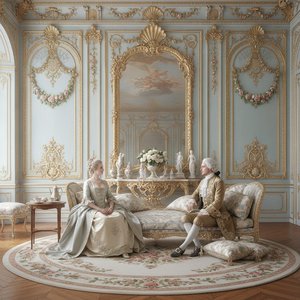
Rococo Art Guide: Elegance, Ornamentation, and the Era of Luxury
Explore the elegance of Rococo art. From Watteau to Fragonard, discover the history, aesthetics, and masters of 18th-century luxury in this expert guide for art lovers and collectors.

The Rococo Aesthetic: Opulence, Rebellion & the Pursuit of Pleasure in 18th-Century Art
Explore the opulent world of Rococo art! Discover its origins, key artists like Watteau & Boucher, and lasting influence on design. Expert insights for collectors & enthusiasts.

The Allure of Elegance in Art: A Historical & Aesthetic Exploration of Refinement & Grace
Explore the exquisite world of Rococo art! Discover its history, masters (Watteau, Boucher & more), and defining elegance. Expert insights for collectors seeking museum-quality reproductions & custom portraits.

The Fête Galante & Beyond: Exploring the Artistic World of Jean-Antoine Watteau
Discover the captivating world of Jean-Antoine Watteau, master of the Fête Galante! Explore his iconic paintings, symbolism, and lasting influence on Rococo art. A deep dive for classic art enthusiasts.

Top 10 Rococo Meesterwerken: Kunstgeschiedenis voor uw Interieur | OriginalUniqueArt.com
Ontdek de 10 meest iconische Rococo meesterwerken! Duik in de wereld van Fragonard, Boucher & Watteau. Leer over lieflijkheid, pastelkleuren en aristocratie. Museumkwaliteit kunst reproducties op OriginalUniqueArt.com.

