

 Bekijk op ware grootte
 Verstuur
 Delen
Delen
 Details bekijken
 Gids voor studentenkunstwerken

 Download
 Vergelijkbare items
 Röntgenonderzoek
 Diavoorstelling
 Statistieken
Landscape


 Lees meer
Giclée / Kunstafdrukken
Giclée- of canvasafdruk van museumkwaliteit met een snelle productie en flexibele afwerkingsmogelijkheden. ( Koop handgeschilderd kunstwerk Schakel over naar digitale afbeeldingen)




P118B €10

P118H €10

P118W €10

P438Z €10

P508JH €12

P508YH €12

P805H €10

P805Z €10

P919BZ €10

P919G €10

P919XJ €10

P959ZH €10

P968JZ €12

W106C €8

W218G €10

W218JH €8

W218Y €10

W307PJ €10

W316G €10

W316PJ €8

W316Y €10

W398PJ €8

W4111J €10

W500HY €15

W500JH €15

W692G €12

W849H €8

W940BG €15

W953PJ €8




Kies uit onze vooraf ingestelde maten die overeenkomen met de originele verhoudingen van het kunstwerk.

Voer de breedte en de hoogte in die u nodig heeft, passend bij uw lijst of uw muur. Een afdruk kan alleen worden ingekort, nooit groter worden gemaakt dan het origineel, waardoor een formaat met een andere verhouding een deel van de afbeelding verliest. Wij sturen u een digitaal mockup ter goedkeuring voordat we iets drukken. De afbeelding op deze pagina toont niet de werkelijke uitsnede — dit is alleen te zien op het mockup.
Wereldwijde levering () binnen 2 weken in plaats van de standaard 4/5 weken. (21 oktober)

Gratis wereldwijde expressverzending

Hoogwaardig linnen canvas

Volledige verzendverzekering

Garantie op terugbetaling van invoerrechten

Garantie op exacte kleurweergave

Retourbeleid van 100 dagen (alleen bij defecten)

100% Geld-terug-garantie

Korting bij meerdere afnames
 De optie voor glas is alleen beschikbaar bij een formaat kleiner dan 110 cm.

Landscape
Giclée / Kunstafdrukken
Formaat reproductie
-


Totaalprijs
€ 71
Nicolas de Largillière’s “Landscape”: A Symphony of Light and Tranquility
The world of 17th-century French portraiture is often associated with opulent formality, yet within this tradition flourished a remarkable vein of serene landscapes – paintings that offered a respite from the constraints of courtly life. Nicolas de Largillière’s “Landscape,” painted around 1680, stands as a prime example of this quieter, more contemplative style, capturing not just a visual scene but also an atmosphere of profound peace and timeless beauty. It's a work that invites the viewer to step into its verdant depths and lose themselves in the gentle rhythms of nature.
Largillière’s approach diverges significantly from the dramatic, theatrical landscapes favored by some contemporaries. Instead, he presents a scene imbued with an understated elegance, prioritizing subtle details and a masterful manipulation of light. The composition is carefully balanced, drawing the eye through a winding path that leads into the heart of a densely wooded area. The foreground, dominated by a modest track, establishes a sense of intimacy, while the middle ground reveals a tapestry of trees – oaks, birches, and pines – rendered with meticulous attention to texture and form. The background fades gently into a hazy distance, suggesting an expansive horizon without overwhelming the viewer.
A Masterclass in Light and Shadow
What truly elevates “Landscape” is Largillière’s extraordinary command of light. He doesn't employ harsh contrasts or dramatic highlights; rather, he utilizes a diffused, almost ethereal illumination that permeates the entire scene. Sunlight filters through the canopy, casting dappled patterns on the forest floor and creating an interplay of light and shadow that breathes life into every leaf and branch. This delicate handling of chiaroscuro – the contrast between light and dark – is not merely decorative; it’s fundamental to the painting's emotional impact, lending a sense of depth, volume, and realism to the landscape.
The artist’s technique is remarkably refined. Largillière employs a loose, expressive brushstroke, particularly in depicting the foliage, which appears almost luminous. He builds up layers of color with subtle gradations, creating a rich tapestry of greens, browns, and yellows that evoke the changing seasons. The trees themselves are not sharply defined but rather suggested through carefully placed dabs of paint, conveying their form and texture without resorting to overly detailed rendering. This approach aligns perfectly with the prevailing Baroque aesthetic, prioritizing atmosphere and feeling over strict realism.
Symbolism and a Moment of Reflection
While Largillière’s landscapes are often characterized by their serene beauty, they also carry subtle symbolic weight. The winding path invites contemplation and suggests a journey – perhaps not just through the physical landscape but also through life itself. The dense forest can be interpreted as representing the complexities of nature, while the open spaces symbolize freedom and possibility. The painting’s overall mood is one of quiet reflection, encouraging the viewer to pause and appreciate the simple pleasures of the natural world.
Considering Largillière's background in portraiture, it’s intriguing to note how he translated his skills of capturing likeness and personality into this genre. The landscape isn’t merely a backdrop; it feels inhabited, imbued with a sense of stillness and tranquility that mirrors the contemplative nature of portraiture. The painting subtly evokes a feeling of escape – a momentary retreat from the pressures of daily life.
A Timeless Appeal
“Landscape” by Nicolas de Largillière is more than just a beautiful depiction of a forest scene; it’s a testament to the artist's skill, sensitivity, and profound understanding of light and atmosphere. Its enduring appeal lies in its ability to transport the viewer to a place of peace and tranquility, reminding us of the restorative power of nature. Reproductions of this remarkable work offer a chance to bring this serene vision into any space, fostering a sense of calm and contemplation – a valuable addition to any collection or interior design.
Vragen & Antwoorden
Welke onderliggende kleur loopt er door "Landscape" door Nicolas de Largillière?
Een Amber to Saffron tint loopt door "Landscape" door Nicolas de Largillière.
Waar past "Landscape" binnen het oeuvre van Nicolas de Largillière?
"Landscape" deelt met andere werken van Nicolas de Largillière de Baroque Portraiture-stijl en de terugkerende thema's: flemish landscape tradition, french courtly portraiture, baroque light and shadow, genre scenes, everyday life, refined elegance, social status.
Hoe verhoudt het onderwerp van "Landscape" zich tot de gebruikelijke thema's van Nicolas de Largillière?
De terugkerende thema's van Nicolas de Largillière omvatten flemish landscape tradition, french courtly portraiture, baroque light and shadow, genre scenes, everyday life, refined elegance, social status; "Landscape" richt zich op landscape, forest, path, trees, sky, tranquility, composition.
Biografie van de kunstenaar
A Parisian Life in Portraiture
Nicolas de Largillière, a name inextricably linked to the elegance and refinement of French Baroque portraiture, was born into a bustling commercial world in Paris in 1656. His father, a hatmaker, moved the family to Antwerp when Nicolas was just three years old, a pivotal relocation that would profoundly shape his artistic trajectory. This early immersion in the vibrant art scene of Antwerp—a center for Flemish painting—laid the groundwork for his future endeavors, exposing him to the rich traditions and techniques that would later inform his own distinctive style. Though initially destined for commerce, Largillière’s innate artistic inclination led him away from the family trade and toward a life dedicated to capturing the likenesses of those around him. A brief sojourn in London followed, where he absorbed the nuances of portraiture under prominent artists before returning to Antwerp and briefly studying with Anton Goubau. It was his four-year apprenticeship under Sir Peter Lely at Windsor, however, that truly solidified his artistic foundation, instilling a meticulous attention to detail and a skillful rendering of textures that would become hallmarks of his work. The political turmoil surrounding the Rye House Plot ultimately prompted Largillière’s return to Paris, a move that would define his career and establish him as one of the leading portraitists of his era.Early Life and Artistic Formation
Largillière was born into a family deeply rooted in Antwerp's mercantile landscape—a city renowned for its textile trade and artistic patronage. His father’s profession provided valuable insight into the economic realities of the time, fostering an understanding of social dynamics that would later permeate Largillière’s artistic vision. At just three years old, his family relocated to Antwerp, a decision driven by practical considerations but also fueled by a desire for exposure to the burgeoning Flemish art world. This formative experience instilled in him a fascination with painting and sculpture—influences that would prove decisive in shaping his artistic style. Recognizing his talent early on, Largillière pursued formal training under Anton Goubau, a respected Antwerp artist known for his landscapes and portraits. Goubau’s guidance honed Largillière's technical skills and introduced him to the stylistic conventions of Flemish Baroque painting—a tradition characterized by dramatic lighting, rich color palettes, and an emphasis on idealized beauty. This initial artistic grounding would prove invaluable as he embarked upon his subsequent studies in London.London Years and Artistic Influences
A brief journey to London during the reign of James II offered Largillière a crucial opportunity to broaden his artistic horizons. He immersed himself in the vibrant art scene of the capital, studying under Sir Peter Lely—a celebrated portraitist who championed classical ideals and employed meticulous techniques. Lely’s influence was particularly significant in shaping Largillière's understanding of composition and perspective—elements that would become integral to his distinctive style. Furthermore, Largillière engaged with the artistic currents circulating within London’s intellectual circles, absorbing inspiration from artists like Rubens and Van Dyck—masters who had established themselves as icons of Baroque portraiture. These encounters fostered a critical appreciation for artistic excellence and encouraged Largillière to strive for unparalleled realism and elegance in his own work. The encounter with these masters solidified his belief that art should aspire to capture not merely physical likeness but also the essence of human character and status—a principle that would guide his artistic endeavors throughout his career.Parisian Career and Artistic Achievements
Upon returning to Paris, Largillière swiftly ascended within the city’s artistic hierarchy, attracting the patronage of influential nobles and merchants alike. His ability to convey both physical resemblance and psychological depth captivated clients eager to commemorate their achievements and solidify their reputations for posterity. Largillière quickly gained recognition as a leading portraitist—a distinction that cemented his position among the most respected artists of his era. He was appointed director of the Académie Royale de peinture et de sculpture in 1736, marking a pivotal moment in his career and symbolizing acknowledgment from the artistic establishment. This role afforded him considerable influence over artistic training and scholarship—further bolstering his legacy as a champion of Baroque ideals. Among his most celebrated works are *The Royal Family Portrait* (1709)—a monumental depiction of Louis XIV and his family—and *Portrait of Jacques-Antoine Arlaud*, which exemplifies Largillière’s masterful command of technique and composition. These paintings stand as enduring symbols of French grandeur and artistic achievement, demonstrating Largillière's unwavering commitment to capturing the splendor of aristocratic life.Legacy and Enduring Influence
Nicolas de Largillière left behind a substantial body of work that continues to inspire artists and captivate audiences today. His portraits are not merely aesthetically pleasing; they serve as invaluable historical documents—providing insights into the social customs, fashions, and intellectual debates of 18th-century France. Largillière’s influence extends beyond his immediate pupils—who carried on his artistic legacy and contributed to the flourishing Rococo movement—and he remains a testament to the transformative power of art. His meticulous attention to detail—particularly in capturing textures and expressions—established him as one of the foremost practitioners of Baroque painting, securing his place among the most revered artists of his time. Today’s scholars recognize Largillière's contribution to the artistic canon—a legacy that transcends temporal boundaries and continues to resonate with viewers worldwide. His paintings are housed in prominent museums across Europe—including the Louvre and the National Gallery of Art—ensuring that his artistry remains accessible to future generations. Largillière’s enduring impact on portraiture is undeniable, cementing his place as a cornerstone of Baroque art history
Nicolas de Largillière
1656 - 1746 , Frankrijk
Snelle feiten
- Artistic Movement Or Style: Barok, Rococo
- Artists Or Movements Influenced By This Artist: ['Jean-Baptiste Oudry']
- Artists Who Influenced This Artist:
- Peter Lely
- Anton Goubau
- Date Of Birth: 1656
- Date Of Death: 1746
- Full Name: Nicolas de Largillière
- Nationality: Frans
- Notable Artworks:
- Zelfportret (1707)
- Royal Family Portrait
- Montausier portrait
- Place Of Birth: Parijs, Frankrijk
Gerelateerde artikelen
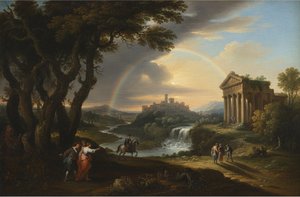
Shadow, Light, and Spectacle: The Dramatic Evolution of Baroque Landscape Painting
Explore the breathtaking drama of Baroque landscapes. Our expert guide delves into the interplay of light and shadow in 17th-century masterpieces. Discover art history and find museum-quality, hand-painted oil reproductions to bring classical grandeur to your home.

Drama in Nature: The Captivating Grandeur of Baroque Landscapes and the Art of Emotional Spectacle
Explore the breathtaking drama of Baroque landscapes. From Rubens's grand vistas to the mastery of chiaroscuro, discover how 17th-century artists transformed nature into a theatrical stage of emotion and light. A deep dive for true art enthusiasts.

Nature’s Sanctuary: Curating Enchanting Forest Artworks to Transform Your Home into a Serene Woodland Retreat
Transform your home into a serene woodland retreat with enchanting forest artworks. Discover museum-quality oil reproductions and custom landscape commissions designed to bring the peaceful beauty of nature indoors.

John Constable's Top 25 Meesterwerken: Landschappen die de Ziel Raaken | OriginalUniqueArt
Ontdek de 25 mooiste schilderijen van John Constable, meester van de Engelse Romantiek. Van idyllische landschappen tot iconische Hay Wain – bewonder zijn techniek en emotie. Museumkwaliteit reproducties & decoratie op OriginalUniqueArt.com.
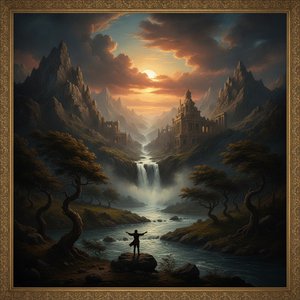
Epic Drama & Dark Vibes: The Ultimate Collector's Guide to Baroque Landscapes
Master the art of drama with our ultimate guide to Baroque landscapes. Discover the power of chiaroscuro, explore legendary masters, and learn how to curate epic, dark-vibe masterpieces for your collection with expert insights from OriginalUniqueArt.