

 Bekijk op ware grootte
 Verstuur
 Delen
Delen
 Details bekijken
 Gids voor studentenkunstwerken

 Download
 Vergelijkbare items
 Röntgenonderzoek
 Diavoorstelling
 Statistieken
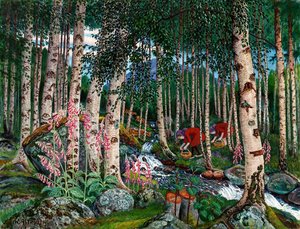
Gethsemane
 Oil On Board
- Neo-Romanticism
 1926
1926- Modern
 42.0 x 32.0 cm
 Bergen Kunstmuseum
 Lees meer
Giclée / Kunstafdrukken
Giclée- of canvasafdruk van museumkwaliteit met een snelle productie en flexibele afwerkingsmogelijkheden. ( Koop handgeschilderd kunstwerk Schakel over naar digitale afbeeldingen)




P118B €10

P118H €10

P118W €10

P438Z €10

P508JH €12

P508YH €12

P805H €10

P805Z €10

P919BZ €10

P919G €10

P919XJ €10

P959ZH €10

P968JZ €12

W106C €8

W218G €10

W218JH €8

W218Y €10

W307PJ €10

W316G €10

W316PJ €8

W316Y €10

W398PJ €8

W4111J €10

W500HY €15

W500JH €15

W692G €12

W849H €8

W940BG €15

W953PJ €8




Kies uit onze vooraf ingestelde maten die overeenkomen met de originele verhoudingen van het kunstwerk.

Voer de breedte en de hoogte in die u nodig heeft, passend bij uw lijst of uw muur. Een afdruk kan alleen worden ingekort, nooit groter worden gemaakt dan het origineel, waardoor een formaat met een andere verhouding een deel van de afbeelding verliest. Wij sturen u een digitaal mockup ter goedkeuring voordat we iets drukken. De afbeelding op deze pagina toont niet de werkelijke uitsnede — dit is alleen te zien op het mockup.
Wereldwijde levering () binnen 2 weken in plaats van de standaard 4/5 weken. (21 oktober)

Gratis wereldwijde expressverzending

Hoogwaardig linnen canvas

Volledige verzendverzekering

Garantie op terugbetaling van invoerrechten

Garantie op exacte kleurweergave

Retourbeleid van 100 dagen (alleen bij defecten)

100% Geld-terug-garantie

Korting bij meerdere afnames
 De optie voor glas is alleen beschikbaar bij een formaat kleiner dan 110 cm.

Gethsemane
Giclée / Kunstafdrukken
Formaat reproductie
-


Totaalprijs
€ 71
A Visionary Encounter in the Norwegian Garden
In the quiet, evocative depths of Nikolai Astrup’s 1926 masterpiece, Gethsemane, the boundaries between biblical history and the intimate landscapes of Norway begin to dissolve. While the title refers to the sacred garden in Jerusalem where Christ faced his darkest hour, Astrup performs a profound act of artistic localization. He transports this monumental moment of spiritual agony into the familiar, lush surroundings of the parsonage garden in Ålhus. This is not merely a religious illustration; it is a dreamlike fusion of the divine and the terrestrial. The viewer is invited into a space where the heavy atmosphere of the crucifixion narrative meets the verdant, mystical textures of the West Norwegian landscape, creating a scene that feels both ancient and deeply personal.
The composition breathes with a sense of quiet drama, capturing a moment of profound transition. As the eye wanders through the painting, one encounters a scene that oscillates between a somber historical event and a visionary hallucination. The presence of figures—some appearing caught in the weight of the narrative, others seemingly lost in a trance-like state—suggests a world where the veil between reality and the supernatural is perilously thin. This sense of mystery is heightened by the scattered birds that drift through the sky and perch upon the landscape, acting as silent witnesses to the unfolding drama. For the collector or designer, this piece offers more than just a subject; it offers an atmosphere of contemplative depth that can anchor a room with its soulful, introspective energy.
Technique and the Language of Light
Astrup’s technical mastery is evident in his use of oil on cardboard, a medium that allows for a rich, concentrated application of pigment. His style, rooted in Neo-Romanticism, eschews clinical realism in favor of an intense, emotive color palette. The textures are tactile and layered, reflecting the artist's lifelong obsession with the "visual language" of his homeland. He employs light not just to illuminate form, but to evoke mood; the shadows are deep and heavy, yet they are pierced by a spectral luminosity that suggests the presence of a divine vision. This interplay of light and shadow creates a rhythmic movement across the canvas, guiding the viewer through the dense foliage and toward the heart of the spiritual struggle.
The brushwork possesses a certain raw, organic vitality that mirrors the ruggedness of the Norwegian fjords. There is no sterile perfection here; instead, there is a deliberate, expressive quality that celebrates the natural world's untamed spirit. For those seeking to incorporate fine art into a sophisticated interior, a high-quality reproduction of Gethsemane provides a centerpiece of immense character. The painting’s ability to command attention through its complex textures and brooding tones makes it an ideal choice for spaces designed for reflection, such as libraries, study alcoves, or quiet sitting rooms where the interplay of history and nature can be fully appreciated.
A Legacy of Spiritual and National Identity
To understand Gethsemane is to understand Nikolai Astrup’s broader mission: to capture the very soul of Norway. By situating a universal Christian narrative within his own local topography, he elevates the Norwegian landscape to a stage for the eternal. This technique of "sacralizing" the everyday—turning a simple garden patch into a site of cosmic significance—is what makes his work so enduringly powerful. The painting serves as a bridge between the theological and the topographical, making the profound accessible through the familiar.
For the discerning art lover, owning a reproduction of this work is an opportunity to possess a fragment of this visionary legacy. It is a piece that invites continuous re-examination, revealing new layers of symbolism and emotion with every viewing. Whether one is drawn to its historical weight, its masterful use of color, or its ability to evoke the misty, magical atmosphere of a Norwegian night, Gethsemane remains a breathtaking testament to the power of art to transform the world we see into a world we feel.
Vragen & Antwoorden
Behoort "Gethsemane" van Nikolai Astrup tot het publiek domein, en zo ja, waarom?
De auteursrechtstatus van "Gethsemane" - bevindt zich in het publiek domein - de auteursrechten zijn verlopen - vloeit voort uit het overlijden van de kunstenaar in 1928.
Welke onderwerpen komen voor in "Gethsemane" door Nikolai Astrup?
"Gethsemane" door Nikolai Astrup toont: biblical scene, religious, jesus christ, gethsemane, norway landscape, night scene, visionary.
Hoe is "Gethsemane" historisch gezien gepositioneerd?
Historisch gezien is "Gethsemane" een Neo-Romanticism werk uit de bredere Modern tijdperk.
Biografie van de kunstenaar
Nikolai Astrup: Een Visionair van Vestlandet
Nikolai Astrup (1880 – 1928) staat als een uniek figuur in de Noorse kunstgeschiedenis—een schilder wiens diepgewortelde verbondenheid met het landschap en de tradities van Vestlandet zijn plaats verankerde onder de meest onderscheidende neo-romantische kunstenaars van zijn tijd. Geboren in Bremanger, Sogn og Fjordane, vormde Astrups opvoeding te midden van de ruige fjorden en serene valleien zijn artistieke gevoeligheid diepgaand. Dit dreef hem naar een stijl die werd gekenmerkt door intense kleurpaletten en een onwankelbare toewijding aan het afbeelden van het dagelijks leven op het Noorse platteland. Zijn nalatenschap schuilt niet alleen in esthetisch aangename doeken, maar ook in zijn pionierswerk om een ‘nationale "visuele taal" te vangen die de tradities en folklore van zijn vaderland deed herleven.’- Vroege jaren & Opleiding: De vormende jaren van Astrup werden gekenmerende door een familiale vroomheid, ingegeven door zijn vader, Christian Astrup, een dorpspastoor die hem aanmoedigde richting theologische studies. Ondanks zijn aanvankelijke neiging naar de geestelijkheid, leidde Astrups passie voor tekenen en schilderen hem uiteindelijk om de Trondheim Cathedral School te verlaten ten gunste van artistieke ambities in Kristiania (Oslo), waar hij zijn vaardigheden verfijnde onder het mentorschap van Harriet Backer.
- <Parijse Invloeden: Een kort verblijf in Parijs stelde Astrup bloot aan de opkomende avant-garde beweging, wat leidde tot connecties met medekunstenaars zoals Christian Krohg en zijn begrip van impressionistische technieken verrijkte. Deze periode verstevigde zijn toewijding aan experiment en verbreedde zijn artistische horizon.
- <Terugkeer naar Jølster & Artistieke Ontwikkeling: Bij zijn terugkeer naar zijn ouderlijk huis in Jølster in 1902, stichtte Astrup een gezin rond zijn vrouw, Engel Sunde, met wie hij acht kinderen kreeg. De economische ontberingen van hun leven voedden zijn artistieke drang en spoorden hem aan om zich volledig onder te dompelen in de weergave van zijn omgeving—een landschap dat diende als een blijvende bron van inspiratie.
- <Opmerkelijke Tentoonstellingen:} Astrups artistieke reputatie groeide gestaag door drie belangrijke tentoonstellingen in Kristiania (1905), Bergen (1908) en Oslo (1911). Deze exposities werden met kritisch lof ontvangen en vestigden hem als een leidende stem binnen de Noorse kunstwereld.
- <Grote Prestaties & Nalatenschap:} Astrups blijvende bijdrage aan de Noorse kunst ligt in zijn onvermoeibare streven naar artistieke authenticiteit—een toewijding om de schoonheid en de geest van Vestlandet met compromisloze eerlijkheid weer te geven. Zijn schilderijen blijven tot op de dag van vandaag resoneren als krachtige emblemen van nationaal erfgoed en belichamen de idealen van het neo-romantisme.
Nikolai Astrup
1880 - 1928 , Noorwegen
Snelle feiten
- Artistic Movement Or Style: Neo-romantiek
- Artists Or Movements Influenced By This Artist: ['Scandinavische kunst']
- Artists Who Influenced This Artist: ['Christian Krohg']
- Date Of Birth: 1880
- Date Of Death: 1928
- Full Name: Nikolai Johannes Astrup
- Nationality: Noors
- Notable Artworks:
- De vurige aanbidder
- Naakte bomen
- Spinnend meisje
- Place Of Birth: Bremanger, Noorwegen
Gerelateerde artikelen

Johan Christian Dahl: Pioneering Norwegian Romantic Landscape Painting
Explore the life & art of Johan Christian Dahl, Norway's first great Romantic painter. Discover his iconic landscapes, cultural impact, and lasting legacy with OriginalUniqueArt.

Romantische Landschappen: Top 10 Meesterwerken voor een Sfeervol Interieur | OriginalUniqueArt.nl
Ontdek de 10 meest iconische meesterwerken van de Romantiek! Reis door de tijd met Caspar David Friedrich, Turner & Delacroix. Laat je inspireren en vind museumkwaliteit kunst reproducties voor een sfeervol interieur op OriginalUniqueArt.com.

John Constable's Top 25 Meesterwerken: Landschappen die de Ziel Raaken | OriginalUniqueArt
Ontdek de 25 mooiste schilderijen van John Constable, meester van de Engelse Romantiek. Van idyllische landschappen tot iconische Hay Wain – bewonder zijn techniek en emotie. Museumkwaliteit reproducties & decoratie op OriginalUniqueArt.com.

Evocations of Place: A Historical Journey Through Landscape Art
Explore the rich history of landscape art with OriginalUniqueArt. Discover renowned artists, movements like Impressionism & Romanticism, and expert guidance for collecting timeless pieces. Find your perfect serene escape today!

The Sublime and the Picturesque: Exploring Emotion & Nature in Romantic Landscape Painting
Explore the emotional power of Romantic landscape painting! Discover the sublime & picturesque traditions, key artists like Friedrich & Cole, and find your perfect artwork at OriginalUniqueArt.