
 Bekijk op ware grootte
 Verstuur
 Delen
Delen
 Details bekijken
 Gids voor studentenkunstwerken

 Download
 Vergelijkbare items
 Röntgenonderzoek
 Diavoorstelling
 Statistieken
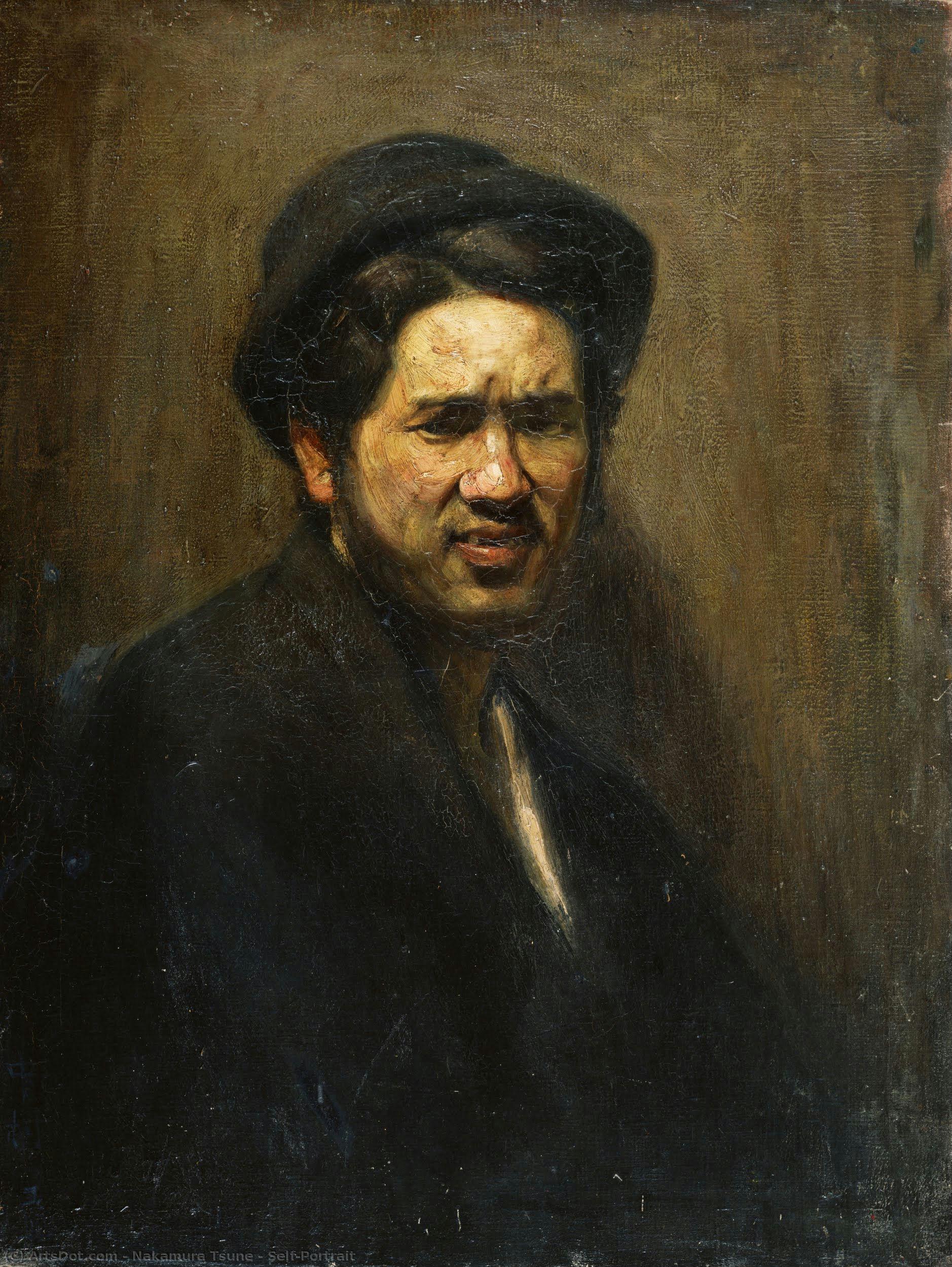
Self-Portrait
 Acrylic On Canvas
- WallArt
 1909
1909 610.0 x 806.0 cm
 Artizon Museum
 Lees meer
Handgemaakte olieverfreproductie
Met de hand geschilderd in olieverf op canvas in uw gewenste maat en lijst, op bestelling gemaakt door onze kunstenaars. ( Schakel over naar print Schakel over naar digitale afbeeldingen)




P118B €10

P118H €10

P118W €10

P438Z €10

P508JH €12

P508YH €12

P805H €10

P805Z €10

P919BZ €10

P919G €10

P919XJ €10

P959ZH €10

P968JZ €12

W106C €8

W218G €10

W218JH €8

W218Y €10

W307PJ €10

W316G €10

W316PJ €8

W316Y €10

W398PJ €8

W4111J €10

W500HY €15

W500JH €15

W692G €12

W849H €8

W940BG €15

W953PJ €8




Kies uit onze vooraf ingestelde maten die overeenkomen met de originele verhoudingen van het kunstwerk.

Voer de breedte en de hoogte in die u nodig heeft, passend bij uw lijst of uw muur. Dit is handgeschilderd, dus bij een afmeting met een andere vormverhouding kan de kunstenaar iets meer rondom het schilderij schilderen of juist iets meer weglaten — u kiest zelf. Wij sturen u een digitaal mockup ter goedkeuring voordat het schilderwerk begint. De afbeelding die op deze pagina wordt getoond, is niet het uiteindelijke resultaat — alleen de mockup geeft dit weer.
Na de bestelling zal het team van OriginalUniqueArt.com per e-mail contact opnemen met de klant voor instructies en een mockup-voorbeeld sturen.
Wereldwijde levering () binnen 3 tot 4 weken in plaats van de standaard 5 weken. (23 oktober). Zonder concessies aan de kwaliteit.

Gratis wereldwijde expressverzending

Hoogwaardig linnen canvas

Volledige verzendverzekering

Garantie op terugbetaling van invoerrechten

Garantie op exacte kleurweergave

Retourbeleid van 100 dagen (alleen bij defecten)

100% Geld-terug-garantie

Korting bij meerdere afnames
 De optie voor glas is alleen beschikbaar bij een formaat kleiner dan 110 cm.

Self-Portrait
Reproductiemethode
Formaat reproductie
-


Totaalprijs
€ 263
A Window into Soul: Examining Nakamura Tsune’s “Self-Portrait”
Nakamura Tsune’s “Self-Portrait,” completed in 1909, stands as a poignant testament to the burgeoning Kanō School aesthetic and a deeply personal exploration of artistic identity. Measuring an impressive 610 x 806 cm on canvas, this monumental work immediately draws the eye with its masterful use of chiaroscuro – dramatic contrasts between light and shadow – reminiscent of Rembrandt’s iconic portraits.
The photograph captures a meticulously rendered depiction of Tsune himself. He is positioned centrally within the frame, bathed in an intense beam of illumination originating from the upper left corner. This deliberate compositional choice isn't merely stylistic; it serves to amplify the figure’s presence and directs the viewer’s gaze directly onto his face, fostering a palpable connection between artist and observer – a hallmark of humanist portraiture prevalent during the early 20th century.
The Kanō School Influence & Artistic Technique
Tsune's style is undeniably rooted in the Kanō School tradition, known for its emphasis on idealized beauty and spiritual contemplation. The artist employs meticulous brushwork—characteristic of Kanō painters—to achieve remarkable textural detail, particularly evident in the folds of his shirt and the subtle nuances of skin tone. Careful layering of pigments creates depth and luminosity, mirroring the influence of Rembrandt’s masterful use of light to convey emotion.
- Brushwork: Precise, layered strokes emulate Kanō School techniques for capturing form and texture.
- Color Palette: Primarily muted tones—browns, ochres, and blacks—reflect the solemn mood and contribute to the overall sense of introspection.
- Composition: Central placement emphasizes the subject’s gaze and reinforces the portrait's communicative power.
Historical Context & Symbolic Resonance
Created during a period of significant artistic experimentation in Japan, “Self-Portrait” reflects the broader cultural anxieties surrounding tuberculosis – Tsune himself suffered from this illness during his formative years. The image transcends mere representation; it embodies a profound engagement with themes of vulnerability and resilience—qualities that resonate powerfully across time.
The stark illumination serves as a visual metaphor for confronting inner darkness, mirroring the artist’s own struggle for self-understanding. Furthermore, Tsune's gaze – unwavering and direct – speaks to an enduring artistic impulse: to capture not just likeness but also spirit—a desire that continues to inspire artists today.
Emotional Impact & Artistic Legacy
"Self-Portrait" transcends its formal qualities to evoke a feeling of quiet contemplation. It invites viewers to consider questions of identity, mortality, and the pursuit of artistic excellence. Like Rembrandt’s portraits before it, Tsune's work remains an enduring symbol of human dignity and artistic introspection—a masterpiece that continues to captivate audiences worldwide.
Vragen & Antwoorden
In welk museum is het originele werk "Self-Portrait" te zien?
Het originele werk "Self-Portrait" is te bewonderen in Artizon Museum, Tokio, Japan.
Welke sfeer straalt "Self-Portrait" uit?
"Self-Portrait" heeft een Elegant atmosfeer.
Welke sfeer zou "Self-Portrait" aan een ruimte toevoegen?
De Elegant sfeer van "Self-Portrait" door Nakamura Tsune past perfect bij de aanbevolen ruimte: een Living Room.
Biografie van de kunstenaar
Nakamura Tsune: Life and Legacy
Early Life and Struggles
Nakamura Tsune, a Japanese artist, was born in 1887 in what is now Mito City, Japan. His life began amidst hardship; his father passed away when he was just one year old, followed by the loss of his mother when he was eleven. Despite this tumultuous start, he persevered and pursued his artistic aspirations.
Artistic Aspirations and Training
After graduating from the Nagoya Army Cadet School in 1904, Tsune’s plans for a military career were thwarted by tuberculosis. During his convalescence, he discovered a passion for painting. In 1906, he joined the research institute of the White Horse Society, where he honed his artistic skills and began to develop his unique style.
Notable Works and Exhibitions
Nakamura Tsune’s talent quickly gained recognition. Some of his most celebrated works include:
- Cloudy Morning and Cliffs – Featured in the third Bunten exhibition in 1909, with Cliffs receiving a commendation. This work is now part of the Museum of the Imperial Collections.
- Girl – Awarded a prize at the eighth Bunten exhibition in 1914.
- Other significant works include Dr. Tanakadate and Nude, showcased at the eleventh Bunten exhibition in 1916.
Personal Life and Relationships
In 1913, Sōma Toshiko, daughter of Aizō and Kokkō, became his model. His proposal to her in 1915 faced opposition from her parents, adding another layer of complexity to his personal life. Despite these challenges, he continued to dedicate himself to his art.
Artistic Style and Influences
Nakamura Tsune’s work demonstrates influences from the Kanō School, a traditional Japanese painting style known for its detailed brushwork and classical themes. However, he also incorporated elements of Western artistic techniques, resulting in a unique blend of tradition and modernity. His paintings often feature evocative landscapes and intimate portraits.
Legacy and Passing
Nakamura Tsune’s life was marked by both adversity and artistic achievement. He passed away in 1924 at the age of 37 in his studio in Shimo-ochiai, Shinjuku. His remains were interred at Gion-ji (祇園寺) in Mito the following year. Though his career was cut short, his artistic legacy continues to inspire and captivate art enthusiasts today.
Historical Significance
Tsune’s work provides a glimpse into early 20th-century Japan, reflecting the social changes and artistic experimentation of the era. His ability to blend traditional Japanese aesthetics with Western influences makes him a significant figure in the history of Japanese art.

Nakamura Tsune
1887 - 1924 , Japan
Snelle feiten
- Name: Nakamura Tsune
- Movement: Kanō School
- Birth Date: 1887
- Death Date: 1924
- Birth Place: Mito, Japan
- Nationality: Japanese
- Date Of Birth: 1887
- Date Of Death: 1924
- Notable Works:
- Cloudy Morning and Cliffs
- Girl
- Dr. Tanakadate
- Nude
- Place Of Birth: Mito, Japan
Gerelateerde artikelen

Evocations of Place: A Historical Journey Through Landscape Art
Explore the rich history of landscape art with OriginalUniqueArt. Discover renowned artists, movements like Impressionism & Romanticism, and expert guidance for collecting timeless pieces. Find your perfect serene escape today!

Romantische Landschappen: Top 10 Meesterwerken voor een Sfeervol Interieur | OriginalUniqueArt.nl
Ontdek de 10 meest iconische meesterwerken van de Romantiek! Reis door de tijd met Caspar David Friedrich, Turner & Delacroix. Laat je inspireren en vind museumkwaliteit kunst reproducties voor een sfeervol interieur op OriginalUniqueArt.com.

Evoking Nature's Sublime: A Comprehensive Exploration of 19th-Century Landscape Painting
Explore the captivating world of 19th-century landscape painting! Discover renowned artists like Friedrich & Monet, key movements, and find the perfect artwork to bring nature's serenity into your home. Expert insights at OriginalUniqueArt.

Katsushika Hokusai's 25 Meesterwerken: Japanse Kunst voor uw Interieur | OriginalUniqueArt
Ontdek de 25 meesterwerken van Katsushika Hokusai, de Japanse Ukiyo-e kunstenaar! Reis door zijn iconische prints zoals 'The Great Wave' en Mount Fuji. Vind museumkwaliteit reproducties & inspiratie voor uw interieur op OriginalUniqueArt.com.
Zen on Canvas: The Timeless Artistry and Spiritual Depth of Japanese Landscape Painting
Explore the profound beauty of Japanese landscape painting. From Hokusai's iconic vistas to Zen-inspired compositions, discover the spiritual depth and historical mastery of Ukiyo-e art in this expert cultural retrospective.