
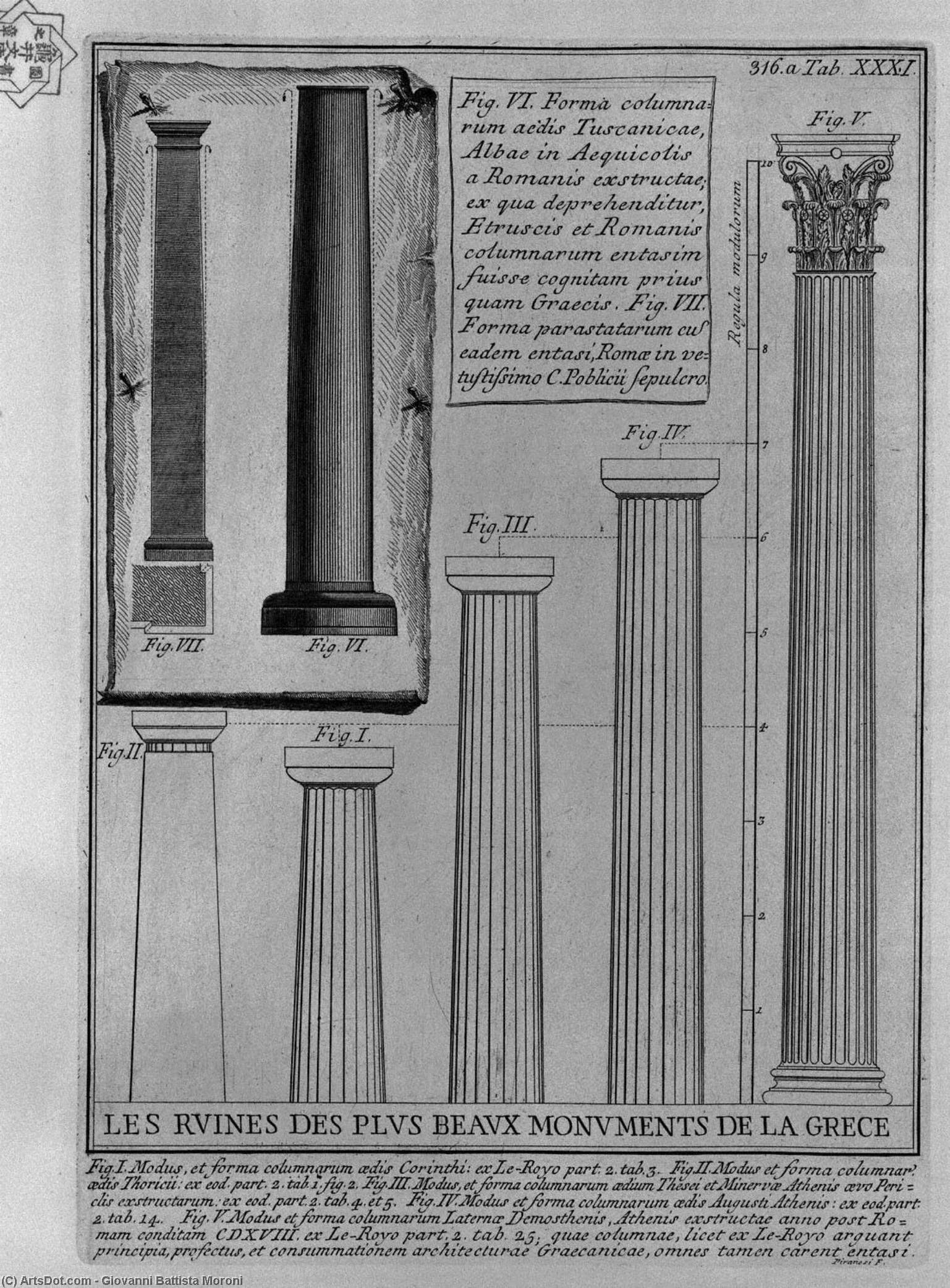
 Voorvertoning
 Verstuur
 Delen
Delen
 Details bekijken
 Gids
Gids

 Download
 Vergelijkbare items
 Röntgenonderzoek
 Diavoorstelling
 Statistieken
The Tailor
 Acrylic On Canvas
- WallArt
- Renaissance
 1570
1570 97.0 x 74.0 cm
 National Gallery
 Lees meer
Handgemaakte olieverfreproductie
Met de hand geschilderd in olieverf op canvas in uw gewenste maat en lijst, op bestelling gemaakt door onze kunstenaars. ( Schakel over naar print Schakel over naar digitale afbeeldingen)




P118B €10

P118H €10

P118W €10

P438Z €10

P508JH €12

P508YH €12

P805H €10

P805Z €10

P919BZ €10

P919G €10

P919XJ €10

P959ZH €10

P968JZ €12

W106C €8

W218G €10

W218JH €8

W218Y €10

W307PJ €10

W316G €10

W316PJ €8

W316Y €10

W398PJ €8

W4111J €10

W500HY €15

W500JH €15

W692G €12

W849H €8

W940BG €15

W953PJ €8




Kies uit onze vooraf ingestelde maten die overeenkomen met de originele verhoudingen van het kunstwerk.

Voer de breedte en hoogte in die u nodig heeft, passend bij uw lijst of uw muur. Omdat dit handgeschilderd is, kan de kunstenaar bij een afmeting met een andere beeldverhouding iets meer rondom het schilderij schilderen of juist iets meer weglaten — u kiest zelf. Wij sturen u een digitaal mockup ter goedkeuring voordat het schilderwerk begint. De afbeelding die op deze pagina wordt getoond, is niet het uiteindelijke resultaat — alleen de mockup geeft dit weer.
Na de bestelling zal het team van OriginalUniqueArt.com per e-mail contact opnemen met de klant voor instructies en een mockup-voorbeeld sturen.
Wereldwijde levering () binnen 3 tot 4 weken in plaats van de standaard 5 weken. (26 oktober). Zonder concessies aan de kwaliteit.

Gratis wereldwijde expressverzending

Hoogwaardig linnen canvas

Volledige verzendverzekering

Garantie op terugbetaling van invoerrechten

Garantie op exacte kleurweergave

Retourbeleid van 100 dagen (alleen bij defecten)

100% Geld-terug-garantie

Korting bij meerdere afnames
 De optie voor glas is alleen beschikbaar bij een formaat kleiner dan 110 cm.

The Tailor
Druktechniek
Afmetingen reproductie
-


Eindtotaal
€ 263
The Tailor: A Renaissance Portrait of Skill and Dignity
Giovanni Battista Moroni’s “The Tailor” stands apart from many portraits of the Cinquecento—the Italian Renaissance era—primarily due to its unconventional subject matter. Rather than depicting a noble lord or wealthy merchant adorned in opulent fabrics, Moroni chose to portray a craftsman engaged in his trade: a tailor meticulously marking fabric with chalk and holding shears. This decision wasn’t merely stylistic; it reflected Moroni's astute observation of social hierarchies and his fascination with the dignity inherent in honest labor—a concept that resonated deeply within humanist thought of the time. The painting itself is remarkable for its technical prowess and psychological realism, qualities rarely found in portraits commissioned during this period. Moroni eschewed idealized representations favored by artists like Titian and Veronese, opting instead for a depiction that captures a fleeting moment of concentration—a man pausing from his work to gaze directly at the viewer. This intimate engagement creates an immediate connection between subject and observer, conveying a sense of immediacy and spontaneity that distinguishes “The Tailor” from its contemporaries. Moroni’s masterful handling of color contributes significantly to the painting's expressive impact. He employs a restrained palette—primarily muted yellows, greens, and browns—but utilizes subtle tonal variations to create depth and luminosity. Notably, Moroni achieved remarkable effects by applying paint directly onto wet canvas, layering thin glazes over thicker undercoats to build up texture and imbue the image with vibrancy. This technique is particularly evident in the depiction of the tailor’s beard and hair, where Moroni skillfully blended pigments to achieve a luminous sheen that captures the subtle nuances of light and shadow. Beyond its artistic merits, “The Tailor” holds considerable symbolic significance within the context of Renaissance art history. As mentioned earlier, Moroni's choice to portray a craftsman challenged prevailing conventions regarding portraiture—traditionally reserved for members of the aristocracy—demonstrating an openness to representing individuals from diverse social strata. Furthermore, the inclusion of tools like shears and chalk serves as a visual reminder of the importance of practical skills and honest labor—values championed by humanist thinkers who sought to elevate the status of artisans and craftsmen alongside intellectuals and nobles. The painting’s enduring appeal lies in its ability to evoke emotions of quiet contemplation and admiration for human achievement. “The Tailor” invites viewers to consider the dignity inherent in pursuing one's craft with diligence and precision—a sentiment that transcends temporal boundaries and continues to resonate powerfully today. Its understated elegance, combined with Moroni’s exceptional technical skill, ensures its place as a cornerstone of Renaissance portraiture and a testament to the artist’s profound understanding of human psychology and social dynamics.Veelgestelde vragen
Hoe kan ik kunstwerken ontdekken die lijken op "The Tailor" door Giovanni Battista Moroni?
Op de pagina Vergelijkbare werken van "The Tailor" door Giovanni Battista Moroni vindt u gerelateerde kunstwerken.
Wat zijn de afmetingen en het formaat van "The Tailor"?
"The Tailor" door Giovanni Battista Moroni is een Portrait compositie met de originele afmetingen van 97 x 74 cm.
Is "The Tailor" door Giovanni Battista Moroni eerder licht of donker van kleur?
De waargenomen helderheid van "The Tailor" door Giovanni Battista Moroni is brilliant. Deze kan worden afgestemd op de lichtinval in de beoogde ruimte.
Biografie kunstenaar
Giovanni Battista Moroni: Leven en Nalatenschap
Vroege jaren en opleiding
Giovanni Battista Moroni (ook bekend als Giambattista Moroni) werd in 1520 geboren in Albino, nabij Bergamo, Italië. Zijn vader, Andrea Moroni, was een architect, wat een vormende omgeving bood voor zijn artistieke ontwikkeling. Zijn eerste training ontving hij onder Alessandro Bonvicino (bekend als Moretto) in Brescia. Dit vroege meesterschap legde de fundering voor zijn technische vaardigheden en zijn diepgaande begrip van de schildertechnieken uit de Renaissance.
Artistieke ontwikkeling en invloeden
De artistieke reis van Moroni leidde hem langs diverse Italiaanse steden, waaronder Trento en Bergamo. Een cruciaat moment vond plaats tijdens zijn verblijf in Trento, waar hij kennismaakte met Titiaan en de graaf-bisschop Cristoforo Madruzzo. De invloed van Titiaan is duidelijk zichtbaar in Moroni’s gebruik van kleur en zijn verfijnde omgang met licht. Hoewel hij aanvankelijk werd beïnvloed door eerdere Renaissance-stijlen, ontwikkelde Moroni geleidelijk een eigenzinnige maniëristische benadering, gekenmerkt door elegantie en realisme.
Kernkenmerken van zijn werk
- Portretkunst: Moroni wordt primair gevierd om zijn portretten van de lokale adel en geestelijkheid. Deze werken zijn niet louter gelijkenissen, maar diepgravende karakterstudies die de waardigheid en psychologische diepte van zijn modellen vastleggen.
- Realisme & Naturalisme: Hij maakte gebruik van naturalistische technieken en een scherp oog voor detail, waardoor hij een gevoel van onmiddellijkheid en aanwezigheid in zijn portretten creëerde.
- Zilverachtige tonaliteit: De schilderijen van Moroni onderscheiden zich vaak door hun prachtige zilverachtige tonaliteit, bereikt door subtiele gradaties van licht en schaduw.
- Religieuze werken: Hoewel minder talrijk dan zijn portretten, produceerde Moroni ook religieuze doeken. Deze werken vertonen een meer archaïsche stijl, die doet denken aan composities uit de late Quattrocento.
Beroemde werken
Onder de meest gewilde schilderijen van Moroni behoren:
- De Kleermaker: Momenteel ondergebracht in de National Gallery in Londen; dit schilderij is een schoolvoorbeeld van zijn realistische weergave van het dagelijks leven en karakter.
- Gian Lodovico Madruzzo: Een indrukwekkend portret dat Moroni’s vermogen toont om zowel macht als introspectie vast te leggen.
- Talrijke portretten van leden van de Bergamo-adel, die een waardevol visueel verslag vormen van de 16e-eeuwse samenleving.
Historisch belang en nalatenschap
Het werk van Giovanni Battista Moroni neemt een prominente plaats in binnen de Italiaanse kunstgeschiedenis. Hij overbrugde de kloof tussen de idealen van de Hoogrenaissance en de opkomende maniëristische stijl, waarmee hij portretten creëerde die zowel elegant als psychologisch aangrijpend waren. Zijn invloed reikte tot latere kunstenaars zoals Fra' Galgario en Pietro Longhi, die zijn vermogen bewonderden om de essentie van zijn onderwerpen te vangen. Vandaag de dag worden Moroni’s schilderijen tentoongesteld in prestigieuze musea zoals de Uffizi in Florence en de National Gallery, waar ze kunstliefhebbers en wetenschappers nog steeds inspireren.
Slotgedachten
De nalatenschap van Moroni rust op zijn vermogen om portretkunst te verheffen boven loutere representatie. Hij bezielde zijn werken met een menselijkheid en psychologische diepgang die eeuwen later nog steeds resoneren bij het publiek. Zijn schilderijen bieden een unieke blik in het leven en de persoonlijkheden van het 16e-eeuwse Italië, waarmee hij zijn positie als meester van het Cinquecento definitief heeft verstevigd.

Giovanni Battista Moroni
1520 - 1578 , Italië
Belangrijkste feiten
- Birth Date: 1520
- Birth Place: Albino, Italië
- Death Date: 1578
- Influenced:
- Fra' Galgario
- Pietro Longhi
- Influenced By: Titiaan, Alessandro Bonvicino
- Movement: Maniërisme
- Name: Giovanni Battista Moroni
- Nationality: Italiaans
- Notable Works:
- De Kleermaker
- Gian Lodovico Madruzzo
Gerelateerde artikelen
Timeless Resonance: Exploring Classic Vibe in Art – A Historical & Aesthetic Analysis
Explore the rich history & enduring aesthetic of Classicism art! Discover key movements, iconic artists like Raphael & David, and its lasting influence on Western art. Deepen your appreciation today.

The Art of the Line: A Masterclass in Drawing Techniques and the Evolution of Graphic Expression
Explore the profound history of drawing techniques, from Dürer's precision to the alchemy of graphite. Discover how masters use line, weight, and contour to capture the human spirit in this expert guide to art history and technical mastery.
The Nuances of Graphite: Exploring Emotional Depth & Technical Mastery in Pencil Drawing
Explore the captivating world of graphite drawing! Discover its rich history, master essential techniques like chiaroscuro, and learn how artists evoke emotion through this timeless medium. Expert insights for art enthusiasts.

Top 10 Meesterwerken van het Neoclassicisme: Kunst voor een Verfijnd Interieur
Ontdek de 10 meest iconische meesterwerken van het Neoclassicisme! Van David tot Ingres, leer over kunst, techniek & geschiedenis. Vind museumkwaliteit reproducties en verfijnde decoratie op OriginalUniqueArt.com. Exploreer de collectie online!
The Enduring Legacy of Classicism: Principles, Evolution & Influence in Western Art
Explore the enduring legacy of Classicism in Western art! Discover its historical context, key principles, iconic masterpieces & lasting influence. Learn about Renaissance and Neoclassical movements with OriginalUniqueArt.
