

 Voorvertoning
 Verstuur
 Delen
Delen
 Details bekijken

 Download
 Vergelijkbare items
 Röntgenonderzoek
 Diavoorstelling
Robert Emerson Curtis


 Lees meer
Giclée / Kunstafdrukken
Giclée- of canvasafdruk van museumkwaliteit met een snelle productie en flexibele afwerkingsmogelijkheden. ( Bestel handgeschilderde reproductie Koop afbeelding)




P118B $10

P118H $10

P118W $10

P438Z $10

P508JH $12

P508YH $12

P805H $10

P805Z $10

P919BZ $10

P919G $10

P919XJ $10

P959ZH $10

P968JZ $12

W106C $8

W218G $10

W218JH $8

W218Y $10

W307PJ $10

W316G $10

W316PJ $8

W316Y $10

W398PJ $8

W4111J $10

W500HY $15

W500JH $15

W692G $12

W849H $8

W940BG $15

W953PJ $8




Kies uit onze vooraf ingestelde maten die overeenkomen met de originele verhoudingen van het kunstwerk.

U kunt uw eigen afmetingen opgeven om in een specifieke lijst of ruimte te passen. Als de door u gekozen maat niet overeenkomt met de proporties van het originele kunstwerk, zullen wij de afbeelding bijsnijden of uitbreiden met een gespiegelde of effen rand. Een digitaal mockup wordt ter goedkeuring naar u verzonden voordat de productie begint.
Houd er rekening mee dat de preview op het scherm de werkelijke bijsneding of uitbreiding niet weergeeft. Alleen de mockup toont de uiteindelijke compositie nauwkeurig.
Hoewel aangepaste maten beschikbaar zijn, raden wij aan een afmeting uit de vooraf bepaalde lijst te kiezen om de originele proporties te behouden.
Wereldwijde levering () binnen 2 weken in plaats van de standaard 4/5 weken. (21 augustus)

Gratis wereldwijde expressverzending

Hoogwaardig linnen canvas

Volledige verzendverzekering

Garantie op terugbetaling van invoerrechten

Garantie op exacte kleurweergave

Retourbeleid van 60 dagen (alleen bij defecten)

100% Geld-terug-garantie

Korting bij meerdere afnames
 De optie voor glas is alleen beschikbaar bij een formaat kleiner dan 110 cm.

Robert Emerson Curtis
Giclée / Kunstafdrukken
Afmetingen reproductie
-


Eindtotaal
$ 81
Beschrijving verzamelobject
Robert Emerson Curtis: Documenting Sydney's Bridge Construction
Robert Emerson Curtis (1898–1986), artist, arrived in Sydney from England in his mid-teens. Having studied art by correspondence, he ventured to the USA with his friend, cinematographer Charles Chauvel, embarking on a six-year journey encompassing San Francisco and Chicago where he honed his skills through etching and woodcuts alongside illustrating diverse magazines. A pivotal moment occurred upon his return to Sydney when he encountered the burgeoning construction of the Sydney Harbour Bridge – an ambitious undertaking that immediately captivated his artistic sensibilities. Recognizing the opportunity for visual documentation, Curtis approached engineer John Bradfield requesting access to the bridge site, initiating a prolific collaboration that yielded a remarkable series of lithographs capturing every stage of its progression. These prints, notably published as “Building the Bridge” in 1933 and subsequently expanded upon in “The Bridge” (1981), served not only as artistic records but also as poignant recollections of this transformative period shaping Australian identity.- Subject Matter: Curtis’s focus was squarely on the monumental bridge project, meticulously portraying its construction process – from initial planning and groundwork to the erection of steel girders and the final assembly of cables.
- Style & Technique: His artistic approach leaned heavily into modernist photography, prioritizing clarity and precision while eschewing excessive embellishment. Lithography—a printing technique utilizing stone etching—allowed for nuanced tonal gradations and detailed reproductions, mirroring Curtis’s commitment to capturing the essence of the scene with unwavering accuracy.
- Historical Context: The bridge construction coincided with Australia's involvement in World War II, prompting Curtis to depict munitions manufacture and serving as a camouflage officer in Cairns and New Guinea – experiences that profoundly influenced his artistic vision and imbued his work with a sense of urgency and immediacy.
Max Dupain’s Influence: Embracing Modernist Vision
Curtis shared Max Dupain's fascination with the architectural grandeur of the Opera House project, mirroring Dupain’s stylistic explorations into geometric abstraction and bold color palettes. This convergence of artistic sensibilities underscored a broader trend within Australian art during the postwar era—a desire to engage with contemporary concerns while retaining an appreciation for formal innovation. Dupain’s pioneering use of photographic techniques – particularly his masterful compositions and subtle manipulation of light – undoubtedly served as inspiration for Curtis's own endeavors.- Dupain’s Legacy: Dupain’s influence extended beyond stylistic considerations, fostering a belief in photography’s capacity to convey complex ideas and emotions—a conviction that resonated deeply with Curtis’s artistic ethos.
- Opera House Project: The Opera House represented a symbol of Australia's cultural aspirations and technological prowess – mirroring the spirit of experimentation evident in Dupain’s oeuvre.
A Vision Takes Form: Symbolism & Emotional Resonance
Curtis’s lithographs transcended mere technical documentation; they functioned as visual narratives conveying a profound appreciation for the transformative power of architectural endeavor. The meticulous portrayal of the bridge—its scale, its materials, its evolving form—served as a metaphor for Australia's ambition to forge ahead into the future while honoring its heritage. Furthermore, Curtis’s artistic sensitivity captured the palpable excitement and optimism surrounding this ambitious project – reflecting a collective yearning for progress and beauty.- Emotional Impact: The photographs evoke a sense of wonder and contemplation—encouraging viewers to consider not only the physical structure but also its significance as an emblem of national identity.
- Formal Considerations: Curtis’s masterful use of lithographic technique—particularly his ability to achieve subtle tonal variations and precise detail—elevated his work beyond simple representation, transforming it into a powerful statement about artistic vision and creative accomplishment.
Gerelateerde artikelen

Beyond the Lens: Photography's Enduring Influence on Modern & Contemporary Art
Explore photography's pivotal role in shaping modern & contemporary art. Discover key movements, influential artists like Stieglitz, and expert collecting advice from OriginalUniqueArt.

Monochrome Visions: Exploring the Aesthetic & Historical Significance of Black & White Photography
Explore the rich history & artistic power of black and white photography. From early techniques to iconic masters like Ansel Adams, discover why monochrome continues to captivate art lovers today. Expert insights for collectors.

Pictorialism: A Search for Artistic Photography's Soul – Aesthetics, Techniques & Legacy
Explore the captivating world of Pictorialism – a pivotal movement that transformed photography into fine art. Discover key artists like Stieglitz & Käsebier, techniques, and collecting tips from experts.

The Lens of Truth: A Comprehensive History and Legacy of Documentary Photography
Explore the profound history of documentary photography. From early daguerreotypes to social reform movements, discover how the lens captures truth, preserves vanishing cultures, and shapes our global visual narrative through an expert art-historical lens.
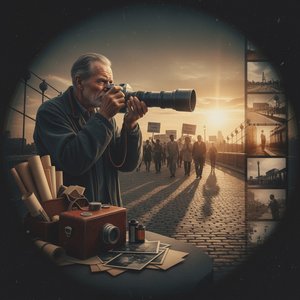
Witnessing History Through Lens & Light: Documentary Photography's Enduring Legacy
Explore the powerful history of documentary photography – from its origins to contemporary masters like Gordon Parks & W. Eugene Smith. Discover how this art form shapes our understanding of society and witness pivotal moments in time.



