

 Voorvertoning
 Verstuur
 Delen
Delen
 Details bekijken

 Download
 Vergelijkbare items
 Röntgenonderzoek
 Diavoorstelling
Self-Portrait
 Acrylic On Canvas
- WallArt
- Rococo Portraiture
 1776
1776 60.0 x 51.0 cm
 Louvre
 Lees meer
Giclée / Kunstafdrukken
Giclée- of canvasafdruk van museumkwaliteit met een snelle productie en flexibele afwerkingsmogelijkheden. ( Bestel handgeschilderde reproductie Koop afbeelding)




P118B $10

P118H $10

P118W $10

P438Z $10

P508JH $12

P508YH $12

P805H $10

P805Z $10

P919BZ $10

P919G $10

P919XJ $10

P959ZH $10

P968JZ $12

W106C $8

W218G $10

W218JH $8

W218Y $10

W307PJ $10

W316G $10

W316PJ $8

W316Y $10

W398PJ $8

W4111J $10

W500HY $15

W500JH $15

W692G $12

W849H $8

W940BG $15

W953PJ $8




Kies uit onze vooraf ingestelde maten die overeenkomen met de originele verhoudingen van het kunstwerk.

U kunt uw eigen afmetingen opgeven om in een specifieke lijst of ruimte te passen. Als de door u gekozen maat niet overeenkomt met de proporties van het originele kunstwerk, zullen wij de afbeelding bijsnijden of uitbreiden met een gespiegelde of effen rand. Een digitaal mockup wordt ter goedkeuring naar u verzonden voordat de productie begint.
Houd er rekening mee dat de preview op het scherm de werkelijke bijsneding of uitbreiding niet weergeeft. Alleen de mockup toont de uiteindelijke compositie nauwkeurig.
Hoewel aangepaste maten beschikbaar zijn, raden wij aan een afmeting uit de vooraf bepaalde lijst te kiezen om de originele proporties te behouden.
Wereldwijde levering () binnen 2 weken in plaats van de standaard 4/5 weken. (30 augustus)

Gratis wereldwijde expressverzending

Hoogwaardig linnen canvas

Volledige verzendverzekering

Garantie op terugbetaling van invoerrechten

Garantie op exacte kleurweergave

Retourbeleid van 60 dagen (alleen bij defecten)

100% Geld-terug-garantie

Korting bij meerdere afnames
 De optie voor glas is alleen beschikbaar bij een formaat kleiner dan 110 cm.

Self-Portrait
Giclée / Kunstafdrukken
Afmetingen reproductie
-


Eindtotaal
$ 81
Maurice Quentin de La Tour’s Self-Portrait: A Pastel Masterpiece Reflecting Rococo Elegance
Maurice Quentin de La Tour’s “Self-Portrait,” completed in 1776, stands as a quintessential example of Rococo portraiture—a genre characterized by its delicate ornamentation, pastel hues, and emphasis on idealized beauty. More than just a likeness of the artist himself, this painting embodies the spirit of an era obsessed with refinement and pleasure, capturing not only De La Tour’s physical appearance but also his inner composure and intellectual curiosity.
A Window into Rococo Style
Painted in pastel on canvas, “Self-Portrait” exemplifies the favored medium of artists like Jean Baptiste Lemoyne II and Jean Baptiste Perronneau during the Rococo period. Pastel crayons—derived from powdered pigments mixed with binders—allowed for unparalleled subtlety of color and tonal gradation, enabling painters to achieve luminous effects previously unattainable with oil paints. The soft, diffused light bathing De La Tour’s face contributes significantly to this ethereal quality, mirroring the prevailing aesthetic ideals of the time.
Composition and Symbolism: An Expression of Inner Harmony
The composition is remarkably balanced, featuring De La Tour seated in a chair against a neutral background. His gaze directs upwards, conveying a sense of contemplation and serenity—a deliberate choice reflecting the Rococo fascination with psychological realism alongside formal elegance. The inclusion of two figures flanking him – one on the left and another on the right – adds depth to the scene and subtly suggests De La Tour’s engagement with intellectual discourse and artistic patronage. These companions represent not merely presence but also an embodiment of social connections, crucial elements within the aristocratic circles of Louis XV’s court.
Historical Context: Voltaire and Artistic Recognition
"Self-Portrait" was created during a period marked by significant cultural shifts—the Enlightenment championed reason and scientific inquiry while simultaneously celebrating artistic beauty. De La Tour's portrait of Voltaire, engraved by Langlois shortly after its creation, secured him considerable acclaim and demonstrated the power of printmaking to disseminate artistic achievements across Europe. This engraving ensured that De La Tour’s work would reach a wider audience than simply those attending royal gatherings.
Emotional Impact: Capturing Essence Through Pastel Light
Ultimately, “Self-Portrait” transcends mere visual representation; it succeeds in conveying an emotional resonance rooted in the artist's inner state. The gentle smile and direct gaze communicate confidence and intelligence—qualities admired during De La Tour’s lifetime. More importantly, the pastel technique itself imparts a sense of softness and intimacy, inviting viewers to contemplate not just De La Tour’s appearance but also his character and spirit – an enduring testament to the power of art to capture the essence of human experience.
Biografie van de kunstenaar
Early Life and Artistic Development
Maurice Quentin de La Tour was born into a musical family; his father, François de La Tour, was a musician for the Duc du Maine. Despite initial familial expectations, Maurice pursued painting with unwavering passion. Around 1724, he moved to Paris, where he began his artistic career, immersing himself in the vibrant cultural landscape of the era. Early training included studies with Jacques Spoede and a brief period in Rheims, laying the groundwork for his distinctive style. A trip to England in 1725 further broadened his horizons and exposed him to new artistic trends—influences that would shape his future endeavors.Artistic Style and Notable Works
De La Tour’s mastery of pastel is unparalleled, earning him the accolade “Le prodigieux La Tour est le roi de Pastel” (“The prodigious La Tour is the king of pastel”). He employed this medium to create portraits imbued with remarkable softness and delicacy, capturing subtle nuances of expression and texture—a technique that distinguished him from his contemporaries. His work exemplifies Rococo style, characterized by elegance, grace, and a preoccupation with portraying fashionable society. Among his most celebrated achievements were:- Portrait of Voltaire (1731): This early masterpiece established his reputation immediately, demonstrating his talent for capturing intellectual brilliance and conveying character with astute observation. The engraving by Langlois ensured widespread recognition of his work.
- Self-Portrait, Laughing (c. 1737): A self-portrait that embodies wit and humor, showcasing La Tour’s ability to portray personality with confidence and artistic flair.
- Portrait of Madame de Pompadour: A monumental commission reflecting his skill in capturing the likeness of a prominent figure—a testament to his influence within the royal court.
- Portraits of Louis XV: Several portraits of the French King solidified his position as one of the most sought-after portraitists of his time, documenting the grandeur and complexities of Louis XV’s reign.
Salon Exhibitions and Recognition
De La Tour consistently showcased his talent at the Paris Salon for three decades—a remarkable feat that cemented his place among the leading artists of the period. He presented a series of 150 portraits, captivating audiences with their beauty and psychological insight. In 1737, he was recognized by the Royal Academy of Painting and Sculpture, marking a pivotal moment in his career. Subsequently, he served as portraitist to the king from 1750 until his retirement in 1773—a position that afforded him access to the highest levels of French society and artistic patronage.Legacy and Historical Significance
Maurice Quentin de La Tour’s portraits are revered for their profound psychological depth and technical brilliance, elevating pastel portraiture to new heights. He profoundly influenced subsequent generations of artists—his ability to distill essence into visual form remains an inspiration today. His works reside in prestigious museums worldwide—including the Musée du Louvre—providing invaluable glimpses into 18th-century French culture and artistic practices. They stand as enduring symbols of Rococo elegance and intellectual curiosity, securing his legacy as one of France’s greatest portrait painters.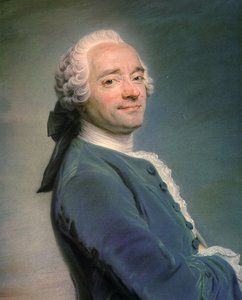
Maurice Quentin de La Tour
1704 - 1788 , Frankrijk
Belangrijkste feiten
- Artistic Movement Or Style: Rococo
- Artists Or Movements Influenced By This Artist: ['Rosalba Carriera']
- Artists Who Influenced This Artist: ['Jacques Spoede']
- Date Of Birth: 5 september 1704
- Full Name: Maurice Quentin de La Tour
- Nationality: Frans
- Notable Artworks:
- Portret Voltaire
- Zelfportret Lachend
- Place Of Death: Saint-Quentin
Gerelateerde artikelen

Maurice Quentin de La Tour: Light, Shadow & the Rococo Portrait
Explore the captivating world of Maurice Quentin de La Tour, a master of Rococo portraiture. Discover his innovative pastel techniques, intimate depictions of French aristocracy, and lasting artistic legacy. Learn more at OriginalUniqueArt.
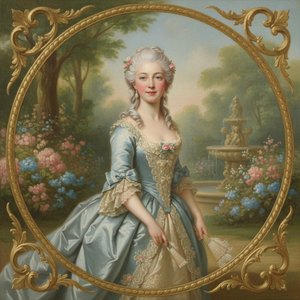
The Elegance of Rococo Portraiture: A Journey Through Grace, Soft Light, and Pastel Dreams
Discover the exquisite world of Rococo portraiture. Explore the delicate beauty of 18th-century French art, from pastel light to graceful asymmetry, and learn how to bring this era of elegance into your home through masterfully hand-painted oil reproductions.

The Elegance of Rococo: A Journey Through Pastel Dreams and Ornate Splendor
Embark on an elegant journey through the Rococo era. Discover the delicate beauty of pastel masterpieces, the intricate artistry of 18th-century French masters, and how this era of ornate splendor continues to inspire timeless luxury in fine art collecting.

Goya's Meesterwerken: 25 Iconische Schilderijen voor Kunstliefhebbers | OriginalUniqueArt
Ontdek de 25 meest iconische schilderijen van Francisco Goya! Duik in zijn Spaanse romantiek, donkere kleuren & emotionele kracht. Museumkwaliteit reproducties voor jouw interieur op OriginalUniqueArt.com.
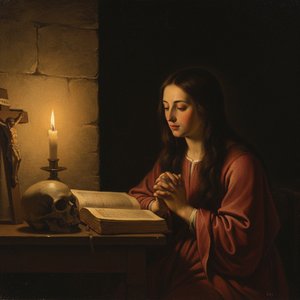
Georges de La Tour: Luminosity, Spirituality & Realism in Baroque Painting
Discover the captivating world of Georges de La Tour, a Baroque master renowned for his dramatic chiaroscuro & spiritual realism. Explore key works, influences, and his remarkable rediscovery. Learn more at OriginalUniqueArt.

