

 Bekijk op ware grootte
 Verstuur
 Delen
Delen
 Details bekijken

 Download
 Vergelijkbare items
 Röntgenonderzoek
 Diavoorstelling
 Statistieken
Self-Portrait
 Pastel
- Rococo Style
 1751
1751- Early Modern
 65.0 x 53.0 cm
 Musée de Picardie
 Lees meer
Koop een digitale afbeelding in hoge resolutie met verbeterde kwaliteit, die veel superieur is aan de online voorvertoning.
Elk bestand wordt met uiterste precisie voorbereid door onze interne specialisten, met behulp van geavanceerde tools en deskundige handmatige retouche. Wij garanderen dat elke afbeelding een uitzonderlijke helderheid, nauwkeurige kleurweergave en verfijnde details bezit.
Het uiteindelijke bestand wordt binnen 72 uur per e-mail geleverd, geoptimaliseerd voor direct gebruik in professionele, redactionele en printomgevingen. Dit is dezelfde kwaliteit waarop vooraanstaande designstudio's, uitgevers en galerieën vertrouwen.
Digitale afbeeldingen
Download een bestand met hoge resolutie voor persoonlijke weergave, afdrukken en creatieve projecten. ( Schakel over naar print Koop handgeschilderd kunstwerk)
Inbegrepen bij elke bestelling van een digitale afbeelding
Professionele digitale levering, gegarandeerd
Wanneer u kiest voor OriginalUniqueArt.com, ontvangt u niet alleen een afbeelding – u krijgt een professioneel verbeterd digitaal kunstwerk, met precisie vervaardigd en voorzien van een tevredenheidsgarantie. Dit is alles wat automatisch bij uw bestelling is inbegrepen:

Directe levering per e-mail
Uw hoogwaardige digitale afbeeldingsbestand wordt binnen 72 uur na bestelling naar u gemaild – klaar voor direct gebruik.

AI-geoptimaliseerd digitaal bestand
Uw kunstwerk wordt professioneel geoptimaliseerd met behulp van geavanceerde AI-tools en handmatige bewerkingen, waardoor maximale details, helderheid en kleurnauwkeurigheid worden gegarandeerd.

Gratis levenslange herlevering
Je bestand per ongeluk verwijderd of kwijtgeraakt? Geen zorgen – we sturen het u op elk gewenst moment gratis opnieuw toe.

Geen invoerkosten – nooit
Geniet direct van uw kunstwerk zonder invoerrechten, belastingen of verzendkosten – digitale downloads zijn altijd belastingvrij.

Garantie op kleurgetrouwheid
Met behulp van professionele hulpmiddelen en kleurbeheer zorgen wij ervoor dat uw digitale afbeelding de originele kleuren zo nauwkeurig mogelijk weergeeft.

100 dagen tevredenheidsgarantie
Als u niet tevreden bent met uw digitale afbeelding, passen wij deze aan of storten wij 100% terug binnen 100 dagen - zonder vragen te stellen.

100% Geld-terug-garantie
Niet tevreden? Ontvang een volledige terugbetaling binnen 100 dagen na ontvangst van uw digitale bestand – zonder vragen te stellen.

Korting bij grote bestellingen
Koop 3 afbeeldingen, bespaar 10% - Koop 5, bespaar 15% - Koop 10+, bespaar 20%. Ideaal voor creatieve projecten, galerieën en bureaus.
A Masterpiece of Pastel Intimacy
In the delicate dance of light and shadow that defines the Rococo era, few works capture the profound intimacy of the human spirit quite like Maurice Quentin de La Tour’s Self-Portrait. Created in 1751, this exquisite piece serves as a window into the soul of one of the eighteenth century's most celebrated portraitists. Rather than presenting a mere mask of social standing, De La Tour utilizes the unique, velvety texture of pastels to render a moment of quiet introspection. The subject emerges from a muted, atmospheric background of soft blues and ethereal cloud-like patterns, creating a sense of depth that feels both infinite and deeply personal. Every stroke of the pastel medium contributes to a lifelike vitality, where the subtle shading around the eyes and the gentle highlights on the skin invite the viewer into a silent dialogue with the artist himself.
The technical brilliance of this work lies in De La Tour’s unparalleled command over the fragile medium of pastel. Unlike the heavy, layered textures of oil painting, pastels allow for a luminous, powdery finish that mimics the softness of human flesh and the airy lightness of a wigged era. The artist demonstrates an extraordinary attention to detail, from the intricate, crisp folds of his dark blue aristocratic coat to the delicate, wispy strands of hair that frame his face. This mastery of texture creates a tactile experience for the viewer; one can almost feel the smoothness of the fine fabric and the lightness of the white cravat. For the discerning collector or interior designer, such a piece offers more than just visual beauty—it provides a sophisticated focal point that radiates elegance and historical weight.
A Legacy of Rococo Elegance
To behold this self-portrait is to step into the heart of the French Enlightenment. During an age defined by the grandeur of Louis XV, De La Tour carved out a niche by capturing the psychological depth of his subjects, ranging from the intellectual wit of Voltaire to the regal grace of Madame de Pompadour. This Self-Portrait embodies that same spirit of character study. The composition is masterfully balanced, with the subject centrally placed to command attention, yet the soft color palette ensures the portrait remains graceful rather than imposing. It is a work that speaks of status and refinement through its formal attire, yet whispers of the artist's internal world through his expressive gaze.
For those looking to adorn a curated space, a high-quality reproduction of this masterpiece brings a touch of timeless prestige. Whether placed in a sunlit library or a sophisticated contemporary salon, the soft tones and classical composition of De La Tour’s work harmonize beautifully with both traditional and modern aesthetics. Owning a piece that celebrates such profound craftsmanship allows one to preserve the legacy of the Rococo period, ensuring that the delicate beauty and emotional resonance of 1751 continue to inspire generations of art lovers.
Biografie van de kunstenaar
Early Life and Artistic Development
Maurice Quentin de La Tour was born into a musical family; his father, François de La Tour, was a musician for the Duc du Maine. Despite initial familial expectations, Maurice pursued painting with unwavering passion. Around 1724, he moved to Paris, where he began his artistic career, immersing himself in the vibrant cultural landscape of the era. Early training included studies with Jacques Spoede and a brief period in Rheims, laying the groundwork for his distinctive style. A trip to England in 1725 further broadened his horizons and exposed him to new artistic trends—influences that would shape his future endeavors.Artistic Style and Notable Works
De La Tour’s mastery of pastel is unparalleled, earning him the accolade “Le prodigieux La Tour est le roi de Pastel” (“The prodigious La Tour is the king of pastel”). He employed this medium to create portraits imbued with remarkable softness and delicacy, capturing subtle nuances of expression and texture—a technique that distinguished him from his contemporaries. His work exemplifies Rococo style, characterized by elegance, grace, and a preoccupation with portraying fashionable society. Among his most celebrated achievements were:- Portrait of Voltaire (1731): This early masterpiece established his reputation immediately, demonstrating his talent for capturing intellectual brilliance and conveying character with astute observation. The engraving by Langlois ensured widespread recognition of his work.
- Self-Portrait, Laughing (c. 1737): A self-portrait that embodies wit and humor, showcasing La Tour’s ability to portray personality with confidence and artistic flair.
- Portrait of Madame de Pompadour: A monumental commission reflecting his skill in capturing the likeness of a prominent figure—a testament to his influence within the royal court.
- Portraits of Louis XV: Several portraits of the French King solidified his position as one of the most sought-after portraitists of his time, documenting the grandeur and complexities of Louis XV’s reign.
Salon Exhibitions and Recognition
De La Tour consistently showcased his talent at the Paris Salon for three decades—a remarkable feat that cemented his place among the leading artists of the period. He presented a series of 150 portraits, captivating audiences with their beauty and psychological insight. In 1737, he was recognized by the Royal Academy of Painting and Sculpture, marking a pivotal moment in his career. Subsequently, he served as portraitist to the king from 1750 until his retirement in 1773—a position that afforded him access to the highest levels of French society and artistic patronage.Legacy and Historical Significance
Maurice Quentin de La Tour’s portraits are revered for their profound psychological depth and technical brilliance, elevating pastel portraiture to new heights. He profoundly influenced subsequent generations of artists—his ability to distill essence into visual form remains an inspiration today. His works reside in prestigious museums worldwide—including the Musée du Louvre—providing invaluable glimpses into 18th-century French culture and artistic practices. They stand as enduring symbols of Rococo elegance and intellectual curiosity, securing his legacy as one of France’s greatest portrait painters.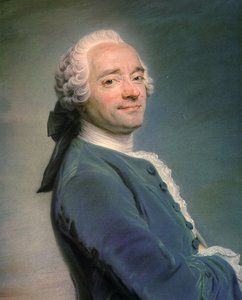
Maurice Quentin de La Tour
1704 - 1788 , Frankrijk
Kerngegevens
- Artistic Movement Or Style: Rococo
- Artists Or Movements Influenced By This Artist: ['Rosalba Carriera']
- Artists Who Influenced This Artist: ['Jacques Spoede']
- Date Of Birth: 5 september 1704
- Full Name: Maurice Quentin de La Tour
- Nationality: Frans
- Notable Artworks:
- Portret Voltaire
- Zelfportret Lachend
- Place Of Death: Saint-Quentin