Menu
GRATIS KUNSTADVIES
VoorvertoningVoorvertoning Bekijk in ARBekijk in AR Bestel print Bestel printKoop afbeelding Koop afbeelding VerstuurVerstuur
Details bekijkenDetails bekijken Toevoegen aan favorieten Toevoegen aan favorieten DownloadDownload Vergelijkbare itemsVergelijkbare items RöntgenonderzoekRöntgenonderzoek DiavoorstellingDiavoorstelling

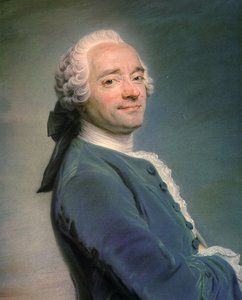
Maréchal de Saxe

Admire Maurice Quentin de La Tour's exquisite pastel portrait of Maréchal de Saxe – a masterful depiction capturing the dignity and wisdom of Louis XV’s military advisor.

Maurice Quentin de La Tour (1704-1788) was een Franse pastellist die bekend staat om zijn elegante rococo portretten van figuren als Voltaire en Madame de Pompadour. Zijn meesterlijke techniek en karakteristieke zachte stijl maken hem tot een belangrijk kunstenaar uit de 18e eeuw.

Handgemaakte olieverfreproductie

Met de hand geschilderd in olieverf op canvas in uw gewenste maat en lijst, op bestelling gemaakt door onze kunstenaars. (Bestel print Bestel printKoop afbeelding Koop afbeelding)

Standard
custom
CM
INCH

Kies uit onze vooraf ingestelde maten die overeenkomen met de originele verhoudingen van het kunstwerk.

breedte
hoogte

U kunt uw eigen afmetingen invoeren om in een specifieke lijst of ruimte te passen. Als de door u gekozen maat niet overeenkomt met de verhoudingen van het originele beeld, zullen we het kunstwerk bijsnijden of het schilderij uitbreiden met extra handgeschilderde elementen. Een digitale mockup wordt ter goedkeuring naar u verzonden voordat de productie begint.
Houd er rekening mee dat de preview op het scherm niet de werkelijke uitsnede of uitbreiding weergeeft. Alleen de mockup toont de uiteindelijke compositie nauwkeurig.
Hoewel aangepaste afmetingen mogelijk zijn, raden we aan een maat uit de vooraf gedefinieerde lijst te selecteren om de originele verhoudingen te behouden.

Voorbeelden van aanpassingen: Vervang het gezicht met een eigen foto; Voeg een huisdier toe (bijv. vervang de kat door een hond); Verwerk een verborgen boodschap in de achtergrond; Wijzig het landschap of andere elementen in de achtergrond.
Na de bestelling zal het team van OriginalUniqueArt.com per e-mail contact opnemen met de klant voor instructies en een mockup-voorbeeld sturen.

Wereldwijde levering () binnen 3 tot 4 weken in plaats van de standaard 5 weken. (21 augustus). Zonder concessies aan de kwaliteit.

why_choose_icon
Gratis wereldwijde expressverzending
why_choose_icon
Hoogwaardig linnen canvas
why_choose_icon
Volledige verzendverzekering
why_choose_icon
Garantie op terugbetaling van invoerrechten
why_choose_icon
Garantie op exacte kleurweergave
why_choose_icon
Retourbeleid van 60 dagen (alleen bij defecten)
why_choose_icon
100% Geld-terug-garantie
why_choose_icon
Korting bij meerdere afnames

Totaalprijs

$ 300

reproduction

Maréchal de Saxe

Druktechniek

Afmetingen reproductie

-

Eindtotaal

$ 300

Snelle feiten

  • Medium: Pastel
  • Dimensions: 61 x 51 cm
  • Subject or theme: Portrait of a Man
  • Title: Maréchal de Saxe
  • Artist: Maurice Quentin de La Tour
  • Artistic style: Elegant and refined

Kunstquiz

Er is slechts één goed antwoord op elke vraag.

Vraag 1:
What artistic technique is predominantly used in this portrait?
Vraag 2:
The man depicted wears a sash over his shoulder. What does this likely symbolize?
Vraag 3:
Who is Maurice Quentin de La Tour known for portraying in his pastel portraits?
Vraag 4:
What is the overall mood conveyed by the painting's background?
Vraag 5:
The portrait exemplifies which artistic movement?

Beschrijving kunstwerk

A Portrait Steeped in Dignity: Exploring Maurice Quentin de La Tour’s Maréchal de Saxe

The pastel portrait of Maréchal de Saxe, executed by Maurice Quentin de La Tour in 1731, transcends mere likeness; it embodies the spirit of Rococo artistry and offers a glimpse into the opulent intellectual landscape of Enlightenment France. More than just an image of a military commander, this artwork speaks volumes about power, prestige, and the carefully cultivated persona of Louis XV’s influential advisor.

The Artist's Vision: Pastel Technique and Its Impact

Maurice Quentin de La Tour (1704-1788) stands as a pivotal figure in the history of pastel painting. Unlike oil paints, which capture form with dense pigment layers, pastel relies on finely powdered pigments adhered to a substrate – typically paper – creating luminous shades that shimmer with an ethereal glow. De La Tour’s masterful manipulation of this medium is evident in Maréchal de Saxe, where subtle gradations of color convey texture and depth without resorting to heavy brushstrokes. The artist skillfully blended hues of blues, whites, and golds, achieving a remarkable level of realism while simultaneously imparting an air of aristocratic elegance. This technique was particularly favored by portrait painters during the Rococo period, allowing for delicate rendering of skin tones and fabrics—elements crucial to conveying character and status.

Historical Context: Voltaire and the Courtly Ideal

The painting’s subject, Maréchal de Saxe, was a celebrated military strategist and diplomat who served Louis XV with unwavering loyalty. However, De La Tour didn't simply depict him as a soldier; he presented him as an embodiment of Enlightenment ideals – intellect, virtue, and refined taste. This portrayal aligns perfectly with the artistic sensibilities of Voltaire, whose philosophical writings championed reason and challenged traditional dogma. The inclusion of Voltaire’s likeness within the portrait underscores the importance of intellectual discourse and moral contemplation during this era. Furthermore, the opulent attire—the black coat adorned with gold buttons, the dark cravat—reflects the lavish lifestyle enjoyed by the French monarchy and aristocracy at Versailles.

Symbolism Within the Frame: Color Palette and Composition

The pastel’s color palette is deliberately restrained yet powerfully expressive. The dominant blues evoke nobility and trustworthiness, mirroring Saxe's reputation as a dependable statesman. Contrasting with these cool tones are accents of gold—a symbol of royal authority and wealth—highlighting Saxe’s position within the court hierarchy. De La Tour’s compositional choices further enhance the artwork’s impact. The figure is positioned centrally against a plain, light-colored canvas, ensuring that all attention is focused on Saxe's countenance and attire. This minimalist background serves to amplify the luminosity of the pastel colors and emphasizes the subject’s importance—a deliberate strategy reflecting the Rococo penchant for grandeur and visual harmony.

Emotional Resonance: Capturing Dignity and Wisdom

Ultimately, Maréchal de Saxe succeeds in conveying a profound sense of dignity and wisdom. De La Tour's meticulous attention to detail—the curl of Saxe’s hair, the subtle expression on his face—captures not merely physical appearance but also inner character. The portrait invites contemplation about leadership, honor, and the pursuit of intellectual enlightenment. It remains a testament to De La Tour’s artistic skill and a captivating window into the cultural values of 18th-century France – an artwork that continues to inspire admiration for its beauty and insight.

Biografie van de kunstenaar

Early Life and Artistic Development

Maurice Quentin de La Tour was born into a musical family; his father, François de La Tour, was a musician for the Duc du Maine. Despite initial familial expectations, Maurice pursued painting with unwavering passion. Around 1724, he moved to Paris, where he began his artistic career, immersing himself in the vibrant cultural landscape of the era. Early training included studies with Jacques Spoede and a brief period in Rheims, laying the groundwork for his distinctive style. A trip to England in 1725 further broadened his horizons and exposed him to new artistic trends—influences that would shape his future endeavors.

Artistic Style and Notable Works

De La Tour’s mastery of pastel is unparalleled, earning him the accolade “Le prodigieux La Tour est le roi de Pastel” (“The prodigious La Tour is the king of pastel”). He employed this medium to create portraits imbued with remarkable softness and delicacy, capturing subtle nuances of expression and texture—a technique that distinguished him from his contemporaries. His work exemplifies Rococo style, characterized by elegance, grace, and a preoccupation with portraying fashionable society. Among his most celebrated achievements were:
  • Portrait of Voltaire (1731): This early masterpiece established his reputation immediately, demonstrating his talent for capturing intellectual brilliance and conveying character with astute observation. The engraving by Langlois ensured widespread recognition of his work.
  • Self-Portrait, Laughing (c. 1737): A self-portrait that embodies wit and humor, showcasing La Tour’s ability to portray personality with confidence and artistic flair.
  • Portrait of Madame de Pompadour: A monumental commission reflecting his skill in capturing the likeness of a prominent figure—a testament to his influence within the royal court.
  • Portraits of Louis XV: Several portraits of the French King solidified his position as one of the most sought-after portraitists of his time, documenting the grandeur and complexities of Louis XV’s reign.

Salon Exhibitions and Recognition

De La Tour consistently showcased his talent at the Paris Salon for three decades—a remarkable feat that cemented his place among the leading artists of the period. He presented a series of 150 portraits, captivating audiences with their beauty and psychological insight. In 1737, he was recognized by the Royal Academy of Painting and Sculpture, marking a pivotal moment in his career. Subsequently, he served as portraitist to the king from 1750 until his retirement in 1773—a position that afforded him access to the highest levels of French society and artistic patronage.

Legacy and Historical Significance

Maurice Quentin de La Tour’s portraits are revered for their profound psychological depth and technical brilliance, elevating pastel portraiture to new heights. He profoundly influenced subsequent generations of artists—his ability to distill essence into visual form remains an inspiration today. His works reside in prestigious museums worldwide—including the Musée du Louvre—providing invaluable glimpses into 18th-century French culture and artistic practices. They stand as enduring symbols of Rococo elegance and intellectual curiosity, securing his legacy as one of France’s greatest portrait painters.
Maurice Quentin de La Tour

Maurice Quentin de La Tour

1704 - 1788 , Frankrijk

Belangrijkste feiten

  • Artistic Movement Or Style: Rococo
  • Artists Or Movements Influenced By This Artist: ['Rosalba Carriera']
  • Artists Who Influenced This Artist: ['Jacques Spoede']
  • Date Of Birth: 5 september 1704
  • Full Name: Maurice Quentin de La Tour
  • Nationality: Frans
  • Notable Artworks:
    • Portret Voltaire
    • Zelfportret Lachend
  • Place Of Death: Saint-Quentin