

 Bekijk op ware grootte
 Verstuur
 Delen
Delen
 Details bekijken
 Gids voor studentenkunstwerken

 Download
 Vergelijkbare items
 Röntgenonderzoek
 Diavoorstelling
 Statistieken
The Road


 Lees meer
De kunstwerken die op deze pagina worden weergegeven, zijn beschermd door de auteursrechtwetgeving, wat betekent dat het ons wettelijk niet is toegestaan om identieke reproducties te maken of te verkopen. Deze bescherming wordt gehandhaafd onder internationale overeenkomsten zoals de Conventie van Bern en door nationale wetgeving, waaronder de bepalingen van de Amerikaanse auteurswet - Titel 17. Alle rechten voorbehouden. Reproduceren of distribueren van afbeeldingen is niet toegestaan zonder uitdrukkelijke schriftelijke toestemming van WahooArt.com en de rechthebbenden.
Deze methode voldoet volledig aan de auteursrechtwetgeving, omdat het niet gaat om het kopiëren of dupliceren van het beschermde kunstwerk. In plaats daarvan is er sprake van een creatieve herinterpretatie — een nieuw schilderij dat door het origineel wordt geïnspireerd, maar er niet identiek aan is.
Giclée / Kunstafdrukken
Giclée- of canvasafdruk van museumkwaliteit met een snelle productie en flexibele afwerkingsmogelijkheden. ( Koop handgeschilderd kunstwerk Schakel over naar digitale afbeeldingen)




































Kies uit onze vooraf ingestelde maten die overeenkomen met de originele verhoudingen van het kunstwerk.

Voer de breedte en de hoogte in die u nodig heeft, passend bij uw lijst of uw muur. Een afdruk kan alleen worden ingekort, nooit groter worden gemaakt dan het origineel, waardoor een formaat met een andere verhouding een deel van de afbeelding verliest. Wij sturen u een digitaal mockup ter goedkeuring voordat we iets drukken. De afbeelding op deze pagina toont niet de werkelijke uitsnede — dit is alleen te zien op het mockup.
Wereldwijde levering () binnen 2 weken in plaats van de standaard 4/5 weken. (25 oktober)

Gratis wereldwijde expressverzending

Hoogwaardig linnen canvas

Volledige verzendverzekering

Garantie op terugbetaling van invoerrechten

Garantie op exacte kleurweergave

Retourbeleid van 100 dagen (alleen bij defecten)

100% Geld-terug-garantie

Korting bij meerdere afnames
 De optie voor glas is alleen beschikbaar bij een formaat kleiner dan 110 cm.

The Road
Giclée / Kunstafdrukken
Formaat reproductie
-


Totaalprijs
€ 71
A Journey Through Color: Maurice de Vlaminck's "The Road" (1926)
Maurice de Vlaminck’s “The Road,” painted in 1926, is a captivating example of Fauvism that transports the viewer to a moment suspended between reality and emotion. This work isn't merely a depiction of a road; it's an exploration of color, line, and the raw power of subjective experience. The painting portrays a winding road leading towards a village nestled amongst rolling hills, under a sky heavy with dramatic clouds. While seemingly simple in subject matter, Vlaminck’s treatment elevates it to a powerful statement about perception and feeling.Fauvism: A Revolution in Color
“The Road” firmly belongs within the Fauvist movement (roughly 1905-1908), a short but intensely influential period in modern art history. The term "Fauves" – meaning “wild beasts” – was initially used derisively to describe these artists, who shocked audiences with their bold and seemingly arbitrary use of color. Unlike Impressionists who sought to capture the fleeting effects of light, Fauvist painters like Vlaminck, Henri Matisse, and André Derain employed color expressively, using it to convey emotion rather than representational accuracy. In "The Road," this is evident in the striking contrast between the deep blues of the sky, the vibrant yellows and reds of the houses, and the earthy tones of the road itself. These colors aren't blended or softened; they are applied with a vigorous, almost impulsive energy, creating a visual intensity that defines the Fauvist aesthetic.Technique and Brushwork
Vlaminck’s technique is characterized by loose, energetic brushstrokes. He often painted outdoors *en plein air*, directly confronting nature and translating his immediate impressions onto canvas. The visible texture of the paint—thick impasto in places—adds to the painting's dynamism and immediacy. Notice how the lines defining the houses are not precise but rather suggested with broad strokes, contributing to a sense of movement and vibrancy. This expressive brushwork isn’t about meticulous detail; it’s about capturing the *feeling* of being present in that landscape – the wind, the light, the overall atmosphere.Emotional Resonance and Symbolism
Despite its seemingly straightforward subject, "The Road" evokes a sense of introspection and perhaps even melancholy. The overcast sky and the absence of figures contribute to a somber mood. The road itself can be interpreted symbolically as a metaphor for life’s journey – winding, uncertain, and leading towards an unknown destination. While there's no explicit narrative, the painting invites contemplation on themes of solitude, transition, and the passage of time. The vibrant colors, paradoxically, don't offer solace but rather amplify the underlying emotional complexity. Vlaminck’s work often draws inspiration from Van Gogh, sharing a similar intensity of feeling and a willingness to distort reality in pursuit of emotional truth.Bringing "The Road" into Your Space
A hand-painted reproduction of “The Road” offers a unique opportunity to bring the vibrancy and emotion of Fauvism into your home or office. Its bold colors and dynamic composition make it an ideal statement piece for modern interiors, while its introspective mood adds depth and character to any setting. Whether you are an avid art collector or simply seeking inspiration, this reproduction captures the essence of Vlaminck’s vision – a powerful testament to the expressive potential of color and form.Vragen & Antwoorden
Welke kleurverzadiging heeft "The Road" door Maurice de Vlaminck?
De kleuren van "The Road" door Maurice de Vlaminck hebben een Balanced Soft verzadiging. Verzadiging beschrijft hoe levendig of gedempt de kleuren zijn.
Wat is de dominante kleur van "The Road" door Maurice de Vlaminck?
De dominante kleur van "The Road" door Maurice de Vlaminck is Espresso (#45333c).
Hoeveel mensen bekijken "The Road"?
Statistieken over "The Road" door Maurice de Vlaminck zijn te vinden op de Statistieken-pagina van het kunstwerk: maandelijkse weergaven van het kunstwerk, weergaven van de werken van de kunstenaar, en een uitsplitsing naar land en taal van recente bezoekers.
Biografie van de kunstenaar
Early Life and Career
Maurice de Vlaminck was born April 4, 1876, in Paris, France, to a Flemish father who instilled musical sensibilities through violin instruction and a mother from Lorraine who nurtured piano skills. This formative upbringing profoundly shaped his artistic vision. He embarked on his artistic journey relatively late in life, around the age of twenty, initially pursuing self-education before cultivating an instinctive approach to painting—a characteristic that would define his entire oeuvre. Before dedicating himself fully to art, he worked as a professional cyclist, honing physical endurance and developing a keen observational eye.The Fauvist Movement and Artistic Style
Maurice de Vlaminck stands as a cornerstone of the Fauvist movement (1904-1908), alongside André Derain and Henri Matisse—artists who revolutionized painting by rejecting academic conventions in favor of bold color palettes and simplified forms. This audacious group challenged established artistic dogma, prioritizing emotional expression over accurate representation. Vlaminck’s style is instantly recognizable for its energetic brushwork; thick, visible strokes convey dynamism and spontaneity, capturing the essence of his subjects with palpable immediacy. He eschewed meticulous detail, opting instead to distill landscapes and figures into their fundamental shapes—a deliberate decision designed to maximize expressive impact. The dominant color scheme – vibrant hues divorced from naturalistic standards – served as a conduit for conveying emotion; reds, yellows, and blues pulsed with intensity on the canvas. Notable early works like “Sur le zinc” (At the Bar) and “L’homme à la pipe” exemplify this distinctive aesthetic.Influences and Artistic Development
Impressionism undeniably influenced Vlaminck's compositional choices, mirroring the Impressionists’ fascination with capturing fleeting moments illuminated by sunlight. However, his artistic trajectory was decisively shaped by Vincent van Gogh—a connection forged during a visit to an exhibition where he expressed fervent admiration for the artist’s expressive technique and emotional depth. This influence is palpable in Vlaminck's own brushstrokes and tonal range. Furthermore, from 1908 onwards, Cézanne’s exploration of geometric forms and muted palettes exerted considerable sway over Vlaminck’s artistic sensibilities. He moved away from the luminous colors of Impressionism toward a more restrained palette—a stylistic shift that reflected his evolving preoccupation with capturing inner psychological states.Major Achievements and Historical Significance
Vlaminck's participation in the Salon d’automne exhibitions, particularly in 1905, cemented Fauvism’s position as a pivotal movement within modern art history. His canvases became emblems of artistic rebellion against tradition, championing spontaneity and emotional honesty. Critics lauded his paintings for their raw energy and uncompromising vision—qualities that continue to resonate with audiences today. He bridged the gap between Impressionism and Expressionism, fostering a dialogue between observation and subjective experience. Vlaminck’s legacy resides in his unwavering commitment to artistic innovation and his ability to convey profound emotion through color and form.Available Works
Today, Maurice de Vlaminck's paintings reside in prestigious museums across the globe—including Musée d’Orsay and Tate Modern—and are treasured by discerning collectors worldwide. Reproductions of masterpieces such as “Bougival” and “The Bridge at Chatou” offer a captivating glimpse into his distinctive Fauvist style, inviting viewers to contemplate the enduring power of artistic expression. OriginalUniqueArt presents an exceptional opportunity to explore Vlaminck’s oeuvre—a testament to his singular contribution to the history of art.
Maurice de Vlaminck
1876 - 1958 , Frankrijk
Snelle feiten
- Artistic Movement Or Style: Symbolisme
- Artists Who Influenced This Artist:
- Vincent van Gogh
- Paul Cézanne
- Date Of Birth: 1870
- Date Of Death: 1943
- Full Name: Maurice Denis
- Nationality: Franse kunstenaar
- Notable Artworks:
- La jeune fille à l'ombrelle
- Le bateau mouillé
- Place Of Birth: Paris, France
Gerelateerde artikelen

Maurice Quentin de La Tour: Light, Shadow & the Rococo Portrait
Explore the captivating world of Maurice Quentin de La Tour, a master of Rococo portraiture. Discover his innovative pastel techniques, intimate depictions of French aristocracy, and lasting artistic legacy. Learn more at OriginalUniqueArt.
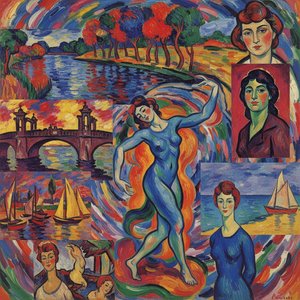
Top 10 Fauvist Meesterwerken: Kleur & Expressie voor uw Interieur | OriginalUniqueArt
Ontdek de 10 meest iconische Fauvist meesterwerken van kunstenaars als Matisse & Derain. Duik in expressieve kleuren en baanbrekende technieken! Museumkwaliteit reproducties voor uw interieur op OriginalUniqueArt.com

Goya's Meesterwerken: 25 Iconische Schilderijen voor Kunstliefhebbers | OriginalUniqueArt
Ontdek de 25 meest iconische schilderijen van Francisco Goya! Duik in zijn Spaanse romantiek, donkere kleuren & emotionele kracht. Museumkwaliteit reproducties voor jouw interieur op OriginalUniqueArt.com.
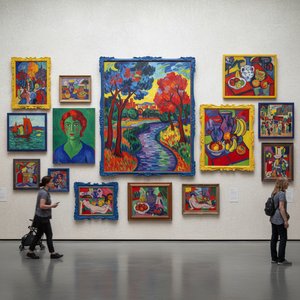
Top 10 Fauvistische Meesterwerken: Kleur & Expressie voor uw Interieur | OriginalUniqueArt.com
Ontdek de 10 meest iconische Fauvistische meesterwerken van kunstenaars als Matisse & Derain. Leer over kleur, expressie en hun invloed op moderne kunst. Museumkwaliteit reproducties voor uw interieur? Bekijk ze nu op OriginalUniqueArt.com!

Romantische Landschappen: Top 10 Meesterwerken voor een Sfeervol Interieur | OriginalUniqueArt.nl
Ontdek de 10 meest iconische meesterwerken van de Romantiek! Reis door de tijd met Caspar David Friedrich, Turner & Delacroix. Laat je inspireren en vind museumkwaliteit kunst reproducties voor een sfeervol interieur op OriginalUniqueArt.com.