Voorvertoning
 Verstuur
 Delen
Delen
 Details bekijken

 Download
 Vergelijkbare items
 Röntgenonderzoek
 Diavoorstelling
 Statistieken
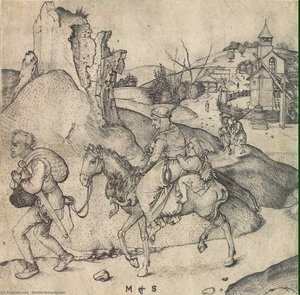
St.Michael
 Lees meer
Giclée / Kunstafdrukken
Giclée- of canvasafdruk van museumkwaliteit met een snelle productie en flexibele afwerkingsmogelijkheden. ( Bestel handgeschilderde reproductie Schakel over naar digitale afbeelding)




































Kies uit onze vooraf ingestelde maten die overeenkomen met de originele verhoudingen van het kunstwerk.

U kunt uw eigen afmetingen opgeven om in een specifieke lijst of ruimte te passen. Als de door u gekozen maat niet overeenkomt met de proporties van het originele kunstwerk, zullen wij de afbeelding bijsnijden of uitbreiden met een gespiegelde of effen rand. Een digitaal mockup wordt ter goedkeuring naar u verzonden voordat de productie begint.
Houd er rekening mee dat de preview op het scherm de werkelijke bijsneding of uitbreiding niet weergeeft. Alleen de mockup toont de uiteindelijke compositie nauwkeurig.
Hoewel aangepaste maten beschikbaar zijn, raden wij aan een afmeting uit de vooraf bepaalde lijst te kiezen om de originele proporties te behouden.
Wereldwijde levering () binnen 2 weken in plaats van de standaard 4/5 weken. (9 september)

Gratis wereldwijde expressverzending

Hoogwaardig linnen canvas

Volledige verzendverzekering

Garantie op terugbetaling van invoerrechten

Garantie op exacte kleurweergave

Retourbeleid van 100 dagen (alleen bij defecten)

100% Geld-terug-garantie

Korting bij meerdere afnames
 De optie voor glas is alleen beschikbaar bij een formaat kleiner dan 110 cm.

St.Michael
Giclée / Kunstafdrukken
Afmetingen reproductie
-


Eindtotaal
$ 81
Biografie van de kunstenaar
Martin Schongauer: Leven en Nalatenschap
Vroege Jaren en Opleiding
Martin Schongauer, geboren rond 1450 in Colmar, in de Elzas (tegenwoordig Frankrijk), was een spilfiguur in de ontwikkeling van de prentkunst tijdens de Noordelijke Renaissance. Hij kwam voort uit een familie van ambachtslieden; zijn vader, Caspar Schongauer, was een goudsmid die rond 1440 vanuit Augsburg, Duitsland, naar Colmar was verhuisd. Deze familiale achtergrond had een diepgaande invloed op de vroege artistieke vorming van Martin, aangezien het goudsmeden een stevig fundament bood in uiterst precieende details en metaalbewerkingstechnieken – vaardigheden die direct overdraagbaar waren naar de kunst van de gravure.
Opleiding en Artistieke Ontwikkeling
In 1465 volgde Schongauer kortstondig een studie aan de Universiteit van Leipzig, maar hij liet zijn academische ambities al snel varen om zich volledig aan de kunst te wijden. Aanvankelijk werd hij opgeleid als schilder onder Caspar Isenmann, een lokale meester die sterk beïloed was door de vroeg-Nederlandse schilderkunst, in het bijzonder door het werk van Rogier van der Weyden. Deze vroege blootstelling aan het Vlaamse realisme en de obsessieve aandacht voor detail zouden de onuitwisbare kenmerken van Schongauers eigen stijl worden.
Artistieke Stijl en Invloeden
De artistieke stijl van Schongauer laat zich omschrijven als een heldere, georganiseerde gotische esthetiek, versmolten met de opkomende invloeden van de Noordelijke Renaissance. Opvallend genoeg ontbrak directe Italiaanse invloed in zijn werk; in plaats daarvan putte hij zijn inspiratie uit de Duitse en vroeg-Nederlandse tradities. Zijn oeuvre getuigt van een minutieuze precisie, expressieve figuren en een geraffineerd begrip van compositie.
- Kernkenmerken: Precieze gravures, realistische afbeeldingen, dramatische verhalen, gotische structuur
- Invloeden: Rogier van der Weyden, Caspar Isenmann, Duitse gotische tradities
Grote Prestaties en Werken
Schongauer is vooral beroemd om zijn 116 gravures, die elk herkenbaar zijn aan zijn monogram. Deze prenten werden wijdverspreid over heel Europa en hadden een enorme impact op de ontwikkeling van druktechnieken en artistieke stijlen. Zijn gravures toonden vaak religieuze scènes, portretten en allegorische onderwerpen.
- Madonna van de Rozenhof (1473): Een betekenisvol schilderij dat zijn vermogen toont om delicate details en emotionele diepgang weer te geven.
- Gravures: Waaronder De Verzoeking van Sint-Antonius, De Aanbidding der Herders en vele anderen, die zijn meesterschap in de graveertechniek demonstreren.
Historisch Belang en Nalatenschap
De impact van Martin Schongauer op de kunstwereld was immens. Hij behoorde tot de eerste Duitse kunstenaars die internationale erkenning genoten als graveur. Zijn prenten waren zeer gewild en werden op grote schaal gekopieerd, waardoor zijn artistieke stijl zich over het Europese continent verspreidde. Het is zelfs gedocumenteerd dat Michelangelo zelf een van Schongauers gravures – De Beproeving van Sint-Antonius – bestudeerde en kopieerde, wat de enorme waardering getuigt die latere meesters voor Schongauer koesterden.
Het werk van Schongauer vormde de brug tussen de gotische kunst en de Renaissance, waarmee hij de weg vrijmaakte voor kunstenaars zoals Albrecht Dürer. Zijn innovatieve gebruik van graveertechnieken en zijn toewijding aan artistiek detail lieten een blijvende erfenis na in de geschiedenis van de prentkunst en de Noord-Europese kunst.
Overlijden
Martin Schongauer overleed op 2 februari 1491 in Breisach, en liet een bewonderenswaardig oeuvre na dat tot op de dag van vandaag wordt gevierd om zijn artistieke waarde en historische betekenis.

Martin Schongauer
1450 - 1491 , Frankrijk
Belangrijkste feiten
- Artistic Movement Or Style: Gothic kunst
- Artists Or Movements Influenced By This Artist: ['Albrecht Dürer']
- Artists Who Influenced This Artist:
- Rogier van der Weyden
- Caspar Isenmann
- Date Of Birth: ca 1450–53
- Date Of Death: 2 februari 1491
- Full Name: Martin Schongauer
- Nationality: Duits
- Notable Artworks:
- Madonna van de Rozenboom
- De Laatste Laatste Avondmaal
- Place Of Birth: Colmar, Duitsland
Gerelateerde artikelen
Top 10 Legendarische Graveerkunstwerken die de Kunst voor Altijd Veranderden | OriginalUniqueArt
Ontdek de 10 meest legendarische graveerkunstwerken die de kunstgeschiedenis veranderden! Van Rembrandt tot Goya, leer over techniek & betekenis. Museumkwaliteit reproducties voor uw interieur op OriginalUniqueArt.com.

Engraving: A Historical Survey of Technique, Artistic Expression & Enduring Legacy
Explore the rich history of engraving with OriginalUniqueArt. Discover techniques, iconic artists like Dürer & Callot, collecting tips, and expert guidance for preserving your art investment. Learn about intaglio printing & more!
The Art of Engraving: Mastering Precision and Detail in the Intaglio Tradition
Explore the profound mastery of engraving and intaglio printmaking. Delve into the rich history, technical precision of the burin, and the enduring legacy of fine art techniques that shaped the world's most iconic masterpieces.

The Intricate World of Engraving: A Historical Survey of Technique, Artistic Expression & Enduring Legacy
Explore the rich history of engraving with OriginalUniqueArt. Discover techniques, iconic artists like Dürer & Callot, collecting tips, and expert guidance for preserving your art investment. Learn about intaglio printing & more!

Gothic Vibes: From Dark Shadows to Bold Modern Edge | The Ultimate Trend Forecast
Explore the evolution of Gothic vibes, from historical shadows to bold modern edge. Discover how dark aesthetics, noir interiors, and contemporary subcultures are redefining modern design through a high-impact, trend-focused lens.