Bekijk op ware grootte
 Verstuur
 Delen
Delen
 Details bekijken
 Gids voor studentenkunstwerken

 Download
 Vergelijkbare items
 Röntgenonderzoek
 Diavoorstelling
 Statistieken
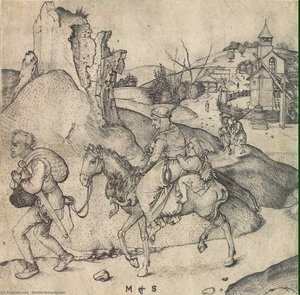
Nativity
 Oil On Canvas
- WallArt
- Northern Renaissance
 1480
1480- Renaissance
 37.0 x 28.0 cm
 Staatliche Museen zu Berlin
 Lees meer
Giclée / Kunstafdrukken
Giclée- of canvasafdruk van museumkwaliteit met een snelle productie en flexibele afwerkingsmogelijkheden. ( Koop handgeschilderd kunstwerk Schakel over naar digitale afbeeldingen)




P118B €10

P118H €10

P118W €10

P438Z €10

P508JH €12

P508YH €12

P805H €10

P805Z €10

P919BZ €10

P919G €10

P919XJ €10

P959ZH €10

P968JZ €12

W106C €8

W218G €10

W218JH €8

W218Y €10

W307PJ €10

W316G €10

W316PJ €8

W316Y €10

W398PJ €8

W4111J €10

W500HY €15

W500JH €15

W692G €12

W849H €8

W940BG €15

W953PJ €8




Kies uit onze vooraf ingestelde maten die overeenkomen met de originele verhoudingen van het kunstwerk.

U kunt uw eigen afmetingen opgeven om in een specifieke lijst of ruimte te passen. Als de door u gekozen maat niet overeenkomt met de proporties van het originele kunstwerk, zullen wij de afbeelding bijsnijden of uitbreiden met een gespiegelde of effen rand. Een digitaal mockup wordt ter goedkeuring naar u verzonden voordat de productie begint.
Houd er rekening mee dat de preview op het scherm de werkelijke bijsneding of uitbreiding niet weergeeft. Alleen de mockup toont de uiteindelijke compositie nauwkeurig.
Hoewel aangepaste maten beschikbaar zijn, raden wij aan een afmeting uit de vooraf bepaalde lijst te kiezen om de originele proporties te behouden.
Wereldwijde levering () binnen 2 weken in plaats van de standaard 4/5 weken. (12 oktober)

Gratis wereldwijde expressverzending

Hoogwaardig linnen canvas

Volledige verzendverzekering

Garantie op terugbetaling van invoerrechten

Garantie op exacte kleurweergave

Retourbeleid van 100 dagen (alleen bij defecten)

100% Geld-terug-garantie

Korting bij meerdere afnames
 De optie voor glas is alleen beschikbaar bij een formaat kleiner dan 110 cm.

Nativity
Giclée / Kunstafdrukken
Formaat reproductie
-


Totaalprijs
€ 70
A Moment of Divine Grace: Martin Schongauer's Nativity
Martin Schongauer’s “Nativity,” painted around 1480, is more than just a depiction of the biblical story; it’s a profound meditation on faith, humility, and the quiet majesty of the divine. Executed in meticulous detail with the characteristic precision of Northern Renaissance art, this work offers a deeply moving glimpse into the heart of Christian belief. Measuring 37 x 28 cm, its intimate scale invites viewers to contemplate the scene with focused attention, drawing them into the sacred narrative.
- The Scene: The painting portrays the traditional Nativity – Mary kneeling in reverence before Joseph, who cradles the infant Jesus. The presence of animals—two cows and three horses—is not merely decorative; it’s laden with symbolic weight. Animals were often associated with Christ's humility and sacrifice, mirroring the creatures present at his crucifixion.
- Schongauer’s Technique: Schongauer was a master printmaker, and this painting reflects his extraordinary skill in engraving. His meticulous attention to detail is evident in every brushstroke, from the delicate folds of Mary’s robes to the textured fur of the animals. The use of oil paint allowed for subtle gradations of tone and color, creating a remarkable sense of realism and depth.
A Window into the Northern Renaissance
Schongauer's work stands as a pivotal example of the artistic currents flowing through the Northern Renaissance. Influenced by Early Netherlandish masters like Rogier van der Weyden, he embraced a style characterized by its realism, emotional intensity, and meticulous observation of nature. Unlike the idealized forms often found in Italian art of the period, Schongauer’s figures possess a tangible humanity – their expressions conveying a sense of vulnerability and devotion. The painting's composition reflects the influence of panel painting traditions prevalent at the time, emphasizing narrative clarity and symbolic resonance within a carefully structured space.
- Historical Context: Created around 1480, this “Nativity” emerged during a period of significant religious and intellectual ferment. The rise of humanism was challenging traditional dogma, while simultaneously fostering a renewed appreciation for classical learning and artistic achievement. Schongauer’s work embodies this tension – a devout expression of Christian faith rendered with the highest standards of technical skill.
- The Artist's Background: Born in Augsburg, Germany, Martin Schongauer inherited his father’s goldsmithing skills, which profoundly shaped his artistic approach. This training instilled in him an unparalleled ability to render intricate detail and texture, a hallmark of his work. His early apprenticeship with Caspar Isenmann further honed his technical abilities and exposed him to the prevailing artistic trends of the time.
Symbolism and Emotional Resonance
Beyond its technical brilliance, “Nativity” resonates deeply through its carefully considered symbolism. The arrangement of figures—Mary’s kneeling posture, Joseph’s protective embrace of Jesus—evokes a sense of reverence and guardianship. The animals, representing innocence and humility, underscore the central themes of the Nativity: the arrival of the Messiah as a humble servant. The painting's emotional impact is palpable – it invites viewers to contemplate the miracle of birth, the promise of salvation, and the profound love at the heart of the Christian faith. It’s a scene brimming with quiet dignity and spiritual significance.
A Timeless Masterpiece
This hand-painted reproduction captures the essence of Schongauer's masterpiece, offering an exceptional opportunity to bring this iconic work of art into your home or office. Its dimensions (37 x 28 cm) make it suitable for a variety of spaces, while its enduring beauty and profound symbolism ensure that it will remain a cherished addition to any collection. A testament to Schongauer’s genius, this reproduction allows you to experience the power and grace of this timeless depiction of the Nativity.
Vragen & Antwoorden
Is er een download beschikbaar voor "Nativity"?
"Nativity" door Martin Schongauer kan worden gedownload via de Downloaden-pagina van het kunstwerk, als een download van een digitale afbeelding in hoge resolutie.
Wat zijn de techniek en de afmetingen van "Nativity" door Martin Schongauer?
Het originele werk "Nativity" door Martin Schongauer is een Oil On Canvas met de afmetingen 37 x 28 cm. Techniek en afmetingen beschrijven het originele object.
Wat is de algemene sfeer van "Nativity" door Martin Schongauer?
"Nativity" door Martin Schongauer wordt qua stemming beschreven als Calm. Deze classificatie kan helpen om het werk te laten aansluiten bij een bepaalde omgeving.
In welke stroming en in welk tijdperk is "Nativity" door Martin Schongauer geplaatst?
In "Nativity" door Martin Schongauer ontmoet de Northern Renaissance-stroming de Renaissance-periode.
Waar kan ik een gids vinden voor "Nativity"?
Er is een Gids pagina beschikbaar voor "Nativity" door Martin Schongauer: een printbaar informatieblad over het kunstwerk, ontworpen voor studenten en gebruik in de klas.
Wie is de kunstenaar achter "Nativity"?
"Nativity" is gemaakt door Martin Schongauer. De informatie op deze pagina beschrijft het originele werk van Martin Schongauer.
Welke afmeting voor de reproductie wordt aanbevolen voor "Nativity" door Martin Schongauer?
Een reproductie van Medium wordt aanbevolen voor "Nativity" door Martin Schongauer. De afmetingen kunnen worden aangepast met behoud van de verhoudingen.
Welke stemming en emotie komen samen in "Nativity"?
"Nativity" door Martin Schongauer roept een Spiritual gevoel op binnen een algeheel Calm stemmigheid.
Biografie van de kunstenaar
Martin Schongauer: Leven en Nalatenschap
Vroege Jaren en Opleiding
Martin Schongauer, geboren rond 1450 in Colmar, in de Elzas (tegenwoordig Frankrijk), was een spilfiguur in de ontwikkeling van de prentkunst tijdens de Noordelijke Renaissance. Hij kwam voort uit een familie van ambachtslieden; zijn vader, Caspar Schongauer, was een goudsmid die rond 1440 vanuit Augsburg, Duitsland, naar Colmar was verhuisd. Deze familiale achtergrond had een diepgaande invloed op de vroege artistieke vorming van Martin, aangezien het goudsmeden een stevig fundament bood in uiterst precieende details en metaalbewerkingstechnieken – vaardigheden die direct overdraagbaar waren naar de kunst van de gravure.
Opleiding en Artistieke Ontwikkeling
In 1465 volgde Schongauer kortstondig een studie aan de Universiteit van Leipzig, maar hij liet zijn academische ambities al snel varen om zich volledig aan de kunst te wijden. Aanvankelijk werd hij opgeleid als schilder onder Caspar Isenmann, een lokale meester die sterk beïloed was door de vroeg-Nederlandse schilderkunst, in het bijzonder door het werk van Rogier van der Weyden. Deze vroege blootstelling aan het Vlaamse realisme en de obsessieve aandacht voor detail zouden de onuitwisbare kenmerken van Schongauers eigen stijl worden.
Artistieke Stijl en Invloeden
De artistieke stijl van Schongauer laat zich omschrijven als een heldere, georganiseerde gotische esthetiek, versmolten met de opkomende invloeden van de Noordelijke Renaissance. Opvallend genoeg ontbrak directe Italiaanse invloed in zijn werk; in plaats daarvan putte hij zijn inspiratie uit de Duitse en vroeg-Nederlandse tradities. Zijn oeuvre getuigt van een minutieuze precisie, expressieve figuren en een geraffineerd begrip van compositie.
- Kernkenmerken: Precieze gravures, realistische afbeeldingen, dramatische verhalen, gotische structuur
- Invloeden: Rogier van der Weyden, Caspar Isenmann, Duitse gotische tradities
Grote Prestaties en Werken
Schongauer is vooral beroemd om zijn 116 gravures, die elk herkenbaar zijn aan zijn monogram. Deze prenten werden wijdverspreid over heel Europa en hadden een enorme impact op de ontwikkeling van druktechnieken en artistieke stijlen. Zijn gravures toonden vaak religieuze scènes, portretten en allegorische onderwerpen.
- Madonna van de Rozenhof (1473): Een betekenisvol schilderij dat zijn vermogen toont om delicate details en emotionele diepgang weer te geven.
- Gravures: Waaronder De Verzoeking van Sint-Antonius, De Aanbidding der Herders en vele anderen, die zijn meesterschap in de graveertechniek demonstreren.
Historisch Belang en Nalatenschap
De impact van Martin Schongauer op de kunstwereld was immens. Hij behoorde tot de eerste Duitse kunstenaars die internationale erkenning genoten als graveur. Zijn prenten waren zeer gewild en werden op grote schaal gekopieerd, waardoor zijn artistieke stijl zich over het Europese continent verspreidde. Het is zelfs gedocumenteerd dat Michelangelo zelf een van Schongauers gravures – De Beproeving van Sint-Antonius – bestudeerde en kopieerde, wat de enorme waardering getuigt die latere meesters voor Schongauer koesterden.
Het werk van Schongauer vormde de brug tussen de gotische kunst en de Renaissance, waarmee hij de weg vrijmaakte voor kunstenaars zoals Albrecht Dürer. Zijn innovatieve gebruik van graveertechnieken en zijn toewijding aan artistiek detail lieten een blijvende erfenis na in de geschiedenis van de prentkunst en de Noord-Europese kunst.
Overlijden
Martin Schongauer overleed op 2 februari 1491 in Breisach, en liet een bewonderenswaardig oeuvre na dat tot op de dag van vandaag wordt gevierd om zijn artistieke waarde en historische betekenis.

Martin Schongauer
1450 - 1491 , Frankrijk
Snelle feiten
- Artistic Movement Or Style: Gothic kunst
- Artists Or Movements Influenced By This Artist: ['Albrecht Dürer']
- Artists Who Influenced This Artist:
- Rogier van der Weyden
- Caspar Isenmann
- Date Of Birth: ca 1450–53
- Date Of Death: 2 februari 1491
- Full Name: Martin Schongauer
- Nationality: Duits
- Notable Artworks:
- Madonna van de Rozenboom
- De Laatste Laatste Avondmaal
- Place Of Birth: Colmar, Duitsland
Gerelateerde artikelen
High Medieval Art: 10 Masterpieces That Shaped an Era | OriginalUniqueArt
Journey through High Medieval Art! Explore 10 iconic masterpieces – from Giotto's frescoes to stunning Gothic cathedrals. Discover the stories behind these timeless paintings, sculptures & illuminated manuscripts. Find museum-quality art reproductions at OriginalUniqueArt.com.

The Intricate World of Engraving: A Historical Survey of Technique, Artistic Expression & Enduring Legacy
Explore the rich history of engraving with OriginalUniqueArt. Discover techniques, iconic artists like Dürer & Callot, collecting tips, and expert guidance for preserving your art investment. Learn about intaglio printing & more!

Engraving: A Historical Survey of Technique, Artistic Expression & Enduring Legacy
Explore the rich history of engraving with OriginalUniqueArt. Discover techniques, iconic artists like Dürer & Callot, collecting tips, and expert guidance for preserving your art investment. Learn about intaglio printing & more!
Top 10 Legendarische Graveerkunstwerken die de Kunst voor Altijd Veranderden | OriginalUniqueArt
Ontdek de 10 meest legendarische graveerkunstwerken die de kunstgeschiedenis veranderden! Van Rembrandt tot Goya, leer over techniek & betekenis. Museumkwaliteit reproducties voor uw interieur op OriginalUniqueArt.com.

The Northern Renaissance: A Flourishing of Realism, Religious Reform & Artistic Innovation
Explore the Northern Renaissance! Discover Jan van Eyck's innovations, religious shifts, & key artists of this influential period. Expert analysis and insights into Early Netherlandish painting at OriginalUniqueArt.