Abstract Expressionism · 1947
Untitled (Mark Rothko, 1947)
Mark Rothko (1903–1970) maakte Untitled. Het dateert uit 1947. Het behoort tot de Abstract Expressionism-stroming. Het is gemaakt van Acrylic On Canvas. De afmetingen zijn 96 × 53 cm.
- 1947
- Acrylic On Canvas
- 96 × 53 cm

 Voorvertoning

 Met de hand geschilderd olieverfwerk
 Verstuur
 Delen
 Informatieblad


 Download
 Vergelijkbare items
 Röntgenonderzoek
 Diavoorstelling
 Vraag & antwoord

 Statistieken
Untitled, in het kort
- Titel
- Untitled
- Kunstenaar
- Mark Rothko (1903–1970)
- Geboren in [jaar]
- Daugavpils, Letland
- Datum
- 1947
- Medium
- Acrylic On Canvas
- Afmetingen
- 96 × 53 cm
- Beweging
- Abstract Expressionism
- Periode
- Modern
- Onderwerp
- abstract, color field, emotion, tranquility, depth, layered
Wat stelt Untitled voor?
A Window into the Soul: Exploring Mark Rothko’s 1947 Untitled Painting
This captivating work by Mark Rothko, created in 1947, exemplifies a pivotal moment in the artist's transition towards his signature Color Field style. Measuring 96 x 53 cm, this painting isn’t about *what* it depicts, but rather *how* it makes you feel – a hallmark of Abstract Expressionism and Rothko’s enduring legacy.Style & Technique: Gestural Abstraction and the Birth of Color Fields
The artwork is deeply rooted in Abstract Expressionism, specifically leaning towards gestural abstraction. Unlike purely abstract works that might emphasize geometric forms, this piece showcases a fluidity and spontaneity achieved through loose brushstrokes and washes of color. Rothko masterfully employs a wet-on-wet blending technique, allowing hues to seamlessly merge and create atmospheric depth. While reminiscent of the later, more defined Color Field paintings – like his iconic series of stacked rectangles – this 1947 work retains a greater textural variation, hinting at the emotional turmoil and experimentation that characterized his artistic evolution. The layering of paint creates a sense of movement within the composition, drawing the eye upwards through subtle shifts in tone and saturation.Historical Context: Post-War Emotion & Artistic Innovation
Created immediately after World War II, this painting reflects the anxieties and existential questioning prevalent during that era. Abstract Expressionism emerged as a response to the horrors of war, rejecting traditional representational art in favor of expressing raw emotion and subjective experience. Rothko, having immigrated from Latvia as a child, carried with him a sense of displacement and cultural shift which profoundly influenced his artistic vision. This period saw American artists seeking new ways to articulate universal human experiences – grief, hope, spirituality – through non-figurative forms.Symbolism & Emotional Resonance
While Rothko resisted explicit interpretations of his work, the painting undeniably evokes a powerful emotional response. The muted tones and lack of defined shapes contribute to a sense of tranquility tinged with melancholy. The amorphous, organic forms suggest hidden depths and invite introspection. It’s not about recognizing *something* in the painting; it's about allowing the colors and textures to resonate within you, prompting personal reflection. Rothko aimed to create paintings that were almost like spiritual experiences – spaces for contemplation and emotional release.Interior Design & Collecting Considerations
This piece, or a high-quality reproduction, would serve as a striking focal point in a modern or minimalist interior. Its subdued palette lends itself well to spaces seeking calm and sophistication. The vertical orientation makes it ideal for hallways or above seating areas. As an early example of Rothko’s evolving style, this work represents a significant investment for collectors interested in the development of Abstract Expressionism. It offers a glimpse into the artist's formative years and foreshadows the iconic Color Field paintings that would define his career.- Dimensions: 96 x 53 cm
- Date: 1947
- Style: Abstract Expressionism, Gestural Abstraction, Color Field (Proto)
- Materials: Likely oil or acrylic on canvas.
Hoogwaardige afbeeldingen van Untitled
Protected by copyright: these files are for personal reference, not a licence to republish.
Mark Rothko, Untitled (1947).
Vragen over Untitled, beantwoord
In welk jaar werd "Untitled" door Mark Rothko gemaakt?
"Untitled" dateert uit 1947. Deze datum plaatst het werk binnen de carrière van Mark Rothko en het betreffende tijdperk.
Met welke techniek is "Untitled" gemaakt?
Mark Rothko gebruikte de Acrylic On Canvas-techniek voor "Untitled". De techniek bepaalt de materiële aard van het originele werk.
Wat zijn de afmetingen van het originele "Untitled"?
De afmetingen van "Untitled" door Mark Rothko zijn 96 x 53 cm. Reproducties kunnen in andere formaten worden besteld met behoud van dezelfde verhoudingen.
Wat stelt "Untitled" voor?
"Untitled" door Mark Rothko toont: abstract, color field, emotion, tranquility, depth, layered, atmospheric, rothko.
Is de afbeelding van "Untitled" door Mark Rothko vrij van auteursrecht?
De auteursrechtelijke status van "Untitled" door Mark Rothko: het werk is nog steeds auteursrechtelijk beschermd. Dit bepaalt of reproducties van de afbeelding vrijelijk mogen worden gemaakt.
Wie is de kunstenaar achter "Untitled"?
"Untitled" wordt toegeschreven aan Mark Rothko.
Tot welke stijl behoort "Untitled"?
De kunststroming die verbonden is aan "Untitled" door Mark Rothko is Abstract Expressionism. Deze classificatie plaatst het werk binnen een context van verwante kunstenaars en kunstwerken.
In welke periode van de carrière van Mark Rothko valt "Untitled"?
"Untitled" vertegenwoordigt de Mature Period van Mark Rothko.
Op welke leeftijd maakte Mark Rothko "Untitled"?
Toen "Untitled" werd gemaakt in 1947, was Mark Rothko - geboren in 1903 - 44 jaar oud.
Over de kunstenaar, Mark Rothko

1903–1970, Letland
Mark Rothko
Het Vroege Leven van Mark Rothko Mark Rothko werd in 1903 geboren als Markus Yakovlevich Rothkowitz. Hij kwam ter wereld in Dvinsk, Rusland, in een gebied dat tegenwoordig bekendstaat als Daugavpils, Letland. Zijn familie maakte deel uit van de Pale of Settlement, een regio die getekend werd door politieke onrust en de voortdurende dreiging van pogroms. Deze sfeer van instabiliteit zou de familie blijven achtervolgen toen zij in 1913 naar de Verenigde Staten emigreerden.
Ook van Mark Rothko
 Wit Centrum1950
 Geen. 1
 Nr. 61 (Roest en Blauw)1953
 Oranje en geel1956
Essays over Untitled
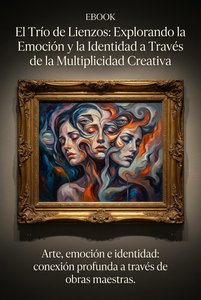 Drie Perspectieven, Één Ziel: De Emotionele Impact van Keuze in KunstreproductiesOntdek de emotionele impact van kunst! Lees over de psychologie achter reproducties en hoe kleur onze gevoelens beïnvloedt. Hoogwaardige ku…
 Mark Rothko's Top 25 Meesterwerken: Kleur, Emotie & Abstracte Kunst voor uw InterieurOntdek de top 25 meesterwerken van Mark Rothko! Duik diep in zijn emotionele kleurveldschilderijen en abstract expressionisme. Vind museumk…
 The Architecture of Emotion: A Connoisseur’s Guide to the Chromatic Sublimity of Mark RothkoExplore the profound emotional landscapes of Mark Rothko. An expert editorial on Color Field painting, decoding the spiritual depth, techni…