Menu
Text size

() ·

A painting made for you, by hand

Sacrifice

Handgemaakte olieverfreproductie

Met de hand geschilderd in olieverf op canvas in uw gewenste maat en lijst, op bestelling gemaakt door onze kunstenaars. ( Schakel over naar print Schakel over naar digitale afbeeldingen)

Beschrijving verzamelobject

Explore Mark Rothko’s ‘Sacrifice,’ a haunting abstract work featuring muted tones & fragmented figures. A surreal expressionist piece evoking isolation & mystery. #Rothko #AbstractArt

Biografie kunstenaar

Ontdek Mark Rothko (1903-1970), een Amerikaanse kunstenaar die kleurgebruik revolutioneerde en emotionele kunst creëerde met zijn iconische Color Field schilderijen & Abstract Expressionisme.

from ·

Chapter 1

How large should it be?

Slide to change the size; the picture on the left shows the frame at its real width. The proportions of the original are kept.

Standaardformaat
op maat gemaakt
CM
INCH

Kies uit onze vooraf ingestelde maten die overeenkomen met de originele verhoudingen van het kunstwerk.

breedte
hoogte

Voer de breedte en hoogte in die u nodig heeft, passend bij uw lijst of uw muur. Omdat dit handgeschilderd is, kan de kunstenaar bij een afmeting met een andere beeldverhouding iets meer rondom het schilderij schilderen of juist iets meer weglaten — u kiest zelf. Wij sturen u een digitaal mockup ter goedkeuring voordat het schilderwerk begint. De afbeelding die op deze pagina wordt getoond, is niet het uiteindelijke resultaat — alleen de mockup geeft dit weer.


Chapter 2

How should it arrive?

Choose the edges of the stretched canvas

Choose your frame

Corner sample of the WhiteWrap canvas edge finish, stretched on massief hout bars
White €1
Corner sample of the BlurSideWrap canvas edge finish, stretched on massief hout bars
Blurside €1
Corner sample of the ExtendedWrap canvas edge finish, stretched on massief hout bars
Extended €1
Corner sample of the P118B picture frame: gegoten polystyreen, 5 cm wide and 3 cm thick
P118B €10
Corner sample of the P118H picture frame: gegoten polystyreen, 5 cm wide and 3 cm thick
P118H €10
Corner sample of the P118W picture frame: gegoten polystyreen, 5 cm wide and 3 cm thick
P118W €10
Corner sample of the P438Z picture frame: gegoten polystyreen, 5.5 cm wide and 3.5 cm thick
P438Z €10
Corner sample of the P508JH picture frame: gegoten polystyreen, 7 cm wide and 3.5 cm thick
P508JH €12
Corner sample of the P508YH picture frame: gegoten polystyreen, 7 cm wide and 3.5 cm thick
P508YH €12
Corner sample of the P805H picture frame: gegoten polystyreen, 5 cm wide and 3.5 cm thick
P805H €10
Corner sample of the P805Z picture frame: gegoten polystyreen, 5 cm wide and 3.5 cm thick
P805Z €10
Corner sample of the P919BZ picture frame: gegoten polystyreen, 7 cm wide and 3.5 cm thick
P919BZ €10
Corner sample of the P919G picture frame: gegoten polystyreen, 7 cm wide and 3.5 cm thick
P919G €10
Corner sample of the P919XJ picture frame: gegoten polystyreen, 7 cm wide and 3.5 cm thick
P919XJ €10
Corner sample of the P959ZH picture frame: gegoten polystyreen, 5 cm wide and 3 cm thick
P959ZH €10
Corner sample of the P968JZ picture frame: gegoten polystyreen, 6 cm wide and 4 cm thick
P968JZ €12
Corner sample of the W106C picture frame: massief hout, 5 cm wide and 3 cm thick
W106C €8
Corner sample of the W218G picture frame: massief hout, 5 cm wide and 3 cm thick
W218G €10
Corner sample of the W218JH picture frame: massief hout, 5 cm wide and 3 cm thick
W218JH €8
Corner sample of the W218Y picture frame: massief hout, 5 cm wide and 3 cm thick
W218Y €10
Corner sample of the W307PJ picture frame: massief hout, 6 cm wide and 3 cm thick
W307PJ €10
Corner sample of the W316G picture frame: massief hout, 6 cm wide and 3 cm thick
W316G €10
Corner sample of the W316PJ picture frame: massief hout, 6 cm wide and 3 cm thick
W316PJ €8
Corner sample of the W316Y picture frame: massief hout, 6 cm wide and 3 cm thick
W316Y €10
Corner sample of the W398PJ picture frame: massief hout, 5 cm wide and 3 cm thick
W398PJ €8
Corner sample of the W4111J picture frame: massief hout, 6.5 cm wide and 3.5 cm thick
W4111J €10
Corner sample of the W500HY picture frame: massief hout, 7 cm wide and 5 cm thick
W500HY €15
Corner sample of the W500JH picture frame: massief hout, 7 cm wide and 5 cm thick
W500JH €15
Corner sample of the W692G picture frame: massief hout, 8 cm wide and 4 cm thick
W692G €12
Corner sample of the W849H picture frame: massief hout, 5 cm wide and 3 cm thick
W849H €8
Corner sample of the W940BG picture frame: massief hout, 7.5 cm wide and 4.5 cm thick
W940BG €15
Corner sample of the W953PJ picture frame: massief hout, 6 cm wide and 3.5 cm thick
W953PJ €8
Corner sample of the H24-GOLD picture frame: gesneden hout met gesso, 10 cm wide and 6 cm thick
H24-GOLD €30
Corner sample of the H24-SILVER picture frame: gesneden hout met gesso, 10 cm wide and 6 cm thick
H24-SILVER €30
Corner sample of the H36-GOLD picture frame: gesneden hout met gesso, 15 cm wide and 6.5 cm thick
H36-GOLD €45
Corner sample of the H36-SILVER picture frame: gesneden hout met gesso, 15 cm wide and 6.5 cm thick
H36-SILVER €45
Lijstvoorbeeld
Ingelijst

Moulding: . Overall size with the frame: .

Chapter 3

Who paints it, and should anything change?

Examples of what can be changed: Replace face with customer photo; Add pet (e.g., replace cat with dog); Include hidden message in background; Change background landscape or elements.
After order, OriginalUniqueArt.com team will email client for instructions and provide a mockup preview

Wereldwijde levering () binnen 3 tot 4 weken in plaats van de standaard 5 weken. (31 oktober). Zonder concessies aan de kwaliteit.

Chapter 4

The finishing touches

A nameplate, as in a museum?

Details van de gegraveerde bronzen plaat

This elegant plaque features the artist's name and the title of the artwork, finely engraved for a timeless presentation.

It is made from bronze with a refined, elegant finish. The text is precisely laser-engraved for a sharp and permanent result. Measuring 9x2 cm, the plaque is compact yet easy to read. It's built to be durable and scratch-resistant, offering a professional, museum-quality look. Mounting is simple thanks to the included adhesive backing.

Details transparante acrylplaat

The plaque includes essential engraved details such as the artist's name, the title of the artwork, the date it was created, the type of media used-like oil on canvas or watercolor-a brief description of the piece, and a QR code that links to the complete artwork information.

It is crafted from clear acrylic, offering a sleek, modern appearance. The text is UV-engraved in black to ensure strong visual contrast. With a size of 10x15 cm, it ensures optimal readability. It comes equipped with two metal hooks for secure wall mounting. The plaque is designed to be weather-resistant, making it suitable for various environments, and it includes interactive features that work seamlessly with smartphone scanning.

Details zwarte acrylplaat

This elegant plaque includes engraved information such as the artist's name, the title of the artwork, the date it was created, the type of media used (like oil on canvas or watercolor), a short description of the artwork, and a QR code for quick access to more information.

The plaque itself is made from refined black acrylic with a premium finish. The text is laser-engraved in white for high contrast and readability. Its size is 10x15 cm, designed to be easy to read. It comes with two metal hooks for professional mounting. The design is sleek and fits any interior style. It is also weather-resistant and durable, with built-in digital integration for mobile compatibility.

A protective varnish?

When do you need it?

Chapter 5

Your painting, as you ordered it

Sacrifice

Druktechniek

Afmetingen reproductie

-

Geselecteerde topkunstenaars

Meer detail, verfijning en extra productietijd

-

Lijst voor reproductie

-

-

Voor kunstwerken of reproducties die aan één zijde groter zijn dan 105 cm (ongeveer 41 inch), wordt de lijst als een losse set verzonden. Deze methode garandeert een veilige levering en voorkomt schade tijdens het transport.

Professionele montage vereist - dit is geen doe-het-zelfproduct.
De set moet worden gemonteerd en het canvas moet worden gespannen door een ervaren professionele lijstenmaker, met gebruik van houtlijm (niet inbegrepen), een doekspanter en klemmen om de sponningen recht te houden terwijl de lijm droogt. Onjuiste montage of een ongelijkmatige spanning op het canvas kan het kunstwerk permanent beschadigen en wordt niet gedekt door onze garantie.

  • Alle massief houten onderdelen zijn inbegrepen, nauwkeurig op maat gesneden voor montage.

  • Te monteren met de meegeleverde schroeven, plus houtlijm voor de hoekverbindingen, die niet wordt meegeleverd en door uw lijstenmaker moet worden aangeschaft.

  • Professioneel gereedschap is vereist en niet inbegrepen: een spanner voor canvas en klemmen om de latten recht te houden terwijl de lijm droogt.

Belangrijk:
De hoekverbindingen vereisen houtlijm, de latten moeten met lijmklemmen worden vastgehouden tot de lijm volledig is opgedroogd, en het spannen van het canvas op het samengestelde frame vereist een doekspanter. Geen van deze artikelen is inbegrepen in de set. Wij adviseren u om een ervaren professionele lijstenmaker te raadplegen voordat u deze maat bestelt.

Naamplaatje

-

-

Beschermende vernislaag

Glanzende vernis (versterkt de kleuren en biedt bescherming tegen licht en vocht)

-

Mijn kunstwerk aanpassen

Voorbeelden van aanpassingen: vervang het gezicht door een eigen foto; voeg een huisdier toe (bijv. vervang de kat door een hond); verwerk een verborgen boodschap in de achtergrond; wijzig het landschap of andere elementen op de achtergrond.

-

Spoedlevering

Wereldwijde levering () binnen 3 tot 4 weken in plaats van de standaard 5 weken. (31 oktober). Geen concessies aan de kwaliteit.

-

Spoedlevering

Wereldwijde levering naar binnen 5 weken. (7 november).

Inbegrepen

Eindtotaal

€ 266

Totaalprijs € 266

De optie voor glas is alleen beschikbaar bij een formaat kleiner dan 110 cm.

Included with every order

  • Gratis wereldwijde expressverzending
  • Hoogwaardig linnen canvas
  • Volledige verzendverzekering
  • Garantie op terugbetaling van invoerrechten
  • Garantie op exacte kleurweergave
  • Retourbeleid van 100 dagen (alleen bij defecten)
  • 100% Geld-terug-garantie
  • Korting bij meerdere afnames

A Descent into Pale Resonance: Unpacking Rothko’s ‘Sacrifice’

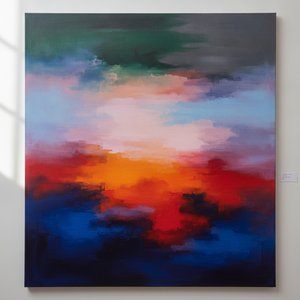
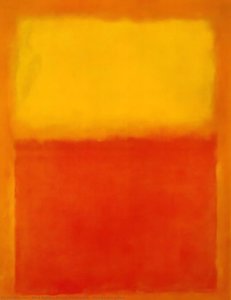
Mark Rothko's “Sacrifice,” painted in 1946, isn’t merely a canvas filled with color; it’s an immersion. The work immediately confronts the viewer with a profound sense of melancholy and quiet contemplation – a feeling that lingers long after the initial glance. Dominated by a palette of muted blues, grays, and ochres, the painting eschews sharp outlines or representational imagery, instead opting for a carefully orchestrated layering of translucent washes and subtle shifts in tone. It’s a landscape not of space, but of emotion, a visual embodiment of introspection.

Rothko's approach during this period – often referred to as his “Color Field” phase – was revolutionary. He moved away from figuration, believing that color itself could convey profound spiritual and emotional experiences. “Sacrifice,” like many works from this era, is built upon the principle of ‘all-over’ composition; every area of the canvas contributes to the overall effect, creating a sense of unity and dissolving any clear focal point. The fragmented figures, barely discernible within the washes of color, aren't portraits but rather echoes of humanity – suggestions of individuals caught in a moment of profound reflection or perhaps even sorrow.

The Language of Color: Technique and Process

The painting’s remarkable depth is achieved through Rothko’s masterful use of layering and glazing. He applied thin washes of color, allowing them to bleed into one another, creating a hazy, atmospheric effect. The surface isn't smooth; it retains the evidence of his process – visible brushstrokes and subtle variations in texture that add to the painting’s tactile quality. He employed a technique he called “veiling,” where layers of translucent color were applied over previous ones, subtly altering their hue and intensity. This created an illusion of depth and luminosity, as if the colors themselves were radiating light.

The choice of materials – watercolor and gouache on paper – is crucial to understanding the work’s ethereal quality. Watercolor's inherent fluidity lends itself perfectly to Rothko’s atmospheric style, while gouache provides a slightly more opaque layer, allowing him to control the intensity of color and create subtle gradations. The use of paper, rather than canvas, contributes to the painting’s intimate scale and delicate feel.

Symbolism and Emotional Weight

The title, “Sacrifice,” immediately invites interpretation. While Rothko rarely offered explicit explanations for his work, it's widely believed that this piece explores themes of loss, mortality, and spiritual yearning. The muted colors evoke a sense of sadness and resignation, while the fragmented figures suggest a search for meaning in a world often marked by suffering. Some art historians connect the painting to Rothko’s own personal experiences – his early losses, his displacement as a Jewish immigrant, and his lifelong struggle with existential questions.

Beyond individual interpretation, “Sacrifice” resonates on a broader level. The painting's ambiguity allows viewers to project their own emotions and experiences onto the canvas, creating a deeply personal connection. It’s a work that demands quiet contemplation, inviting us to confront our own mortality and grapple with the mysteries of existence.

A Legacy of Resonance

“Sacrifice” stands as a pivotal example of Rothko's mature style – a testament to his ability to transform simple colors into profound expressions of human emotion. Its enduring appeal lies in its capacity to evoke a wide range of responses, from melancholy and introspection to awe and wonder. Reproductions of this work continue to captivate audiences worldwide, serving as a reminder of the power of art to transcend language and connect us to something deeper within ourselves.

Veelgestelde vragen

Wie is de kunstenaar achter "Sacrifice"?

"Sacrifice" wordt toegeschreven aan Mark Rothko.

Bij welke kunststroming behoort "Sacrifice" door Mark Rothko?

De kunststroming die verbonden is aan "Sacrifice" door Mark Rothko is Abstract Expressionism. Deze classificatie plaatst het werk binnen een context van verwante kunstenaars en kunstwerken.

Welke afmeting wordt aanbevolen voor "Sacrifice" in een Living Room?

De aanbevolen combinatie voor "Sacrifice" door Mark Rothko: een afdruk van Large in een Living Room.

More about this painting

Voorvertoning Bekijk in AR Schakel over naar print Schakel over naar digitale afbeeldingen Verstuur
Details bekijken Gids Toevoegen aan favorieten Download Vergelijkbare items Röntgenonderzoek Diavoorstelling Q&A Statistieken

In numbers

  • 29frames to choose from
  • standard sizes, in its own proportions
  • 5weeks to paint and deliver it

About the original

Mark Rothko

Mark Rothko

1903 - 1970, Letland

Quick facts about Mark Rothko

  • Artistic Movement Or Style: Color Field Painting
  • Artists Or Movements Influenced By This Artist: ['Minimalisme']
  • Date Of Birth: 25 september 1903
  • Date Of Death: 25 februari 1970
  • Full Name: Mark Rothko
  • Nationality: Amerikaans
  • Notable Artworks:
    • No. 10 (1950)
    • Seagram Murals
  • Place Of Birth: Daugavpils, Letland

Biografie kunstenaar

Een Leven in Kleur: De Reis van Markus Rothkowitz tot Mark Rothko

Mark Rothko, geboren als Markus Yakovlevich Rothkowitz in 1903 in het Russische Dvinsk (het huidige Daugavpils, Letland), droeg al vroeg een gevoel van onthechting met zich mee dat zijn artistieke pad diepgaand zou beïnvloeden. Zijn jeugdjaren waren getekend door de onzekerheid van een Joods gezin in het Pale of Settlement, bedreigd door pogroms en politieke onrust. Deze atmosfeer schiep een intense gevoeligheid voor menselijk lijden, een thema dat als rode draad door zijn gehele oeuvre loopt. De emigratie naar Portland, Oregon in 1913 was niet slechts een geografische verandering; het betekende een culturele omwenteling voor de jonge Rothkowitz. Hoewel zijn vader, een apotheker en intellectueel met socialistische ideeën, een thuis creëerde waarin debat en kennis centraal stonden, wierp het vroege overlijden van Jacob Rothkowitz kort na aankomst een lange schaduw. Deze eerste ervaring met verlies, gecombineerd met de uitdagingen van assimilatie, voedde een levenslange zoektocht naar existentiële vragen – sterfelijkheid, trauma en de behoefte aan betekenis in een chaotische wereld. Ondanks zijn academisch succes aan Yale University voelde Rothko zich meer aangetrokken tot de bruisende energie van New York City, waar hij zijn passie voor kunst nastreefde op de Art Students League. Deze vormende jaren legden de basis voor een artistieke visie die conventionele noties over schilderkunst zou uitdagen en de emotionele kracht van kleur opnieuw zou definiëren.

Van Figuratieve Beginnen tot Abstract Expressionisme

Rothko’s eerste artistieke experimenten waren stevig geworteld in het realisme, met gedetailleerde weergaven van stedelijke scènes en portretten. Deze vroege werken verraadden echter al de psychologische diepgang die zo kenmerkend zou worden voor zijn latere stijl. Naarmate de jaren veertig naderden en de wereld worstelde met de verschrikkingen van de Tweede Wereldoorlog, onderging Rothko’s kunst een ingrijpende transformatie. Geïnspireerd door het surrealisme en mythologie begon hij zich af te keren van representatieve beelden, op zoek naar manieren om universele menselijke emoties uit te drukken door middel van symbolische vormen. Deze periode zag de opkomst van multi-vorm schilderijen – doeken bevolkt met ambigue, biomorfe figuren die leken te zweven tussen figuration en abstractie. Dit waren geen louter formele experimenten; het waren diep gevoelde reacties op de angst en onzekerheid van een wereld in oorlog. Tegen het einde van de jaren veertig had Rothko zijn kenmerkende stijl bereikt: grootschalige doeken met rechthoekige kleurblokken die leken te zweven en met elkaar te resoneren. Hij schrapte alle sporen van herkenbare beelden, waarbij hij zich uitsluitend richtte op de pure emotionele impact van kleur en vorm. Dit markeerde een cruciaal moment in de ontwikkeling van het Abstract Expressionisme en vestigde Rothko als een vooraanstaande figuur binnen deze baanbrekende beweging.

Het Kleurenveld en de Zoektocht naar Transcendentie

Rothko’s volwassen werk wordt gekenmerkt door wat bekend staat als “Color Field” schilderkunst – uitgestrekte vlakken van lichtgevende kleur die de toeschouwer omhullen in een meeslepende ervaring. Deze schilderijen gaan niet over *wat* ze afbeelden, maar eerder over *hoe* ze je laten voelen. Rothko geloofde dat kunst de toeschouwer direct moest aanspreken, zonder intellectuele analyse en rechtstreeks op de emoties inwerkend. Hij legde minutieus dunne lagen verf aan, waardoor subtiele variaties in toon en textuur ontstonden die leken voort te komen uit het doek zelf. De randen van zijn rechthoekige vormen zijn vaak vervaagd, waardoor ze met elkaar versmelten en interageren, wat een gevoel van diepte en beweging creëert. Rothko vermeed bewust titels voorbij nummers – “No. 1”, “No. 6” – om toeschouwers aan te moedigen de schilderijen zonder vooroordelen te benaderen en hun eigen emotionele reacties te laten leiden. Hij zocht een ruimte voor contemplatie, een heiligdom waar toeschouwers in contact konden komen met iets groters dan zichzelf. Zijn ambitie was niets minder dan het oproepen van diepe spirituele ervaringen door middel van de taal van kleur.

Belangrijkste Prestaties en Blijvende Erfenis

Tot Rothko’s belangrijkste prestaties behoren “No. 10 (1950)”, een cruciaal werk dat zijn evoluerende stijl illustreert, en de Seagram Murals (1958). In opdracht van het Four Seasons Restaurant in New York City werden deze muurschilderingen uiteindelijk afgewezen door Rothko, die vond dat ze zouden worden aangetast door hun beoogde omgeving. Hij schonk ze vervolgens aan de Tate Gallery in Londen, waar ze tot op de dag van vandaag ontzag en contemplatie blijven inspireren. Misschien was zijn meest ambitieuze project de Rothko Chapel (1971) in Houston, Texas – een niet-confessioneel heiligdom met veertien van zijn schilderijen. Ontworpen als een ruimte voor stille reflectie, wordt de kapel door velen beschouwd als een heilige plaats, die Rothko’s geloof in de spirituele kracht van kunst belichaamt. Rothko's invloed op latere generaties kunstenaars is enorm geweest. Hij baande de weg voor het Minimalisme en blijft hedendaagse schilders inspireren die de emotionele mogelijkheden van abstractie onderzoeken. Ondanks dat hij zijn hele leven worstelde met depressie, wat culmineerde in zijn tragische zelfmoord in 1970, is Mark Rothko een van de belangrijkste en invloedrijkste kunstenaars van de twintigste eeuw gebleven – een meester van kleur wiens werk nog steeds resoneert bij publiek over de hele wereld.

De Blijvende Kracht van Emotionele Resonantie

  • Rothko’s schilderijen worden geprezen om hun vermogen universele menselijke emoties over te brengen – tragedie, extase, wanhoop en hoop.
  • Zijn verkenning van kleur als drager van emotionele expressie heeft de abstracte schilderkunst gerevolutioneerd.
  • De Rothko Chapel staat als een getuigenis van zijn geloof in de spirituele kracht van kunst.
  • Hij blijft een sleutelfiguur binnen het Abstract Expressionisme en een belangrijke inspiratiebron voor hedendaagse kunstenaars.
Rothko’s erfenis reikt verder dan de geschiedenis van de kunst. Zijn werk nodigt ons uit om onze eigen sterfelijkheid onder ogen te zien, met de complexiteit van het menselijk bestaan te worstelen en betekenis te zoeken in een wereld die vaak leeg lijkt. Hij herinnert ons eraan dat kunst niet alleen over esthetiek gaat; het gaat over verbinding – verbinding met onszelf, met anderen en met iets groters dan onszelf. De blijvende kracht van zijn schilderijen ligt in hun vermogen om deze diepe emoties op te roepen, troost, inspiratie en een glimp van de diepten van de menselijke ziel te bieden.

Snelle feiten

  • Title: Sacrifice
  • Notable elements: Fragmented figures
  • Influences: Rothko's work
  • Subject or theme: Existential themes
  • Dimensions: 39.7 x 25.8 in
  • Year: 1946

Kunstquiz

Er is slechts één goed antwoord op elke vraag.

Vraag 1:
What is the primary style of Mark Rothko’s ‘Sacrifice’?
Vraag 2:
The color palette in 'Sacrifice' is predominantly:
Vraag 3:
According to the description, what technique appears to have been used in creating ‘Sacrifice’?
Vraag 4:
Mark Rothko was born in:
Vraag 5:
The description suggests that ‘Sacrifice’ evokes feelings of: