Menu

() ·

A painting made for you, by hand

No.10

Handgemaakte olieverfreproductie

Met de hand geschilderd in olieverf op canvas in uw gewenste maat en lijst, op bestelling gemaakt door onze kunstenaars. ( Schakel over naar print Schakel over naar digitale afbeeldingen)

Beschrijving verzamelobject

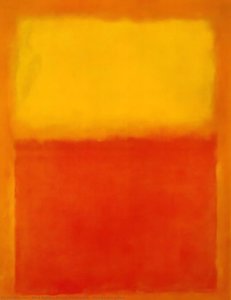
Experience the profound emotional depth of Mark Rothko's 1950 masterpiece No. 10, a luminous color field painting featuring vibrant yellow and blue stripes that invites you to bring this iconic Abstract Expressionist work home.

Biografie kunstenaar

Ontdek Mark Rothko (1903-1970), een Amerikaanse kunstenaar die kleurgebruik revolutioneerde en emotionele kunst creëerde met zijn iconische Color Field schilderijen & Abstract Expressionisme.

from ·

Chapter 1

How large should it be?

Slide to change the size; the picture on the left shows the frame at its real width. The proportions of the original are kept.

Standaardformaat
op maat gemaakt
CM
INCH

Kies uit onze vooraf ingestelde maten die overeenkomen met de originele verhoudingen van het kunstwerk.

breedte
hoogte

Voer de breedte en hoogte in die u nodig heeft, passend bij uw lijst of uw muur. Omdat dit handgeschilderd is, kan de kunstenaar bij een afmeting met een andere beeldverhouding iets meer rondom het schilderij schilderen of juist iets meer weglaten — u kiest zelf. Wij sturen u een digitaal mockup ter goedkeuring voordat het schilderwerk begint. De afbeelding die op deze pagina wordt getoond, is niet het uiteindelijke resultaat — alleen de mockup geeft dit weer.


Chapter 2

How should it arrive?

Choose the edges of the stretched canvas

Choose your frame

Corner sample of the WhiteWrap canvas edge finish, stretched on massief hout bars
White €1
Corner sample of the BlurSideWrap canvas edge finish, stretched on massief hout bars
Blurside €1
Corner sample of the ExtendedWrap canvas edge finish, stretched on massief hout bars
Extended €1
Corner sample of the P118B picture frame: gegoten polystyreen, 5 cm wide and 3 cm thick
P118B €10
Corner sample of the P118H picture frame: gegoten polystyreen, 5 cm wide and 3 cm thick
P118H €10
Corner sample of the P118W picture frame: gegoten polystyreen, 5 cm wide and 3 cm thick
P118W €10
Corner sample of the P438Z picture frame: gegoten polystyreen, 5.5 cm wide and 3.5 cm thick
P438Z €10
Corner sample of the P508JH picture frame: gegoten polystyreen, 7 cm wide and 3.5 cm thick
P508JH €12
Corner sample of the P508YH picture frame: gegoten polystyreen, 7 cm wide and 3.5 cm thick
P508YH €12
Corner sample of the P805H picture frame: gegoten polystyreen, 5 cm wide and 3.5 cm thick
P805H €10
Corner sample of the P805Z picture frame: gegoten polystyreen, 5 cm wide and 3.5 cm thick
P805Z €10
Corner sample of the P919BZ picture frame: gegoten polystyreen, 7 cm wide and 3.5 cm thick
P919BZ €10
Corner sample of the P919G picture frame: gegoten polystyreen, 7 cm wide and 3.5 cm thick
P919G €10
Corner sample of the P919XJ picture frame: gegoten polystyreen, 7 cm wide and 3.5 cm thick
P919XJ €10
Corner sample of the P959ZH picture frame: gegoten polystyreen, 5 cm wide and 3 cm thick
P959ZH €10
Corner sample of the P968JZ picture frame: gegoten polystyreen, 6 cm wide and 4 cm thick
P968JZ €12
Corner sample of the W106C picture frame: massief hout, 5 cm wide and 3 cm thick
W106C €8
Corner sample of the W218G picture frame: massief hout, 5 cm wide and 3 cm thick
W218G €10
Corner sample of the W218JH picture frame: massief hout, 5 cm wide and 3 cm thick
W218JH €8
Corner sample of the W218Y picture frame: massief hout, 5 cm wide and 3 cm thick
W218Y €10
Corner sample of the W307PJ picture frame: massief hout, 6 cm wide and 3 cm thick
W307PJ €10
Corner sample of the W316G picture frame: massief hout, 6 cm wide and 3 cm thick
W316G €10
Corner sample of the W316PJ picture frame: massief hout, 6 cm wide and 3 cm thick
W316PJ €8
Corner sample of the W316Y picture frame: massief hout, 6 cm wide and 3 cm thick
W316Y €10
Corner sample of the W398PJ picture frame: massief hout, 5 cm wide and 3 cm thick
W398PJ €8
Corner sample of the W4111J picture frame: massief hout, 6.5 cm wide and 3.5 cm thick
W4111J €10
Corner sample of the W500HY picture frame: massief hout, 7 cm wide and 5 cm thick
W500HY €15
Corner sample of the W500JH picture frame: massief hout, 7 cm wide and 5 cm thick
W500JH €15
Corner sample of the W692G picture frame: massief hout, 8 cm wide and 4 cm thick
W692G €12
Corner sample of the W849H picture frame: massief hout, 5 cm wide and 3 cm thick
W849H €8
Corner sample of the W940BG picture frame: massief hout, 7.5 cm wide and 4.5 cm thick
W940BG €15
Corner sample of the W953PJ picture frame: massief hout, 6 cm wide and 3.5 cm thick
W953PJ €8
Corner sample of the H24-GOLD picture frame: gesneden hout met gesso, 10 cm wide and 6 cm thick
H24-GOLD €30
Corner sample of the H24-SILVER picture frame: gesneden hout met gesso, 10 cm wide and 6 cm thick
H24-SILVER €30
Corner sample of the H36-GOLD picture frame: gesneden hout met gesso, 15 cm wide and 6.5 cm thick
H36-GOLD €45
Corner sample of the H36-SILVER picture frame: gesneden hout met gesso, 15 cm wide and 6.5 cm thick
H36-SILVER €45
Lijstvoorbeeld
Ingelijst

Moulding: . Overall size with the frame: .

Chapter 3

Who paints it, and should anything change?

Examples of what can be changed: Replace face with customer photo; Add pet (e.g., replace cat with dog); Include hidden message in background; Change background landscape or elements.
After order, OriginalUniqueArt.com team will email client for instructions and provide a mockup preview

Wereldwijde levering () binnen 3 tot 4 weken in plaats van de standaard 5 weken. (29 oktober). Zonder concessies aan de kwaliteit.

Chapter 4

The finishing touches

A nameplate, as in a museum?

Details van de gegraveerde bronzen plaat

This elegant plaque features the artist's name and the title of the artwork, finely engraved for a timeless presentation.

It is made from bronze with a refined, elegant finish. The text is precisely laser-engraved for a sharp and permanent result. Measuring 9x2 cm, the plaque is compact yet easy to read. It's built to be durable and scratch-resistant, offering a professional, museum-quality look. Mounting is simple thanks to the included adhesive backing.

Details transparante acrylplaat

The plaque includes essential engraved details such as the artist's name, the title of the artwork, the date it was created, the type of media used-like oil on canvas or watercolor-a brief description of the piece, and a QR code that links to the complete artwork information.

It is crafted from clear acrylic, offering a sleek, modern appearance. The text is UV-engraved in black to ensure strong visual contrast. With a size of 10x15 cm, it ensures optimal readability. It comes equipped with two metal hooks for secure wall mounting. The plaque is designed to be weather-resistant, making it suitable for various environments, and it includes interactive features that work seamlessly with smartphone scanning.

Details zwarte acrylplaat

This elegant plaque includes engraved information such as the artist's name, the title of the artwork, the date it was created, the type of media used (like oil on canvas or watercolor), a short description of the artwork, and a QR code for quick access to more information.

The plaque itself is made from refined black acrylic with a premium finish. The text is laser-engraved in white for high contrast and readability. Its size is 10x15 cm, designed to be easy to read. It comes with two metal hooks for professional mounting. The design is sleek and fits any interior style. It is also weather-resistant and durable, with built-in digital integration for mobile compatibility.

A protective varnish?

When do you need it?

Chapter 5

Your painting, as you ordered it

No.10

Druktechniek

Afmetingen reproductie

-

Geselecteerde topkunstenaars

Meer detail, verfijning en extra productietijd

-

Lijst voor reproductie

-

-

Voor kunstwerken of reproducties die aan één zijde groter zijn dan 105 cm (ongeveer 41 inch), wordt de lijst als een losse set verzonden. Deze methode garandeert een veilige levering en voorkomt schade tijdens het transport.

Professionele montage vereist - dit is geen doe-het-zelfproduct.
De set moet worden gemonteerd en het canvas moet worden gespannen door een ervaren professionele lijstenmaker, met gebruik van houtlijm (niet inbegrepen), een doekspanter en klemmen om de sponningen recht te houden terwijl de lijm droogt. Onjuiste montage of een ongelijkmatige spanning op het canvas kan het kunstwerk permanent beschadigen en wordt niet gedekt door onze garantie.

  • Alle massief houten onderdelen zijn inbegrepen, nauwkeurig op maat gesneden voor montage.

  • Te monteren met de meegeleverde schroeven, plus houtlijm voor de hoekverbindingen, die niet wordt meegeleverd en door uw lijstenmaker moet worden aangeschaft.

  • Professioneel gereedschap is vereist en niet inbegrepen: een spanner voor canvas en klemmen om de latten recht te houden terwijl de lijm droogt.

Belangrijk:
De hoekverbindingen vereisen houtlijm, de latten moeten met lijmklemmen worden vastgehouden tot de lijm volledig is opgedroogd, en het spannen van het canvas op het samengestelde frame vereist een doekspanter. Geen van deze artikelen is inbegrepen in de set. Wij adviseren u om een ervaren professionele lijstenmaker te raadplegen voordat u deze maat bestelt.

Naamplaatje

-

-

Beschermende vernislaag

Glanzende vernis (versterkt de kleuren en biedt bescherming tegen licht en vocht)

-

Mijn kunstwerk aanpassen

Voorbeelden van aanpassingen: vervang het gezicht door een eigen foto; voeg een huisdier toe (bijv. vervang de kat door een hond); verwerk een verborgen boodschap in de achtergrond; wijzig het landschap of andere elementen op de achtergrond.

-

Spoedlevering

Wereldwijde levering () binnen 3 tot 4 weken in plaats van de standaard 5 weken. (29 oktober). Geen concessies aan de kwaliteit.

-

Spoedlevering

Wereldwijde levering naar binnen 5 weken. (5 november).

Inbegrepen

Eindtotaal

€ 265

Totaalprijs € 265

De optie voor glas is alleen beschikbaar bij een formaat kleiner dan 110 cm.

Included with every order

  • Gratis wereldwijde expressverzending
  • Hoogwaardig linnen canvas
  • Volledige verzendverzekering
  • Garantie op terugbetaling van invoerrechten
  • Garantie op exacte kleurweergave
  • Retourbeleid van 100 dagen (alleen bij defecten)
  • 100% Geld-terug-garantie
  • Korting bij meerdere afnames

No.10 by Mark Rothko

Mark Rothko’s *No. 10* stands as an emblem of Color Field painting, encapsulating the artist's profound philosophical stance and masterful execution. Created in 1950 during a pivotal moment in Abstract Expressionism, this artwork transcends mere visual representation; it strives to evoke emotion and contemplation through its deceptively simple forms—large rectangular blocks of color juxtaposed against each other. As evidenced on OriginalUniqueArt.com, the painting’s luminous hues and subtle textures resonate with a timeless beauty that continues to captivate audiences today.

Artistic Style and Technique

Rothko's distinctive approach—characterized by monumental canvases dominated by amorphous color fields—was rooted in his belief that art should bypass intellect and speak directly to the viewer’s subconscious. He meticulously applied layers of pigment, achieving a velvety surface quality known as “burnishing,” which intensified the colors and created an illusion of depth. This technique, championed by luminaries like Josef Albers and Hans Hofmann, aimed to immerse the observer in a sensory experience akin to meditation. The No. 10 painting exemplifies this ethos perfectly, mirroring Rothko’s conviction that color alone could convey profound emotional truths. As elaborated in Mastering the Art of Oil Painting Reproductions, Rothko’s meticulous layering process ensured that each brushstroke contributed to the overall luminosity and textural richness of the composition. Key Features of *No. 10* include:
  • A dominant yellow background subtly interwoven with horizontal blue stripes—a deliberate contrast designed to stimulate visual perception and evoke feelings of serenity and melancholy.
  • The expansive rectangular planes of color, positioned close together, create a sense of intimacy and envelop the viewer in their radiant glow.
  • Rothko’s masterful use of pigment—primarily cadmium yellow hue and ultramarine blue—captures the essence of Color Field painting's expressive power.

The painting’s genesis lies within Rothko’s exploration of existential themes, reflecting his preoccupation with mortality and spirituality. Influenced by thinkers like Søren Kierkegaard and Friedrich Nietzsche, Rothko sought to express profound emotions—such as grief, joy, and awe—without resorting to figurative imagery.

Historical Context

*No. 10* emerged during the Second World War, a period marked by anxiety and uncertainty. Rothko’s artistic response mirrored the broader cultural mood of disillusionment, rejecting traditional representational art in favor of abstract forms that prioritized feeling over factual accuracy. This decision aligns with the broader trajectory of Abstract Expressionism—a movement that sought to liberate painting from constraints imposed by Western European tradition.

As documented in Wikipedia, Rothko’s work has been subjected to extensive scholarly debate and interpretation. Critics have analyzed the painting's chromatic harmonies, compositional structure, and psychological impact—attempting to decipher its hidden meanings and unlock its emotional resonance.

Conclusion

*No. 10* remains a testament to Mark Rothko’s artistic vision—a masterpiece of Color Field painting that continues to inspire admiration and contemplation. Its luminous hues, expansive planes of color, and understated elegance encapsulate the core tenets of Rothko's aesthetic philosophy. As showcased on OriginalUniqueArt.com, meticulously crafted oil painting reproductions of *No. 10* are available for purchase—allowing art enthusiasts to experience the transformative power of Rothko’s iconic artwork firsthand.

For deeper insights into Mark Rothko's life and artistic journey, consult Tate Gallery or explore his biography on Wikipedia.

Veelgestelde vragen

Welke kleur domineert de compositie van "No.10" door Mark Rothko?

De kleur die het meest opvalt in "No.10" is Bronze (#bc9f0f). De dominante kleur is handig bij het afstemmen van een kunstwerk op een interieur.

Hoe kan ik een print van "No.10" door Mark Rothko verkrijgen?

"No.10" is verkrijgbaar als een fine art print op katoenen canvas of archiefwaardig canvaspapier. U kunt uw bestelling plaatsen op de Fine Art Print pagina, in de afmeting naar keuze.

Kan ik een olieverfreproductie van "No.10" bestellen?

Handgeschilderde reproducties van "No.10" door Mark Rothko zijn verkrijgbaar via deze website: een met de hand geschilderde olieverfreproductie op linnen canvas, te bestellen op de Handgeschilderde reproductie pagina.

More about this painting

Voorvertoning Bekijk in AR Schakel over naar print Schakel over naar digitale afbeeldingen Verstuur
Details bekijken Gids Toevoegen aan favorieten Download Vergelijkbare items Röntgenonderzoek Diavoorstelling Q&A Statistieken

In numbers

  • 1950the year it was painted
  • 29frames to choose from
  • standard sizes, in its own proportions
  • 5weeks to paint and deliver it

About the original

Mark Rothko

Mark Rothko

1903 - 1970, Letland

Quick facts about Mark Rothko

  • Artistic Movement Or Style: Color Field Painting
  • Artists Or Movements Influenced By This Artist: ['Minimalisme']
  • Date Of Birth: 25 september 1903
  • Date Of Death: 25 februari 1970
  • Full Name: Mark Rothko
  • Nationality: Amerikaans
  • Notable Artworks:
    • No. 10 (1950)
    • Seagram Murals
  • Place Of Birth: Daugavpils, Letland

Biografie kunstenaar

Een Leven in Kleur: De Reis van Markus Rothkowitz tot Mark Rothko

Mark Rothko, geboren als Markus Yakovlevich Rothkowitz in 1903 in het Russische Dvinsk (het huidige Daugavpils, Letland), droeg al vroeg een gevoel van onthechting met zich mee dat zijn artistieke pad diepgaand zou beïnvloeden. Zijn jeugdjaren waren getekend door de onzekerheid van een Joods gezin in het Pale of Settlement, bedreigd door pogroms en politieke onrust. Deze atmosfeer schiep een intense gevoeligheid voor menselijk lijden, een thema dat als rode draad door zijn gehele oeuvre loopt. De emigratie naar Portland, Oregon in 1913 was niet slechts een geografische verandering; het betekende een culturele omwenteling voor de jonge Rothkowitz. Hoewel zijn vader, een apotheker en intellectueel met socialistische ideeën, een thuis creëerde waarin debat en kennis centraal stonden, wierp het vroege overlijden van Jacob Rothkowitz kort na aankomst een lange schaduw. Deze eerste ervaring met verlies, gecombineerd met de uitdagingen van assimilatie, voedde een levenslange zoektocht naar existentiële vragen – sterfelijkheid, trauma en de behoefte aan betekenis in een chaotische wereld. Ondanks zijn academisch succes aan Yale University voelde Rothko zich meer aangetrokken tot de bruisende energie van New York City, waar hij zijn passie voor kunst nastreefde op de Art Students League. Deze vormende jaren legden de basis voor een artistieke visie die conventionele noties over schilderkunst zou uitdagen en de emotionele kracht van kleur opnieuw zou definiëren.

Van Figuratieve Beginnen tot Abstract Expressionisme

Rothko’s eerste artistieke experimenten waren stevig geworteld in het realisme, met gedetailleerde weergaven van stedelijke scènes en portretten. Deze vroege werken verraadden echter al de psychologische diepgang die zo kenmerkend zou worden voor zijn latere stijl. Naarmate de jaren veertig naderden en de wereld worstelde met de verschrikkingen van de Tweede Wereldoorlog, onderging Rothko’s kunst een ingrijpende transformatie. Geïnspireerd door het surrealisme en mythologie begon hij zich af te keren van representatieve beelden, op zoek naar manieren om universele menselijke emoties uit te drukken door middel van symbolische vormen. Deze periode zag de opkomst van multi-vorm schilderijen – doeken bevolkt met ambigue, biomorfe figuren die leken te zweven tussen figuration en abstractie. Dit waren geen louter formele experimenten; het waren diep gevoelde reacties op de angst en onzekerheid van een wereld in oorlog. Tegen het einde van de jaren veertig had Rothko zijn kenmerkende stijl bereikt: grootschalige doeken met rechthoekige kleurblokken die leken te zweven en met elkaar te resoneren. Hij schrapte alle sporen van herkenbare beelden, waarbij hij zich uitsluitend richtte op de pure emotionele impact van kleur en vorm. Dit markeerde een cruciaal moment in de ontwikkeling van het Abstract Expressionisme en vestigde Rothko als een vooraanstaande figuur binnen deze baanbrekende beweging.

Het Kleurenveld en de Zoektocht naar Transcendentie

Rothko’s volwassen werk wordt gekenmerkt door wat bekend staat als “Color Field” schilderkunst – uitgestrekte vlakken van lichtgevende kleur die de toeschouwer omhullen in een meeslepende ervaring. Deze schilderijen gaan niet over *wat* ze afbeelden, maar eerder over *hoe* ze je laten voelen. Rothko geloofde dat kunst de toeschouwer direct moest aanspreken, zonder intellectuele analyse en rechtstreeks op de emoties inwerkend. Hij legde minutieus dunne lagen verf aan, waardoor subtiele variaties in toon en textuur ontstonden die leken voort te komen uit het doek zelf. De randen van zijn rechthoekige vormen zijn vaak vervaagd, waardoor ze met elkaar versmelten en interageren, wat een gevoel van diepte en beweging creëert. Rothko vermeed bewust titels voorbij nummers – “No. 1”, “No. 6” – om toeschouwers aan te moedigen de schilderijen zonder vooroordelen te benaderen en hun eigen emotionele reacties te laten leiden. Hij zocht een ruimte voor contemplatie, een heiligdom waar toeschouwers in contact konden komen met iets groters dan zichzelf. Zijn ambitie was niets minder dan het oproepen van diepe spirituele ervaringen door middel van de taal van kleur.

Belangrijkste Prestaties en Blijvende Erfenis

Tot Rothko’s belangrijkste prestaties behoren “No. 10 (1950)”, een cruciaal werk dat zijn evoluerende stijl illustreert, en de Seagram Murals (1958). In opdracht van het Four Seasons Restaurant in New York City werden deze muurschilderingen uiteindelijk afgewezen door Rothko, die vond dat ze zouden worden aangetast door hun beoogde omgeving. Hij schonk ze vervolgens aan de Tate Gallery in Londen, waar ze tot op de dag van vandaag ontzag en contemplatie blijven inspireren. Misschien was zijn meest ambitieuze project de Rothko Chapel (1971) in Houston, Texas – een niet-confessioneel heiligdom met veertien van zijn schilderijen. Ontworpen als een ruimte voor stille reflectie, wordt de kapel door velen beschouwd als een heilige plaats, die Rothko’s geloof in de spirituele kracht van kunst belichaamt. Rothko's invloed op latere generaties kunstenaars is enorm geweest. Hij baande de weg voor het Minimalisme en blijft hedendaagse schilders inspireren die de emotionele mogelijkheden van abstractie onderzoeken. Ondanks dat hij zijn hele leven worstelde met depressie, wat culmineerde in zijn tragische zelfmoord in 1970, is Mark Rothko een van de belangrijkste en invloedrijkste kunstenaars van de twintigste eeuw gebleven – een meester van kleur wiens werk nog steeds resoneert bij publiek over de hele wereld.

De Blijvende Kracht van Emotionele Resonantie

  • Rothko’s schilderijen worden geprezen om hun vermogen universele menselijke emoties over te brengen – tragedie, extase, wanhoop en hoop.
  • Zijn verkenning van kleur als drager van emotionele expressie heeft de abstracte schilderkunst gerevolutioneerd.
  • De Rothko Chapel staat als een getuigenis van zijn geloof in de spirituele kracht van kunst.
  • Hij blijft een sleutelfiguur binnen het Abstract Expressionisme en een belangrijke inspiratiebron voor hedendaagse kunstenaars.
Rothko’s erfenis reikt verder dan de geschiedenis van de kunst. Zijn werk nodigt ons uit om onze eigen sterfelijkheid onder ogen te zien, met de complexiteit van het menselijk bestaan te worstelen en betekenis te zoeken in een wereld die vaak leeg lijkt. Hij herinnert ons eraan dat kunst niet alleen over esthetiek gaat; het gaat over verbinding – verbinding met onszelf, met anderen en met iets groters dan onszelf. De blijvende kracht van zijn schilderijen ligt in hun vermogen om deze diepe emoties op te roepen, troost, inspiratie en een glimp van de diepten van de menselijke ziel te bieden.

Snelle feiten

  • Location: Tate Gallery
  • Year: 1950
  • Movement: Abstract Expressionism
  • Artist: Mark Rothko
  • Medium: Oil on canvas

Kunstquiz

Er is slechts één goed antwoord op elke vraag.

Vraag 1:
What artistic movement is Mark Rothko’s ‘No.10’ primarily associated with?
Vraag 2:
In what year was ‘No.10’ created?
Vraag 3:
What is the dominant color scheme of ‘No.10’?
Vraag 4:
‘No.10’ exemplifies Rothko's technique of applying paint to achieve what effect?
Vraag 5:
Where was ‘No.10’ exhibited initially?