
 Verstuur
 Delen
Delen
 Details bekijken

 Download
 Vergelijkbare items
 Diavoorstelling
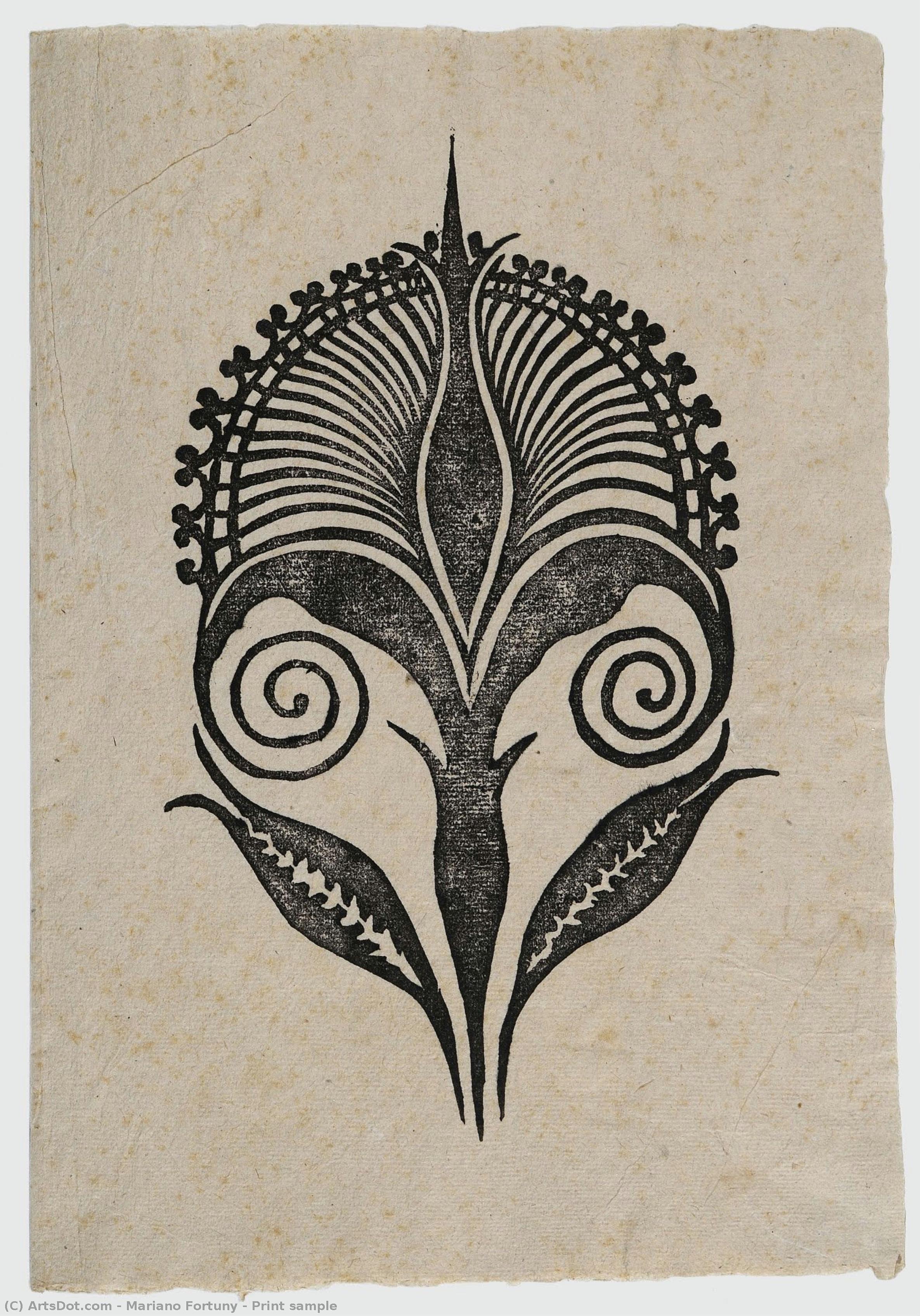
Print sample
 Giclée Print
- Digital
- Art Nouveau
 1905
1905- 19th Century
 39.0 x 27.0 cm
 Palazzo Fortuny
 Lees meer
Handgemaakte olieverfreproductie
Met de hand geschilderd in olieverf op canvas in uw gewenste maat en lijst, op bestelling gemaakt door onze kunstenaars. ( Bestel print Koop afbeelding)




































Kies uit onze vooraf ingestelde maten die overeenkomen met de originele verhoudingen van het kunstwerk.

U kunt uw eigen afmetingen invoeren om in een specifieke lijst of ruimte te passen. Als de door u gekozen maat niet overeenkomt met de verhoudingen van het originele beeld, zullen we het kunstwerk bijsnijden of het schilderij uitbreiden met extra handgeschilderde elementen. Een digitale mockup wordt ter goedkeuring naar u verzonden voordat de productie begint.
Houd er rekening mee dat de preview op het scherm niet de werkelijke uitsnede of uitbreiding weergeeft. Alleen de mockup toont de uiteindelijke compositie nauwkeurig.
Hoewel aangepaste afmetingen mogelijk zijn, raden we aan een maat uit de vooraf gedefinieerde lijst te selecteren om de originele verhoudingen te behouden.
Na de bestelling zal het team van OriginalUniqueArt.com per e-mail contact opnemen met de klant voor instructies en een mockup-voorbeeld sturen.
Wereldwijde levering () binnen 3 tot 4 weken in plaats van de standaard 5 weken. (18 augustus). Zonder concessies aan de kwaliteit.

Gratis wereldwijde expressverzending

Hoogwaardig linnen canvas

Volledige verzendverzekering

Garantie op terugbetaling van invoerrechten

Garantie op exacte kleurweergave

Retourbeleid van 60 dagen (alleen bij defecten)

100% Geld-terug-garantie

Korting bij meerdere afnames
 De optie voor glas is alleen beschikbaar bij een formaat kleiner dan 110 cm.

Print sample
Druktechniek
Afmetingen reproductie
-


Eindtotaal
$ 300
Beschrijving kunstwerk
Mariano Fortuny’s “Print Sample”: A Whisper of Venetian Ornamentation
The photograph captures a meticulously crafted print by Mariano Fortuny y Marsal, a Spanish artist who irrevocably altered the landscape of theatrical design and textile artistry. Executed around 1905 in tempera on paper – measuring 396 × 275 mm – “Print Sample” embodies Fortuny’s signature blend of Orientalist influences and geometric precision, offering a glimpse into his artistic vision during a pivotal moment in European art history. Its muted palette and subtle tonal variations speak volumes about the artist's mastery of technique and his dedication to capturing an ethereal beauty.Composition & Technique: Spirals Within Spirals
The print’s central motif is dominated by swirling, spiral patterns emanating from a prominent apex at the top. These spirals gracefully descend towards pointed extensions at the bottom, creating a dynamic visual rhythm that draws the eye inwards. Fine lines weave throughout the design, establishing an intricate framework and contributing to a palpable sense of delicacy. The artist skillfully employs repetition—the spiraling forms reappear across multiple layers—to amplify their impact and generate an illusion of depth. This technique aligns perfectly with Fortuny’s pioneering work in cyclorama projection, where he sought to simulate natural light and create immersive theatrical experiences.Historical Context & Artistic Style: Art Nouveau's Delicate Embrace
Fortuny’s artistic output flourished during the Belle Époque, a period characterized by opulent ornamentation and fascination with exotic cultures—particularly Persia and Morocco. “Print Sample” reflects this aesthetic sensibility through its organic lines reminiscent of Art Nouveau, prioritizing flowing curves and vegetal motifs. The stylized mask-like form at the core of the design carries symbolic weight, hinting at themes of identity, concealment, and ritualistic contemplation – concepts prevalent in Eastern artistic traditions. Fortuny’s meticulous attention to detail—evident in the paper's grain texture and subtle tonal variations—underscores his commitment to capturing a refined aesthetic ideal.Symbolism & Emotional Resonance: An Echo of Transformation
Beyond its formal qualities, “Print Sample” evokes an emotional response rooted in notions of metamorphosis and ethereal beauty. The spiraling patterns symbolize movement, dynamism, and the cyclical nature of existence – mirroring Fortuny’s fascination with natural phenomena and his belief in the transformative power of art. Viewing this print is akin to embarking on a visual journey—a contemplation of form, texture, and subtle color harmonies that linger long after the gaze has moved on. It stands as testament to Fortuny's ability to distill complex ideas into deceptively simple yet profoundly evocative imagery.Materials & Reproduction Considerations
The print itself utilizes tempera paint on paper – a medium favored by Fortuny for its luminosity and ability to achieve nuanced tonal gradations. Reproductions should prioritize archival quality paper stock and pigment inks to faithfully preserve the original artwork's delicate surface texture and subtle color palette. Selecting a reputable printing house ensures that collectors experience the same captivating visual impact as Fortuny himself intended, transporting them into the heart of Venetian artistic innovation.Biografie van de kunstenaar
Early Life and Inspiration
Mariano Fortuny, a name synonymous with theatrical innovation and opulent textiles, was born in Reus, Catalonia, Spain, on May 11, 1871. His early life was marked by profound loss – his father, Mariano Fortuny y Marsal, a respected genre painter, tragically passed away when the young boy was just three years old. This event spurred the family’s relocation to Paris, France, where his mother, a woman of considerable artistic sensibility, introduced him to the world of textiles and fabrics, an influence that would profoundly shape his future creative endeavors. From a remarkably young age, Fortuny demonstrated a prodigious talent for various art forms: he excelled in painting, photography, sculpting, architecture, etching, and even theatrical stage lighting design. His early years were steeped in artistic exploration, laying the foundation for his later revolutionary contributions.Artistic Talents and Revolutionary Inventions
Fortuny’s artistic journey was characterized by a relentless pursuit of innovation. He quickly established himself as a skilled painter, demonstrating an ability to capture both realistic detail and evocative atmosphere. However, it was his inventive spirit that truly set him apart. Between 1901 and 1934, Fortuny patented over twenty groundbreaking inventions, fundamentally altering the landscape of theatrical design. Perhaps his most celebrated creation is the “fortuny cyclorama dome,” a quarter-dome structure constructed from plaster or cloth, ingeniously designed to diffuse light in a way that eliminated harsh shadows and created seamless transitions between scenes – a technique previously unattainable on stage. His treatise, "Eclairage Scenique" (1904), meticulously documented his revolutionary approach to lighting, detailing how reflecting light off various surfaces could dramatically alter its color, intensity, and overall effect. This wasn’t merely about illumination; it was about manipulating perception itself.Collaborations and Recognition
Fortuny's work gained significant recognition in the 1920s, catapulting him to international fame. He forged remarkable collaborations with some of the most influential figures of his time. Richard Wagner, the German composer whose operas deeply resonated with Fortuny’s artistic sensibilities, commissioned sets for the premiere of Tristan und Isolde at La Scala opera house in Milan, adapting his dome system to accommodate the theater's vast scale and even inventing a sophisticated suction fan mechanism to maintain the dome’s taut structure. His work was also celebrated by Gabriele D’Annunzio, who greatly admired Fortuny’s innovative approach to stage design. Fortuny’s influence extended beyond opera; he designed sets for numerous theatrical productions across Europe, establishing himself as a leading figure in the burgeoning field of Gesamtkunstwerk – a holistic artistic vision that sought to unify music, drama, and visual spectacle.Legacy and Lasting Influence
Mariano Fortuny passed away on May 3, 1949, in Venice, Italy, leaving behind a legacy that continues to inspire artists and designers today. His work profoundly influenced the French novelist Marcel Proust, who drew inspiration from Fortuny’s unique aesthetic vision. His life story was also depicted in Pere Gimferrer's novel "Fortuny," further cementing his place in cultural history. Beyond his theatrical innovations, Fortuny revolutionized the world of textiles, creating the iconic “Delphos gown,” a shimmering pleated silk creation that became a symbol of elegance and sophistication during the Art Deco era. His contributions to lighting design remain foundational, demonstrating a profound understanding of color theory, reflection, and the power of light to shape perception. Explore more about Mariano Fortuny’s inventions and designs at OriginalUniqueArt's collection – a testament to his enduring legacy as a true visionary artist.
Mariano Fortuny
1871 - 1949 , Spanje
Belangrijkste feiten
- Artistic Movement Or Style: Orientalisme kunst
- Artists Or Movements Influenced By This Artist: ['Marcel Proust']
- Artists Who Influenced This Artist: ['Richard Wagner']
- Date Of Birth: 11 juni 1871
- Date Of Death: 3 mei 1949
- Full Name: Mariano Fortuny y Marsal
- Nationality: Spaans
- Notable Artworks:
- Teagown
- Portret van Henriette Fortuny
- Place Of Birth: Granada, Spanje
Gerelateerde artikelen

OriginalUniqueArt.com F.A.Q.: Elevate Your Decor with Premium Textured Giclée Prints
Discover the distinction of OriginalUniqueArt.com premium textured Giclée prints. Expertly crafted with archival 12-color pigments and museum-grade substrates, our prints offer unparalleled vividness for the discerning collector seeking luxury, durability, and timeless elegance.


