

 Voorvertoning
 Verstuur
 Delen
Delen
 Details bekijken
 Gids
Gids

 Download
 Vergelijkbare items
 Röntgenonderzoek
 Diavoorstelling
 Statistieken
St Stephen
 Acrylic On Canvas
- WallArt
- Renaissance/Baroque
 67.0 x 50.0 cm
 Museo Nacional del Prado
 Lees meer
Handgemaakte olieverfreproductie
Met de hand geschilderd in olieverf op canvas in uw gewenste maat en lijst, op bestelling gemaakt door onze kunstenaars. ( Schakel over naar print Schakel over naar digitale afbeeldingen)




P118B €10

P118H €10

P118W €10

P438Z €10

P508JH €12

P508YH €12

P805H €10

P805Z €10

P919BZ €10

P919G €10

P919XJ €10

P959ZH €10

P968JZ €12

W106C €8

W218G €10

W218JH €8

W218Y €10

W307PJ €10

W316G €10

W316PJ €8

W316Y €10

W398PJ €8

W4111J €10

W500HY €15

W500JH €15

W692G €12

W849H €8

W940BG €15

W953PJ €8




Kies uit onze vooraf ingestelde maten die overeenkomen met de originele verhoudingen van het kunstwerk.

Voer de breedte en hoogte in die u nodig heeft, passend bij uw lijst of uw muur. Omdat dit handgeschilderd is, kan de kunstenaar bij een afmeting met een andere beeldverhouding iets meer rondom het schilderij schilderen of juist iets meer weglaten — u kiest zelf. Wij sturen u een digitaal mockup ter goedkeuring voordat het schilderwerk begint. De afbeelding die op deze pagina wordt getoond, is niet het uiteindelijke resultaat — alleen de mockup geeft dit weer.
Na de bestelling zal het team van OriginalUniqueArt.com per e-mail contact opnemen met de klant voor instructies en een mockup-voorbeeld sturen.
Wereldwijde levering () binnen 3 tot 4 weken in plaats van de standaard 5 weken. (25 oktober). Zonder concessies aan de kwaliteit.

Gratis wereldwijde expressverzending

Hoogwaardig linnen canvas

Volledige verzendverzekering

Garantie op terugbetaling van invoerrechten

Garantie op exacte kleurweergave

Retourbeleid van 100 dagen (alleen bij defecten)

100% Geld-terug-garantie

Korting bij meerdere afnames
 De optie voor glas is alleen beschikbaar bij een formaat kleiner dan 110 cm.

St Stephen
Druktechniek
Afmetingen reproductie
-


Eindtotaal
€ 263
The Silent Witness: Luis de Morales’s St Stephen
Luis de Morales's "St Stephen" isn’t merely a painting; it’s a profound distillation of faith, sorrow, and the quiet dignity of martyrdom. Executed in the late 16th century during a period of fervent religious fervor in Badajoz, Spain, this work stands as a testament to the artist’s extraordinary ability to imbue biblical scenes with palpable emotion and anatomical realism—a hallmark of his distinctive style. The painting depicts St Stephen, the first Christian martyr, not in grand, triumphant pose, but rather in a moment of contemplative stillness, a figure rendered with an almost unnerving intimacy that draws the viewer into his inner world.
Morales’s artistic lineage is deeply rooted in the traditions of Spanish religious art, yet he transcends mere imitation. He masterfully blends elements of the Renaissance and Baroque, employing a meticulous attention to detail reminiscent of Flemish painting—particularly evident in the rendering of St Stephen's skin, which exhibits a remarkable sensitivity to light and shadow – pores, wrinkles, and subtle variations in tone that suggest both age and suffering. The composition is deliberately restrained, focusing entirely on the figure of the saint, set against a subtly rendered landscape that hints at the desolate terrain where he met his tragic end.
A Study in Light and Shadow: Technique and Materials
The painting’s power resides significantly in Morales's masterful manipulation of light. He utilizes *chiaroscuro*—the dramatic contrast between light and dark—to sculpt St Stephen’s form, emphasizing his vulnerability and the weight of his impending fate. The muted palette – dominated by earthy browns, ochres, and subtle blues – contributes to a sense of solemnity and gravity. The artist employed oil on panel, a technique favored for its ability to achieve rich colors and nuanced textures. Close examination reveals an incredibly detailed surface, achieved through countless layers of thin glazes—a painstaking process that speaks volumes about Morales’s dedication to his craft.
Notably, the painting's execution suggests a deep understanding of human anatomy, a skill honed through years of observation and study. The pose is naturalistic, conveying a sense of quiet resignation rather than dramatic anguish. The artist doesn’t shy away from depicting the physical realities of martyrdom – the bald head, the weathered face, the simple garment—transforming a biblical narrative into a deeply human experience.
Symbolism and Spiritual Resonance
Beyond its technical brilliance, “St Stephen” is rich in symbolic meaning. The saint’s posture, with his hand resting gently on his chest, evokes the image of Christ's sacrifice. The presence of the three stones—a direct reference to his brutal execution—underscores the painting’s central theme: unwavering faith in the face of persecution. The rocky landscape, sparsely populated and bathed in a melancholic light, serves as a potent metaphor for the desolate spiritual journey undertaken by those who choose to follow Christ.
Furthermore, St Stephen's baldness is not merely a detail of representation; it’s a deliberate allusion to his role as a deacon, signifying his service and humility. The painting invites contemplation on themes of sacrifice, faith, and the enduring power of spiritual conviction—themes that resonated deeply with viewers during Morales’s time and continue to hold profound significance today.
A Legacy of Devotion: Reproduction and Artistic Value
Reproductions of “St Stephen” offer a remarkable opportunity to experience the depth and emotional resonance of this extraordinary work. The meticulous detail, combined with Morales's masterful use of light and shadow, ensures that these reproductions capture the essence of the original painting—a testament to the artist’s skill and vision. Whether displayed in a private residence or a public space, this image serves as a powerful reminder of the enduring legacy of Spanish religious art and the timeless themes it explores.
Consider commissioning a hand-painted reproduction from OriginalUniqueArt.com – an authentic recreation that honors Morales’s artistic legacy while bringing his profound vision into your home or studio. It's more than just a picture; it’s a window into the soul of a master artist and a celebration of faith, sacrifice, and the enduring power of human spirit.
Veelgestelde vragen
Hoe past "St Stephen" binnen de thema's en stijl van Luis De Morales?
Binnen het oeuvre van Luis De Morales past "St Stephen" binnen de Renaissance/Baroque-stijl, samen met de thema's van religious devotion, renaissance realism, spanish piety, morales’ style, martyrdom, biblical narrative”, “devotional imagery, spiritual focus”.
Wie is de maker van "St Stephen" en bij welke stroming hoort dit werk?
"St Stephen" is het werk van Luis De Morales en behoort tot de Renaissance/Baroque-stroming.
Wat zijn de verhoudingen van "St Stephen" door Luis De Morales en wat zijn de afmetingen?
Het formaat van "St Stephen" is Portrait en het origineel heeft de afmetingen 67 x 50 cm. Beide zijn nuttig bij het plannen van een reproductie.
Biografie kunstenaar
Luis de Morales: De Goddelijke Schilder van Badajoz
Luis de Morales (ca. 1509 – 9 mei 1586), liefkozend bekend als “El Divino”, staat te boek als een van de meest vereerde figuren in de Spaanse renaissancekunst—een schilder wiens diepe spiritualiteit en verbazingwekkend realisme het publiek tijdens zijn leven boeide en eeuwen later nog steeds bewondering oproept. Geboren in Badajoz, Extremadura, ontvouwde de artistieke reis van Morales zich tegen een achtergrond van opkomende humanistische idealen en religieuze vurigheid, wat hem vormde tot een ongeëvenaarde meester van devotionele beeldtaal en zijn nalatenschap als de ultieme kunstenaar van zijn tijd bezegelde.- Vroege jaren & Invloeden: Er is weinig definitief bekend over de vormende jaren van Morales, afgezien van gedocumenteerde gegevens die aangeven dat hij rond 1509 in Badajoz werd geboren. Zijn artistieke opleiding begon waarschijnlijk onder de begeleiding van Hernando Sturmio, een Vlaamse schilder die zich in Badajoz had gevestigd, en mogelijk Pedro de Campaña, een prominente kunstenaar uit Sevilla—locaties die bekend stonden om hun levendige artistieke tradities tijdens de renaissance.
- De Lombardische School & Florentijnse Echo's: De vroege werken van Morales dragen de onmiskenbare sporen van de Lombardische school van Leonardo da Vinci—gekenmerkt door subtiele sfumato (vage contouren) en atmosferisch perspectief. Tegelijkertijd absorbeerde hij invloeden van Michelangelo, wiens monumentale sculpturen hem een meesterlijk begrip van anatomie en expressieve gebaren bijbrachten. Deze vormende ervaringen hadden een diepgaande impact op zijn artistieke gevoeligheid.
Een Periode Gekenmerkt door Anatomische Precisie & Spirituele Diepgang
Het artistieke oeuvre van Morales kan breed worden onderverdeeld in twee verschillende perioden, die de evoluerende stilistische trends en intellectuele stromingen weerspiegelen. De eerste fase, lopend van ongeveer 1539 tot 1560, getuigde van een voortdurende betrokkenheid bij de Florentijnse esthetiek—met name het anatomische rigor van Michelangelo—wat resulteerde in schilderijen doordrenkt met tastbare emotie en dramatische spanning. Werken zoals La Virgen del Pajarito zijn exemplarisch voor deze vroege stijl, waarbij minutieuze details worden getoond en diepe spirituele contemplatie wordt overgebracht.- De Tweede Bloei: Na zijn huwelijk met Leonor de Chaves en de daaropvolgende verhuizing naar Alcántara, beleefde Morales een opmerkelijke artistieke renaissance. In deze periode produceerde hij meesterwerken die de grenzen van de renaissance-techniek verlegden—met name wat betreft anatomische nauwkeurigheid—geïnspireerd door Duitse en Vlaamse schilders die het clair-obscur (contrast tussen licht en donker) en een minutieuze observatie van de natuur aanbraken.
- Opmerkelijke Prestaties: Tot zijn meest gevierde schilderijen behoren La Piedad (1560), ondergebracht in de kathedraal van Badajoz, een adembenemende weergave van Maria die rouwt om de dood van Jezus—een getuigenis van Morales' ongeëvenaarde vaardigheid in het overbrengen van droefheid; San Juan de Ribera (1564), te vinden in het Prado Museum in Madrid; en Ecce Homo, tentoongesteld bij de Hispanic Society of America. Deze werken staan als blijvende symbolen van renaissance-vroomheid en artistieke excellentie.
Nalatenschap & Erkenning
De invloed van Luis de Morales reikte veel verder dan zijn eigen leven; het vestigde hem als een hoeksteen van de Spaanse renaissancekunst en verzekerde hem een plaats onder de grootste schilders van zijn generatie. Zijn onwankelbare toewijding aan religieuze thema's—uitgedrukt met adembenemend realisme en doordrenkt met tastbare emotie—resoneerde diep bij het publiek in heel Europa. Vandaag de dag worden zijn schilderijen bewaard in prestigieuze instellingen wereldwijd—waaronder het Prado Museum in Madrid en Kingston Lacy House in Dorset—wat getuigt van hun blijvende artistieke waarde en historische betekenis. De nalatenschap van Morales blijft kunstenaars en wetenschappers inspireren, waardoor “El Divino” een baken van spirituele kunst zal blijven voor de generaties die volgen.Geselecteerde Werken
- La Virgen del Pajarito (Maagd met het vogeltje) (1546), bewaard in de kerk van San Agustín, in Madrid.
- La Piedad (1560), bewaard in de kathedraal van Badajoz.
- San Juan de Ribera (1564), in het Prado Museum, Madrid.
- Ecce Homo, in Kingston Lacy House (National Trust), Dorset, Verenigd Koninkrijk.
- Virgen de la leche (Borstvoedende Maagd), in het Prado Museum.
- St. Jerome in the Wilderness (H. Hiëronymus in de wildernis), in de National Gallery of Ireland, Dublin.

Luis De Morales
1509 - 1586 , Spanje
Belangrijkste feiten
- Artistic Movement Or Style: Maniërisme
- Artists Or Movements Influenced By This Artist: ['Michelangelo']
- Artists Who Influenced This Artist:
- Rafaël Sanzio
- Leonardo da Vinci
- Date Of Birth: 1509
- Date Of Death: 1586
- Full Name: Luis de Morales
- Nationality: Spaans
- Notable Artworks:
- La Virgen del Pajarito
- La Piedad
- San Juan de Ribera
- Ecce Homo
- Place Of Birth: Badajoz, Spanje
Gerelateerde artikelen
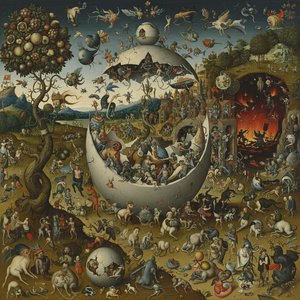
Hieronymus Bosch's Top 25 Meesterwerken: Kunst, Symboliek & Decoratie
Ontdek de top 25 meesterwerken van Hieronymus Bosch! Duik in de symboliek, fantasie & religieuze kunst van deze vroege Nederlandse Renaissance schilder. Vind museumkwaliteit reproducties en inspiratie voor uw interieurdecoratie op OriginalUniqueArt.com.

Goya's Meesterwerken: 25 Iconische Schilderijen voor Kunstliefhebbers | OriginalUniqueArt
Ontdek de 25 meest iconische schilderijen van Francisco Goya! Duik in zijn Spaanse romantiek, donkere kleuren & emotionele kracht. Museumkwaliteit reproducties voor jouw interieur op OriginalUniqueArt.com.

Over ons
Ontdek ons verhaal! Wij brengen wereldklasse kunst in uw leven door een deskundige selectie, gepersonaliseerde creaties en gratis previews. Goedgekeurd door particulieren en bedrijven sinds 2000.

Oil on Canvas: A Historical & Technical Exploration of a Timeless Artistic Medium
Explore the rich history & enduring techniques of oil painting on canvas. Discover the science behind its longevity, conservation practices, and contemporary relevance. Expert insights for art enthusiasts.

El Greco's Top 25 Meesterwerken: Kunst, Geschiedenis & Decoratie voor Uw Huis
Ontdek de top 25 meesterwerken van El Greco! Duik in het leven en werk van deze renaissance schilder, zijn spirituele kunst & dramatische stijl. Vind museumkwaliteit reproducties voor uw interieur op OriginalUniqueArt.com.