
 Voorvertoning
 Verstuur
 Delen
Delen
 Details bekijken
 Gids
Gids

 Download
 Vergelijkbare items
 Röntgenonderzoek
 Diavoorstelling
 Vraag & antwoord
 Statistieken
Madonna and Child


 Lees meer
Giclée / Kunstafdrukken
Giclée- of canvasafdruk van museumkwaliteit met een snelle productie en flexibele afwerkingsmogelijkheden. ( Bestel handgeschilderde reproductie Schakel over naar digitale afbeeldingen)




P118B €10

P118H €10

P118W €10

P438Z €10

P508JH €12

P508YH €12

P805H €10

P805Z €10

P919BZ €10

P919G €10

P919XJ €10

P959ZH €10

P968JZ €12

W106C €8

W218G €10

W218JH €8

W218Y €10

W307PJ €10

W316G €10

W316PJ €8

W316Y €10

W398PJ €8

W4111J €10

W500HY €15

W500JH €15

W692G €12

W849H €8

W940BG €15

W953PJ €8




Kies uit onze vooraf ingestelde maten die overeenkomen met de originele verhoudingen van het kunstwerk.

Voer de gewenste breedte en hoogte in, passend bij uw lijst of muur. Een afdruk kan alleen worden ingekort en nooit groter worden gemaakt dan het origineel; een formaat met andere verhoudingen zal daarom een deel van de afbeelding verliezen. Wij sturen u een digitaal mockup ter goedkeuring voordat we tot drukwerk overgaan. De afbeelding op deze pagina toont niet de werkelijke uitsnede — dit is alleen te zien op het mockup.
Wereldwijde levering () binnen 2 weken in plaats van de standaard 4/5 weken. (6 november)

Gratis wereldwijde expressverzending

Hoogwaardig linnen canvas

Volledige verzendverzekering

Garantie op terugbetaling van invoerrechten

Garantie op exacte kleurweergave

Retourbeleid van 100 dagen (alleen bij defecten)

100% Geld-terug-garantie

Korting bij meerdere afnames
 De optie voor glas is alleen beschikbaar bij een formaat kleiner dan 110 cm.

Madonna and Child
Giclée / Kunstafdrukken
Afmetingen reproductie
-


Eindtotaal
€ 72
A Portrait of Devotion: Unveiling Lucas Cranach’s “Madonna and Child”
Lucas Cranach the Elder's "Madonna and Child," painted in 1529, is more than just a depiction of Mary and Jesus; it’s a profound meditation on motherhood, faith, and the burgeoning spirit of the Reformation. Crafted during a period of intense religious and political upheaval in Germany, this painting stands as a testament to Cranach's remarkable ability to capture both the idealized beauty of Renaissance art and the deeply personal emotions at its core. The work immediately draws the viewer into a scene of serene intimacy – a mother cradling her child within a softly lit domestic space, yet imbued with an almost otherworldly grace.
Cranach’s Northern Renaissance style is evident in every brushstroke. He eschews the overly polished and idealized forms favored by some of his contemporaries, opting instead for a more naturalistic approach. The figures possess a tangible humanity; Mary isn't presented as an ethereal goddess but as a woman, radiating warmth and tenderness. The subtle modeling of her face, the gentle curve of her hands cradling the infant Jesus – these details speak to Cranach’s meticulous attention to detail and his deep understanding of human anatomy.
A Window into a Changing World
Painted against a backdrop suggestive of a simple interior—a glimpse through an open window revealing a landscape—the scene subtly reflects the shifting social and religious landscape of 16th-century Germany. The Reformation was gaining momentum, challenging established authority and fostering a new emphasis on individual faith. Cranach, a close friend to Martin Luther, skillfully incorporated elements that resonated with this evolving worldview. While rooted in traditional Marian iconography, the painting avoids overt displays of piety, instead focusing on the quiet dignity and profound love between mother and child.
The inclusion of two additional figures – a man on the left and another on the right – adds an intriguing layer of complexity to the composition. These individuals likely represent family members or attendants, suggesting a scene of domestic life within a broader social context. Their presence underscores the importance of familial bonds and community in the lives of ordinary people during this transformative era.
Symbolism Woven into the Canvas
The painting is rich with symbolic meaning. The open window, for instance, can be interpreted as a metaphor for divine grace – a glimpse beyond the earthly realm into the realm of God. Mary’s modest attire and gentle expression convey humility and devotion. Crucially, the positioning of Jesus in her arms—close to her breast—is not merely a depiction of physical closeness but also symbolizes his intimate connection with humanity and his role as the embodiment of divine love. The use of blue pigments, particularly in Mary's robes, further reinforces this symbolism, representing purity, faith, and royalty – attributes traditionally associated with the Virgin Mother.
A Legacy of Beauty and Emotion
“Madonna and Child” by Lucas Cranach the Elder is a masterpiece that continues to captivate viewers centuries after its creation. Its enduring appeal lies in its ability to evoke a powerful sense of empathy, reverence, and hope. Reproductions of this iconic work offer an opportunity to bring this timeless image into your home or office, transforming any space with its serene beauty and profound message. It’s a reminder of the universal themes of love, faith, and family—values that resonate deeply across cultures and generations.
Veelgestelde vragen
Wat is de dominante kleur van "Madonna and Child" door Lucas Cranach de Oude?
De dominante kleur van "Madonna and Child" door Lucas Cranach de Oude is Walnut (#875c2d).
Wat voor soort kunstwerk is "Madonna and Child" door Lucas Cranach de Oude?
"Madonna and Child" door Lucas Cranach de Oude wordt geclassificeerd als WallArt. Deze categorie beschrijft het type kunstwerk dat het origineel is.
Behoort "Madonna and Child" van Lucas Cranach de Oude tot het publiek domein, en zo ja, waarom?
De auteursrechtstatus van "Madonna and Child" - bevindt zich in het publiek domein - de auteursrechten zijn verlopen - is gebaseerd op het overlijden van de kunstenaar in 1553.
Biografie kunstenaar
A Renaissance Master of Saxony: The Life and Art of Lucas Cranach the Elder
Lucas Cranach the Elder, geboren in Kronach, Duitsland rond 1472, staat als een cruciale figuur van de Duitse Renaissance. Zijn leven ontviel tijdens een periode van immense religieuze en politieke omwentelingen, en zijn kunst werd onlosmakelijk verbonden met zowel de opkomende Protestantse Reformatie als de weelderige hoven waar hij diende. In eerste instantie werd hij getraind door zijn vader, Hans Maler, maar de vroege artistieke ontwikkeling van Cranach blijft enigszins gehuld in mysterie, hoewel invloeden van Zuid-Duitse meesters zichtbaar zijn in zijn evoluerende stijl. Hij onderscheidde zich snel niet alleen als een bekwame vakman, maar ook als een kunstenaar in staat om psychologische diepgang te vangen naast technische precisie – kwaliteiten die de aandacht trokken van machtige patrons. In 1504 trad hij in dienst van Frederik III, Elector van Saksen, een relatie die grotendeels zijn carrière zou definiëren en hem zowel stabiliteit als toegang tot invloedrijke kringen bood. Deze benoeming als hofschilder in Wittenberg was niet alleen bedoeld om decoratieve werken te produceren; het plaatste Cranach midden in een van de meest transformatieve bewegingen in Europese geschiedenis.Patroonschap, Reformatie en Artistieke Innovatie
De positie van Cranach binnen de Saksische hovenaanbidding bleek cruciaal niet alleen voor zijn levensonderhoud, maar ook voor zijn artistieke ontwikkeling. Hij registreerde niet alleen gebeurtenissen; hij vormde actief visuele narratieven tijdens een tijd van diepe verandering. Zijn meest blijvende erfenis is waarschijnlijk zijn nauwe associatie met Martin Luther, de centrale figuur van de Protestantse Reformatie. Cranach schiep minstens elf portretten van Luther, elk een uniek inzicht in de persoonlijkheid en evoluerende rol van de hervormer. Deze waren niet simpelweg likenesses; ze waren zorgvuldig geconstrueerde beelden ontworpen om autoriteit, pietisme en intellectuele kracht over te brengen – essentiële kwaliteiten voor een leider die de gevestigde religieuze orde uitdaagde. Naast portretten creëerde Cranach visuele interpretaties van Bijbelse scènes, vaak met een nadruk op directe betrokkenheid bij het geschrift en het bevorderen van een meer persoonlijke relatie tussen de kijker en geloof. De Aankondiging aan Joakim, bijvoorbeeld, straalt een vrolijke geest uit, die weerspiegelt de nieuwe nadruk op individuele pietigheid binnen de hervormde kerk. Deze innovatieve benadering strekte zich uit tot mythologische schilderijen; beelden van Venus en andere klassieke figuren droegen vaak allegorische betekenissen die relevant waren voor actuele politieke en sociale kwesties.Een Werkplaats Dynastie: Stijl en Techniek
Lucas Cranach the Elder was geen enkele kunstenaar die in isolatie werkte. Hij runde een indrukwekkend productief atelier, dat vele assistenten en leerlingen in dienst had die aanzienlijk bijdroegen aan zijn output. Deze samenwerkingsbenadering betekende dat veel werken toegeschreven aan Cranach daadwerkelijk onder zijn leiding of door leden van zijn kring waren geproduceerd. De Cranach-werkplaats werd bekend om zijn kenmerkende stijl: elegante figuren met verlengde proporties, levendige kleuren en minutieuze aandacht voor detail. Zijn techniek bestond uit een combinatie van olieverf, houtsnijwerk en gravure, waardoor hij zijn kunstwerken breed bereikbaar maakte via zowel originele werken als betaalbare prints. De Stierjacht van Elector Friedrich III de Wise illustreert zijn meesterschap in de Noord-Renaissance stijl, waarbij gedetailleerde realisme wordt gecombineerd met nobele symboliek. De compositie is dynamisch, vastlegt de energie van de jacht en drukt tegelijkertijd de macht en status uit van de elector. Cranach's gebruik van licht en schaduw creëert een gevoel van diepte en atmosfeer, waardoor de kijker wordt meegenomen in het beeld. Zijn portretten zijn eveneens overtuigend, gekenmerkt door hun psychologische inzicht en verfijnde uitvoering.Historische Betekenis en Erfenis
Lucas Cranach the Elder stierf in 1553, waardoor een buitengewone artistieke erfenis achterbleef die nog steeds resoneert vandaag de dag. Hij was een meester in het portretteren, een bekwame interpreter van religieuze thema's en een scherpzinnige zakenman die de kracht van visuele communicatie begreep. Zijn werk weerspiegelt niet alleen de culturele en intellectuele stromingen van zijn tijd, maar heeft deze ook mede gevormd. De Cranach-werkplaats bloeide voort na zijn dood, waardoor zijn stijl en technieken voor generaties werden doorgegeven. Zijn invloed is zichtbaar in het werk van vele latere kunstenaars, en zijn schilderijen worden nog steeds zeldzaam en gewild door verzamelaars en musea wereldwijd. Van de iconische portretten van Martin Luther tot de betoverende mythologische scènes, biedt Cranach's kunst een fascinerend venster op de wereld van de Duitse Renaissance – een wereld gekenmerkt door zowel diepe spirituele twijfel als artistieke innovatie. Zijn vermogen om religieuze passie, politiek inzicht en artistisch talent te combineren, verankerde zijn plaats als een van de belangrijkste kunstenaars van zijn tijd, en zijn bijdragen blijven het publiek vandaag de dag inspireren en betoveren.
Lucas Cranach de Oude
1472 - 1553 , Duitsland
Belangrijkste feiten
- Artistic Movement Or Style: Renaissance Duits
- Artists Or Movements Influenced By This Artist: ['Dürer']
- Artists Who Influenced This Artist: ['Hans Maler']
- Date Of Birth: 1472, Kronach
- Date Of Death: 1553, Weimar
- Full Name: Lucas Cranach de Oude
- Nationality: Duits
- Notable Artworks:
- Stag Jacht
- Zelfportret
- Aanblessing van Jozef
- Adam en Eva
- Place Of Birth: Kronach, Duitsland
Gerelateerde artikelen

Lucas van Leyden: Innovation & Intimacy in Early Netherlandish Printmaking
Explore the groundbreaking prints of Lucas van Leyden, a Dutch master bridging Gothic detail & Renaissance innovation. Discover his rare works, investment potential, and legacy for discerning collectors.

Top 10 Expressionistische Meesterwerken: Kunst die de Ziel Raakt | OriginalUniqueArt
Ontdek de 10 meest iconische Expressionistische meesterwerken! Duik in de emotionele wereld van Kirchner, Kandinsky & Nolde. Museumkwaliteit kunst reproducties voor uw interieur. Exploreer de collectie op OriginalUniqueArt.com.
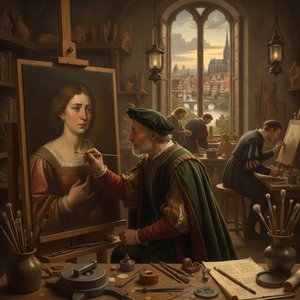
The Northern Awakening: Artistic Innovation & Cultural Transformation in the German Renaissance
Explore the artistic innovation of the German Renaissance! Discover Dürer, the Danube School & Reformation art. Learn about techniques, materials & lasting influence. Find museum-quality reproductions at OriginalUniqueArt.
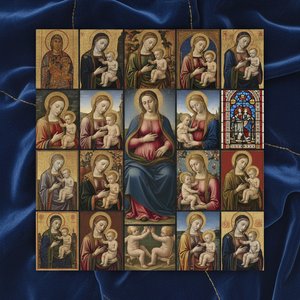
Divine Love: A Curated Guide to the Most Iconic Madonna and Child Masterpieces in Art History
Embark on a sophisticated journey through art history with our curated guide to the most iconic Madonna and Child masterpieces. Discover the profound beauty, theological depth, and enduring legacy of these sacred Renaissance treasures.

Raphael's Meesterwerken: 25 Iconische Kunstwerken voor uw Interieur | OriginalUniqueArt
Ontdek de 25 meest iconische meesterwerken van Raphael! Duik in de Renaissance kunst, bewonder zijn portretten & religieuze schilderijen. Hoogwaardige reproducties voor uw interieur op OriginalUniqueArt.com.


