

 Bekijk op ware grootte
 Verstuur
 Delen
Delen
 Details bekijken
 Gids voor studentenkunstwerken

 Download
 Vergelijkbare items
 Röntgenonderzoek
 Diavoorstelling
 Statistieken
Hercules with Omphale


 Lees meer
Giclée / Kunstafdrukken
Giclée- of canvasafdruk van museumkwaliteit met een snelle productie en flexibele afwerkingsmogelijkheden. ( Koop handgeschilderd kunstwerk Schakel over naar digitale afbeeldingen)




P118B €10

P118H €10

P118W €10

P438Z €10

P508JH €12

P508YH €12

P805H €10

P805Z €10

P919BZ €10

P919G €10

P919XJ €10

P959ZH €10

P968JZ €12

W106C €8

W218G €10

W218JH €8

W218Y €10

W307PJ €10

W316G €10

W316PJ €8

W316Y €10

W398PJ €8

W4111J €10

W500HY €15

W500JH €15

W692G €12

W849H €8

W940BG €15

W953PJ €8




Kies uit onze vooraf ingestelde maten die overeenkomen met de originele verhoudingen van het kunstwerk.

Voer de breedte en de hoogte in die u nodig heeft, passend bij uw lijst of uw muur. Een afdruk kan alleen worden ingekort, nooit groter worden gemaakt dan het origineel, waardoor een formaat met een andere verhouding een deel van de afbeelding verliest. Wij sturen u een digitaal mockup ter goedkeuring voordat we iets drukken. De afbeelding op deze pagina toont niet de werkelijke uitsnede — dit is alleen te zien op het mockup.
Wereldwijde levering () binnen 2 weken in plaats van de standaard 4/5 weken. (22 oktober)

Gratis wereldwijde expressverzending

Hoogwaardig linnen canvas

Volledige verzendverzekering

Garantie op terugbetaling van invoerrechten

Garantie op exacte kleurweergave

Retourbeleid van 100 dagen (alleen bij defecten)

100% Geld-terug-garantie

Korting bij meerdere afnames
 De optie voor glas is alleen beschikbaar bij een formaat kleiner dan 110 cm.

Hercules with Omphale
Giclée / Kunstafdrukken
Formaat reproductie
-


Totaalprijs
€ 71
A Tale of Strength and Servitude: Lucas Cranach’s Hercules with Omphale
Lucas Cranach the Elder's "Hercules with Omphale," painted around 1548, is more than just a portrait; it’s a masterful distillation of Greek mythology interwoven with humanist ideals and skillfully executed in the distinctive style of the Saxon Renaissance. The painting depicts Hercules—the legendary hero famed for his unparalleled physical prowess—engaged in an act of humbling servitude: spinning wool alongside Omphale, Queen of Lydia, a gesture that encapsulates the central theme of the artwork – the paradoxical triumph of vulnerability over dominance.- Subject Matter and Narrative Context: Cranach’s depiction draws directly from Apollonian mythology, specifically Euripides' tragedy “Hercules and Omphale.” The myth recounts how Hercules, weary after his labors, was captured by Omphale and forced to adopt Lydiaian customs, including spinning wool – an occupation deemed utterly unsuitable for a titan of strength. This reversal serves as a potent commentary on the limitations of power and the transformative potential of accepting humility.
- Style and Technique: Cranach’s style is characterized by its meticulous realism combined with idealized beauty—a hallmark of German Renaissance art. He employs oil paint on panel, applying thin glazes to achieve luminous color palettes and subtle tonal gradations. The artist's masterful brushwork captures the textures of fabric and skin with remarkable accuracy, while simultaneously conveying a sense of grace and elegance.
Symbolism: Beyond Mythological Narrative
The painting overflows with symbolic significance that extends far beyond its immediate mythological narrative. Hercules’ spinning wheel represents not merely an act of domestic labor but symbolizes the relinquishment of ego and the acceptance of a lower status—a deliberate stripping away of his heroic identity. Omphale, portrayed as regal yet receptive, embodies feminine wisdom and compassion. Her gaze towards Hercules suggests admiration for his noble spirit despite his apparent weakness.Emotional Impact: A Meditation on Transformation
“Hercules with Omphale” transcends mere visual representation; it evokes a profound emotional response in the observer. The painting compels contemplation on themes of humility, transformation, and the acceptance of limitations—concepts that resonated deeply within humanist circles of the time. Cranach’s ability to convey psychological depth through subtle gestures and expressions contributes significantly to the artwork's enduring power.Concluding Remarks
Lucas Cranach's "Hercules with Omphale" stands as a testament to the Renaissance artist’s genius – a captivating blend of mythology, technique, and humanist philosophy. It is an artwork that invites viewers to consider the complexities of human experience and celebrates the transformative potential inherent in embracing vulnerability. Its enduring beauty and profound symbolism ensure its continued appreciation for generations to come.Vragen & Antwoorden
Waar kan ik een gids vinden voor "Hercules with Omphale"?
De gids voor "Hercules with Omphale" is de Gids-pagina van het kunstwerk – een printbaar informatieblad waarop het kunstwerk wordt getoond met het bijschrift, de bronvermelding en de identificatietabel (kunstenaar, data, medium, originele afmetingen, collectie).
Hoe kan ik kunstwerken ontdekken die lijken op "Hercules with Omphale" door Lucas Cranach de Oude?
Werken die lijken op "Hercules with Omphale" staan vermeld op de Vergelijkbare werken-pagina van het kunstwerk.
Waar en voor welk doel wordt "Hercules with Omphale" aanbevolen?
Gebruik (Accent) en ruimte (Living Room) zijn de twee aanbevelingen voor "Hercules with Omphale" door Lucas Cranach de Oude.
Biografie van de kunstenaar
A Renaissance Master of Saxony: The Life and Art of Lucas Cranach the Elder
Lucas Cranach the Elder, geboren in Kronach, Duitsland rond 1472, staat als een cruciale figuur van de Duitse Renaissance. Zijn leven ontviel tijdens een periode van immense religieuze en politieke omwentelingen, en zijn kunst werd onlosmakelijk verbonden met zowel de opkomende Protestantse Reformatie als de weelderige hoven waar hij diende. In eerste instantie werd hij getraind door zijn vader, Hans Maler, maar de vroege artistieke ontwikkeling van Cranach blijft enigszins gehuld in mysterie, hoewel invloeden van Zuid-Duitse meesters zichtbaar zijn in zijn evoluerende stijl. Hij onderscheidde zich snel niet alleen als een bekwame vakman, maar ook als een kunstenaar in staat om psychologische diepgang te vangen naast technische precisie – kwaliteiten die de aandacht trokken van machtige patrons. In 1504 trad hij in dienst van Frederik III, Elector van Saksen, een relatie die grotendeels zijn carrière zou definiëren en hem zowel stabiliteit als toegang tot invloedrijke kringen bood. Deze benoeming als hofschilder in Wittenberg was niet alleen bedoeld om decoratieve werken te produceren; het plaatste Cranach midden in een van de meest transformatieve bewegingen in Europese geschiedenis.Patroonschap, Reformatie en Artistieke Innovatie
De positie van Cranach binnen de Saksische hovenaanbidding bleek cruciaal niet alleen voor zijn levensonderhoud, maar ook voor zijn artistieke ontwikkeling. Hij registreerde niet alleen gebeurtenissen; hij vormde actief visuele narratieven tijdens een tijd van diepe verandering. Zijn meest blijvende erfenis is waarschijnlijk zijn nauwe associatie met Martin Luther, de centrale figuur van de Protestantse Reformatie. Cranach schiep minstens elf portretten van Luther, elk een uniek inzicht in de persoonlijkheid en evoluerende rol van de hervormer. Deze waren niet simpelweg likenesses; ze waren zorgvuldig geconstrueerde beelden ontworpen om autoriteit, pietisme en intellectuele kracht over te brengen – essentiële kwaliteiten voor een leider die de gevestigde religieuze orde uitdaagde. Naast portretten creëerde Cranach visuele interpretaties van Bijbelse scènes, vaak met een nadruk op directe betrokkenheid bij het geschrift en het bevorderen van een meer persoonlijke relatie tussen de kijker en geloof. De Aankondiging aan Joakim, bijvoorbeeld, straalt een vrolijke geest uit, die weerspiegelt de nieuwe nadruk op individuele pietigheid binnen de hervormde kerk. Deze innovatieve benadering strekte zich uit tot mythologische schilderijen; beelden van Venus en andere klassieke figuren droegen vaak allegorische betekenissen die relevant waren voor actuele politieke en sociale kwesties.Een Werkplaats Dynastie: Stijl en Techniek
Lucas Cranach the Elder was geen enkele kunstenaar die in isolatie werkte. Hij runde een indrukwekkend productief atelier, dat vele assistenten en leerlingen in dienst had die aanzienlijk bijdroegen aan zijn output. Deze samenwerkingsbenadering betekende dat veel werken toegeschreven aan Cranach daadwerkelijk onder zijn leiding of door leden van zijn kring waren geproduceerd. De Cranach-werkplaats werd bekend om zijn kenmerkende stijl: elegante figuren met verlengde proporties, levendige kleuren en minutieuze aandacht voor detail. Zijn techniek bestond uit een combinatie van olieverf, houtsnijwerk en gravure, waardoor hij zijn kunstwerken breed bereikbaar maakte via zowel originele werken als betaalbare prints. De Stierjacht van Elector Friedrich III de Wise illustreert zijn meesterschap in de Noord-Renaissance stijl, waarbij gedetailleerde realisme wordt gecombineerd met nobele symboliek. De compositie is dynamisch, vastlegt de energie van de jacht en drukt tegelijkertijd de macht en status uit van de elector. Cranach's gebruik van licht en schaduw creëert een gevoel van diepte en atmosfeer, waardoor de kijker wordt meegenomen in het beeld. Zijn portretten zijn eveneens overtuigend, gekenmerkt door hun psychologische inzicht en verfijnde uitvoering.Historische Betekenis en Erfenis
Lucas Cranach the Elder stierf in 1553, waardoor een buitengewone artistieke erfenis achterbleef die nog steeds resoneert vandaag de dag. Hij was een meester in het portretteren, een bekwame interpreter van religieuze thema's en een scherpzinnige zakenman die de kracht van visuele communicatie begreep. Zijn werk weerspiegelt niet alleen de culturele en intellectuele stromingen van zijn tijd, maar heeft deze ook mede gevormd. De Cranach-werkplaats bloeide voort na zijn dood, waardoor zijn stijl en technieken voor generaties werden doorgegeven. Zijn invloed is zichtbaar in het werk van vele latere kunstenaars, en zijn schilderijen worden nog steeds zeldzaam en gewild door verzamelaars en musea wereldwijd. Van de iconische portretten van Martin Luther tot de betoverende mythologische scènes, biedt Cranach's kunst een fascinerend venster op de wereld van de Duitse Renaissance – een wereld gekenmerkt door zowel diepe spirituele twijfel als artistieke innovatie. Zijn vermogen om religieuze passie, politiek inzicht en artistisch talent te combineren, verankerde zijn plaats als een van de belangrijkste kunstenaars van zijn tijd, en zijn bijdragen blijven het publiek vandaag de dag inspireren en betoveren.
Lucas Cranach de Oude
1472 - 1553 , Duitsland
Snelle feiten
- Artistic Movement Or Style: Renaissance Duits
- Artists Or Movements Influenced By This Artist: ['Dürer']
- Artists Who Influenced This Artist: ['Hans Maler']
- Date Of Birth: 1472, Kronach
- Date Of Death: 1553, Weimar
- Full Name: Lucas Cranach de Oude
- Nationality: Duits
- Notable Artworks:
- Stag Jacht
- Zelfportret
- Aanblessing van Jozef
- Adam en Eva
- Place Of Birth: Kronach, Duitsland
Gerelateerde artikelen

De Blijvende Erfenis van Olieverf op Doek: Techniek, Geschiedenis en Hedendaagse Praktijk
Ontdek de rijke geschiedenis en technieken van olieverfschilderen. Van Renaissance meesterwerken tot moderne toepassingen, leer over pigmenten, glazuur en conservering.

The Enduring Power of Painting: A Historical & Contemporary Exploration of Form and Emotion
Explore the rich history & enduring techniques of oil painting with OriginalUniqueArt. Discover masterpieces, learn about art collecting, and find authentic handmade reproductions crafted by skilled artists.
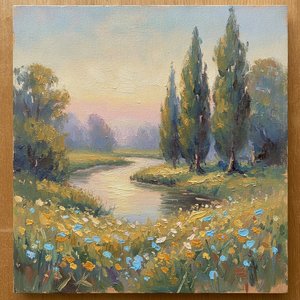
The Timeless Charm of Oil on Board: Reimagining Texture and Light through the Impressionist Lens
Discover the profound intimacy of oil on panel. Explore how Impressionist masters used rigid supports to capture light, texture, and impasto depth through exquisite, handmade oil reproductions for discerning collectors.

Oil on Canvas: A Historical & Technical Exploration of a Timeless Artistic Medium
Explore the rich history & enduring techniques of oil painting on canvas. Discover the science behind its longevity, conservation practices, and contemporary relevance. Expert insights for art enthusiasts.

The Enduring Legacy of Oil on Canvas: Technique, History & Aesthetic Impact
Explore the rich history & techniques of oil painting – from Renaissance masters to Impressionism. Discover pigments, layering methods, and why this timeless medium endures. Expert insights for artists & art enthusiasts.


