Voorvertoning
 Verstuur
 Delen
Delen
 Details bekijken
 Gids
Gids

 Download
 Vergelijkbare items
 Röntgenonderzoek
 Diavoorstelling
 Q&A
Q&A Statistieken
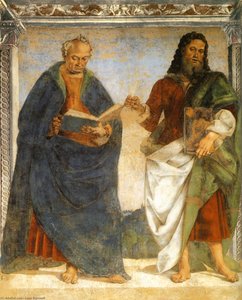
St Augustine Altarpiece (left wing)
 Oil On Canvas
- WallArt
- High Renaissance
 1498
1498 146.0 x 76.0 cm
 Staatliche Museen zu Berlin
 Lees meer
Giclée / Kunstafdrukken
Giclée- of canvasafdruk van museumkwaliteit met een snelle productie en flexibele afwerkingsmogelijkheden. ( Bestel handgeschilderde reproductie Schakel over naar digitale afbeeldingen)




P118B €10

P118H €10

P118W €10

P438Z €10

P508JH €12

P508YH €12

P805H €10

P805Z €10

P919BZ €10

P919G €10

P919XJ €10

P959ZH €10

P968JZ €12

W106C €8

W218G €10

W218JH €8

W218Y €10

W307PJ €10

W316G €10

W316PJ €8

W316Y €10

W398PJ €8

W4111J €10

W500HY €15

W500JH €15

W692G €12

W849H €8

W940BG €15

W953PJ €8




Kies uit onze vooraf ingestelde maten die overeenkomen met de originele verhoudingen van het kunstwerk.

Voer de gewenste breedte en hoogte in, passend bij uw lijst of muur. Een afdruk kan alleen worden ingekort en nooit groter worden gemaakt dan het origineel; een formaat met andere verhoudingen zal daarom een deel van de afbeelding verliezen. Wij sturen u een digitaal mockup ter goedkeuring voordat we tot drukwerk overgaan. De afbeelding op deze pagina toont niet de werkelijke uitsnede — dit is alleen te zien op het mockup.
Wereldwijde levering () binnen 2 weken in plaats van de standaard 4/5 weken. (29 oktober)

Gratis wereldwijde expressverzending

Hoogwaardig linnen canvas

Volledige verzendverzekering

Garantie op terugbetaling van invoerrechten

Garantie op exacte kleurweergave

Retourbeleid van 100 dagen (alleen bij defecten)

100% Geld-terug-garantie

Korting bij meerdere afnames
 De optie voor glas is alleen beschikbaar bij een formaat kleiner dan 110 cm.

St Augustine Altarpiece (left wing)
Giclée / Kunstafdrukken
Afmetingen reproductie
-


Eindtotaal
€ 71
Luca Signorelli’s St Augustine Altarpiece (Left Wing): A Window into Renaissance Devotion
The left wing of Luca Signorelli's “St Augustine Altarpiece,” completed in 1498 for the Bichi Chapel within the church of Sant’Agostino in Siena, is more than just a beautiful painting; it’s a profound meditation on faith, charity, and the intertwined destinies of earthly and divine figures. Measuring a modest 146 x 76 centimeters, this panel offers an intimate glimpse into the artistic sensibilities of a master navigating the complexities of late Renaissance Italy. Signorelli, already establishing himself as a draftsman of exceptional skill – evidenced by his early work in Arezzo and Castelli – here demonstrates a remarkable ability to imbue a seemingly simple scene with layers of meaning and emotional resonance.
The composition immediately draws the eye to the central trio: three women draped in rich crimson robes, their gestures conveying both solemnity and profound compassion. The woman on the left cradles a baby, a potent symbol of innocence and new life – a direct reference to Mary holding infant Jesus. Beside her stands another woman, supporting a child, mirroring the Virgin’s protective embrace. The third figure, positioned slightly further back, gazes downwards with an expression of quiet contemplation, perhaps reflecting on the spiritual journey or offering solace to those she observes. These women are not merely decorative elements; they represent key figures in Christian iconography – Mary Magdalene, Saint Catherine of Siena, and Saint Jerome, each embodying a specific virtue and contributing to the altarpiece’s overarching theme of divine grace.
Adding depth to this devotional tableau are two men, subtly integrated into the scene. One stands near the center, engaged in conversation with the women, while the other is positioned on the left side, seemingly observing the proceedings. Their presence suggests a community united by faith and shared devotion – a microcosm of Renaissance society reflecting upon spiritual matters. Signorelli’s masterful use of foreshortening, a technique he honed during his time in Florence under Piero della Francesca, creates a sense of spatial realism, drawing the viewer into this intimate tableau. The figures appear to be caught in a moment of genuine interaction, their expressions conveying a palpable sense of warmth and connection.
Technique and Style: High Renaissance Refinement
Signorelli’s style within this altarpiece is firmly rooted in the High Renaissance, yet it possesses a distinctly Italian character. He skillfully blends classical influences with his own innovative approach to composition and color. The use of *sfumato*, a technique popularized by Leonardo da Vinci, softens the edges of the figures and creates an atmospheric haze that enhances the sense of depth and realism. The rich crimson robes are rendered with meticulous detail, their textures suggesting luxurious fabrics while simultaneously conveying a sense of solemnity. Signorelli’s palette is restrained yet vibrant, dominated by earthy tones – ochres, siennas, and umbers – punctuated by flashes of red and gold.
Signorelli's mastery of drawing is immediately apparent in the precise rendering of the figures’ anatomy and drapery. He demonstrates a deep understanding of human form, capturing both its beauty and vulnerability with remarkable accuracy. The subtle gradations of light and shadow – *chiaroscuro* – further enhance the sense of realism, creating a three-dimensional effect that draws the viewer into the scene. The composition is carefully balanced, with each figure occupying a specific space within the frame, contributing to the overall harmony and visual impact of the work.
Historical Context: Siena and the Renaissance
To fully appreciate the “St Augustine Altarpiece,” it’s crucial to understand its historical context. Siena in the late 15th century was a thriving center of commerce, art, and religious devotion. The Bichi Chapel, where the altarpiece resided, served as a focal point for community life, reflecting the city's wealth and piety. The commission itself underscores the importance of religious patronage during this period – wealthy families like the Piccolominis sought to demonstrate their faith through lavish displays of art and architecture.
Signorelli’s work reflects the broader trends of the High Renaissance, which emphasized humanism, classical learning, and a renewed interest in naturalism. However, unlike some of his contemporaries who embraced Mannerist styles characterized by elongated figures and distorted perspectives, Signorelli maintains a sense of balance and clarity. His altarpiece embodies a harmonious blend of tradition and innovation, reflecting the artistic sensibilities of a master navigating the complexities of his time.
A Timeless Reflection on Faith and Humanity
The “St Augustine Altarpiece (Left Wing)” is more than just a beautiful painting; it’s a poignant meditation on faith, charity, and the enduring power of human connection. Signorelli's masterful composition, skillful technique, and profound understanding of religious iconography combine to create an image that continues to resonate with viewers centuries after its creation. Reproductions capture the essence of this work, allowing us to experience its beauty and emotional depth in our own homes. It serves as a reminder of the enduring legacy of Renaissance art – a testament to the power of human creativity to express profound spiritual truths.
Veelgestelde vragen
Voor welke kamer wordt "St Augustine Altarpiece (left wing)" door Luca Signorelli aanbevolen, gezien de kleuren?
Gezien het Earthy kleurenpalet wordt "St Augustine Altarpiece (left wing)" aanbevolen voor een Living Room.
Hoe kan ik kunstwerken ontdekken die lijken op "St Augustine Altarpiece (left wing)" door Luca Signorelli?
Op de Vergelijkbare werken-pagina van dit kunstwerk vindt u vergelijkbare werken als "St Augustine Altarpiece (left wing)" door Luca Signorelli.
Waar zou een reproductie van "St Augustine Altarpiece (left wing)" door Luca Signorelli opgehangen moeten worden?
Met zijn Tall-formaat is een reproductie van "St Augustine Altarpiece (left wing)" een prachtige aanvulling op een Living Room.
Biografie kunstenaar
vroege jaren en opleiding
Luca Signorelli, een Italiaanse renaissancechilder, werd rond 1450 geboren in Cortona, Toscane. Hoewel zijn exacte geboortedatum een mysterie blijft, wordt aangenomen dat hij tussen 1441 en 1445 werd geboren. Hij verwierf al snel grote bekendheid door zijn uitzonderlijke vaardigheid als tekenaar en zijn meesterlijke gebruik van verkorting om diepte te creëren.artistieke carrière
De eerste artistieke indrukken van Signorelli lijken hun oorsprong te hebben gevonden in Perugia, waar hij werd beïnvloed door de stijlen van vooraanstaande kunstenaars zoals Benedetto Bonfigli, Fiorenzo di Lorenzo en Pinturicchio. Volgens de overlevering van Giorgio Vasari werd Signorelli door zijn oom aan moederzijde, Lazzaro Vasari, in de leer gebracht bij de grootmeester Piero della Francesca. Het oeuvre van Signorelli is verspreid over diverse locaties, waaronder Arezzo (1472) en Città di Castello (1474). Een van zijn meest opmerkelijke werken is het schilderij "De School van Pan", dat werd geschonken aan Lorenzo de' Medici. Dit werk biedt een uiterst realistische weergave van het menselijk lichaam en toont de meesterlijke beheersing van chiaroscuro en lineair perspectief die zijn handtekening vormden.opmerkelijke werken
- Het Laatste Oordeel (1499-1503), Orvieto Kathedraal - Dit monumentale fresco wordt beschouwd als zijn absolute meesterwerk en toont Signorelli's ongekende talent in het verbeelden van de apocalyps en het laatste oordeel.
- Het Polyptiek van St. Medard (1507), Museo San Medardo, Arcevia, Italië - Een voortreffelijk voorbeeld van zijn werk, gekenmerkt door een zeer gedetailleerde en naturalistische weergave van de menselijke vorm.
kunststroming
Signorelli was een sleutelfiguur binnen de Italiaanse Renaissance, een beweging die de overgang markeerde tussen de middeleeuwen en het vroegmoderne Europa. Deze periode kenmerkte zich door een hernieuwde focus op klassieke tradities, naturalisme en humanisme.- De vroege renaissance-kunststroming - Een korte introductie tot de kunstbeweging die het verloop van de kunstgeschiedenis fundamenteel heeft gevormd.
- Fra Angelico - De beroemde kunstenaar wiens werk Signorelli beïnvloedde en die bekend stond om zijn uitzonderlijke schilderkunstige vaardigheid.
- Luca Signorelli - Een korte biografie van de kunstenaar, met zijn belangrijkste werken en artistieke stroming.
erfenis
Het werk van Signorelli heeft een diepgaande impact gehad op de ontwikkeling van de renaissancekunst. Zijn gebruik van verkorting en zijn precisie als tekenaar inspireerden talloze kunstenaars die in zijn voetsporen traden. Als een prominente figuur in de Italiaanse Renaissance leeft zijn nalatenschap voort in zijn werken, die nog steeds bewonderd kunnen worden in diverse musea en kathedralen door heel Italië. belangrijke data:- 1450: Geboren in Cortona, Toscane
- 1499-1503: Creatie van Het Laatste Oordeel, Orvieto Kathedraal
- 1523: Overlijden, waarbij hij een erfenis van uitzonderlijke kunst achterliet

Luca Signorelli
1450 - 1523 , Italië
Belangrijkste feiten
- Artistic Movement Or Style: Renaissance
- Artists Or Movements Influenced By This Artist: ['Fra Angelico']
- Artists Who Influenced This Artist: ['Piero della Francesca']
- Date Of Birth: c. 1445/50
- Date Of Death: 16 oktober 1523
- Full Name: Luca d’Egidio di Ventura Signorelli
- Nationality: Italiaans
- Notable Artworks:
- De Laatste Judgement
- School of Pan
- Place Of Birth: Cortona, Italië
Gerelateerde artikelen

The Enduring Muse: Women as Subject & Symbol in Art History
Explore the rich history of women in art – from iconic muses to groundbreaking artists. Discover feminist movements, global perspectives & reclaim female narratives with OriginalUniqueArt.
Sacred Expressions: A Journey Through Devotional Art Across Cultures & Eras
Explore the rich history of devotional art across cultures & eras with expert insights! Discover iconic masterpieces, symbolism, and artistic techniques. A guide for collectors & enthusiasts.
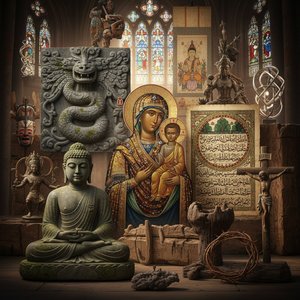
Sacred Expressions: A Journey Through Devotional Art Across Cultures & Eras
Explore the rich history of devotional art across cultures & eras. Discover iconic masterpieces, symbolism, and artistic techniques. Expert insights for collectors & enthusiasts.
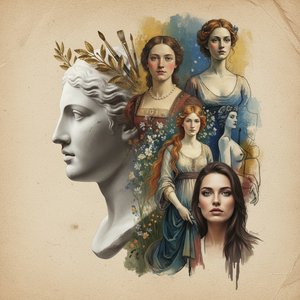
The Enduring Muse: Women as Subject & Symbol in Art History
Explore the rich history of women in art – from archetypal representations to contemporary voices challenging norms. Discover iconic artists & movements, and learn about reclaiming female narratives through painting and beyond.

Sacred Narratives on Canvas: Exploring Devotional Imagery Across Art History
Explore the rich history of devotional art! Discover iconic masterpieces, symbolism & techniques from antiquity to the Renaissance. Expert insights for collectors & enthusiasts at OriginalUniqueArt.