Voorvertoning
 Verstuur
 Delen
Delen
 Details bekijken
 Gids
Gids

 Download
 Vergelijkbare items
 Röntgenonderzoek
 Diavoorstelling
 Vraag & antwoord
 Statistieken
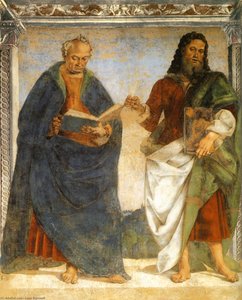
Communio Apostolorum

- 232.0 x 220.0 cm


 Lees meer
Giclée / Kunstafdrukken
Giclée- of canvasafdruk van museumkwaliteit met een snelle productie en flexibele afwerkingsmogelijkheden. ( Bestel handgeschilderde reproductie Schakel over naar digitale afbeeldingen)




P118B €10

P118H €10

P118W €10

P438Z €10

P508JH €12

P508YH €12

P805H €10

P805Z €10

P919BZ €10

P919G €10

P919XJ €10

P959ZH €10

P968JZ €12

W106C €8

W218G €10

W218JH €8

W218Y €10

W307PJ €10

W316G €10

W316PJ €8

W316Y €10

W398PJ €8

W4111J €10

W500HY €15

W500JH €15

W692G €12

W849H €8

W940BG €15

W953PJ €8




Kies uit onze vooraf ingestelde maten die overeenkomen met de originele verhoudingen van het kunstwerk.

Voer de gewenste breedte en hoogte in, passend bij uw lijst of muur. Een afdruk kan alleen worden ingekort en nooit groter worden gemaakt dan het origineel; een formaat met andere verhoudingen zal daarom een deel van de afbeelding verliezen. Wij sturen u een digitaal mockup ter goedkeuring voordat we tot drukwerk overgaan. De afbeelding op deze pagina toont niet de werkelijke uitsnede — dit is alleen te zien op het mockup.
Wereldwijde levering () binnen 2 weken in plaats van de standaard 4/5 weken. (7 november)

Gratis wereldwijde expressverzending

Hoogwaardig linnen canvas

Volledige verzendverzekering

Garantie op terugbetaling van invoerrechten

Garantie op exacte kleurweergave

Retourbeleid van 100 dagen (alleen bij defecten)

100% Geld-terug-garantie

Korting bij meerdere afnames
 De optie voor glas is alleen beschikbaar bij een formaat kleiner dan 110 cm.

Communio Apostolorum
Giclée / Kunstafdrukken
Afmetingen reproductie
-


Eindtotaal
€ 72
Luca Signorelli’s Communion of the Apostles: A Moment Frozen in Tuscan Renaissance Faith
Luca Signorelli (c. 1450 – 16 October 1523) stands as a cornerstone of Florentine Renaissance art, celebrated not merely for his prolific output but for his unparalleled mastery of disegno—drawing—and his profound understanding of humanist ideals. His legacy rests primarily on monumental frescoes adorning Orvieto Cathedral’s Upper Chapel, specifically “The Last Judgment,” which solidified his reputation as one of the era's foremost artists. However, Signorelli’s artistic journey extended beyond ecclesiastical commissions, encompassing projects in Arezzo and Siena, demonstrating a versatility that reflects the broader intellectual currents shaping Renaissance Italy. This meticulous draftsman honed his skills under the tutelage of Piero della Francesca, absorbing influences from masters like Benedetto Bonfigli and Pinturicchio – artists who championed naturalism and expressive realism.A Study in Foreshortening and Dramatic Composition
Signorelli’s distinctive style is characterized by an astonishing command of foreshortening—a technique that convincingly portrays depth and perspective—which he employed with breathtaking precision throughout his oeuvre. This masterful manipulation of spatial illusion elevates the visual impact of his paintings, creating a palpable sense of immediacy and realism. Furthermore, Signorelli skillfully orchestrates dramatic compositions, guiding the viewer’s gaze towards key figures and emphasizing emotional intensity. The “Communion of the Apostles,” painted circa 1512, exemplifies these stylistic hallmarks perfectly; it's not simply a depiction of biblical narrative but an embodiment of Renaissance artistic ambition.The Fresco Technique: Layered Color and Texture
Signorelli’s technique involved applying pigment onto wet plaster—a process known as fresco—resulting in durable, luminous paintings that retain their vibrancy for centuries. This method demanded painstaking planning and execution, requiring artists to prepare the wall surface meticulously and apply paint in successive layers while the plaster remained workable. Signorelli achieved remarkable textural effects through careful blending of pigments and layering glazes, capturing subtle nuances of light and shadow—a hallmark of Florentine painting during this period. The resulting surface possesses a velvety smoothness that enhances the visual richness of the scene.Historical Context: Orvieto Cathedral and Renaissance Piety
The “Communion of the Apostles” resides within Orvieto Cathedral’s Upper Chapel, commissioned by Pope Sixtus IV in 1499. This monumental fresco represents a pivotal moment in Renaissance art—a response to the anxieties surrounding papal authority and a reaffirmation of Christian faith amidst turbulent political times. Signorelli's work reflects the broader humanist spirit of the era, prioritizing human dignity and portraying biblical figures with anatomical accuracy and psychological realism – characteristics that distinguished Florentine painting from its northern counterparts. The cathedral itself serves as a symbol of papal patronage and spiritual pilgrimage, underscoring the significance of the artwork within its architectural setting.Symbolism Rooted in Christian Tradition
The “Communion of the Apostles” transcends mere representation; it’s imbued with profound theological symbolism. Jesus Christ, positioned at the center of the composition, holds aloft the Eucharist—the consecrated bread and wine—representing divine grace and communion with God. The apostles kneeling before him convey humility and reverence, symbolizing their submission to Christ's authority and acceptance of his teachings. The careful positioning of figures contributes to a narrative that underscores the importance of faith and spiritual contemplation – core tenets of Renaissance Christian piety.Emotional Resonance: Reverence and Spiritual Contemplation
Ultimately, Signorelli’s “Communion of the Apostles” succeeds in evoking a powerful emotional response from the viewer. The artist's masterful use of chiaroscuro—the interplay between light and dark—creates an atmosphere of solemn grandeur, drawing attention to the central figure and amplifying the spiritual significance of the scene. The expressive faces of the apostles convey emotion – awe, devotion, and humility – inviting contemplation on themes of faith, sacrifice, and divine love. It remains a testament to Signorelli’s ability to translate theological concepts into compelling visual art—a masterpiece that continues to inspire admiration for its artistic excellence and spiritual depth.Veelgestelde vragen
Wat is de algemene sfeer van "Communio Apostolorum" door Luca Signorelli?
"Communio Apostolorum" door Luca Signorelli wordt qua stemming beschreven als Dramatisch. Deze classificatie kan helpen om het werk te laten aansluiten bij een bepaalde omgeving.
Welke emotie straalt het Renaissance-werk "Communio Apostolorum" uit?
Binnen de Renaissance-stroming is "Communio Apostolorum" vastgelegd met een Spiritueel toon.
Hoe komen contrast en harmonie samen in "Communio Apostolorum"?
De kleuranalyse van "Communio Apostolorum" door Luca Signorelli legt een Verklaring contrast en een Zacht gemengd palet harmonie vast.
Biografie kunstenaar
vroege jaren en opleiding
Luca Signorelli, een Italiaanse renaissancechilder, werd rond 1450 geboren in Cortona, Toscane. Hoewel zijn exacte geboortedatum een mysterie blijft, wordt aangenomen dat hij tussen 1441 en 1445 werd geboren. Hij verwierf al snel grote bekendheid door zijn uitzonderlijke vaardigheid als tekenaar en zijn meesterlijke gebruik van verkorting om diepte te creëren.artistieke carrière
De eerste artistieke indrukken van Signorelli lijken hun oorsprong te hebben gevonden in Perugia, waar hij werd beïnvloed door de stijlen van vooraanstaande kunstenaars zoals Benedetto Bonfigli, Fiorenzo di Lorenzo en Pinturicchio. Volgens de overlevering van Giorgio Vasari werd Signorelli door zijn oom aan moederzijde, Lazzaro Vasari, in de leer gebracht bij de grootmeester Piero della Francesca. Het oeuvre van Signorelli is verspreid over diverse locaties, waaronder Arezzo (1472) en Città di Castello (1474). Een van zijn meest opmerkelijke werken is het schilderij "De School van Pan", dat werd geschonken aan Lorenzo de' Medici. Dit werk biedt een uiterst realistische weergave van het menselijk lichaam en toont de meesterlijke beheersing van chiaroscuro en lineair perspectief die zijn handtekening vormden.opmerkelijke werken
- Het Laatste Oordeel (1499-1503), Orvieto Kathedraal - Dit monumentale fresco wordt beschouwd als zijn absolute meesterwerk en toont Signorelli's ongekende talent in het verbeelden van de apocalyps en het laatste oordeel.
- Het Polyptiek van St. Medard (1507), Museo San Medardo, Arcevia, Italië - Een voortreffelijk voorbeeld van zijn werk, gekenmerkt door een zeer gedetailleerde en naturalistische weergave van de menselijke vorm.
kunststroming
Signorelli was een sleutelfiguur binnen de Italiaanse Renaissance, een beweging die de overgang markeerde tussen de middeleeuwen en het vroegmoderne Europa. Deze periode kenmerkte zich door een hernieuwde focus op klassieke tradities, naturalisme en humanisme.- De vroege renaissance-kunststroming - Een korte introductie tot de kunstbeweging die het verloop van de kunstgeschiedenis fundamenteel heeft gevormd.
- Fra Angelico - De beroemde kunstenaar wiens werk Signorelli beïnvloedde en die bekend stond om zijn uitzonderlijke schilderkunstige vaardigheid.
- Luca Signorelli - Een korte biografie van de kunstenaar, met zijn belangrijkste werken en artistieke stroming.
erfenis
Het werk van Signorelli heeft een diepgaande impact gehad op de ontwikkeling van de renaissancekunst. Zijn gebruik van verkorting en zijn precisie als tekenaar inspireerden talloze kunstenaars die in zijn voetsporen traden. Als een prominente figuur in de Italiaanse Renaissance leeft zijn nalatenschap voort in zijn werken, die nog steeds bewonderd kunnen worden in diverse musea en kathedralen door heel Italië. belangrijke data:- 1450: Geboren in Cortona, Toscane
- 1499-1503: Creatie van Het Laatste Oordeel, Orvieto Kathedraal
- 1523: Overlijden, waarbij hij een erfenis van uitzonderlijke kunst achterliet

Luca Signorelli
1450 - 1523 , Italië
Belangrijkste feiten
- Artistic Movement Or Style: Renaissance
- Artists Or Movements Influenced By This Artist: ['Fra Angelico']
- Artists Who Influenced This Artist: ['Piero della Francesca']
- Date Of Birth: c. 1445/50
- Date Of Death: 16 oktober 1523
- Full Name: Luca d’Egidio di Ventura Signorelli
- Nationality: Italiaans
- Notable Artworks:
- De Laatste Judgement
- School of Pan
- Place Of Birth: Cortona, Italië
Gerelateerde artikelen

OriginalUniqueArt.com F.A.Q.: Elevating Interiors with Bespoke Wall Murals & Masterpiece Frescoes
Discover the pinnacle of bespoke interior transformation with OriginalUniqueArt.com. Our master fresco artists create exquisite, hand-painted wall murals and ceiling masterpieces tailored to your estate. Elevate your architectural space with timeless, museum-quality artistry.